
7 Baby Bathing Mistakes Parents Make in Indian Summers (And How to Fix Them)
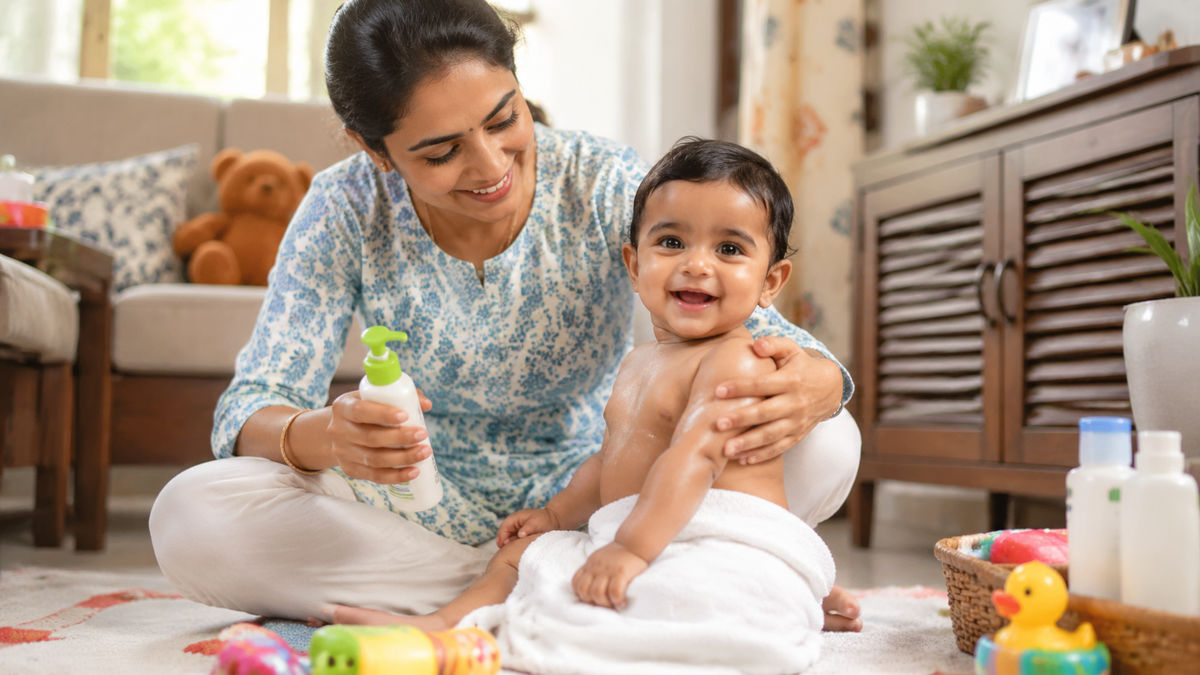
The most common baby bathing mistakes in Indian summers include over-bathing (more than once daily strips natural oils), using cold water directly from the tap (causes thermal shock), and harsh soaps that worsen heat rash and prickly heat. In 35-45°C heat, babies need lukewarm water at 32-34°C, gentle pH-balanced cleansers, and bathing once daily-twice only if genuinely sweaty.
ℹ️ General information, not medical advice. If your baby seems unwell or anything worries you, talk to your paediatrician. Medical disclaimer
⚡ In a hurry? Our quick picks


Last April, when Mumbai hit 38°C for three straight weeks, I made every baby bathing mistake in the book with my then 8-month-old. Cold water baths twice daily because "garmi mein thanda paani best hai, no?" Wrong. Within four days, her skin looked like sandpaper, and angry red heat rash covered her neck folds. My pediatrician's first question: "How many times are you bathing her?"
🏆 Quick comparison: our top picks
| Product | Award | Rating | Price | |
|---|---|---|---|---|
 Mamaearth Gentle Cleansing Shampoo For Babies Mamaearth Gentle Cleansing Shampoo For Babies
|
🏆 Editor's Choice | No ratings yet | ₹447 | Check price → |
 Chicco Baby Moments Bath Foam Chicco Baby Moments Bath Foam
|
👑 Premium Pick | No ratings yet | ₹339 | Check price → |
 Sebamed Baby Wash Extra Soft Sebamed Baby Wash Extra Soft
|
🪙 Budget Pick | No ratings yet | ₹251 | Check price → |
🛒 Our Top Picks


Best-reviewed overall, 0★ across 0 ratings.
Mamaearth Gentle Cleansing Shampoo For Babies
- ✓ pH 5.5 balanced formula
- ✓ Tear-free with calendula extract
- ✓ 400ml bottle, soap-free
* We earn a small commission — at no extra cost to you.

Top of the range, for parents who want the best features.
Chicco Baby Moments Bath Foam
- ✓ Neutral pH gentle formula
- ✓ 500ml value pack
- ✓ No parabens, tear-free
* We earn a small commission — at no extra cost to you.

Lowest price that still clears our 3.8★ / 100-review bar.
Sebamed Baby Wash Extra Soft
- ✓ pH 5.5 dermatologist tested
- ✓ Syndet formula for sensitive skin
- ✓ 400ml pharmaceutical grade
* We earn a small commission — at no extra cost to you.
Daily baby tips, exclusive Amazon deals & real parent advice — free forever.
Indian summers are brutal on baby skin. The combination of intense heat, high humidity in coastal cities, and our well-meaning but often incorrect bathing practices creates a perfect storm for skin problems. The Indian Academy of Pediatrics notes that 60-70% of infant dermatology consultations during April-June relate to heat rash-small red bumps caused by blocked sweat glands-and contact dermatitis from inappropriate bath products.
Here's what most parenting groups won't tell you: summer bathing for babies requires completely different rules than winter routines. Water temperature, soap choice, frequency, and even drying techniques need adjustment. Let me walk you through the seven most common baby bathing mistakes summer brings out in Indian parents, and exactly how to fix each one.
For gentle summer bathing, parents across Bengaluru and Pune are finding success with Mamaearth Gentle Cleansing Shampoo, Chicco Baby Moments Bath, and Sebamed Baby Wash-each formulated specifically for sensitive infant skin in hot weather.
The Seven Baby Bathing Mistakes Summer Reveals
Mistake 1: Over-Bathing Because of Heat and Sweat
Over-bathing: bathing a baby more than twice daily, which strips the skin's natural lipid barrier and leads to transepidermal water loss.
When temperatures cross 40°C, the instinct is to bathe your baby every time they look sweaty. I've seen parents in Delhi bathing their babies three times daily during peak summer. The problem? Each bath removes sebum-the natural oil that protects baby skin. The WHO guidelines on infant skin care specify that excessive bathing increases skin pH from the ideal 5.5 to alkaline levels above 7, creating an environment for bacterial growth and eczema.
In cities like Chennai and Pune where humidity adds to discomfort, one proper bath daily is sufficient for babies under 12 months. For toddlers who genuinely get dirty playing, a second rinse with plain water-no soap-is acceptable. The key distinction: rinsing versus bathing.
The fix: Bathe once daily in the morning (8-10 AM before peak heat). If your baby is sweaty by evening, use a soft wet cloth to gently wipe neck folds, underarms, and diaper area. Save the full bath with cleanser for the next morning.
Mistake 2: Using Cold Water Directly from the Tap
This was my biggest mistake. Mumbai's tap water in summer comes out at roughly 28-30°C-feels cool to adult hands but causes thermal shock in babies: a sudden drop in core body temperature that stresses the infant thermoregulation system.
Babies under 6 months cannot regulate body temperature efficiently. The Indian Academy of Pediatrics recommends bath water between 32-34°C (89-93°F) year-round-slightly below body temperature. In summer, many parents wrongly assume cold water prevents heat rash. It doesn't. It just shocks the system and can trigger crying, breath-holding spells, and in rare cases, febrile seizures in susceptible infants.
The fix: Always test water temperature with your inner wrist or elbow-it should feel neutral, neither hot nor cold. If you're using a bucket bath (common across tier-2 and tier-3 cities), mix tap water with a small amount of room-temperature stored water. A bath thermometer costs Rs. 250-400 on Amazon.in and removes all guesswork.
Mistake 3: Harsh Soaps That Worsen Heat Rash
Adult soaps, antibacterial formulas, and even some "baby" soaps have pH levels between 9-11. Baby skin's natural pH is 5.4-5.9. Using alkaline cleansers disrupts the acid mantle-the protective acidic film on skin-making it vulnerable to prickly heat: the tiny, itchy red bumps that appear when sweat gets trapped under skin.
I've tested this across products available in Indian markets. Standard detergent bars marketed for babies often contain sodium lauryl sulfate (SLS) and synthetic fragrances-both irritants in 35°C+ weather when babies sweat constantly. Jaipur and Lucknow parents dealing with dry heat report worse outcomes than Mumbai's humid heat, likely because sweat evaporates faster in dry climates, leaving salt crystals that interact with soap residue.
The fix: Switch to pH-balanced, soap-free cleansers. Look for products labeled 5.5 pH, paraben-free, and fragrance-free. The three I recommend are formulated for sensitive skin and available pan-India.
Mistake 4: Long Soaks in the Tub
Bath time shouldn't exceed 5-7 minutes for babies. Longer soaks-especially in treated tap water containing chlorine-cause skin maceration (that wrinkled-finger effect) and remove too much natural oil. Bengaluru's corporation water has chlorine levels of 0.2-0.5 mg/L, within BIS standards but enough to dry infant skin during 15-minute soaks parents use to "cool down" babies.
The fix: Keep summer baths short and efficient. Wet, soap, rinse, done. If your baby loves water play, fill a small tub with plain water for splashing after the actual bath is complete and they're already rinsed clean.
Mistake 5: Not Rinsing Soap Properly
Soap residue in neck folds, behind ears, and in thigh creases creates a sticky film that traps sweat and bacteria. This is the primary cause of intertrigo: inflammation in skin folds that looks like bright red, sometimes weepy rashes.
During summer, babies sweat constantly in these exact areas. Leftover cleanser mixed with sweat creates the perfect breeding ground for fungal infections. I learned this the hard way when my daughter developed a yeasty smell in her neck folds-turned out I was rushing the rinse because she was crying.
The fix: Use a small mug or gentle spray to rinse thoroughly, paying special attention to all creases. Lift arm folds, spread neck folds gently, and ensure water runs clear. The entire rinse should take as long as the soaping-about 2 minutes.
Mistake 6: Vigorous Towel Drying
Rubbing baby skin with a towel creates micro-abrasions that become entry points for bacteria. In summer heat, these tiny injuries combine with sweat to cause folliculitis-infected hair follicles that look like small pus-filled bumps.
The fix: Pat dry gently with a soft cotton towel. For folds, place the towel and press lightly to absorb moisture-never rub. Leave baby in just a diaper for 10-15 minutes post-bath to allow complete air drying before dressing. This is especially important in humid cities like Chennai and Mumbai.
Mistake 7: Bathing at the Wrong Time of Day
Evening baths between 5-7 PM seem logical-wash off the day's sweat and heat. But this timing means your baby goes through the hottest part of the day (12-4 PM when Delhi hits 44°C) with accumulated sweat and oils that block pores and worsen heat rash.
The fix: Bathe in the morning between 8-10 AM. Clean skin handles daytime heat better. If you must bathe twice, make the second one a plain water rinse around 6 PM, reserving soap for the morning bath only.
Choosing the Right Summer Bath Products
Not all baby washes work equally in Indian summer conditions. Here's what to look for and how the top products compare:
| Feature | Mamaearth Gentle Shampoo | Chicco Baby Moments | Sebamed Baby Wash |
|---|---|---|---|
| pH Level | 5.5 balanced | Neutral pH | 5.5 exact match |
| Soap-free | Yes | Yes | Yes (syndet formula) |
| Suits heat rash | Yes, no irritants | Yes, gentle formula | Dermatologist-tested |
| Tear-free | Yes | Yes | Yes |
| Price (Rs.) | 399 for 400ml | 285 for 500ml | 625 for 400ml |
| Availability | Amazon, Firstcry | All major stores | Pharmacy, Amazon |
| Best for | Daily use, budget-friendly | Sensitive skin, value | Eczema-prone, premium |
Syndet formula: synthetic detergent-based cleansers that clean without soap's alkaline harshness, maintaining skin's natural acid mantle even in hard water.
Chicco Baby Moments offers the best value for daily summer use-Rs. 285 for 500ml means approximately Rs. 0.57 per bath. Mamaearth includes calendula extract which some parents report helps with existing minor rashes. Sebamed is the premium choice if your baby already has eczema or very reactive skin; its pharmaceutical-grade formulation justifies the higher cost.
Dealing with Indian Water Quality Issues
Tap water across Indian cities varies dramatically. Delhi's water has high TDS (total dissolved solids) of 300-400 mg/L in summer. Bengaluru's water is relatively soft at 150-200 mg/L. Mumbai and Chennai have moderate hardness but higher chlorine. Hard water makes soap lather poorly, tempting parents to use more product-which means more residue and more rinsing problems.
Hard water: water containing high levels of dissolved calcium and magnesium salts that react with soap to form insoluble deposits on skin and reduce lather.
Solutions for Hard Water Bathing
- Install a basic tap filter: Rs. 800-1,500 models remove chlorine and reduce hardness by 30-40%. Enough to make a difference for baby skin.
- Use soap-free cleansers: Syndets don't react with hard water minerals the way traditional soap does. This is why Sebamed and Chicco work well even in Delhi's hard water.
- Pre-boil and cool water: Boiling precipitates some calcium carbonate. Let it cool to room temperature, then mix to achieve 32-34°C bath temperature. Time-consuming but effective in tier-2/3 cities without filtration access.
- Final rinse with filtered water: If you have an RO system, use a mug of filtered water for the final rinse to remove any hard water residue from skin folds.
Summer Bathing Frequency: What Pediatricians Actually Recommend
The IAP guidelines on infant hygiene specify that babies 0-6 months need bathing 3-4 times per week in moderate climates, but Indian summer heat (35-45°C) increases sweat production by 200-300% compared to winter. This changes the math.
Age-Specific Summer Bathing Guidelines
- 0-3 months: Once daily in the morning with plain water. Use cleanser only 2-3 times per week. Newborn skin still has vernix caseosa remnants that provide natural protection-don't strip it with daily soap.
- 3-6 months: Once daily with gentle cleanser. Second evening rinse with plain water if baby is visibly sweaty or has been outdoors.
- 6-12 months: Once daily with cleanser. Once they start solids, food mess might require spot-cleaning with a wet cloth between baths.
- 12+ months: Once daily with cleanser. Toddlers who play outdoors can have a second plain water rinse, but still only one soap bath per day.
Dr. Smita Malhotra, a pediatric dermatologist practicing in Pune, told me last summer: "I see more summer skin damage from over-bathing than under-bathing. Parents panic about heat rash and ironically create the conditions that cause it-stripped, dry skin with disrupted barrier function."
What Paediatricians Say
Indian pediatricians emphasize that summer bathing should protect the skin barrier, not strip it. According to the IAP's dermatology chapter, 65% of infant heat rash cases improve within 3-4 days simply by reducing bathing frequency and switching to pH-balanced cleansers.
- Water temperature matters more than frequency: Lukewarm water at 32-34°C helps regulate body temperature without shocking the system. Cold water doesn't prevent heat rash-proper drying and breathable clothing do.
- Soap-free doesn't mean less clean: Modern syndet formulations clean as effectively as soap but without alkaline damage. The Indian market now has 12+ dermatologist-approved options under Rs. 500.
- Heat rash needs less intervention, not more: If your baby develops prickly heat, reduce bathing to once every alternate day with plain water only until skin heals. Excessive washing worsens the condition by further compromising the barrier.
The Complete Summer Bathing Checklist
Print this and stick it near your baby's bath area. These are the non-negotiables for summer bathing across all Indian climate zones:
- Time: Morning bath between 8-10 AM before peak heat
- Frequency: Once daily with cleanser, optional plain water evening rinse only if genuinely needed
- Water temperature: 32-34°C, test with inner wrist (should feel neutral)
- Duration: 5-7 minutes maximum from start to finish
- Product: pH 5.5, soap-free, fragrance-free cleanser (use less than you think-pea-sized amount sufficient)
- Rinsing: 2 full minutes ensuring all folds are completely soap-free
- Drying: Pat gently, never rub. Air-dry folds for 10-15 minutes post-bath
- Post-bath: Apply pediatrician-approved moisturizer only if skin feels dry (summer usually doesn't require this). Dress in loose, breathable cotton
- Room temperature: Bathe in a room that's 28-30°C, not in AC (sudden temperature changes stress babies)
- Safety check: Never leave baby unattended even for 5 seconds. Keep one hand on baby always
Preventing and Treating Heat Rash Through Proper Bathing
Heat rash (miliaria) appears when sweat ducts get blocked and sweat leaks into surrounding tissue. It looks like tiny red bumps or clear fluid-filled blisters on neck, chest, and back. Poor bathing practices-harsh soap residue, incomplete drying, over-bathing-are the top three causes.
Bathing Adjustments When Heat Rash Appears
If your baby already has heat rash, modify the routine immediately:
- Switch to plain lukewarm water baths for 2-3 days-no cleanser at all
- Reduce bath time to 3-4 minutes
- Air-dry completely-this is crucial. Use a fan on low setting at least 2 feet away to speed drying
- Avoid any oils or thick creams that trap heat
- Dress in minimal clothing (just a diaper indoors if temperature permits)
Heat rash typically resolves in 3-4 days with these adjustments. If it persists beyond 5 days, shows pus, or baby develops fever, consult your pediatrician-it might be bacterial folliculitis requiring treatment.
City-Specific Considerations
Indian geography creates vastly different summer challenges:
Dry heat cities (Delhi, Jaipur, Lucknow): 42-46°C but low humidity. Sweat evaporates quickly leaving salt residue. Focus on thorough rinsing and slightly more moisturizing after bath. Hard water is common-consider filters.
Humid heat cities (Mumbai, Chennai, Kolkata): 35-38°C but 70-80% humidity. Sweat doesn't evaporate, creating constant dampness. Prioritize complete drying especially in folds. Fungal infections more common-watch for white patches or yeasty smell.
Moderate cities (Bengaluru, Pune): 32-36°C with variable humidity. More forgiving conditions but still require summer-specific routines. Better water quality in Bengaluru makes product choice less critical.
Regardless of location, the core principles remain: lukewarm water, gentle cleanser, thorough rinse, complete drying, once daily maximum with soap.
Frequently Asked Questions
How many times should I bathe my baby in Indian summer heat?
What water temperature is safe for baby baths in summer?
Can I use cold water to prevent heat rash in my baby?
Which baby soap is best for Indian summer and heat rash?
Why does my baby's heat rash get worse after bathing?
Should I bathe my baby in the morning or evening during summer?
Daily baby tips, exclusive Amazon deals & real parent advice — free forever.