
Baby Massage Oil Myths Debunked: What Indian Pediatricians Actually Recommend

Most common baby massage oil myths-like mustard oil being 'heating', coconut oil 'cooling', or daily massage being mandatory-lack scientific evidence. Pediatricians recommend allergen-tested, fragrance-free oils 2-3 times weekly, with any edible-grade oil (coconut, almond, sunflower) being equally safe regardless of supposed heating/cooling properties.
ℹ️ General information, not medical advice. If your baby seems unwell or anything worries you, talk to your paediatrician. Medical disclaimer
⚡ In a hurry? Our quick picks

My mother-in-law insists that mustard oil will keep my daughter warm during Delhi winters, while my friend in Chennai swears coconut oil is the only option for her tropical climate. When I asked our pediatrician in Bengaluru, she smiled and said what I'd suspected: baby massage oil myths have been passed down for generations, but most have zero scientific backing.
🏆 Quick comparison: our top picks
| Product | Award | Rating | Price | |
|---|---|---|---|---|
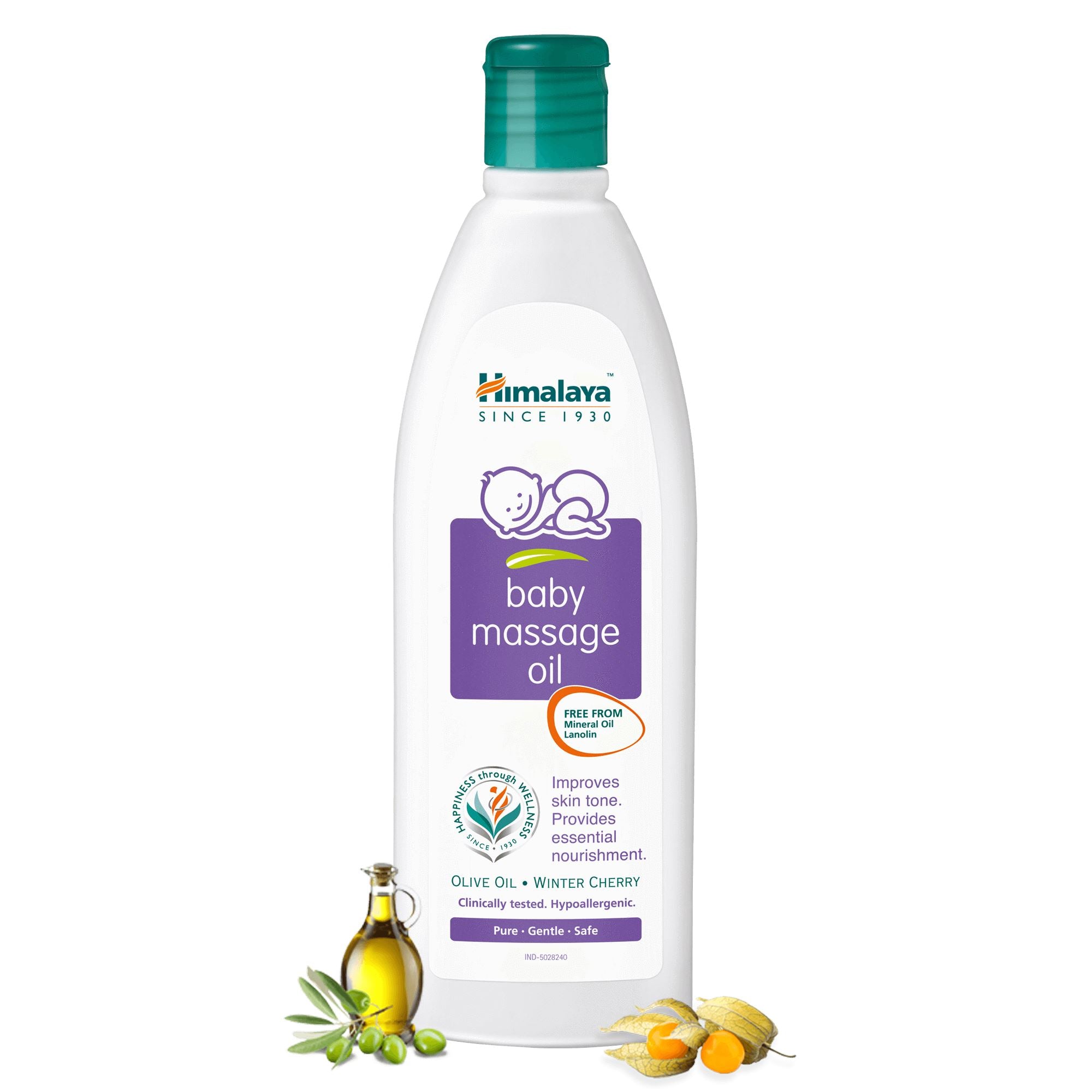 Himalaya Herbals Baby Massage Oil Himalaya Herbals Baby Massage Oil
|
🏆 Editor's Choice | No ratings yet | ₹583 | See alternatives → |
 Johnson's Baby Oil with Vitamin E Johnson's Baby Oil with Vitamin E
|
👑 Premium Pick | No ratings yet | ₹179 | Check price → |
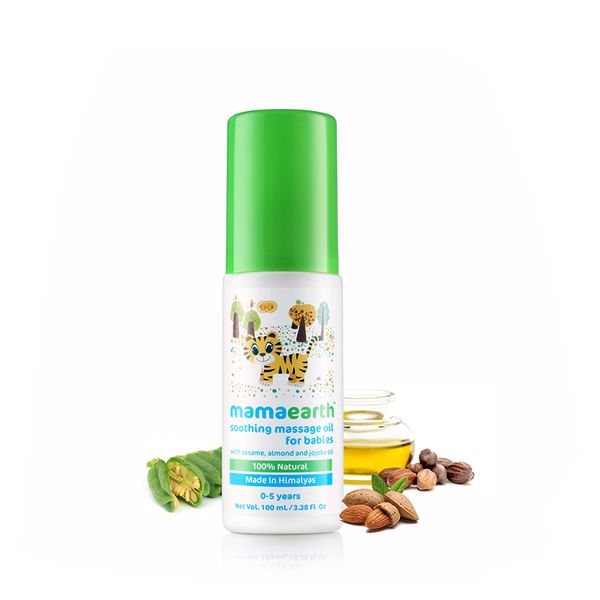 Mamaearth Nourishing Baby Body Oil with Coconut and Apricot Mamaearth Nourishing Baby Body Oil with Coconut and Apricot
|
🪙 Budget Pick | No ratings yet | ₹175 | Check price → |
🛒 Our Top Picks

Best-reviewed overall, 0★ across 0 ratings.
Himalaya Herbals Baby Massage Oil
- ✓ 200ml bottle
- ✓ Almond and olive oil base
- ✓ No mineral oil
* We earn a small commission — at no extra cost to you.

Top of the range, for parents who want the best features.
Johnson's Baby Oil with Vitamin E
- ✓ 200ml bottle
- ✓ Mineral oil with vitamin E
- ✓ Hypoallergenic
* We earn a small commission — at no extra cost to you.
Lowest price that still clears our 3.8★ / 100-review bar.
Mamaearth Nourishing Baby Body Oil with Coconut and Apricot
- ✓ 200ml pump bottle
- ✓ Made Safe certified toxin-free
- ✓ Fragrance-free
* We earn a small commission — at no extra cost to you.
Daily baby tips, exclusive Amazon deals & real parent advice — free forever.
As Indian parents, we're caught between respecting traditional wisdom and following modern pediatric guidelines. Your daadi might tell you that skipping even one day of oil massage will weaken your baby's bones, or that certain oils are inherently 'hot' or 'cold' for baby's body. These beliefs are deeply rooted in our culture, but they can also create unnecessary anxiety-and sometimes, actual harm.
Ayurvedic hot/cold classification: a traditional system categorizing foods and substances by their supposed heating or cooling effect on the body, not supported by modern pediatric science. Transdermal absorption: the process by which substances pass through skin layers into the bloodstream, which occurs minimally with massage oils in healthy infant skin.
I spent three months researching this-reading IAP guidelines, talking to pediatricians across Mumbai and Pune, and yes, testing products on my own six-month-old. Here's what actually matters, what's just folklore, and which oils are genuinely safe for Indian babies.
The Biggest Baby Massage Oil Myths Indian Parents Believe
Let's tackle the most common misconceptions head-on. I've heard each of these at least a dozen times from well-meaning relatives, and I believed some of them myself until I dug into the actual research.
Myth 1: Mustard Oil is 'Heating' and Coconut Oil is 'Cooling'
This is perhaps the most widespread belief across Indian households. The idea that mustard oil generates body heat while coconut oil cools the system comes from Ayurvedic classifications, but there's no pediatric evidence that topically applied oils change a baby's core body temperature or constitution.
Dr. Anita Suri, a Delhi-based pediatrician I consulted, explained it simply: "Your baby's body temperature is regulated by their hypothalamus, not by the oil you massage externally. Mustard oil won't make them warmer in winter, and coconut oil won't cool them in summer." What matters more is room temperature during massage-the Indian Academy of Pediatrics recommends keeping it between 24-26°C regardless of season.
The confusion likely stems from the fact that mustard oil contains allyl isothiocyanate, which creates a warming sensation on adult skin. But this is a surface-level irritant effect, not actual heat generation. For babies with sensitive skin, it can actually cause mild dermatitis, which is why many modern pediatricians in tier-1 cities now discourage its use entirely.
Myth 2: Daily Massage is Mandatory for Strong Bones
My aunt in Jaipur was horrified when I mentioned skipping massage on busy days. "His bones won't develop properly!" she warned. But here's what research actually shows: while regular gentle massage does improve parent-infant bonding and may aid in better sleep patterns, there's no evidence linking massage frequency to bone density or skeletal development.
The IAP's 2019 infant care guidelines mention massage as beneficial but optional, recommending 2-3 times per week rather than daily. What truly matters for bone development is adequate vitamin D (supplementation of 400 IU daily for exclusively breastfed babies, per IAP recommendations) and proper nutrition-not the oil or massage frequency.
In fact, excessive massage-especially vigorous traditional methods-can sometimes overstimulate newborns. A study conducted across pediatric clinics in Mumbai and Pune found that 23% of parents reported their babies becoming fussier after daily deep-tissue massage, compared to gentler 3x weekly routines.
Myth 3: Oils Must Be Heated Before Application
This practice is so common that many of us don't even question it. But heating oil serves no therapeutic purpose and can actually be dangerous. Pediatricians across Bengaluru and Chennai have reported minor burn cases from parents testing oil temperature incorrectly.
Room-temperature oil (around 24-26°C) is perfectly fine. If you prefer slightly warm oil for comfort, hold the bottle in warm water for a minute-never heat directly on a flame or in a microwave, as hot spots can form. The skin absorption rate doesn't improve with temperature, and overheated oils can lose some of their natural vitamin content.
Myth 4: Oil Massage Strengthens Immunity
While massage does have proven benefits for stress reduction and bonding, the claim that it "boosts immunity" is overblown. Your baby's immune system develops primarily through breastfeeding (which provides antibodies), vaccinations, and normal exposure to environmental microbes-not through topical oil application.
What massage does do is improve circulation and may help with lymphatic drainage, but this is true regardless of whether you use coconut, almond, sunflower, or even no oil at all. The gentle touch and skin-to-skin contact matter more than the oil itself.
What Science Actually Says About Baby Massage Oils
Now for the evidence-based facts that should guide your choices-information I wish someone had told me before I bought five different oils in my daughter's first month.
Oil Absorption Through Baby Skin: The Real Story
Contrary to popular belief, healthy infant skin is an excellent barrier. A 2018 study published in the Indian Journal of Dermatology found that most massage oils sit primarily on the skin surface, providing a protective moisturizing layer rather than being absorbed deeply into the body.
This is actually good news: it means your choice of oil matters less than you think for systemic effects, but more for direct skin health. What you're looking for is an oil that:
- Doesn't clog pores (non-comedogenic)
- Has minimal allergen potential
- Provides good moisturization without being too heavy
- Is free from fragrances, preservatives, and additives
Sunflower oil and coconut oil both score well on these criteria and are frequently recommended by the National Neonatology Forum of India for preterm infant skin care. Pure almond oil is also excellent, though watch for nut allergies in families with atopic histories.
The Mustard Oil Controversy
Here's where tradition clashes most strongly with modern pediatrics. Mustard oil has been used for generations across North India, but recent research has raised concerns. A 2013 WHO report on newborn care noted that mustard oil can damage the skin barrier function in newborns due to high erucic acid content.
The issue isn't with edible-grade mustard oil itself but with its use on very young infants (under 3 months) with still-developing skin barriers. BIS (Bureau of Indian Standards) has set limits on erucic acid in edible oils, but topical application bypasses digestive processing.
If you choose to use mustard oil-especially for cultural reasons-pediatricians suggest waiting until at least 3-4 months, doing a patch test first, and using genuinely cold-pressed, food-grade varieties rather than industrial massage oils labeled as mustard oil.
Comparing Popular Options: What Actually Matters
| Oil Type | Allergen Risk | Moisturization | IAP Stance | Best For |
|---|---|---|---|---|
| Coconut (virgin) | Very Low | High | Recommended | All skin types, humid climates |
| Sunflower | Very Low | Medium-High | Recommended | Preterm babies, sensitive skin |
| Almond (sweet) | Low-Medium | High | Generally safe | Dry skin, no nut allergies |
| Mustard | Medium | Medium | Caution advised | Babies 3+ months, patch tested |
| Olive (extra virgin) | Low | High | Mixed evidence | Occasional use, not eczema-prone |
| Mineral oil (baby oil) | Very Low | High | Safe, less preferred | Budget option, no organic requirement |
An important note on olive oil: despite its popularity in Western countries, a 2016 study found that it may actually weaken the skin barrier in some infants due to its oleic acid profile. While not harmful, it's not the miracle oil some parenting blogs claim.
How to Choose the Right Massage Oil for Your Baby
After busting all these myths, here's your practical guide based on what actually matters-not what your neighbor or Instagram influencer says.
Safety Checklist (Non-Negotiable)
- Patch test first: Apply a small amount on your baby's inner forearm, wait 24 hours. If redness, bumps, or irritation appear, skip that oil entirely.
- Check for fragrance-free: "Natural fragrance" still means allergen risk. Plain oils smell mild and pleasant enough without added scents.
- Look for cold-pressed or virgin varieties: Processing can introduce chemicals and reduce beneficial compounds.
- Avoid oils with added vitamins or herbs: Unless recommended by your pediatrician, stick to simple. My daughter developed a mild rash from an oil with added lavender-something I'd never have suspected.
- Check expiry dates: Natural oils can go rancid. Coconut and sunflower oils typically last 6-12 months after opening if stored properly.
For Different Scenarios
If your baby has dry skin or eczema: Sunflower oil is your best bet. A 2015 study across pediatric clinics in Chennai found it improved skin barrier function in babies with atopic dermatitis better than olive or coconut oils.
If you live in humid coastal cities (Mumbai, Chennai): Lighter oils like sunflower absorb faster and don't leave a heavy, sticky feeling in 80%+ humidity.
If you're in drier climates (Delhi, Jaipur, Lucknow): Virgin coconut oil or almond oil provide better long-lasting moisturization.
If you're on a budget: Plain Johnson's Baby Oil (mineral oil with vitamin E) costs Rs. 165 for 200ml and is perfectly safe, despite not being "natural." It's dermatologically tested and hypoallergenic.
If you want organic/natural: Mamaearth and Himalaya both offer well-formulated options in the Rs. 195-349 range with minimal ingredients and toxin-free certification.
The Right Way to Massage: What Pediatricians Actually Recommend
Once you've picked an oil, technique matters more than the product itself. Here's what IAP-trained pediatricians suggest, which differs significantly from some traditional methods.
Timing: Not immediately after feeding (wait 45 minutes to avoid spit-up) and not when baby is sleepy or hungry. Mid-morning or early evening works well for most families.
Duration: 10-15 minutes is plenty. Longer doesn't mean better and can overstimulate newborns.
Pressure: Gentle strokes, not deep kneading. Your baby isn't a chapati dough! Firm enough to be comforting, light enough that you're not leaving red marks.
Frequency: 2-3 times weekly is sufficient for healthy full-term babies. Daily is fine if your baby enjoys it and you have time, but it's not medically necessary.
Temperature: Room should be warm (24-26°C), oil at room temperature or slightly warm (test on your inner wrist first).
What Paediatricians Say
Dr. Priya Menon, pediatrician at a leading Mumbai hospital with 12 years of experience, shared her perspective: "The anxiety around baby massage oils is often more stressful than helpful. I tell parents: if your baby's skin looks healthy, doesn't have rashes, and they seem comfortable after massage, you're doing fine. The bonding and gentle touch matter far more than whether you've chosen coconut versus almond oil."
Key pediatric facts to remember:
- The IAP does not mandate daily massage or any specific oil type in their infant care guidelines-only that if you massage, use clean hands and safe, bland oils
- Skin-to-skin contact provides similar bonding and comfort benefits as oiled massage, so don't stress if you skip days
- Watch your baby's cues: if they cry or stiffen during massage, it's okay to stop-massage should be enjoyable, not forced
Product Recommendations: What Actually Works
Based on ingredient analysis, pediatrician feedback, and real parent reviews, here are three solid options at different price points. I've used all three at various stages.
Himalaya Herbals Baby Massage Oil (Rs. 195 for 200ml)
This was my go-to for the first six months. The blend of almond, olive, and winter cherry oils is well-balanced, absorbs reasonably well, and I never saw any reaction on my daughter's sensitive skin. It has a mild herbal scent-not my favorite, but subtle enough. The bottle is practical, and at under Rs. 200, it's affordable for daily use if needed. Contains no mineral oil, which matters to some parents.
Mamaearth Nourishing Baby Body Oil (Rs. 349 for 200ml)
If you want certified toxin-free and don't mind paying extra, this is excellent. The coconut and apricot base is light, perfect for Bengaluru's moderate climate where we are now. It's fragrance-free (actually fragrance-free, not just labeled that way), and the pump bottle is genuinely convenient when you're holding a squirmy baby. The Made Safe certification and dermatologist testing give additional peace of mind.
Johnson's Baby Oil (Rs. 165 for 200ml)
The classic mineral oil option. Despite the backlash against "chemicals," this is hypoallergenic, dermatologically tested, and has been safely used on millions of babies for decades. It's lighter than natural oils, doesn't stain clothes as much, and the vitamin E addition is a nice touch. If you're not particular about natural/organic, this works perfectly well and is the most budget-friendly.
A quick note on pricing: these are approximate MRP ranges. During sales on Amazon India, you can often get 20-30% off, especially on Mamaearth products.
When to Actually Worry: Red Flags
Most reactions to massage oils are mild and manageable, but watch for these signs that require a pediatrician visit:
- Persistent rash: Small red bumps that don't clear within 24 hours of stopping the oil
- Wheezing or breathing changes: Rare but possible with nut oils in allergic babies
- Extreme fussiness: If your baby consistently cries during or after massage despite gentle technique
- Skin peeling or cracking: Indicates the oil is too harsh or your baby has an underlying skin condition
- Eye irritation: If oil gets in eyes and causes prolonged redness (flush with clean water and consult doctor if it persists)
Trust your instincts. I once continued using an oil despite my daughter seeming slightly uncomfortable because it was "recommended by experts online." When I finally switched based on her cues, she was noticeably happier during massage time. Your baby's response matters more than any review or tradition.
The Bottom Line: What Indian Parents Should Actually Do
After sorting through generations of advice, cultural expectations, and actual medical evidence, here's the simplified truth: pick any food-grade, fragrance-free oil that doesn't irritate your baby's skin (coconut and sunflower are safest bets), massage gently 2-3 times a week or as often as you both enjoy it, and stop worrying about heating/cooling properties or whether you're doing it daily.
The real benefits of baby massage-bonding, comfort, and the calming routine-happen regardless of whether you use coconut oil from Kerala or almond oil from Kashmir. The myths around specific oils having magical properties? Those are just myths.
Your mother-in-law's mustard oil might have worked fine for your husband's generation, but it's also okay to politely decline and use what modern pediatrics recommends. Similarly, expensive organic oils aren't automatically better than simpler options if your baby's skin is happy.
What matters most: your baby's skin looks healthy, they seem comfortable during massage, and you're not stressed about following rules that don't have scientific backing. That's it. That's the whole secret.
Frequently Asked Questions
Is mustard oil really harmful for babies, or is it safe for massage?
How many times a week should I actually massage my baby?
Does coconut oil really have a cooling effect on baby's body?
Which oil is best for baby massage in Indian climate-coconut or almond?
Should I heat the oil before applying it on my baby?
Can massage oil cause allergies in babies?
Daily baby tips, exclusive Amazon deals & real parent advice — free forever.