
Vitamin A Deficiency in Babies: IAP 2026 Guidelines, Symptoms & Safe Food Sources for Indian Parents
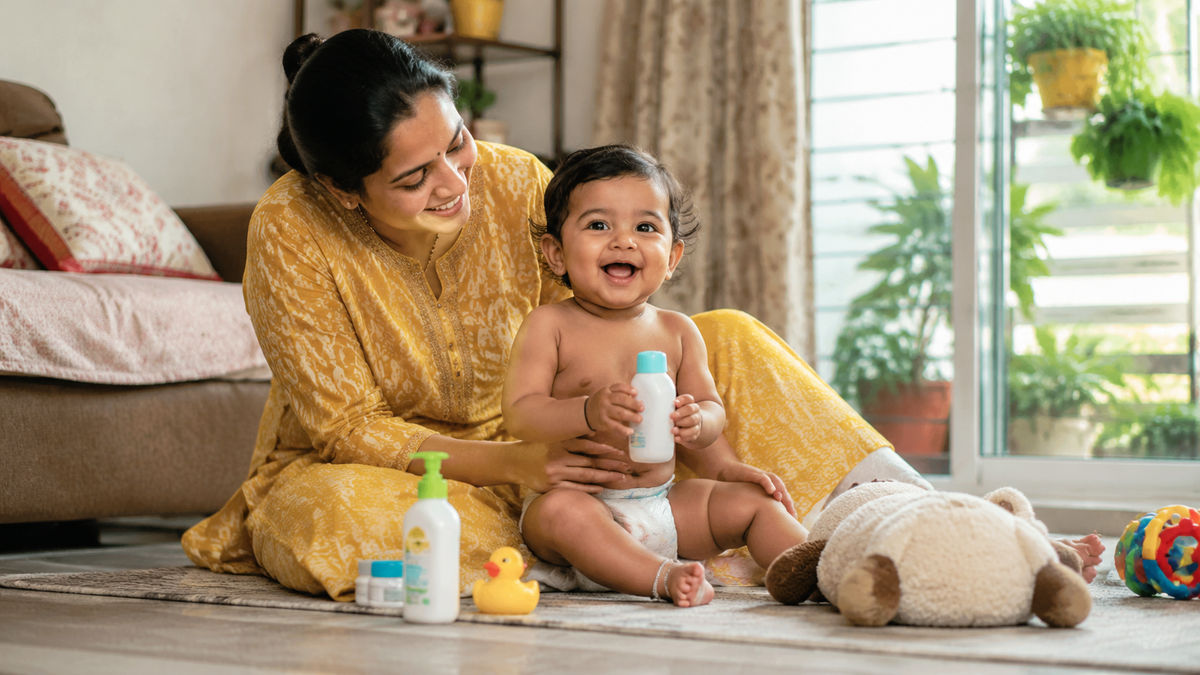
Vitamin A deficiency is a significant public health concern in Indian infants, affecting around 30-40% of children under 5 in certain states according to NFHS-5 data. The Indian Academy of Pediatrics (IAP) recommends a government mega-dose supplementation program at 9 months and 18 months of age, while adequate food sources like mango puree, pumpkin, and spinach can help prevent deficiency. Warning signs include night blindness, dry eyes, and recurrent infections.
ℹ️ General information, not medical advice. If your baby seems unwell or anything worries you, talk to your paediatrician. Medical disclaimer
⚡ In a hurry? Our quick picks


Why This Matters for Indian Parents
🏆 Quick comparison: our top picks
| Product | Award | Rating | Price | |
|---|---|---|---|---|
 Aquasol-A Vitamin A Drops (5000 IU/mL) - 15mL Aquasol-A Vitamin A Drops (5000 IU/mL) - 15mL
|
🏆 Editor's Choice | ★ 4.2 812 reviews |
₹199 | Check price → |
 Akvol-A Vitamin A Syrup (2500 IU/mL) - 200mL Akvol-A Vitamin A Syrup (2500 IU/mL) - 200mL
|
💰 Best Value | ★ 4.0 543 reviews |
₹129 | Check price → |
 Vitamin A Palmitate Oral Liquid Solution 10000 IU/mL - 30mL Vitamin A Palmitate Oral Liquid Solution 10000 IU/mL - 30mL
|
👑 Premium Pick | ★ 4.1 647 reviews |
₹159 | Check price → |
🛒 Our Top Picks

Best-reviewed overall, 4.2★ across 812 ratings.
Aquasol-A Vitamin A Drops (5000 IU/mL) - 15mL
- ✓ 5,000 IU per mL
- ✓ 15mL bottle
- ✓ Suitable for infants 6 months+
* We earn a small commission — at no extra cost to you.

Top rating for the price, 4★ at ₹129.
Akvol-A Vitamin A Syrup (2500 IU/mL) - 200mL
- ✓ 2,500 IU per mL
- ✓ Milder formulation for sensitive infants
- ✓ 200mL bottle
* We earn a small commission — at no extra cost to you.

Top of the range, for parents who want the best features.
Vitamin A Palmitate Oral Liquid Solution 10000 IU/mL - 30mL
- ✓ 10,000 IU per mL
- ✓ 30mL bottle with measuring dropper
- ✓ Pharmaceutical grade
* We earn a small commission — at no extra cost to you.
Daily baby tips, exclusive Amazon deals & real parent advice — free forever.
If you're raising a baby in Mumbai, Delhi, Bengaluru, or any tier-1 or tier-2 city, vitamin A deficiency might not feel like a pressing concern-but the numbers tell a different story. According to NFHS-5 (National Family Health Survey), vitamin A deficiency affects nearly 30-40% of children under five across various Indian states, with some regions reporting even higher prevalence. This isn't just about poor eyesight; it's about infection immunity, growth, and long-term health.
What makes this tricky is that early symptoms are subtle. By the time you notice your baby's eyes looking a bit dry or their night vision seeming off, the deficiency may already be moderate. That's why understanding vitamin A deficiency in babies: a condition where the infant lacks adequate retinol (vitamin A) to support immune function, vision development, and cellular growth-is crucial before problems arise.
This guide walks you through IAP 2026 guidelines, what to watch for, the government's free mega-dose program, and how to build vitamin A intake through food and, if needed, safe supplements available on Amazon.in.
Top Vitamin A Supplement Brands for Babies
Before we dive deeper, here are trusted options parents rely on: Aquasol-A drops, Akvol-A, and Vitamin A Palmitate Oral Solution (various brands). We'll cover dosages, safety, and how they fit into IAP recommendations throughout this guide.
Understanding Vitamin A Deficiency: What Indian Paediatricians Want You to Know
Vitamin A is a fat-soluble nutrient that your baby's body cannot produce on its own. It must come from food, breast milk, or supplements. This nutrient is essential for:
- Rod and cone development in the retina (critical for night vision)
- Maintaining healthy mucous membranes in eyes, respiratory tract, and digestive system
- Supporting immune function and fighting infections
- Promoting normal growth and bone development
According to IAP 2026 guidelines, infants exclusively breastfed receive some vitamin A from breast milk-but the amount depends entirely on the mother's intake. Once solids are introduced (around 6 months), babies need to consume vitamin A-rich foods regularly.
The challenge? Many popular Indian baby foods are actually low in vitamin A. Rice cereal, wheat porridge, and dal-based purees provide minimal vitamin A unless paired with orange or dark green vegetables. This is why the government's free mega-dose supplementation program exists-to fill this gap.
Early Signs Your Baby May Have Vitamin A Deficiency
Night blindness: inability to see well in low light (your baby seems hesitant to move or play in dimly lit rooms).
Xerosis (dry eyes): eyes look dull, lack lustre, or appear to have a hazy film. The white part (sclera) may look foamy or frothy-this is a warning sign of moderate deficiency.
Bitot spots: tiny white patches on the conjunctiva (inner eye lining). These are pathognomonic (specific indicator) of vitamin A deficiency and require immediate pediatric attention.
Recurrent infections: respiratory and gastrointestinal infections become more frequent or severe. Vitamin A supports the integrity of mucous membranes-low levels weaken this defense.
Delayed growth: slower weight gain or linear growth compared to WHO/IAP growth charts.
Skin changes: follicular hyperkeratosis (bumpy, rough skin texture on arms or legs).
If you notice any of these-especially Bitot spots, corneal clouding, or keratomalacia (corneal softening)-contact your pediatrician immediately. These indicate severe deficiency and require medical intervention.
IAP 2026 Mega-Dose Supplementation Schedule: What Government Programs Cover
India's Ministry of Health & Family Welfare runs one of the world's largest vitamin A supplementation programs, free at all government health facilities. Here's the schedule IAP recommends:
| Age | Dose | Frequency | Format |
|---|---|---|---|
| 6 months to 11 months | 100,000 IU | First dose (before 9 months ideally) | Oral liquid/drops |
| 12 months to 59 months | 200,000 IU | Two doses per year (9 months apart) | Oral capsule or liquid |
| Pregnant & lactating women | 200,000 IU | Single dose within 8 weeks post-partum | Oral capsule |
Most government health camps (immunization clinics) deliver this free. If your baby misses the scheduled dose, ask your pediatrician or ASHA worker (Accredited Social Health Activist) to arrange it-there's no upper age limit for eligible children, though the program prioritizes under-fives.
One critical point: mega-dose supplements are not daily vitamins. They're high-dose interventions designed to replenish stores. Daily supplementation is different and requires medical guidance.
Safe Food Sources of Vitamin A for Baby-Led Weaning
Building vitamin A intake through food is the foundation of prevention. Here are the safest, most readily available options for Indian babies 6 months and older:
- Mango puree: 1-2 tablespoons daily during mango season (May-August). Mango contains about 50-75 mcg RAE (retinol activity equivalent) per 100g. It's soft, naturally sweet, and easy to digest.
- Pumpkin puree: Available year-round (local bhopla). Boil, mash, or steam 2-3 tablespoons daily. Contains 400+ mcg RAE per 100g-one of the highest among common vegetables.
- Spinach puree: Mild spinach, finely chopped or blended (6 months+). Mix 1-2 teaspoons into dal or rice. Contains 400+ mcg RAE; start small to assess tolerance.
- Papaya puree: Ripe papaya, 1-2 tablespoons daily. Contains 50-100 mcg RAE and aids digestion.
- Lauki (bottle gourd): Mild, easily digestible. Combine with pumpkin or mango for better vitamin A content.
- Paneer: Small amounts mixed into khichdi or dal (if no cow's milk allergy). Contains 40-50 mcg RAE per 25g serving.
Pro tip: Combine vitamin A-rich vegetables with a small amount of ghee or dairy (curd, paneer). Fat solubility means vitamin A absorption improves dramatically when paired with dietary fat. A spoonful of ghee with mango puree, or spinach cooked in a touch of ghee, is far more effective than plain spinach alone.
Supplement Options & Safe Dosages
If food sources aren't sufficient (e.g., your baby refuses vegetables, or lives in a high-deficiency region), supplements bridge the gap. Here are commonly available options on Amazon.in:
Aquasol-A Drops: Retinyl palmitate 5,000 IU/mL. For ages 6 months-4 years, typical dose is 1-2 drops daily (5,000-10,000 IU) under pediatrician guidance. Price range: Rs. 150-300 per 15mL bottle.
Akvol-A Syrup: Vitamin A 2,500 IU/mL. Milder option for sensitive babies. Dosage: 2-4 mL daily. Price: Rs. 100-200 per bottle.
Vitamin A Palmitate Oral Solution: Various brands (e.g., pharma brands from Cipla, Abbott). Available in 5,000 IU/mL and 10,000 IU/mL strengths. Price: Rs. 80-250 depending on brand and volume.
Critical Safety Rule: Daily supplementation with more than 10,000 IU is not recommended for infants without medical supervision. Hypervitaminosis A (vitamin A toxicity) can cause headaches, nausea, bone pain, and liver damage. This is why the government's yearly mega-doses are safe-they're designed to refill stores, not create daily buildup.
NFHS-5 Data: Which Indian States Report Highest Deficiency?
Not all regions face equal risk. NFHS-5 (2019-2021) showed that vitamin A deficiency prevalence varies:
- Highest burden: Bihar, Uttar Pradesh, Jharkhand, Madhya Pradesh (25-40% of under-fives)
- Moderate burden: Rajasthan, Assam, Odisha (15-25%)
- Lower burden: Kerala, Punjab, some metro areas (5-15%)
If your family lives in or has roots in high-burden states, your pediatrician may recommend more proactive monitoring and food-based strategies. Urban tier-1 parents in Bengaluru or Mumbai typically see lower rates-but individual babies still need assessment.
What Paediatricians Say
IAP and WHO India emphasize that vitamin A supplementation is a public health priority, not optional. Even well-nourished babies benefit from the mega-dose program because it's impossible to guarantee sufficient intake from diet alone. Key takeaway: accept the free government supplement, and pair it with consistent food sources like mango, pumpkin, and spinach. This two-pronged approach is the gold standard for prevention.
When to Consult Your Pediatrician
Book an appointment if: your baby shows night blindness, eye dryness, recurrent infections, or if you live in a high-deficiency region and want to discuss supplementation strategy. A pediatrician can assess your baby's individual risk and recommend whether daily supplements are needed beyond the government mega-dose program.
Frequently Asked Questions
How much vitamin A does a 12-month-old baby need daily?
Is the government vitamin A mega-dose supplement safe for my baby?
Can I give vitamin A drops daily if my baby refuses vegetables?
Which Indian states have the highest vitamin A deficiency in babies?
What's the difference between Bitot spots and normal eye changes in babies?
Can breast milk alone prevent vitamin A deficiency in my baby after 6 months?
Daily baby tips, exclusive Amazon deals & real parent advice — free forever.