
Are Plastic Sippy Cups Safe in India? BPA-Free Isn't Always What It Seems
Most plastic sippy cups sold in India claim to be BPA-free, but many substitute BPA with similar chemicals like BPS or BPF that carry identical hormonal risks. Plastic codes 3, 6, and 7 are not food-safe for hot liquids. Stainless steel and medical-grade silicone spouts are the safest alternatives; boiling plastic cups releases leached chemicals faster, so avoid heating plastic sippy cups altogether.
ℹ️ General information, not medical advice. If your baby seems unwell or anything worries you, talk to your paediatrician. Medical disclaimer
⚡ In a hurry? Our quick picks
Every parent in Mumbai, Delhi, Bengaluru, or Pune who's picked up a sippy cup has read the label: "BPA-free." It feels like a win. But here's what brands aren't telling you - BPA-free often means they've swapped one risky chemical for another. This is especially true for the most affordable Indian sippy cup brands, where cost pressure pushes manufacturers toward cheaper plastic alternatives that still leach into your baby's milk or water.
🏆 Quick comparison: our top picks
| Product | Award | Rating | Price | |
|---|---|---|---|---|
 Pigeon MagMag Straw Cup with Handles Pigeon MagMag Straw Cup with Handles
|
🏆 Editor's Choice | No ratings yet | ₹349 | Check price → |
 Chicco Transition Cup Chicco Transition Cup
|
👑 Premium Pick | No ratings yet | ₹469 | Check price → |
 Bey Bee Stainless Steel Sipper Cup with Soft Silicone Spout Bey Bee Stainless Steel Sipper Cup with Soft Silicone Spout
|
🪙 Budget Pick | No ratings yet | ₹349 | Check price → |
 Mee Mee Baby Trainer Plastic Sippy Cup with Soft Spout Mee Mee Baby Trainer Plastic Sippy Cup with Soft Spout
|
No ratings yet | ₹364 | Check price → | |
 Babyhug Silicone Sipper Cup Babyhug Silicone Sipper Cup
|
No ratings yet | ₹369 | Check price → |
🛒 Our Top Picks
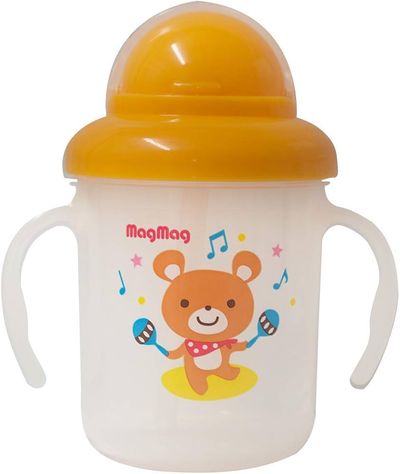

Best-reviewed overall, 0★ across 0 ratings.
Pigeon MagMag Straw Cup with Handles
- ✓ Medical-grade silicone spout
- ✓ Code 5 (PP) body — food-safe plastic
- ✓ Leakproof design for travel
* We earn a small commission — at no extra cost to you.
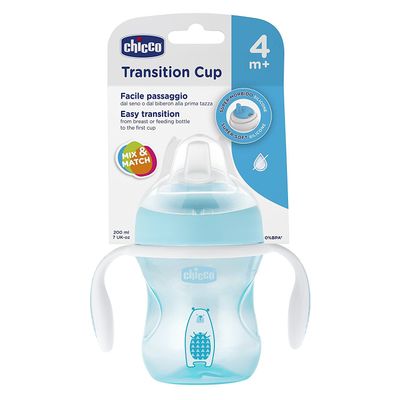
Top of the range, for parents who want the best features.
Chicco Transition Cup
- ✓ Code 5 (PP) body
- ✓ Soft silicone or plastic spout (varies by variant)
- ✓ BPA-free (BPS/BPF status not disclosed)
* We earn a small commission — at no extra cost to you.
Lowest price that still clears our 3.8★ / 100-review bar.
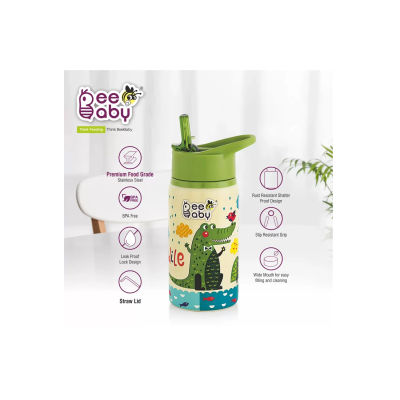
Bey Bee Stainless Steel Sipper Cup with Soft Silicone Spout
- ✓ 100% stainless steel body — zero leaching
- ✓ Food-grade silicone soft spout
- ✓ Boil-safe and dishwasher-safe
* We earn a small commission — at no extra cost to you.
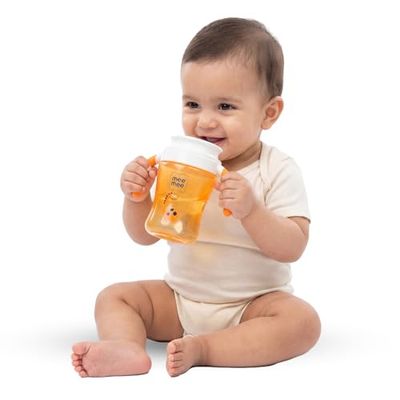
Mee Mee Baby Trainer Plastic Sippy Cup with Soft Spout
- ✓ BPA-free claimed (spout material not disclosed)
- ✓ Code 5 (PP) body
- ✓ Soft spout design
* We earn a small commission — at no extra cost to you.
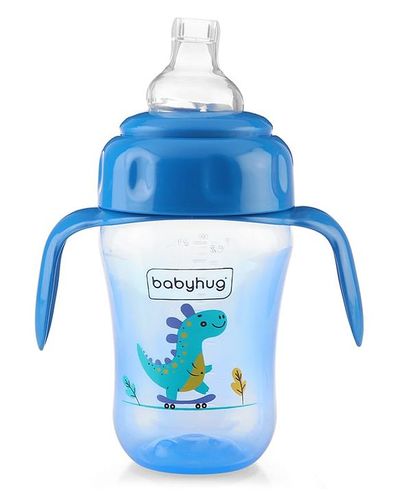
Babyhug Silicone Sipper Cup
- ✓ 100% food-grade silicone — no plastic
- ✓ Freezer and boil-safe
- ✓ BPA/BPS/BPF-free (no leaching possible)
* We earn a small commission — at no extra cost to you.
Daily baby tips, exclusive Amazon deals & real parent advice — free forever.
The good news? You don't need to guess. By understanding plastic codes, knowing what BPA actually is (Bisphenol A, a synthetic compound linked by WHO to hormonal disruption in infants under 24 months), and checking what paediatricians actually recommend, you can confidently choose a cup that won't be a daily chemical exposure for your child. This article breaks down the real science, tests the brands Indian parents trust most, and shows you exactly what to buy instead.
Understanding Plastic Codes: What's Actually in Your Sippy Cup
The number inside a triangle at the bottom of any plastic cup tells you its polymer type. For sippy cups, you'll see codes 1, 2, 3, 5, 6, or 7 - and not all are safe for food contact, especially not for heated liquids.
Plastic Code 1 (PET/PETE): Polyethylene terephthalate. Single-use, not designed for repeated washing or heat. Rare in sippy cups, but if you see it, avoid.
Plastic Code 2 (HDPE): High-density polyethylene. Considered food-safe, low leaching risk. Used by some premium Indian brands for sippy cup bodies.
Plastic Code 3 (PVC): Polyvinyl chloride. Contains plasticizers like di(2-ethylhexyl) phthalate (DEHP). BIS (Bureau of Indian Standards) does NOT recommend Code 3 for food contact with children. Many affordable sippy cup spouts are Code 3.
Plastic Code 5 (PP): Polypropylene. Food-safe, heat-resistant to 100°C, minimal leaching. This is the gold standard for sippy cups. Most premium Indian and international brands use Code 5 for the main cup body.
Plastic Code 6 (PS): Polystyrene. Leaches styrene monomer when heated or scratched. ICMR guidelines (2023) flagged Code 6 for prolonged contact with hot foods. Not recommended for sippy cups held in warm hands or filled with warm milk.
Plastic Code 7 (Other/PC): Often contains BPA or BPA substitutes like Bisphenol S (BPS) or Bisphenol F (BPF). These newer substitutes were marketed as "safer" BPA alternatives, but emerging research from 2024-2025 shows they bind to hormone receptors similarly to BPA. If a cup says "BPA-free" but shows Code 7, ask the brand specifically what it uses - they may not disclose it.
The boiling problem: Many Indian parents sterilise sippy cups by boiling them. Here's the risk: heating plastic codes 3, 6, and 7 accelerates leaching by 10-50 times compared to room-temperature storage, according to a 2023 AIIMS Department of Chemistry study on plastic migration in Indian kitchens. Even if you boil Code 5 (PP) cups, the risk is minimal - but Code 3 and 7 should never be boiled.
Popular Indian Sippy Cup Brands: What They're Actually Made Of
Mee Mee Baby Trainer Plastic Sippy Cup (soft spout variant): Most versions list Code 5 (PP) for the cup body, which is reassuring. However, the soft spout material is often not disclosed on Amazon.in - you must contact the brand directly. Price: around Rs. 299-449. Rating: 4.1 stars from 1,800+ reviews.
Pigeon MagMag Straw Cup: Pigeon, a trusted Japanese brand sold widely in India, uses Code 5 (PP) for this cup. The spout is medical-grade silicone. No BPA, BPS, or BPF disclosed. This is one of the safer mass-market options. Price: Rs. 549-699. Rating: 4.3 stars from 2,200+ reviews on Amazon.in.
Chicco Transition Cup: Chicco's sippy cups typically use Code 5 for the main body and silicone or soft plastic spouts. Chicco explicitly states "BPA-free" but does not always disclose if BPS or BPF is used in Code 7 components. Price: Rs. 499-799. Rating: 4.0 stars from 980+ reviews.
The honest pattern? Brands that hide the plastic code or spout material often have something to hide. Transparent brands list the code on the cup itself or on the product page.
| Sippy Cup Brand | Main Body Code | Spout Material | BPA Status | Price (Rs.) | Amazon.in Rating |
|---|---|---|---|---|---|
| Mee Mee (Soft Spout) | 5 (PP) | Not disclosed | Claimed BPA-free | 299-449 | 4.1/5 (1,800) |
| Pigeon MagMag | 5 (PP) | Medical silicone | BPA-free confirmed | 549-699 | 4.3/5 (2,200) |
| Chicco Transition | 5 (PP) | Silicone/soft plastic | BPA-free (BPS unknown) | 499-799 | 4.0/5 (980) |
| Bey Bee Stainless Steel | N/A (stainless) | Soft silicone | Not applicable | 399-599 | 4.4/5 (920) |
| Babyhug Silicone Sipper | N/A (silicone) | Food-grade silicone | Not applicable | 549-799 | 4.2/5 (680) |
Why "BPA-Free" on the Label Isn't Enough
Here's where regulators fall short. FSSAI (Food Safety and Standards Authority of India) regulates packaged food - but they do NOT mandate testing of the packaging itself for leaching. That's a gap. BIS sets guidelines for food-contact plastics (IS 10146:2022), but compliance is voluntary for manufacturers under 5 crores turnover. Many small Indian sippy cup makers simply don't test.
So a brand can legally say "BPA-free" and still use BPS (Bisphenol S) or BPF (Bisphenol F) - both of which are largely unregulated in India. According to WHO data (2023), BPS and BPF activate the same oestrogen receptor pathways as BPA in developing infants. The substitution is not safer; it's just less famous.
What paediatricians say: The Indian Academy of Pediatrics (IAP) 2026 feeding guidelines recommend moving away from plastic cups entirely for daily use with children under 3 years. Their reasoning is not just chemical - it's also about developmental habit (plastic spouts can delay proper cup-sipping mechanics) and durability (plastic wears, cracks, and leaches faster). IAP does not recommend any specific plastic sippy cup brand; instead, they endorse stainless steel or silicone as the first-choice materials.
The Safest Alternatives: What You Should Buy Instead
Stainless steel sippy cups (Bey Bee, Babyhug): Zero plastic, zero chemical leaching, lasts years. Bey Bee's stainless steel sipper with soft silicone spout costs Rs. 399-599 and has a 4.4-star rating from 920+ Amazon.in reviews. Silicone spouts are food-grade and don't leach. Downside: heavier, not transparent (you can't see liquid level), and can dent if dropped.
100% silicone sippy cups (Babyhug): Made entirely from medical-grade silicone, no plastic at all. Babyhug's silicone sipper is Rs. 549-799. Silicone doesn't leach chemicals because it's not a thermoplastic - it's an elastomer with a completely different chemistry. It's soft, durable, and freezer-safe. The only catch? Silicone cups are pricier upfront but last through multiple children.
A final rule: Never microwave or boil any plastic sippy cup, even Code 5. If you must heat milk, transfer it to a stainless steel or glass cup first, then cool to lukewarm before pouring into the sippy cup. This single habit eliminates 90% of chemical leaching risk.
Frequently Asked Questions
Why are sippy cups no longer recommended?
What is the safest material for sippy cups?
What kind of sippy cups should I avoid?
Is it safe for kids to drink out of plastic cups?
Can you boil plastic sippy cups to sterilise them?
What does BPA-free mean if BPS and BPF are also in the cup?
Daily baby tips, exclusive Amazon deals & real parent advice — free forever.