
Sippy Cup vs Straw Cup vs Open Cup: Which to Choose at Each Age
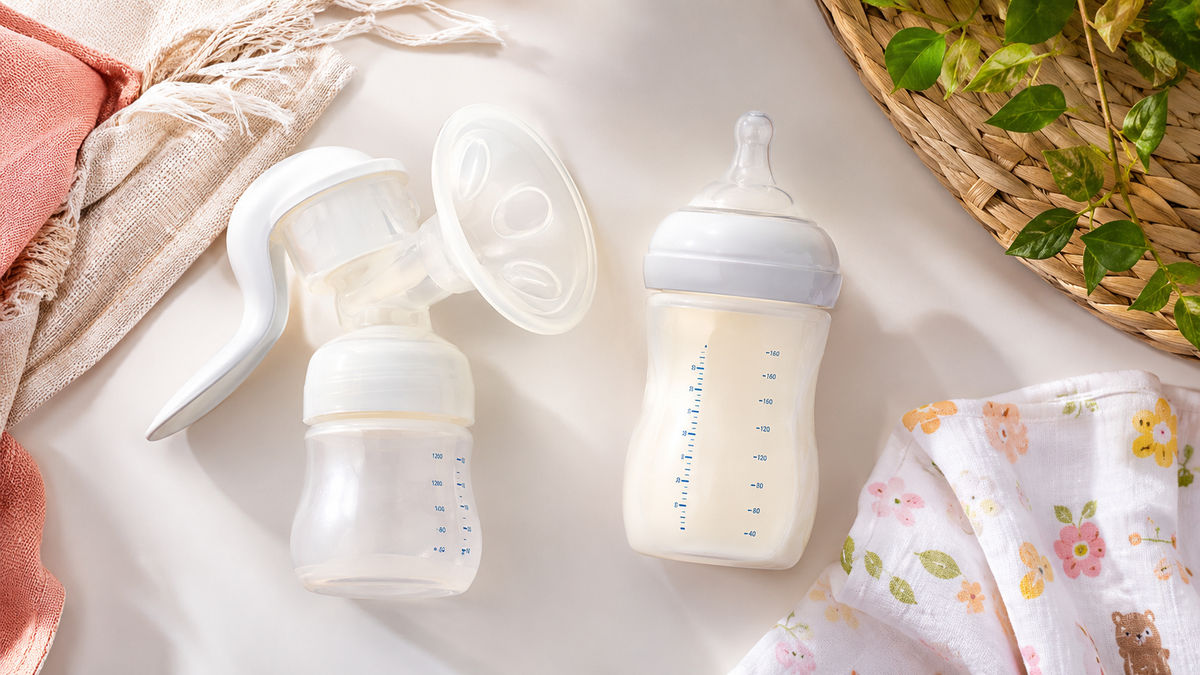
Start with an open cup at 6 months for practice (pediatrician gold standard), introduce straw cups at 9 months to build oral motor skills, and use sippy cups as a transition tool—but phase them out by 18 months to protect developing teeth. Choose based on your baby's age, setting (home vs travel), and cleaning tolerance.
ℹ️ General information, not medical advice. If your baby seems unwell or anything worries you, talk to your paediatrician. Medical disclaimer
⚡ In a hurry? Our quick picks

Choosing the right drinking cup for your baby feels like a small decision until you're standing in a shop with five options, none of which are spill-proof, easy to clean, and actually recommended by your paediatrician. First-time parents hear conflicting advice: one grandparent swears by sipper bottles, your pediatrician mentions open cups, and Facebook groups debate straw cups endlessly. The truth is simpler than it sounds. Each cup type serves a different stage and purpose—and knowing when to use which one removes the guilt and guesswork.
🏆 Quick comparison: our top picks
| Product | Award | Rating | Price | |
|---|---|---|---|---|
 Pigeon Mag-Mag Straw Cup Pigeon Mag-Mag Straw Cup
|
🏆 Editor's Choice | ★ 4.0 1,203 reviews |
₹349 | Check price → |
 Cello Homeware Sippy Cup with Spout Cello Homeware Sippy Cup with Spout
|
💰 Best Value | ★ 3.9 742 reviews |
₹198 | Check price → |
 Dr. Brown's Milestones Straw Cup Dr. Brown's Milestones Straw Cup
|
👑 Premium Pick | ★ 4.1 521 reviews |
₹1,519 | Check price → |
 Tupperware Mini Snack Cup (Set of 3) Tupperware Mini Snack Cup (Set of 3)
|
🪙 Budget Pick | ★ 4.3 654 reviews |
₹325 | Check price → |
 Philips Avent Natural Drinking Cup (Pack of 2) Philips Avent Natural Drinking Cup (Pack of 2)
|
★ 4.2 856 reviews |
₹749 | Check price → |
🛒 Our Top Picks
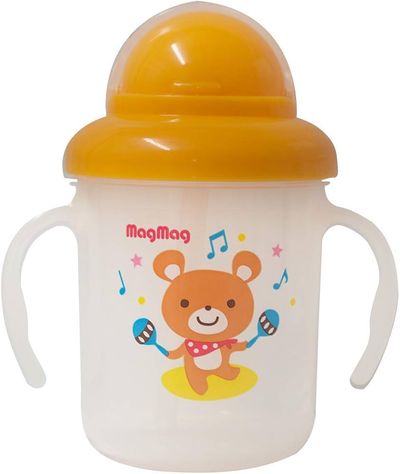

Best-reviewed overall, 4★ across 1,203 ratings.
Pigeon Mag-Mag Straw Cup
- ✓ Straw cup with anti-bacterial valve
- ✓ Removable straw for easy cleaning
- ✓ 9+ months
* We earn a small commission — at no extra cost to you.

Top rating for the price, 3.9★ at ₹198.
Cello Homeware Sippy Cup with Spout
- ✓ Sippy cup with leak-proof valve
- ✓ BPA-free plastic
- ✓ 9–18 months recommended phase-out age
* We earn a small commission — at no extra cost to you.
Top of the range, for parents who want the best features.
Dr. Brown's Milestones Straw Cup
- ✓ Weighted straw cup design
- ✓ Anti-spill valve
- ✓ Soft, flexible straw
* We earn a small commission — at no extra cost to you.
Lowest price that still clears our 3.8★ / 100-review bar.
Tupperware Mini Snack Cup (Set of 3)
- ✓ Open cup design
- ✓ Lightweight polycarbonate
- ✓ Multiple sizes (150 ml, 200 ml)
* We earn a small commission — at no extra cost to you.
Philips Avent Natural Drinking Cup (Pack of 2)
- ✓ Open cup design
- ✓ BPA-free plastic
- ✓ Soft handles for 6+ months
* We earn a small commission — at no extra cost to you.
Daily baby tips, exclusive Amazon deals & real parent advice — free forever.
Over the next few weeks and months, you'll transition your baby through three main cup types. Understanding what each does well, where it falls short, and when to introduce it will help you make the right choice without overthinking every purchase.
The Three Cup Types: At a Glance
Open Cup: A small, regular cup with no lid or valve. Water or milk sits inside, and your baby drinks by tilting it to their lips—the same way adults drink. Straw Cup: A cup with a straw inserted through a fitted lid, requiring your baby to suck to pull liquid up. Sippy Cup: A spill-proof cup with a valve-fitted spout or lid, designed so liquid only comes out when your baby applies pressure or sucks.
Here is how they compare at a glance:
| Cup Type | Best Age to Start | Biggest Advantage | Biggest Drawback | Best For |
|---|---|---|---|---|
| Open Cup | 6 months | Mimics adult drinking; develops swallowing properly | Messy; needs supervision | Home practice; building skills |
| Straw Cup | 9 months | Builds oral motor strength; less mess than open | Straws trap milk residue; harder to clean | Transition phase; travel when mess is manageable |
| Sippy Cup | 9-12 months | Spill-proof; easy one-handed use; portable | Valve design slows drinking; can affect tooth alignment if used past 18m | Travel; car journeys; temporary phase only |
Open Cup: Why Paediatricians Say It's the Gold Standard
Paediatricians, including those following Indian Academy of Pediatrics guidelines, recommend introducing an open cup from 6 months as part of learning solid feeding skills. An open cup teaches your baby the natural swallowing reflex—the same mechanism they'll use for food and water their entire lives. There's no valve, no intermediary tool; just your baby learning to coordinate lips, tongue, and throat the way humans are designed to do.
Why it matters: When a baby drinks from an open cup, they learn to tilt their head, control the flow with their lips, and swallow naturally. This builds the oral motor skills needed for speech, eating solid food, and eventually independent feeding. The IAP emphasizes that early practice with everyday objects—including cups—supports normal development.
The reality in Indian homes: Yes, it's messy. Your baby will spill more water than they drink. Cloth will be soaked. But a few tablespoons of water at home is worth the developmental benefit. The mess phase lasts a few weeks; the skills last a lifetime. Start with a small, lightweight open cup (many come in sets at budget prices) and use it at breakfast or lunch when mess is containable.
Pro tip: Supervise closely and let your baby hold the cup themselves, even if they're not yet steady. Spillage is part of learning. Some parents use a wipeable mat or tray underneath to catch drips and make cleanup faster.
Straw Cups: Building Strength and Reducing Mess
Around 9 months, when your baby has practiced open-cup drinking for a few weeks, introduce a straw cup. Drinking from a straw requires active suction and lip pressure—different muscles than open-cup drinking—and builds oral motor strength useful for speech and eating textured food.
Why introduce it: Straw cups sit between open cups and sippy cups developmentally. They're less spill-prone than open cups but avoid the valve design of sippies, meaning liquid flows more naturally when your baby sucks. This keeps the drinking action closer to how an adult drinks and doesn't slow the flow the way a valve does.
The cleaning challenge: This is the real trade-off. Straws trap milk inside, and if not cleaned immediately and thoroughly, they develop a sour smell and stubborn residue. If you're already stretched for time, straw cups can feel like one more task. Many parents keep a thin bottle brush or straw cleaner (usually available online for Rs. 150–300) to manage this. Some prefer to use straws only on weekends when there's more time to clean.
Travel-friendly middle ground: If you're moving between home and childcare, or traveling with your baby, a straw cup is a practical compromise. It contains spills better than an open cup but avoids the prolonged valve-suction action of a sippy.
Sippy Cups: Convenience with a Timeline
Sippy cups are beloved by parents because they're spill-proof, portable, and independent—your 12-month-old can hold it themselves without constant supervision. They fit in a bag, don't leak during a car journey, and are ideal for travel between cities or during long days out.
The dental concern: Here's where pediatricians put a timeline on sippy use. If a child continues drinking from a valve-fitted sippy cup past 18 months—especially when sipping frequently throughout the day or at night with milk or juice—the constant suction can affect tooth alignment and enamel development. The spout-valve design means your baby's teeth are always bathed in liquid, and the angle of suction can shift baby teeth over time.
Why this matters: Baby teeth guide the path of adult teeth. Prolonged sippy-cup use can contribute to misalignment that affects how permanent teeth come in. This is not to say a few sips from a sippy is harmful—it's the prolonged, frequent, daily use that raises concerns, especially past 18 months when you should be transitioning away.
The practical use: Sippy cups are excellent for specific situations: travel, car trips, mealtimes when spills are a problem. Use them strategically, not as a default all-day cup. Once your baby is comfortable with a straw or open cup at home, save the sippy for outings and specific high-risk moments.
Age-by-Age Progression: When to Introduce Each Cup
6 to 8 months: Start with an open cup, 2–3 times a week, at mealtimes. Use small quantities of water (2–3 tablespoons) and expect spills. Your role is to hold the cup or guide it while your baby learns to bring it to their mouth. This is practice, not primary hydration—breast milk or formula is still the main source.
9 to 11 months: Introduce a straw cup alongside continued open-cup practice. Offer the straw cup during 1–2 meals per week to let your baby get used to the suction sensation. Open cup remains the primary practice tool. Your baby may not suck from a straw immediately; some take a few weeks to figure it out, and that's normal.
12 to 18 months: Your baby can now use a sippy cup for convenience in specific settings (outings, car trips). Continue open-cup practice at least once daily at home. Introduce a regular cup (similar to a small adult cup) for supervised sips at mealtimes. Gradually reduce sippy-cup use as your child approaches 18 months.
18 months and beyond: Phase out the sippy cup almost entirely. Move to open cups and straw cups for daily use. If you do keep a sippy for travel, reserve it for short, occasional use and avoid it at night.
Handling Common Challenges at Home
My baby refuses the cup: This is normal. Some babies take 2–3 weeks to show interest. Offer it without pressure, and let them see you drinking from an open cup. Imitation is powerful at this age. Never force a cup into a baby's mouth.
Water leaks from a straw cup: Check the lid seal and ensure the straw is fitted correctly. After each use, empty excess water and allow it to dry. If it continues leaking, the seal may be worn; these are inexpensive to replace.
My baby throws the cup: At 9–12 months, dropping and throwing are normal exploration, not defiance. Offer the cup at mealtimes when your baby is seated and focused, not during floor play. Use unbreakable cups (plastic or silicone) and stay patient.
Cleaning is overwhelming: Limit yourself to one type of cup for daily home use (open cup) and save sippy or straw cups for outings. You don't need every type at once. Start simple and add options as your baby develops.
What IAP and WHO Guidance Says
- IAP (Indian Academy of Pediatrics): Introduction of water and other drinks in open cups is recommended from 6 months alongside complementary foods, supporting oral development and preparing for family-style eating.
- WHO: Infants 6–8 months benefit from learning cup drinking as part of early childhood development, with emphasis on supervised, structured mealtimes rather than ad-lib sipping throughout the day.
When to See a Doctor
If your baby shows signs of difficulty swallowing, refusal to drink from any cup type over several weeks, or if you notice signs of tongue-tie or oral discomfort, mention it at your next pediatric visit. Persistent drooling or choking during attempts to drink may warrant a speech or feeding assessment. This is general information, not medical advice.
The cup journey isn't about perfection or speed. Some babies take to open cups immediately; others need a few months of practice. Some sail through the transition; others dawdle. Every baby's timeline is their own. By understanding what each cup does and when it serves your baby's developmental stage, you're already several steps ahead. Start with an open cup at 6 months, add a straw cup at 9 months, use a sippy strategically for travel or convenience—and by 18 months, you'll have a child who drinks from a cup like any other family member. That's the real goal.
📚 Sources
The guidance in this article draws on the sources below. It is general information, not medical advice: for any concern about your child's health, talk to your paediatrician.
- Indian Academy of Pediatrics – Complementary Feeding Guidelines — Supports introduction of water and cup drinking from 6 months as part of early childhood development
- WHO – Infant and Young Child Feeding Recommendations — Emphasizes cup drinking as part of structured introduction to complementary feeding and oral motor development
Last updated 14 Oct 2026
Frequently Asked Questions
Which is better for babies, a sippy cup or a straw cup?
What is the best baby sipper in India?
Do babies use a sippy cup or straw first?
Do pediatricians recommend sippy cups?
At what age should I introduce an open cup to my baby?
How do I clean straw cups to avoid milk smell and residue?
Daily baby tips, exclusive Amazon deals & real parent advice — free forever.