
Multi-Grain vs Single-Grain Baby Food: Which Is Better for Your Little One?
Sponsored by Rorosaur · also contains affiliate links
⚡ In a hurry? Our quick picks


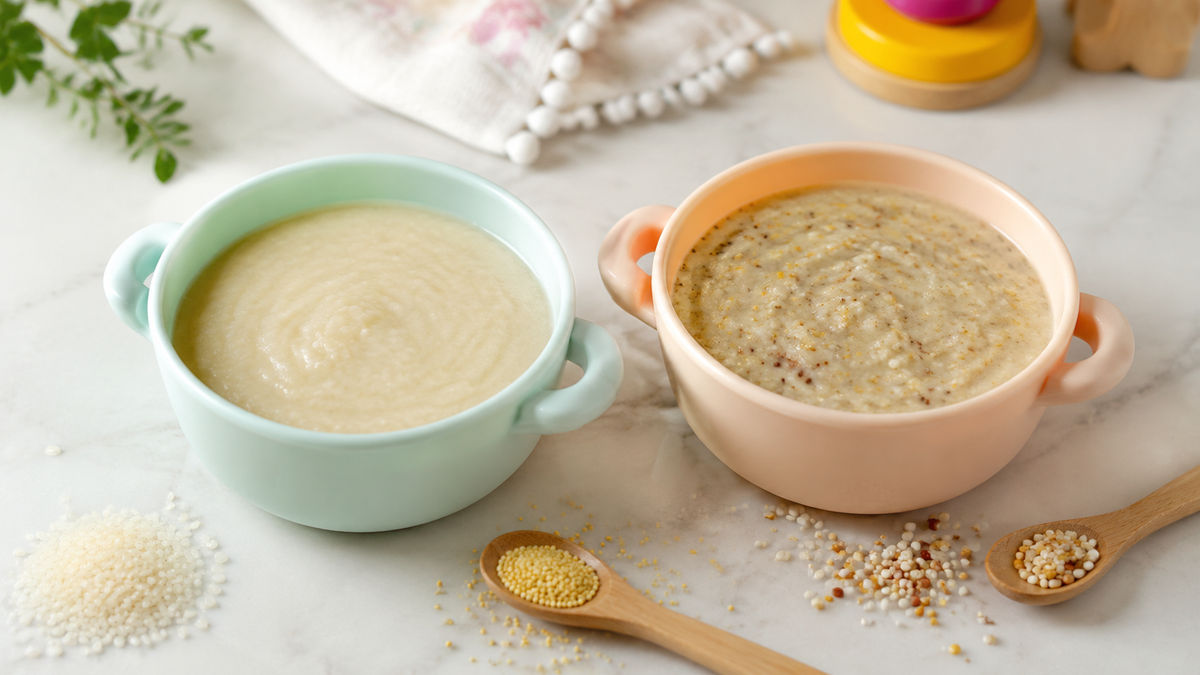
Short answer: single grains are perfect for starting out and spotting any reactions, while multi-grain meals give more balanced nutrition once your baby is used to a few foods. Most babies do best moving from one to the other, so it is less a question of which is better and more a question of when.
When single-grain wins
- The first weeks of solids, when you are introducing foods one at a time.
🛒 Our Top Picks
Best-reviewed overall, 0★ across 0 ratings.
Rorosaur Grain Puree Combo
- ✓ No added sugar, salt or preservatives
- ✓ Multiple ingredients, thoroughly cooked
- ✓ Retort-packed - long shelf life, no fridge
* We earn a small commission — at no extra cost to you.
Rorosaur Spinachy Grain
- ✓ No added sugar, salt or preservatives
- ✓ Multiple ingredients, thoroughly cooked
- ✓ Retort-packed - long shelf life, no fridge
* We earn a small commission — at no extra cost to you.
Rorosaur Millety Pumpkin
- ✓ No added sugar, salt or preservatives
- ✓ Multiple ingredients, thoroughly cooked
- ✓ Retort-packed - long shelf life, no fridge
* We earn a small commission — at no extra cost to you.
Daily baby tips, exclusive Amazon deals & real parent advice — free forever.
Single-flavour porridges make this stage easy, letting you offer one clean grain, watch for a couple of days, and move on with confidence.
When multi-grain is better, and what it actually fixes
Once your baby has comfortably tried a few single grains, a blend does two specific things a single grain cannot. First, it fills amino acid gaps: grains alone tend to run a little short on the amino acid lysine, while pairing with a lentil covers that gap, which is why a grain-and-lentil blend is more nutritionally complete than either alone. Second, it spreads the digestive work across a gentler combination rather than asking a baby's system to break down one dense grain by itself, which is often why a blend can feel lighter on the tummy. A well-made multi-grain option is simply a convenient way to get both of these benefits in one thoroughly-cooked meal, which is the idea behind blends like the Rorosaur Grain Puree Combo, while singles like Rorosaur Spinachy Grain and Rorosaur Millety Pumpkin cover the earlier one-at-a-time stage.
| Single-grain | Multi-grain | |
|---|---|---|
| Best for | Starting solids, tracking reactions | Once a few grains are tolerated |
| Amino acid profile | Limited to that grain alone | Broader when paired with a lentil |
| Digestive load | Simple, easy to predict | Can feel gentler when blended thoughtfully |
| Convenience | Requires separate cooking per grain | One meal covers more nutritional ground |
A practical transition, week by week
A sensible path looks something like this: spend the first two to three weeks on single grains, one at a time, waiting a couple of days between each. Once your baby has tried three or four grains without any issue, introduce a simple two-grain combination and watch for a few days as you would with anything new, even though both individual grains are already familiar. From there, moving to a fuller multi-grain blend is usually straightforward, since your baby's system has already met each ingredient individually. This gradual approach means that by the time a multi-grain meal appears, nothing in the bowl is genuinely new to your baby's body, only the combination is.
Is more variety at once ever too much?
It is a fair question, and the honest answer is that variety itself is rarely the problem, the pace at which it is introduced is what matters. Offering four completely new ingredients in a single new blend, before any of them have been tried individually, makes it hard to identify a cause if something does not agree with your baby, and can occasionally overwhelm a very young palate that is still learning to accept new tastes at all. This is why the order matters more than the variety itself, once each ingredient is individually familiar, combining them is a natural next step rather than a risk.
The convenience side of multi-grain
There is also a simple practical benefit worth naming. Cooking three separate single-grain porridges at home, each requiring its own pot and its own cooking time, is considerably more effort than preparing one well-balanced multi-grain meal. Once your baby has cleared the single-grain introduction stage, a good multi-grain option, whether home-cooked or a thoroughly-cooked ready-made blend, saves real time without asking you to compromise on what goes into the bowl.
The simple rule: start single, then blend
Introduce each new grain on its own, wait a couple of days, and once your baby is happy with a handful of them, multi-grain meals become an easy way to keep variety and balance without cooking three things at once. There is no rush, and no single "right" pace, just your baby's comfort as your guide.
What to look for either way
Single or multi-grain, the basics do not change: a short, honest ingredient list, real grains cooked thoroughly, and no added sugar, salt or preservatives. Check with your pediatrician about any allergy concerns, and let your baby's appetite and comfort tell you when it is time to move from one grain to many.
Frequently Asked Questions
Is multi-grain baby food better than single-grain?
When can I give my baby multi-grain food?
Why mix grains with lentils or vegetables?
Daily baby tips, exclusive Amazon deals & real parent advice — free forever.