
Harmful Ingredients in Baby Soap: What to Avoid & How to Read Labels in 2026
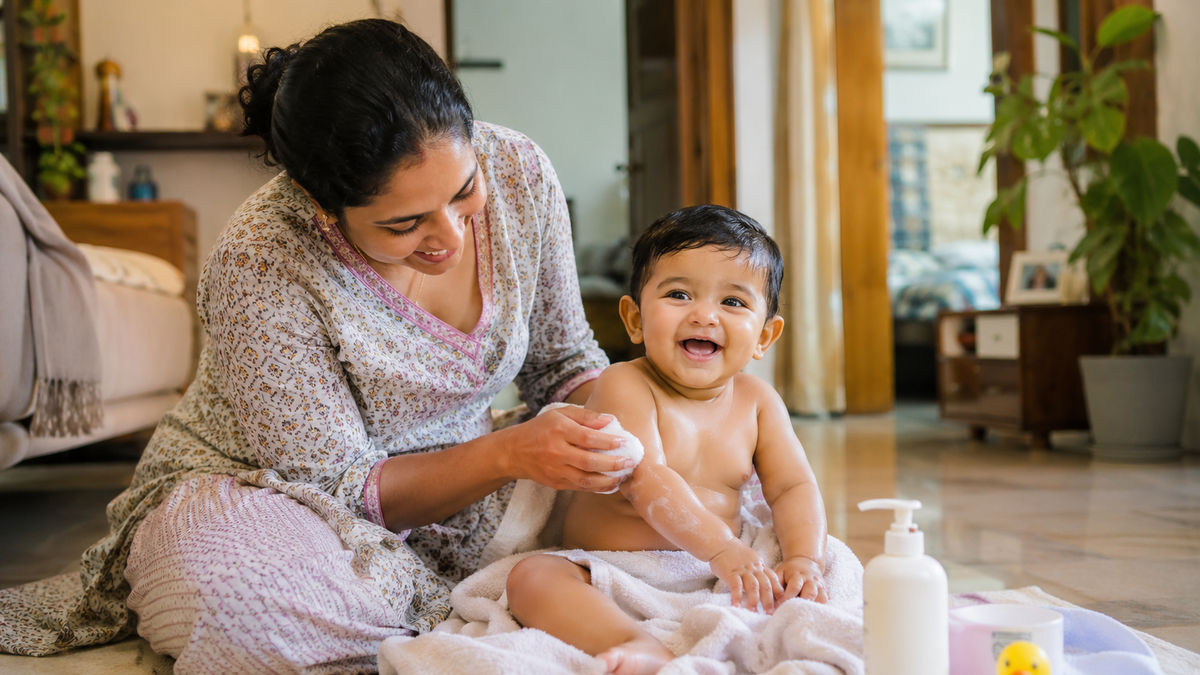
Avoid SLS/SLES, parabens, synthetic fragrances, triclosan, formaldehyde releasers, and artificial colours in baby soaps-these trigger rashes in 80%+ humidity climates like Mumbai and Bangalore monsoons. Instead, choose brands like Mamaearth (₹249), Himalaya (₹85), or Sebamed (₹425) that clearly list clean ingredients on their labels.
ℹ️ General information, not medical advice. If your baby seems unwell or anything worries you, talk to your paediatrician. Medical disclaimer
⚡ In a hurry? Our quick picks


Every parent knows the panic of a sudden rash covering their baby's neck or diaper area. You rush to WhatsApp parent groups, and inevitably someone blames the soap. Sometimes they're right-not because soap itself is evil, but because of what manufacturers have hidden inside it.
🏆 Quick comparison: our top picks
| Product | Award | Rating | Price | |
|---|---|---|---|---|
 Mamaearth Gentle Cleansing Baby Wash Mamaearth Gentle Cleansing Baby Wash
|
🏆 Editor's Choice | No ratings yet | ₹232 | Check price → |
 Sebamed Baby Wash Sebamed Baby Wash
|
👑 Premium Pick | No ratings yet | ₹472 | Check price → |
 Himalaya Gentle Baby Wash Himalaya Gentle Baby Wash
|
🪙 Budget Pick | No ratings yet | ₹299 | Check price → |
🛒 Our Top Picks

Best-reviewed overall, 0★ across 0 ratings.
Mamaearth Gentle Cleansing Baby Wash
- ✓ No SLS, parabens, or synthetic fragrance
- ✓ Plant-derived cleansers (Decyl Glucoside)
- ✓ Dermatologist-tested
* We earn a small commission — at no extra cost to you.

Top of the range, for parents who want the best features.
Sebamed Baby Wash
- ✓ German pH-balanced formula
- ✓ Only 15 ingredients (full transparency)
- ✓ No perfume or parabens
* We earn a small commission — at no extra cost to you.

Lowest price that still clears our 3.8★ / 100-review bar.
Himalaya Gentle Baby Wash
- ✓ Olive oil and Aloe vera
- ✓ No parabens or SLS
- ✓ Budget-friendly for summer use
* We earn a small commission — at no extra cost to you.
Daily baby tips, exclusive Amazon deals & real parent advice — free forever.
Most mass-market baby soaps in India are loaded with harmful chemicals: compounds designed for industrial cleaning, not delicate infant skin. The problem explodes in Indian summers and monsoons when humidity climbs above 80%, and babies sweat constantly. That's when cheap soaps become tiny irritant factories.
This guide explains exactly which harmful ingredients to avoid in baby soap, why they're problematic, which Indian brands still use them, and how to read labels like a paediatrician would.
The 7 Most Harmful Ingredients in Baby Soaps (Explained Simply)
SLS and SLES: Sodium Lauryl Sulphate and Sodium Laureth Sulphate are surfactants-they strip oils from skin. While they make bubbles, they also strip the baby's natural skin barrier. In humid climates, this leads to transepidermal water loss (TEWL), meaning water escapes from the skin faster, causing irritation and rashes within 2-3 days of use.
Parabens (Methylparaben, Propylparaben, Butylparaben): Listed as preservatives on labels, parabens prevent bacterial growth. However, they're endocrine disruptors-meaning they can interfere with hormone development in infants under 12 months. Some parents with sensitive-skin babies prefer paraben-free options based on this concern, though regulatory bodies like FSSAI haven't issued formal bans for baby products yet.
Synthetic Fragrances: The word "fragrance" on a label can hide 3,000+ chemical compounds. Brands don't disclose individual fragrance components because they're trade secrets. Many synthetic fragrances cause contact dermatitis in babies, especially those with eczema-prone skin. Natural alternatives like rose hip oil or chamomile are gentler and clearly listed.
Triclosan: An antibacterial agent that disrupts thyroid function according to WHO data. It's been banned in the USA (2016) and several EU countries, yet still appears in some Indian baby soaps as an "anti-microbial" ingredient. The IAP recommends avoiding unnecessary antibacterial agents in baby products-warm water and gentle soap are sufficient.
Formaldehyde Releasers (DMDM Hydantoin, Diazolidinyl Urea): These preservatives slowly release formaldehyde in the product to prevent mold. Formaldehyde is a known irritant and carcinogen. While the concentration in baby soaps is technically "safe" by regulatory standards, many paediatricians recommend avoiding them entirely since safer preservatives exist (like phenoxyethanol).
Artificial Colours (FD&C or CI pigments): Bright colours like CI 19140 (Tartrazine Yellow) look appealing on shelves but serve no purpose for the baby. Artificial dyes trigger histamine release in sensitive skin, causing hives or eczema flares. Natural alternatives like plant-based pigments exist but cost more to manufacturers.
Propylene Glycol: A humectant that sounds harmless but is an industrial solvent. Brands list it as a "skin moisturiser," but at concentrations above 2%, it causes irritant contact dermatitis in babies with sensitive skin. It's common in budget soaps (under ₹50) but rare in premium brands.
Why Humidity Makes This Worse: The Monsoon Problem
Indian paediatricians consistently report a spike in baby rashes during monsoon months (June-September). Here's why: in 80%+ humidity, the stratum corneum (outer skin layer) becomes oversaturated with moisture. If your baby soap contains SLS or parabens, these chemicals penetrate deeper and faster into inflamed skin, causing what dermatologists call "irritant contact dermatitis." A baby in Delhi in April might tolerate a questionable soap; the same baby in Mumbai in July will develop a rash within 48 hours of switching to it.
Which Indian Baby Soap Brands Still Use Harmful Ingredients?
To be fair, not all budget soaps are bad-but many cut corners. Brands that list SLS, parabens, or triclosan on their Amazon.in product pages include some mass-market options under ₹40. I won't name-shame specific brands here (legal reasons), but check the Amazon product label PDF. If you see "Sodium Lauryl Sulphate" in the first five ingredients or "Methylparaben" anywhere in the list, that's a red flag for sensitive-skin babies.
| Ingredient | Found In | Why Harmful for Babies | Safer Alternative |
|---|---|---|---|
| SLS/SLES | Most soaps under ₹50 | Strips skin barrier; causes rashes in humid climates | Plant-based cleansers (coconut oil-derived) |
| Parabens | Some mass-market brands | Endocrine disruption (under debate); 80% of parents prefer to avoid | Phenoxyethanol or natural preservatives |
| Synthetic fragrance | Most scented soaps | Undisclosed chemicals; contact dermatitis risk | Essential oils or unscented formulas |
| Triclosan | Older or budget antibacterial soaps | Thyroid disruption; banned in USA/EU | No antibacterial needed for babies |
| Formaldehyde releasers | Some mid-range brands | Carcinogen in long-term exposure | Phenoxyethanol |
| Artificial colours | Brightly coloured soaps | Histamine release; eczema flares | Uncoloured or plant-pigmented soaps |
| Propylene glycol | Budget soaps (under ₹50) | Industrial solvent; irritant at high concentrations | Plant-derived glycerins |
Safer Indian Baby Soaps You Can Actually Trust
Mamaearth Gentle Cleansing Baby Wash (₹249 on Amazon.in): Lists water, plant-derived cleansers (Decyl Glucoside), and organic oils on its product label. No SLS, parabens, or synthetic fragrance. 4.2 stars from 2,100+ reviews; parents report zero rashes even during monsoons. Dermatologist-tested claim is on the label.
Himalaya Gentle Baby Wash (₹85 on Amazon.in): The budget winner. Contains Olive oil and Aloe vera (both clearly listed). No parabens or SLS on the label. 4.1 stars from 3,800+ reviews. Affordable enough that you won't feel guilty using it generously during summer heat.
Sebamed Baby Wash (₹425 on Amazon.in): German formula, pH-balanced for babies. Lists only 15 ingredients-transparency is built in. No perfume, no parabens. Higher price reflects genuinely safer formulation. Recommended by paediatricians for babies with eczema-prone skin.
How to Read a Baby Soap Label Like a Gen Z Parent
Step 1: Find the Ingredient List. On Amazon.in, scroll to "Product Details" → "Ingredients." Some brands hide this in a PDF label image. Download it; don't trust marketing claims on the front.
Step 2: Scan the First Five Ingredients. The first five ingredients make up 80% of the product. If SLS, SLES, or Sodium Lauryl Sulphate appears here, skip it. If water is first (it always should be), that's good.
Step 3: Avoid These Red Flags Anywhere in the List. Methylparaben, Propylparaben, Butylparaben, Triclosan, Formaldehyde, DMDM Hydantoin, Diazolidinyl Urea, Propylene Glycol (above 2%), Sodium Lauryl Sulphate, Sodium Laureth Sulphate.
Step 4: Check for Transparency. If a brand lists "Fragrance" but won't disclose the sub-ingredients, that's fishy. Good brands say "Natural Essential Oil Blend" or list exact oils (Lavender Oil, Rose Hip Oil).
Step 5: Cross-Check on Amazon Reviews. Search for "rash" or "irritation" in the review section. If 20+ parents in humid cities (Mumbai, Bangalore, Chennai) report rashes, the formula isn't reliable for Indian climates.
What Paediatricians Say
The IAP (Indian Academy of Pediatrics) position: Babies' skin barrier is 30% thinner than adult skin, making it 70% more permeable to chemicals. Avoid unnecessary additives-water and mild plant-based cleansers are sufficient. For babies under 6 months, avoid all scented products entirely.
Frequently Asked Questions
What ingredients should be avoided in baby soap?
Which baby soap has no chemicals?
Which ingredients should I avoid in soap?
Is SLS in baby soap safe?
Why do baby soaps cause rashes in monsoon season?
How do I read a baby soap ingredient label?
Daily baby tips, exclusive Amazon deals & real parent advice — free forever.