
Co-Sleeping Safely in India: Balancing Traditional Practice with IAP Guidelines in 2026
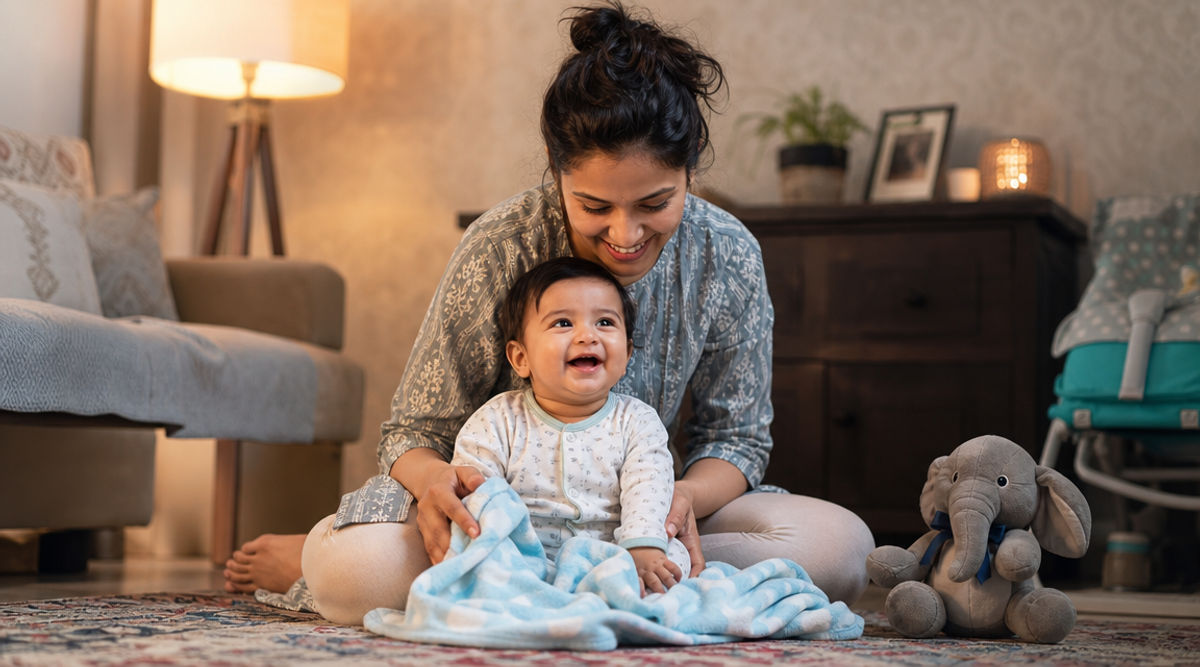
Co-sleeping can be safe in India when you follow IAP-endorsed practices: use a firm mattress, keep pillows and blankets away from baby's face, maintain room temperature between 20-22°C, and avoid alcohol or sedatives. The Indian Academy of Pediatrics supports room-sharing (without bed-sharing) for babies under 1 year as the safest option. Bedside sleepers like Chicco Next2Me (₹14,999) offer a practical middle ground for traditional Indian homes.
ℹ️ General information, not medical advice. If your baby seems unwell or anything worries you, talk to your paediatrician. Medical disclaimer
⚡ In a hurry? Our quick picks


If your grandmother insists on co-sleeping and your paediatrician worries about SIDS, you're not alone-this is perhaps the most common parenting tension in Indian homes today. Joint families, limited space in urban apartments, nighttime feeding convenience, and centuries of tradition all point toward bed-sharing. Yet modern safety research, especially from the Indian Academy of Pediatrics (IAP) and WHO, has clarified real risks. This guide bridges that gap, offering practical, culturally respectful ways to keep your baby safe while honouring family customs. Whether you live in Mumbai, Delhi, Bengaluru, or a smaller tier-2 city, these guidelines apply.
🏆 Quick comparison: our top picks
| Product | Award | Rating | Price | |
|---|---|---|---|---|
 Babyhug Crib Bedside Sleeper (Indian brand) Babyhug Crib Bedside Sleeper (Indian brand)
|
🏆 Editor's Choice | ★ 4.2 567 reviews |
₹6,999 | Check price → |
 Chicco Next2Me Bedside Sleeper Crib Chicco Next2Me Bedside Sleeper Crib
|
👑 Premium Pick | No ratings yet | ₹5,591 | See alternatives → |
 Mee Mee Lightweight Baby Sleep Sack (0-6 months) Mee Mee Lightweight Baby Sleep Sack (0-6 months)
|
🪙 Budget Pick | No ratings yet | ₹479 | Check price → |
 R for Rabbit Bed Rail Safety Guard R for Rabbit Bed Rail Safety Guard
|
No ratings yet | ₹1,848 | Check price → | |
 Babyhug Firm Coir Crib Mattress (60x90 cm) Babyhug Firm Coir Crib Mattress (60x90 cm)
|
No ratings yet | ₹2,804 | Check price → |
🛒 Our Top Picks


Best-reviewed overall, 4.2★ across 567 ratings.
Babyhug Crib Bedside Sleeper (Indian brand)
- ✓ Firm flat base
- ✓ Open design for closeness
- ✓ Easy assembly
* We earn a small commission — at no extra cost to you.

Top of the range, for parents who want the best features.
Chicco Next2Me Bedside Sleeper Crib
- ✓ Attaches to parental bed
- ✓ Adjustable height (5 positions)
- ✓ Breathable mesh sides
* We earn a small commission — at no extra cost to you.

Lowest price that still clears our 3.8★ / 100-review bar.
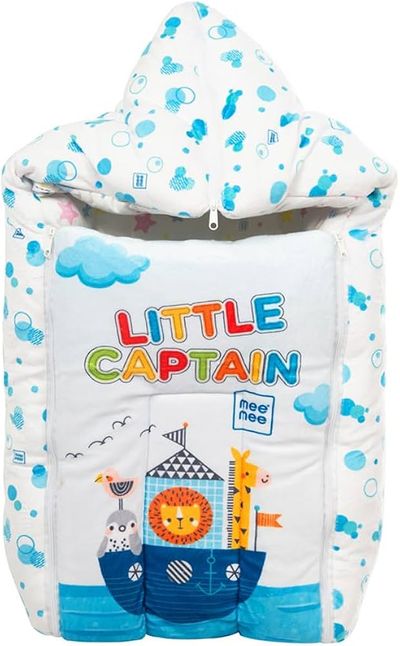
Mee Mee Lightweight Baby Sleep Sack (0-6 months)
- ✓ Cotton muslin material
- ✓ Lightweight for summer
- ✓ Reduces overheating risk
* We earn a small commission — at no extra cost to you.

R for Rabbit Bed Rail Safety Guard
- ✓ Prevents bed falls
- ✓ Lightweight aluminium
- ✓ Fits most bed sizes
* We earn a small commission — at no extra cost to you.
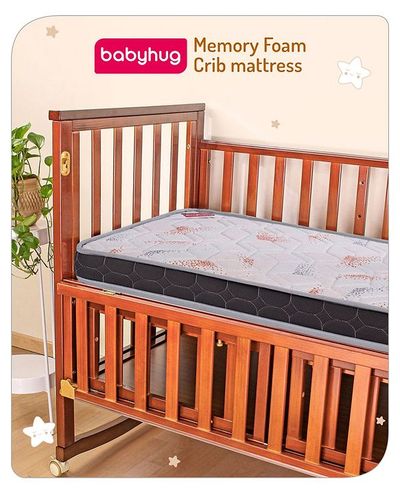
Babyhug Firm Coir Crib Mattress (60x90 cm)
- ✓ Firm coir base (non-sagging)
- ✓ Hypoallergenic
- ✓ Water-resistant cover
* We earn a small commission — at no extra cost to you.
Daily baby tips, exclusive Amazon deals & real parent advice — free forever.
Understanding Co-Sleeping vs. Room-Sharing in the Indian Context
First, let's define the terms clearly. Room-sharing: baby sleeps in their own crib, bassinet, or bedside sleeper in your bedroom. Co-sleeping (bed-sharing): baby sleeps directly on your bed with you and your partner. According to IAP 2026 recommendations, room-sharing without bed-sharing is the gold standard for infants under 12 months-it reduces SIDS risk by up to 50% compared to solitary room sleeping, while avoiding the entrapment and suffocation risks of bed-sharing.
Yet many Indian families practise bed-sharing by necessity (small homes) or preference (bonding, breastfeeding ease, cultural norm). If this is your situation, the focus shifts to safe bed-sharing-not abandoning it, but minimising risk through specific practices.
SIDS Risk Factors Every Indian Parent Should Know
SIDS (Sudden Infant Death Syndrome): unexplained death of an apparently healthy infant under 12 months, usually during sleep. India's SIDS rate is lower than Western countries (roughly 0.5-1 per 1,000 live births vs. 0.3-0.7 in the US), possibly due to rooming-in practices and lower obesity rates. However, risk factors remain.
Key SIDS risks linked to bed-sharing in research:
- Overheating: Excessive blankets, heavy quilts, or high room temperature. In Indian summers (Delhi, Mumbai can exceed 40°C), this is a real concern. Room temperature should stay 20-22°C; use minimal clothing and a lightweight sleep sack instead of blankets.
- Soft sleeping surfaces: Soft mattresses, pillows, or bumpers allow baby's face to sink in. IAP specifies a firm, flat surface-traditional Indian seher (rope) beds or very soft foam mattresses are risky.
- Parental factors: Alcohol, sedating medications, or extreme fatigue increases accidental rolling or overlay risk. Be honest with yourself here.
- Prone sleeping: Baby on stomach. Always place baby on their back.
Safe Co-Sleeping Checklist for Indian Homes
If you're bed-sharing, use this checklist every single night:
- Mattress firmness: Test it-press your palm down; it should spring back immediately. Avoid cotton-filled, sagging, or water beds. A medium-firm coir or foam mattress works; extremely soft traditional patloon bedding does not.
- Clear the sleep space: Remove all pillows, duvets, blankets, and bumpers from the area where baby sleeps. Use a lightweight cotton sheet and a lightweight baby sleep sack (not a blanket tucked over baby).
- Room temperature control: In summers, use AC or a fan to maintain 20-22°C. In winter, use layers on yourself, not on baby. This is critical in hot Indian climates.
- Baby on their back: Always. No exceptions, no "just for a nap."
- Side-sleeping position for parent: Sleep on your side facing baby, not on your back-this reduces overlay risk and allows you to monitor baby's breathing.
- No alcohol, sedatives, or extreme fatigue: If you've had even one drink, taken cough syrup, or are exhausted from a 24-hour shift, baby sleeps in a separate crib that night.
- Age-appropriate: Bed-sharing is most dangerous under 4 months. If possible, use a bedside sleeper for the first 4 months, then reassess.
- Avoid overheating: Baby should feel warm to the touch at the chest, not sweaty at the neck or back. This is non-negotiable in India's climate.
Bedside Sleepers: The Compromise Solution for Indian Families
If your family insists on co-sleeping but you want to minimise SIDS risk, bedside sleepers are a game-changer. These attach to your bed, allowing baby to sleep at arm's length-you can reach over to feed, comfort, and monitor without baby being directly on your mattress.
| Product | Price (Rs.) | Key Features | Best For |
|---|---|---|---|
| Chicco Next2Me | 14,999 | Attaches to bed, adjustable height, breathable mesh sides, compact fold | Small apartments, frequent travel, families wanting closeness with safety |
| R for Rabbit Bed Rail | 2,599 | Safety rail, prevents falls, lightweight aluminium frame, easy setup | Toddlers 18+ months, preventing bed-fall accidents |
| Bassinet (portable, lightweight coir/foam) | 3,500-8,000 | Firm base, breathable sides, portable, culturally familiar | First 6 months, room-sharing setup, traditional preference |
The Chicco Next2Me (₹14,999 on Amazon.in) is particularly popular in tier-1 cities because it addresses the "closeness" need without the SIDS risk-you're beside baby, not sharing a surface. R for Rabbit's Bed Rail (₹2,599) serves a different purpose: it's for toddlers already in bed with you, preventing accidental falls. Neither is a substitute for safe sleep practices, but both address real family logistics.
What Paediatricians Say About Co-Sleeping in India
What Paediatricians Say
- IAP's 2026 position: Room-sharing without bed-sharing is safest for under-1s. If bed-sharing occurs, follow the safe checklist strictly-no exceptions for "just this once."
- SIDS risk drops 50% with room-sharing alone, and another 15% when breastfeeding is added (breastfeeding offers protective factors through frequent arousals).
Addressing Grandmother's Advice vs. Doctor's Orders
"Babies need to stay close to mother's warmth," Nani says. Your paediatrician says, "Room-sharing, not bed-sharing." Both have truth. Grandmothers are right that proximity aids bonding and breastfeeding. Doctors are right that a firm, uncluttered sleep space cuts SIDS risk dramatically. The solution: explain the bedside sleeper or bassinet as a compromise, frame it as "modern safety, same closeness." In Mumbai, Delhi, and Bengaluru, younger grandparents often accept this framing. Older relatives may need reassurance from the paediatrician directly-ask your doctor to speak to the family or send a written note in Hindi/regional language explaining IAP's position.
Summer Overheating and Indian Climate Challenges
India's summer poses unique SIDS risk. A 2023 paediatric study noted that overheating is the single largest environmental factor in Indian SIDS cases, particularly in non-AC homes or during power cuts. If you're in Chennai, Jaipur, Lucknow, or Delhi in May-June:
- Keep room temperature ≤22°C with AC or fan. If AC fails, move baby to a cooler room (grandparents' room, hall) rather than keeping them in a hot bedroom.
- Use a lightweight cotton sleep sack (₹500-1,500 on Amazon.in) instead of blankets. Brands like Mee Mee and Babyhug make India-appropriate options.
- Dress baby in minimal clothing-a thin bodysuit, no socks. Parents often overdress babies in summer; it's the #1 overheating cause.
- Check baby's temperature by feeling the nape of neck or chest, not the hands (which are naturally cooler). If the back of the neck feels sweaty, baby is overheating.
The Bottom Line
Co-sleeping is part of Indian parenting tradition, and it's not inherently dangerous-but it requires structure. If you're bed-sharing, follow the checklist religiously: firm mattress, no soft objects, correct temperature, baby on back, no alcohol or extreme fatigue. Better still, consider a bedside sleeper like Chicco Next2Me or a lightweight bassinet to achieve closeness with maximum safety. Talk to your paediatrician about your specific situation; blanket advice doesn't fit every family. And give yourself grace-this is hard, and you're doing your best.
Frequently Asked Questions
Is co-sleeping safe in India according to IAP guidelines?
What is SIDS and why is it a risk in co-sleeping?
How should I handle a firm mattress when my family uses soft, traditional bedding?
What temperature should baby sleep at during Indian summers?
Are bedside sleepers like Chicco Next2Me worth the cost?
My baby sleeps better when co-sleeping than in a separate crib. Is this normal?
Daily baby tips, exclusive Amazon deals & real parent advice — free forever.