
Why You Should Never Buy Honey for Babies Under 1 Year: The Botulism Risk Indian Parents Must Know
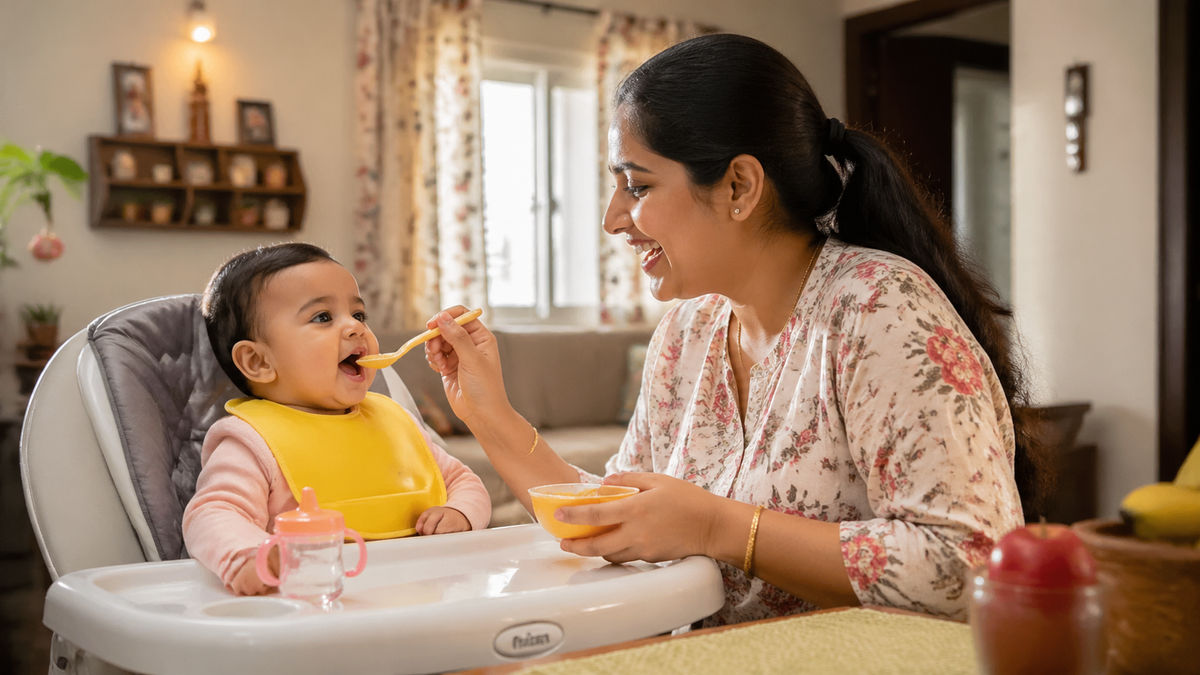
Last month, my neighbor in Bengaluru rushed her 7-month-old to the hospital after he became unusually weak and couldn't feed properly. The diagnosis shocked everyone: infant botulism. The source? A tiny spoonful of honey her mother-in-law had mixed into warm water for his cough, following a practice passed down through generations.
This isn't about blaming grandmothers or dismissing traditional wisdom. It's about understanding that honey-despite being natural and healthy for older children and adults-poses a very real danger to babies under 1 yearbabies under 1 yearbabies under 1 yearbabies under 1 yearbabies under 1 yearbabies under 1 yearbabies under 1 yearbabies under 1 yearbabies under 1 yearbabies under 1 year. The advice to avoid honey for babies underhoney for babies underhoney for babies underhoney for babies underhoney for babies underhoney for babies underhoney for babies underhoney for babies underhoney for babies underhoney for babies under 12 months isn't Western paranoia or unnecessary caution. It's based on solid medical evidence recognized by the Indian Academy of Pediatrics, WHO, and pediatricians across Mumbai, Delhi, Pune, and every city in India.
🛒 Our Top Picks
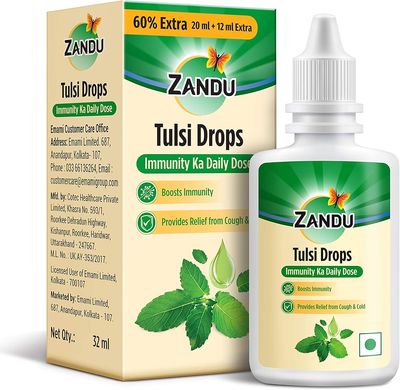
Zandu Ayurvedic Tulsi Drops for Babies 6 Months Plus
- ✓ Safe for babies 6 months and above
- ✓ Honey-free Ayurvedic formula
- ✓ Helps relieve cough and cold naturally
* We earn a small commission — at no extra cost to you.
Daily baby tips, exclusive Amazon deals & real parent advice — free forever.
In Indian households, honey enjoys an almost sacred status. We use it in prasad during Satyanarayan puja, offer it as the first taste during annaprashan in some communities, and reach for it immediately when anyone has a cough or cold. My own mother keeps three different types of honey in her kitchen and swears by its healing properties. She's not wrong-for adults and children over one year. But for infants, this golden nectar can turn into a serious health threat.
Understanding why you should never buy honey for babies under 1 year requires knowing what makes infant botulism different from food poisoning, why Indian honey isn't safer than imported varieties, and what alternatives actually work when your baby has a cough or you're looking for natural remedies.
What Is Infant Botulism and Why Does Honey Cause It
Infant botulism is a rare but serious illness caused by Clostridium botulinum bacteria. These bacteria exist naturally in soil and dust everywhere-including across India, from the fields of Punjab to the gardens of Kerala. The bacteria produce spores, which are like protective shells that help them survive in harsh environments.
Here's where it gets critical: honey, even pure, organic, expensive honey from the best sources, can contain these botulinum spores. The spores don't make the honey look, smell, or taste different. Lab testing wouldn't necessarily detect them because they're not present in every batch, and when present, they're in extremely small numbers.
When an adult or older child consumes these spores, nothing happens. Our mature digestive systems have enough good bacteria and stomach acid to prevent the spores from germinating and producing toxins. We eat the honey, digest it, and eliminate the spores without any issue.
But babies under 12 months have immature intestinal systems. Their gut doesn't have the same bacterial protection. When botulinum spores reach an infant's intestine, they can germinate, grow, and produce a neurotoxin-one of the most potent toxins known to science. This toxin attacks the nervous system, causing progressive muscle weakness that starts subtly and can become life-threatening.
The Indian Academy of Pediatrics clearly states that honey should never be given to infants under one year, and this applies to all honey types-raw honey from local markets in Jaipur, branded honey from supermarkets in Chennai, organic honey from Himalayan sources, or honey in processed foods. Cooking or heating doesn't destroy the spores; they're incredibly heat-resistant and can survive normal cooking temperatures.
Dr. Sharma, a pediatrician I consulted in Delhi, explained it simply: "Parents think pure, expensive honey is safer. It's not. The issue isn't quality or purity-it's biology. A baby's gut simply cannot handle these spores, regardless of honey source."
Recognizing the Symptoms of Infant Botulism
Infant botulism symptoms typically appear 3 to 30 days after exposure, which makes connecting it to honey consumption difficult. Parents often don't realize their baby consumed honey-perhaps it was in a herbal remedy, added to formula by a well-meaning relative, or came as temple prasad.
The first signs are often subtle. Your baby might seem less energetic than usual, have a weaker cry, or show reduced facial expressions. Constipation is often the first noticeable symptom-your baby might not pass stools for several days.
As the toxin affects more muscles, you'll notice progressive weakness. Your baby may have difficulty sucking or swallowing, leading to feeding problems. The characteristic "floppy baby" appearance develops-reduced muscle tone that makes the baby seem unusually limp when you pick them up. Eyelids may droop, and facial expressions become limited.
In severe cases, the weakness affects breathing muscles, creating a medical emergency. The baby may have difficulty breathing, show rapid breathing, or develop a weak cry that sounds different from their normal voice.
If you suspect infant botulism, this is not the time for home remedies or waiting to see if it gets better. Rush to a hospital immediately. In cities like Bengaluru, Mumbai, or Lucknow, pediatric emergency departments can diagnose and treat infant botulism, but time is critical. Treatment involves supportive care and sometimes Botulism Immune Globulin, which can significantly reduce the severity and duration of illness.
The mortality rate for infant botulism has decreased dramatically with modern medical care, but only if treatment begins promptly. Untreated cases can progress to respiratory failure and death.
Why Indian Cultural Practices Make This Information Especially Important
In India, honey occupies a unique cultural and medicinal space that makes the no-honey-before-one rule particularly challenging for parents to follow. Let me share some common scenarios where Indian babies are at risk:
Religious ceremonies: During Satyanarayan puja or similar ceremonies, prasad often contains honey. Well-meaning relatives may place a tiny amount on a baby's tongue as a blessing. At annaprashan ceremonies in some communities, honey is traditionally used as the first sweet taste given to the baby. These practices are done with love and good intentions, but they put infants at risk.
Traditional medicine: Ayurvedic texts praise honey's medicinal properties, and many Indian households use honey as a first-line treatment for coughs, colds, and sore throats. When a 6-month-old develops a cough-common during Delhi winters or Mumbai monsoons-grandparents often suggest honey with warm water or honey mixed with tulsi. The logic seems sound: it's natural, it works for everyone else, why not the baby?
Weaning foods: Some traditional weaning recipes include honey as a natural sweetener. Parents trying to make homemade baby food more palatable sometimes add honey to dal, cereal, or fruit purees.
The "natural is safe" belief: There's a strong belief in Indian culture that natural, traditional ingredients are inherently safe, especially for babies. Honey fits perfectly into this category-it's been used for thousands of years, it's mentioned in ancient texts, and it's natural. This makes the botulism warning seem counterintuitive or overly cautious.
Having these conversations with elders requires sensitivity. You're not rejecting their wisdom or traditions-you're incorporating new medical knowledge that wasn't available when they raised their children. Infant botulism was only identified and understood in the 1970s, so your mother or mother-in-law genuinely wouldn't have known about this risk.
I've found it helpful to frame the conversation around changing times: "Mummy, I know honey worked well when you were raising us, and we still use it for coughs and colds. But doctors have discovered that babies under one year have different digestive systems that can't handle honey safely. After their first birthday, we'll definitely use all your honey remedies."
Safe Alternatives to Honey for Indian Babies
So what do you actually do when your 8-month-old has a cough and everyone's suggesting honey? Here are evidence-based alternatives that work within Indian contexts:
For coughs and colds (babies 6 months and older): Zandu Ayurvedic Tulsi Drops are specifically formulated for infants above 6 months and provide relief without honey. At around Rs. 125 for a 30ml bottle, they're affordable and available at most pharmacies. Always check the product label and consult your pediatrician about appropriate dosage.
Steam inhalation works wonderfully-sit in a steamy bathroom with your baby for 10-15 minutes. The humidity helps loosen mucus without any medication. This is particularly useful during Pune's winter months or Chennai's humid seasons.
For babies over 6 months, offering warm water throughout the day helps soothe throats and keeps them hydrated. You don't need to add anything to it-plain warm water does the job.
Breast milk remains the best medicine for babies under 6 months. It contains antibodies and immune factors that help your baby fight infections naturally.
For sweetening homemade baby food: Babies under one year don't need added sweeteners at all. Their taste preferences are developing, and naturally sweet foods like mashed banana, stewed apples, or sweet potato provide all the sweetness they need. If you're making traditional recipes like ragi porridge or rice cereal, try adding mashed dates (for babies 8 months and older) instead of honey for natural sweetness.
For religious ceremonies: Speak with your priest or elders beforehand. Many are understanding and can modify rituals-using ghee instead of honey for the tongue-touching ceremony, or simply blessing the child without the honey. You can also accept the prasad respectfully and simply not give the honey portion to your baby.
For Ayurvedic remedies: Consult an Ayurvedic pediatrician who understands both traditional medicine and modern pediatric guidelines. Many Ayurvedic preparations can be modified to be safe for infants, replacing honey with age-appropriate alternatives.
The good news: once your baby turns one year old, you can introduce honey safely. Their digestive system will have matured enough to handle botulinum spores without risk. That's when you can start using honey for coughs, in traditional recipes, and as a natural sweetener.
What About Processed Foods and Medications Containing Honey
Some parents wonder whether honey in processed foods or medications is safe, thinking that processing might eliminate the risk. Unfortunately, it doesn't.
Clostridium botulinum spores are incredibly resilient. They can survive the heat used in most food processing, baking, and cooking. A honey biscuit, honey-based cough syrup for babies (some are still sold despite recommendations against them), or honey added to baby cereal all carry the same risk as raw honey.
When buying any food product for your baby, check the ingredients list carefully. Honey might be listed as "honey," "honey powder," or "mel" (the Latin name). If you see it in products marketed for babies under 12 months, that's a red flag about the brand's adherence to safety standards.
Some parents ask about Dabur Honey or other branded, pasteurized honey. The pasteurization process used for honey is designed to prevent crystallization and kill yeast, not to eliminate botulinum spores. The temperatures required to destroy these spores (121 degrees Celsius under pressure for at least 3 minutes) would fundamentally change honey's properties. So pasteurized honey is not safer for babies under one year.
What about those tiny honey sachets given at restaurants or the honey provided with herbal teas? Same rule applies-no honey for babies under 12 months, regardless of packaging, brand, or source.
Dr. Anjali Verma, consultant pediatrician at a leading hospital in Mumbai, emphasizes that infant botulism, while rare, is entirely preventable: "In my 15 years of practice, I've seen four cases of infant botulism-three were linked to honey consumption. Parents are always shocked because they think they're giving something healthy and natural. The 12-month rule exists for a critical biological reason, not as a suggestion."
Key medical facts parents should know:
- The infant gut microbiome doesn't mature enough to resist Clostridium botulinum until approximately 12 months of age, which is why the one-year guideline is universal across countries and medical systems
- Even organic, raw, expensive, or locally-sourced honey carries the same risk-the issue isn't contamination or poor quality, but naturally occurring environmental spores that can be present in any honey
- After one year of age, honey is not only safe but beneficial for children, with proven effectiveness for cough relief that exceeds many over-the-counter medications, making it worth the wait
Practical Steps for Indian Parents: Navigating Family Expectations
Knowing the medical facts is one thing; managing family dynamics is another challenge entirely. Here's what has worked for parents I've spoken with across different Indian cities:
Educate proactively: Don't wait until someone offers honey to your baby to explain why it's not safe. Have conversations during pregnancy or early infancy when emotions aren't high and nobody feels criticized. Share this article or similar resources from trusted sources.
Get your pediatrician's support: Sometimes information carries more weight coming from a doctor. Ask your pediatrician to explain the honey risk to family members during a routine checkup, or get a written note you can share.
Offer alternatives: When your mother-in-law wants to give something for your baby's cough, suggest the alternatives mentioned earlier. Having specific products ready (like Zandu Tulsi Drops) shows you're not just saying no to honey-you're being a responsible parent with a plan.
Be respectful but firm: You can honor elders while protecting your child. "I understand honey has been used for generations and I respect that wisdom. Medical research has shown specific risks for babies under one year. After the first birthday, we'll definitely use your honey remedies."
Create new traditions: For religious ceremonies, work with your family to modify traditions slightly. Use ghee for annaprashan instead of honey, or delay certain rituals until after the first birthday. You're not abandoning culture-you're adapting it.
Remember, other parents are dealing with these exact same conversations. In parenting groups across Bengaluru, Delhi, and other cities, the honey discussion comes up repeatedly. You're not alone in navigating the intersection of traditional practices and modern medical evidence.
The first year passes quickly. Before you know it, you'll celebrate that first birthday and honey will be safely on the menu. Until then, the temporary restriction is a small price to pay for protecting your baby from a potentially devastating illness.
When I explained all of this to my mother, showing her articles from the Indian Academy of Pediatrics and discussing the actual mechanism of infant botulism, her response was touching: "If we had known this when you were babies, we would have absolutely avoided honey too. We gave it because we thought it was safe. Now you know better, so you do better." That's ultimately what this is about-each generation protecting their children with the best knowledge available.
Frequently Asked Questions
Can I give my 10-month-old baby honey if I boil it first to kill bacteria?
Is organic or raw honey from local beekeepers safer than commercial honey for babies?
What should I do if my baby accidentally consumed honey in prasad or food given by relatives?
Can I give products like honey-flavored cereals or biscuits marketed for babies?
My mother used honey with all of us and we were fine—isn't this just Western paranoia?
Daily baby tips, exclusive Amazon deals & real parent advice — free forever.