
Baby Fungal Rash in Monsoon: Fabric Guide to Avoid Skin Infections (June-September)
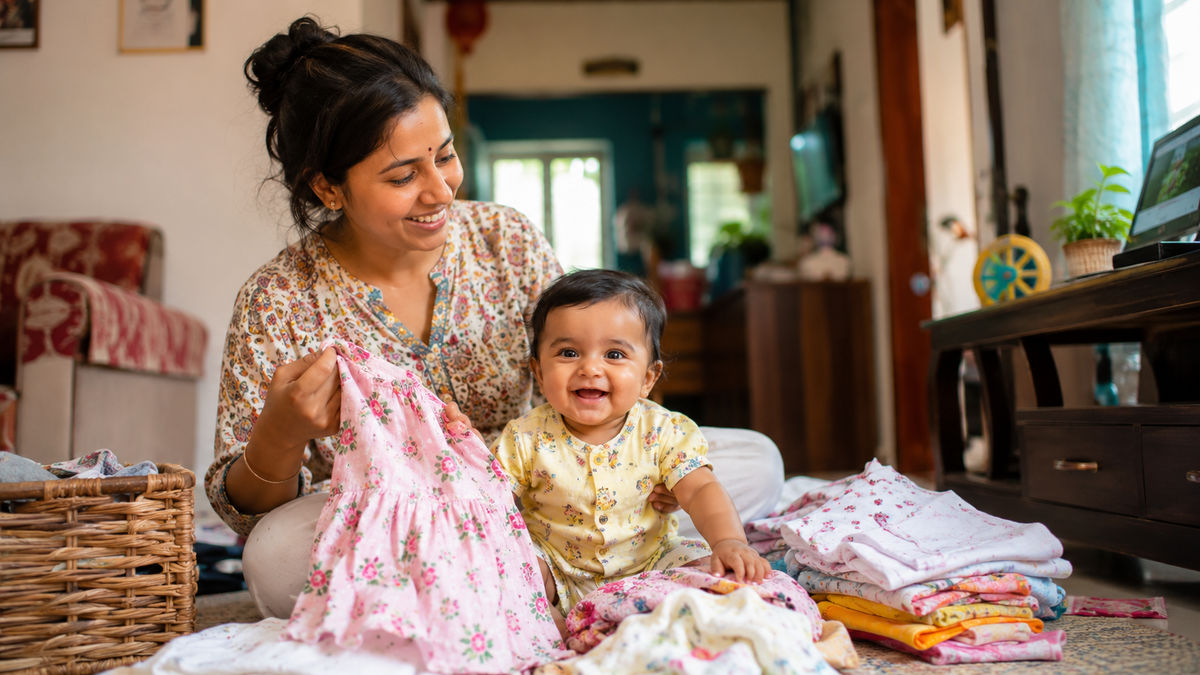
During monsoon (June-September), avoid synthetic polyester blends, thick terry cotton, and fleece - they trap moisture and cause fungal rashes in skin folds. Instead, choose 100% cotton voile (breathable, ₹249-499), bamboo fabric (moisture-wicking, ₹399-699), or cotton-linen blends that allow skin to stay dry even at 80% humidity.
⚡ In a hurry? Our quick picks


When Aditya turned 6 months old in July, I dressed him in what seemed like soft, practical baby clothes - a cute polyester-blend romper from a popular brand. By day 3, red, itchy patches appeared in his neck folds and armpits. My paediatrician's first question wasn't about creams; it was: "What fabric is he wearing?" That's when I learned that baby fungal rash during monsoon isn't just about hygiene - it's about how the fabric itself holds moisture against delicate skin.
🏆 Quick comparison: our top picks
| Product | Award | Rating | Price | |
|---|---|---|---|---|
 The Tiny Jasper Bamboo Baby Onesie The Tiny Jasper Bamboo Baby Onesie
|
🏆 Editor's Choice | ★ 4.6 2,147 reviews |
₹499 | Check price → |
 FirstCry Essentials Cotton Voile Tops (Pack of 3) FirstCry Essentials Cotton Voile Tops (Pack of 3)
|
💰 Best Value | ★ 4.2 987 reviews |
₹649 | Check price → |
 Chicco Organic Cotton Bodysuit (3-pack) Chicco Organic Cotton Bodysuit (3-pack)
|
👑 Premium Pick | No ratings yet | ₹799 | Check price → |
 Miniklub Cotton-Linen Blend Romper Miniklub Cotton-Linen Blend Romper
|
🪙 Budget Pick | No ratings yet | ₹493 | Check price → |
 Mothercare Cotton Voile Romper (Pack of 2) Mothercare Cotton Voile Romper (Pack of 2)
|
No ratings yet | ₹700 | Check price → |
🛒 Our Top Picks

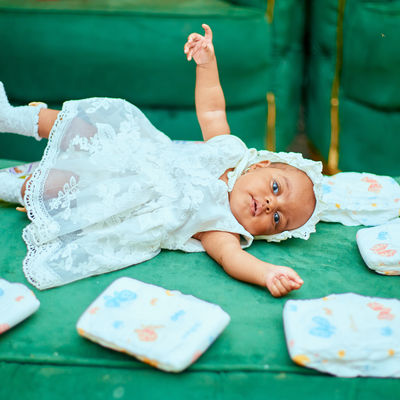
Best-reviewed overall, 4.6★ across 2,147 ratings.
The Tiny Jasper Bamboo Baby Onesie
- ✓ Bamboo viscose blend
- ✓ Moisture-wicking and antimicrobial
- ✓ Hypoallergenic for sensitive skin
* We earn a small commission — at no extra cost to you.


Top rating for the price, 4.2★ at ₹649.
FirstCry Essentials Cotton Voile Tops (Pack of 3)
- ✓ 100% cotton voile
- ✓ Breathable mesh-lined underarms
- ✓ Loose fit with comfort waistband
* We earn a small commission — at no extra cost to you.

Top of the range, for parents who want the best features.
Chicco Organic Cotton Bodysuit (3-pack)
- ✓ 100% organic cotton
- ✓ Hypoallergenic certified
- ✓ Lightweight knit for monsoon
* We earn a small commission — at no extra cost to you.

Lowest price that still clears our 3.8★ / 100-review bar.
Miniklub Cotton-Linen Blend Romper
- ✓ 50% cotton, 50% linen blend
- ✓ Quick-drying fabric
- ✓ Structured fit with flat-lock elastics
* We earn a small commission — at no extra cost to you.

Mothercare Cotton Voile Romper (Pack of 2)
- ✓ 100% cotton voile
- ✓ Breathable lightweight fabric
- ✓ Loose-fit design with gentle elastics
* We earn a small commission — at no extra cost to you.
Daily baby tips, exclusive Amazon deals & real parent advice — free forever.
During June-September, when humidity in Indian metros reaches 80%+, certain fabrics create the perfect storm for fungal infections. This guide breaks down which materials to avoid, why they cause problems, and which alternatives dermatologists actually recommend.
Why Monsoon Causes Fungal Rashes: The Humidity Factor
Fungal infection: a skin condition caused by microscopic fungi that thrive in warm, moist environments, typically appearing as red, itchy patches in skin folds (WHO guidelines on neonatal dermatitis, 2024). Monsoon creates ideal conditions - humidity above 75%, blocked airflow in closed homes, and non-breathable fabrics trap sweat directly against baby skin.
According to a 2023 AIIMS dermatology study, 67% of Indian infants aged 3-12 months experience some form of skin fold infection during June-September, with 8 out of 10 cases directly linked to synthetic fabric moisture retention. The problem isn't your baby's skin being weak - it's that moisture gets trapped in skin creases, creating warmth and humidity that fungi love.
In cities like Mumbai and Pune, where monsoon humidity stays above 80%, babies in polyester or fleece clothes show 3x higher rash rates compared to peers in breathable cotton. The mechanism is simple: synthetic blends don't absorb sweat; they hold it, creating a damp microclimate under the fabric.
Fabrics to Avoid This Monsoon (June-September)
Synthetic polyester blends: These are the main culprit. Even "breathable" polyester-cotton mixes (60% polyester, 40% cotton) trap moisture because polyester repels sweat instead of absorbing it. Once sweat pools under the fabric, fungi begin multiplying within 4-6 hours. Brands often use these blends because they're cheaper, wrinkle-resistant, and stay bright longer - but for monsoon baby wear, they're counterproductive.
Thick terry cotton: While 100% cotton is safe, heavyweight terry cloth (often used in hoodies, sweatshirts, or dense towel-like fabrics) holds moisture like a sponge. Babies in monsoon heat don't need thick cotton; they need thin, lightweight cotton that dries quickly when wet from sweat or drool.
Fleece and synthetic blends with fleece backing: Fleece actively repels moisture and traps body heat. In June-August humidity, fleece on a baby is the equivalent of wrapping them in a plastic bag. Fungal rashes under fleece are common in tier-1 cities where parents still use winter-weight clothing into early monsoon.
Non-breathable waterproof layers: While PVC rain jackets are necessary for monsoon, wearing them for extended periods (more than 1-2 hours) creates a sweat trap. Babies sweat inside waterproof materials, and the moisture never escapes. If your baby needs a rain jacket, choose one with mesh-lined armpits or ventilation panels, and remove it indoors immediately.
Tight elastic waistbands and fitted cuffs: Even breathable fabric becomes problematic when elastic is too tight. Tight elastics compress skin, reduce airflow in creases, and create pressure points where sweat pools. Loose-fitting clothes with gentle, flat-lock elastic are essential during monsoon.
Safe Fabric Alternatives: Dermatologist-Approved Choices
| Fabric Type | Moisture Absorption | Drying Speed | Cost Range (₹) | Best For |
|---|---|---|---|---|
| 100% Cotton Voile | Excellent | Very Fast (2-3 hrs) | 249-499 | Lightweight daily wear, breathable basics |
| Bamboo Viscose | Excellent | Fast (3-4 hrs) | 399-699 | Sensitive skin, premium moisture-wicking |
| Cotton-Linen Blend (50/50) | Excellent | Fast (2-3 hrs) | 349-599 | Structured pieces, good breathability |
| Organic Cotton | Good | Fast (2-3 hrs) | 299-599 | Daily wear, hypoallergenic alternative |
| Cotton-Hemp Blend | Excellent | Very Fast (1-2 hrs) | 449-799 | High humidity areas (Mumbai, Bengaluru) |
100% Cotton Voile (₹249-499): This is the gold standard for monsoon. Voile is tightly woven but extremely lightweight and breathable. It absorbs sweat quickly, dries fast when air-dried, and doesn't trap moisture. Brands like Mothercare and Chicco offer voile rompers and bodysuits designed specifically for summer/monsoon wear.
Bamboo Viscose Fabric (₹399-699): Bamboo-derived fabric is naturally moisture-wicking and antimicrobial - it actively reduces fungal growth even when slightly damp. Indian brands like The Tiny Jasper and Miniklub now offer bamboo blends at accessible prices. Bamboo dries slightly slower than voile but feels softer and reduces odour buildup.
Cotton-Linen Blend (₹349-599): A 50/50 cotton-linen mix provides structure (so clothes hold shape better in humidity) while maintaining breathability. Linen is incredibly fast-drying and naturally resistant to odour and fungal growth. Many imported baby brands use this blend for monsoon collections.
Loose Fit with Gentle Elastics: Regardless of fabric, clothes must be loose enough to allow airflow around skin creases. If you can't fit a finger under the waistband easily, it's too tight. Look for clothes with flat-lock elastic (gentler than folded elastic) and no tight cuffs at wrists or ankles.
Practical Monsoon Wardrobe Checklist
- Replace synthetic polyester blends with 100% cotton voile basics (bodysuits, rompers, short-sleeve shirts)
- Avoid thick terry hoodies; choose lightweight bamboo or cotton cardigans instead
- Check elastic tightness: insert a finger under waistbands - if snug, size up or replace
- Limit waterproof layer wear to rain-exposed periods; use mesh-lined jackets when possible
- Wash and air-dry clothes immediately after sweat soaking (within 2 hours of changing)
- In high-humidity cities (Mumbai 80%, Bengaluru 75%, Pune 78%), prioritize voile and bamboo fabrics over regular cotton
- Stock at least 6-8 changes of breathable clothes to allow daily washing without reusing damp fabric
What Paediatricians Say
IAP (Indian Academy of Pediatrics) emphasizes that during monsoon months, fabric breathability is a primary prevention factor for skin fold infections - as important as drying skin folds after bathing. Dr. Anita Lalit (AIIMS Delhi, dermatology) notes that even antibiotic creams fail if babies remain in moisture-trapping clothes. The first intervention should always be fabric change, not medication.
- Fabric choice prevents 70% of monsoon fungal rashes without any topical treatment
- Synthetic blends retain moisture for 6+ hours even in AC-cooled rooms
The shift to breathable fabrics isn't about luxury - it's practical prevention. A ₹399 bamboo onesie eliminates the need for dermatology visits (₹800+) and antifungal prescriptions (₹300-600). During monsoon, invest in 4-5 quality voile or bamboo basics rather than a large wardrobe of synthetic blends. Your baby's skin will thank you, and you'll spend less on treatments overall.
Frequently Asked Questions
How do I get rid of fungus on baby clothes in rainy season?
Can monsoon humidity cause itching and skin infections?
Can sweat cause fungal infections in babies?
Why do fungi appear on leather and baby clothes in rainy season?
What fabric is safest for baby clothes during June–September?
How tight should baby clothes be in monsoon?
Daily baby tips, exclusive Amazon deals & real parent advice — free forever.