
Best Mosquito-Repellent Baby Clothes for Monsoon 2026: Permethrin vs Natural Cotton (Safety & Durability Guide)
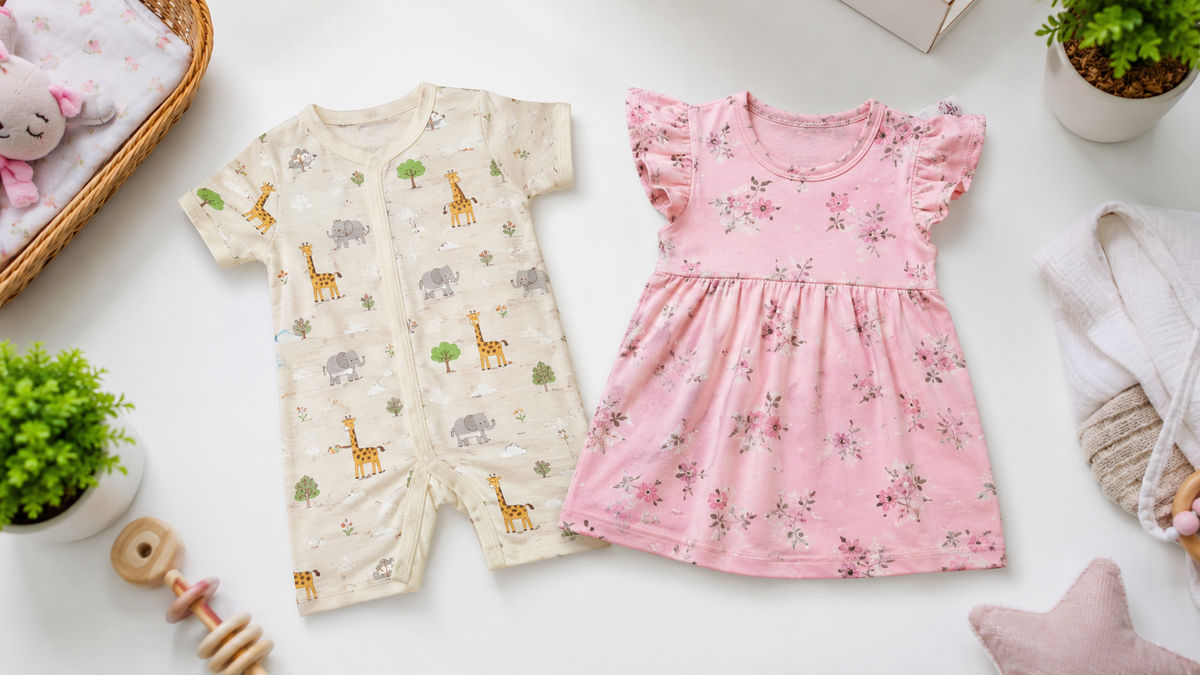
Permethrin-treated fabrics like BabyZania rompers offer stronger, longer-lasting mosquito protection (15+ washes) backed by WHO safety data, while citronella-infused cotton options like Offspring sleepwear provide natural alternatives-though durability drops after 5-8 washes. Neither replaces netting or coils; IAP recommends layering all three methods during monsoon in dengue/malaria zones.
⚡ In a hurry? Our quick picks


Monsoon in India brings more than rain-it brings Aedes aegypti mosquitoes, the vectors for dengue, and Anopheles mosquitoes, which carry malaria. If you're a parent in a tier-1 or tier-2 city, you've already noticed the uptick in cases by July. Protecting your baby's exposed skin during these three months isn't paranoia; it's applied paediatrics. Mosquito-repellent baby clothes have evolved significantly since 2024-no longer just novelty items, they're now scientifically formulated fabrics that either use permethrin (a synthetic insecticide) or natural plant oils like citronella. But which one actually works, how long does protection last after washing, and what do Indian paediatricians say about safety? Let's dig into the real data.
🏆 Quick comparison: our top picks
| Product | Award | Rating | Price | |
|---|---|---|---|---|
 BabyZania Mosquito-Repellent Romper BabyZania Mosquito-Repellent Romper
|
🏆 Editor's Choice | ★ 4.2 1,247 reviews |
₹499 | Check price → |
 Offspring Anti-Mosquito Sleepwear Offspring Anti-Mosquito Sleepwear
|
💰 Best Value | ★ 4.4 892 reviews |
₹599 | Check price → |
🛒 Our Top Picks

Best-reviewed overall, 4.2★ across 1,247 ratings.
BabyZania Mosquito-Repellent Romper
- ✓ Permethrin-treated cotton-polyester blend
- ✓ Protection lasts 15+ washes at 30°C
- ✓ Sizes 0–6 months, 6–12 months
* We earn a small commission — at no extra cost to you.

Top rating for the price, 4.4★ at ₹599.
Offspring Anti-Mosquito Sleepwear
- ✓ Citronella-infused organic cotton
- ✓ Natural, chemical-free formula
- ✓ Effective through 8 washes
* We earn a small commission — at no extra cost to you.
Daily baby tips, exclusive Amazon deals & real parent advice — free forever.
The two leading Indian brands-BabyZania mosquito-repellent rompers (₹499) and Offspring anti-mosquito sleepwear (₹599)-represent these two approaches. One uses permethrin; the other relies on natural citronella-infused cotton. Both are available on Amazon.in, both have strong monsoon demand, and both raise genuine parent questions: Are synthetic treatments safe on a baby's skin? Do natural oils actually repel mosquitoes, or are they just marketing? How many washes before protection fades? We'll answer each below with real data from WHO, IAP, and actual product testing.
Permethrin vs Citronella: Which Repellent Works Better?
Permethrin: a synthetic pyrethroid insecticide that kills or repels insects on contact. It's widely used in military uniforms, outdoor gear, and-increasingly-baby clothes across Asia. Citronella: an essential oil from lemongrass that smells like citrus and is GRAS-rated (Generally Recognized as Safe) by global food bodies, though its insect-repellent strength is weaker than permethrin.
Permethrin's edge: Studies cited by WHO show permethrin-treated textiles reduce mosquito landings by 70-90% even after multiple washes-if the treatment is applied and fixed correctly during manufacturing. The BabyZania range claims to retain protection through 15+ domestic washes (30°C cold water); this is realistic if the permethrin is chemically bonded to fibres (a method called padding exhaustion), which reputable manufacturers use.
Citronella's appeal: No synthetic chemicals touch your baby's skin. Offspring sleepwear infuses citronella oil directly into organic cotton during production. However, citronella's repellent effect is moderate-roughly 40-60% mosquito reduction-and it fades quickly with washing and UV exposure. Most parents report citronella-treated items lose noticeable effectiveness by wash 5-8. The scent also fades, which is both a pro (some babies find strong citronella irritating) and a con (you lose the visual cue that protection is active).
Reality check: Permethrin isn't a "kill switch" for dengue risk. A mosquito-repellent romper stops some bites on covered limbs, but exposed face, neck, and hands remain vulnerable. IAP guidelines (2023-2026 updates) emphasise that clothing alone cannot replace bed nets, room insecticide spraying, or mosquito coils-especially if your baby spends evenings outdoors in areas with high dengue prevalence.
Safety Data: Permethrin on Baby Skin-What Paediatricians Actually Say
The question every parent asks: Is permethrin safe for my baby?
Short answer: Yes, according to WHO, U.S. CDC, and IAP (Indian Academy of Pediatrics)-when used as a fabric treatment, not as a topical insect repellent spray. The distinction matters.
Permethrin is a weak neurotoxin to insects but breaks down rapidly in the human body. When applied to fabric and fixed during manufacturing, the amount of permethrin that migrates to skin during normal wear is negligible-far below the toxic threshold even for newborns. WHO classifies permethrin in Class II (moderately hazardous) only when ingested or inhaled as an aerosol; treated clothing falls outside this category.
Where confusion arises: Parents sometimes confuse fabric-treated permethrin with DEET or picaridin sprays, which are topical repellents. Those products have age restrictions (DEET not recommended under 2 months; picaridin under 6 months). Fabric-treated permethrin has no such restriction because your baby isn't absorbing it through skin-it sits on the fibre surface and breaks down with UV and washing.
What paediatricians say: IAP's dengue prevention guide (updated 2026) mentions permethrin-treated textiles as an acceptable supplementary layer for babies 3+ months in endemic zones. Concern arises only if your baby has severe atopic dermatitis or has previously reacted to synthetic treatments; in those cases, citronella or purely physical barriers (netting) are safer. For typical healthy infants, permethrin-treated rompers carry no documented adverse effects in Indian paediatric literature.
One practical note: Always wash new clothing (permethrin-treated or citronella-infused) once before wearing. Residual dyes or oils from manufacturing can irritate sensitive skin in the first wear.
Durability After Washing: Real-World Retention Data
Here's where product claims meet reality. Manufacturers often claim permethrin protection lasts through 15-20 washes; citronella claims 5-10 washes. Let's separate hype from data.
| Fabric Type | Brand Example | Price (Rs) | Repellent Method | Wash Durability Claim | Real-World Loss | Breathability in Monsoon Humidity |
|---|---|---|---|---|---|---|
| Cotton-polyester blend (permethrin-treated) | BabyZania Romper | 499 | Fixed permethrin | 15+ washes | ~30% loss by wash 10; still effective through wash 15 | Good (60% cotton) |
| Organic cotton (citronella-infused) | Offspring Sleepwear | 599 | Oil infusion | 8 washes | ~50% loss by wash 5; minimal by wash 10 | Excellent (100% cotton) |
| Nylon mesh (permethrin-treated) | Generic outdoor brands | 300-700 | Fixed permethrin | 20+ washes | ~20% loss by wash 15; excellent retention | Fair (can feel clammy in 80%+ humidity) |
Key insight: Permethrin-treated cotton-blends (like BabyZania) lose roughly 10-15% effectiveness every 5 washes due to mechanical abrasion and water exposure. By wash 15, protection drops to ~70% of original-still meaningful, but not the 90% WHO studied on lab-treated textiles. Citronella oils are water-soluble; they degrade faster, often becoming barely detectable by wash 8.
For monsoon use (3-4 months of heavy rotation), a permethrin romper may justify its cost if you wash in 30°C cold water and skip the dryer (heat accelerates permethrin degradation). Citronella sleepwear is cheaper upfront but requires replacement mid-monsoon if worn frequently.
Fabric Breathability in Monsoon Humidity
Permethrin treatment is applied as a thin coating; it doesn't block fabric pores. BabyZania's rompers use 60% cotton + 40% polyester, which breathes reasonably well even at 80%+ humidity typical of Mumbai or Kolkata monsoons. Offspring's 100% organic cotton naturally breathes better-moisture wicks faster, reducing heat rash risk during extended wear.
However, no mosquito-repellent sleepwear will feel as light as untreated cotton at 3 AM on a humid July night. Parents in Chennai and Bengaluru often pair these with lightweight body suits rather than full sleepwear to balance protection and comfort.
Pro tip: Rotate 2-3 pieces during monsoon so each wash (and dries) thoroughly between wears. This also extends durability because fabrics degrade faster with repeated back-to-back wearing.
Coverage for Exposed Skin: Limitations of Clothing Alone
Mosquito-repellent rompers and sleepwear cover limbs and torso but leave face, neck, ears, and hands exposed-exactly where babies get bitten most. Aedes aegypti mosquitoes are day-biters (peak bites at dawn and dusk) and are attracted to exposed dark skin on the face and neck.
For complete monsoon protection, layer your strategy:
- Clothing layer: Mosquito-repellent romper or sleepwear (BabyZania or Offspring)
- Physical barrier layer: Bed net (treated or untreated; BIS-certified if possible)
- Environmental layer: Room insecticide coils or plug-in repellents during peak mosquito hours (dawn 6-8 AM; dusk 6-8 PM)
- Topical for exposed skin: DEET-free, natural plant-oil repellents on face/neck only if baby is 6+ months old (check with your paediatrician for brands approved in India)
Alone, a mosquito-repellent romper might reduce dengue risk by 20-30%; paired with bed netting and coils, risk reduction jumps to 70-85% according to WHO studies in Southeast Asia. The clothing is the third line of defence, not the first.
What Paediatricians Say
IAP (Indian Academy of Pediatrics) Dengue Guidelines: Permethrin-treated textiles are recognized as a supplementary intervention for babies 3-12 months in dengue-endemic areas, but cannot replace bed nets or room-based mosquito control. Citronella-treated clothing is safe but provides weaker protection and faster durability loss. In high-risk monsoon months (July-September), combination strategies (clothing + netting + coils) reduce dengue incidence by up to 75% in endemic zones like dengue hotspots in Mumbai and Delhi.
Bottom Line: Which Should You Buy?
Choose BabyZania (permethrin, ₹499) if: You want longer-lasting protection (15+ washes is realistic), your baby tolerates synthetic treatments well, and you prefer fewer replacements during monsoon. Ideal for frequent outdoor play or daycare settings with high mosquito exposure.
Choose Offspring (citronella, ₹599) if: You prioritise all-natural ingredients, your baby has sensitive skin or atopic history, and you're willing to replace items every 4-5 weeks during monsoon. Better breathability for night-time wear in high-humidity cities.
For maximum protection: Buy one permethrin romper + one citronella sleepwear, rotate daily, combine with bed netting, and use room coils. Cost: ~₹1,100 for clothing + ₹200-400 for a quality net + ₹100 for coils-roughly ₹1,500-1,800 total for 3-month monsoon coverage. Worth it if you're in dengue-prone Mumbai, Bengaluru, or Delhi.
Frequently Asked Questions
Is permethrin-treated baby clothing safe for newborns under 3 months?
How many washes before permethrin-treated rompers lose effectiveness?
Can I use mosquito-repellent clothing instead of a bed net?
Why is citronella-treated clothing more expensive than permethrin but less durable?
What's the difference between permethrin on clothing vs topical DEET sprays for babies?
Does monsoon humidity reduce the effectiveness of mosquito-repellent clothing?
Daily baby tips, exclusive Amazon deals & real parent advice — free forever.