
Are Baby Walkers Safe? What Indian Paediatricians Say About Walker Risks in 2026
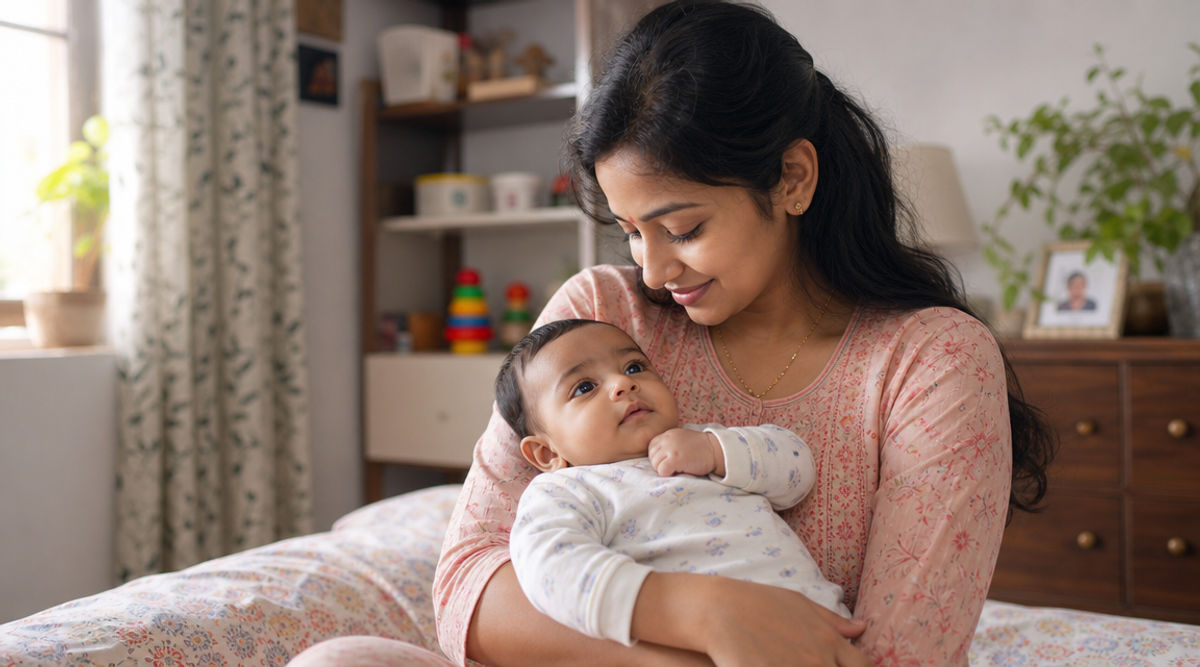
No, traditional baby walkers are not recommended by Indian paediatricians. The Indian Academy of Pediatrics (IAP) warns that walkers delay walking milestones by 5-10 weeks and increase stair fall accidents in Indian homes. Stationary activity centers or supervised milestone-based play are safer alternatives for babies aged 6-12 months.
⚡ In a hurry? Our quick picks


When my son turned six months, well-meaning relatives in Delhi suggested a baby walker "to help him walk faster." Before buying one, I consulted my paediatrician and discovered something troubling: the very device marketed as a walking aid actually delays independent walking and causes serious injuries. This article covers what Indian paediatricians say, why walkers remain risky despite marketing claims, and what actually works for your baby's development.
🏆 Quick comparison: our top picks
| Product | Award | Rating | Price | |
|---|---|---|---|---|
 R for Rabbit Activity Walker Stationary Play Center R for Rabbit Activity Walker Stationary Play Center
|
🏆 Editor's Choice | ★ 4.3 1,456 reviews |
₹3,499 | Check price → |
 Mastela Baby Walker with Brake System Mastela Baby Walker with Brake System
|
💰 Best Value | ★ 3.9 567 reviews |
₹1,899 | Check price → |
 LuvLap Baby Walker with Parent Push Handle LuvLap Baby Walker with Parent Push Handle
|
👑 Premium Pick | No ratings yet | ₹2,399 | Check price → |
🛒 Our Top Picks

Best-reviewed overall, 4.3★ across 1,456 ratings.
R for Rabbit Activity Walker Stationary Play Center
- ✓ Stationary (non-wheeled) activity center
- ✓ Rotating toys and mirror
- ✓ Music and light features
* We earn a small commission — at no extra cost to you.

Top rating for the price, 3.9★ at ₹1,899.
Mastela Baby Walker with Brake System
- ✓ Wheeled walker with safety brakes
- ✓ Removable toy tray
- ✓ Height adjustable
* We earn a small commission — at no extra cost to you.

Top of the range, for parents who want the best features.
LuvLap Baby Walker with Parent Push Handle
- ✓ Parent push handle for controlled movement
- ✓ Safety brakes on wheels
- ✓ Recommended from 9-15 months
* We earn a small commission — at no extra cost to you.
Daily baby tips, exclusive Amazon deals & real parent advice — free forever.
Why Are Traditional Baby Walkers Risky? What the Evidence Says
Baby walkers: wheeled devices with a fabric seat that allow babies to move around while being partially supported, typically used between 6-12 months. Despite their popularity in Indian homes, they carry documented developmental and safety risks.
The Indian Academy of Pediatrics (IAP) has consistently warned against traditional walkers. Research shows babies using walkers achieve independent walking 5-10 weeks later than peers who don't use them. Why? Walkers allow babies to "walk" without developing the core strength, balance, and confidence needed for independent mobility. They bypass the crawling phase entirely-and crawling is crucial for neural development and motor control.
In Indian urban homes (Mumbai apartments, Delhi flats, Bangalore row houses), walkers create a specific hazard: stair falls. A baby in a walker can move at speeds parents can't intercept. One study cited by paediatricians showed 14% of walker-related injuries involved stairs. In a typical Indian home with internal stairs or split-level layouts, this risk multiplies. Parents in Pune and Jaipur have reported walker-related tumbles that caused hospitalisation.
Hip dysplasia concerns also arise. While walkers don't directly cause dysplasia, they can aggravate it in babies with underlying hip instability. Walkers position legs in a wide stance, which may stress developing hip joints-particularly concerning if your baby has a family history of hip issues.
Traditional Walkers vs. Activity Centers: What's the Real Difference?
| Feature | Traditional Baby Walker | Stationary Activity Center | Parent-Push Walker |
|---|---|---|---|
| Can baby move freely? | Yes-wheeled, moves fast | No-stationary or bounces in place | Baby moves only with parent pushing |
| Risk of stair falls? | High-wheels enable speed | None-can't reach stairs alone | Low-parent controls movement |
| Delays independent walking? | Yes, 5-10 weeks delay reported | No-encourages balance & pull-to-stand | No-encourages weight-bearing safely |
| Typical price in India (2026) | Rs. 1,200-2,500 | Rs. 3,000-6,000 | Rs. 2,000-3,500 |
The key difference: stationary activity centers keep babies in one place while stimulating play (rotating toys, mirrors, music). Parent-push walkers, like the LuvLap Baby Walker with Parent Push Handle (₹2,199), put a responsible adult in control-your hands guide movement, not baby momentum.
Banned Baby Walkers and What You Should Avoid
Several countries have banned or severely restricted wheeled walkers. While India hasn't issued a formal regulatory ban, paediatricians across Delhi, Mumbai, Chennai, and Bengaluru advise against them. Look out for:
- Wheeled walkers with free-spinning wheels-these are the primary hazard. Any walker that moves independently at baby-initiated speed is risky.
- Walkers without safety brakes-check if wheels lock when baby stops pushing.
- Tall, narrow walkers-more likely to tip on uneven Indian flooring (tiles, marble transitions).
- Walkers without parent supervision requirements-avoid any product marketed as "safe to use alone."
The R for Rabbit Activity Walker (₹3,499) is often confused with traditional walkers but is actually a stationary activity center-a much safer choice.
What Paediatricians Say: Safe Alternatives for 6-12 Month Babies
What Paediatricians Say
IAP guidelines recommend floor play with caregiver supervision as the gold standard for motor development. According to paediatricians in Lucknow and Jaipur, crawling-based play (floor time with cushions and low obstacles) builds strength better than any device.
- Stationary activity centers (not wheeled) are acceptable for safe, supervised short periods.
- Parent-push walkers with handlebars are safe alternatives-they mimic assisted walking without independent speed risks.
Instead of walkers, paediatricians recommend:
- Tummy time on clean floors (6-8 months)-builds core strength and neck control.
- Supervised crawling spaces-soft play mats in living rooms. Crawling develops bilateral coordination and spatial awareness.
- Pull-to-stand practice at furniture (8-10 months)-let baby hold onto a sofa edge or low table while you supervise. This builds real balance and confidence.
- Cruising encouragement (10-12 months)-hold baby's hand as they "walk" along furniture. Your hand provides security without device limitations.
- Parent-assisted walking-hold both hands, then one hand. This teaches weight distribution naturally.
Safe Product Alternatives: What Works in Indian Homes
If you want a device for safe, supported movement, consider these alternatives tested by parents in Mumbai, Delhi, and Bengaluru:
Parent-Push Walkers (Recommended): The LuvLap Baby Walker with Parent Push Handle (₹2,199) keeps you in control. Baby's hands rest on the handle, and your hands push from behind. Movement speed depends on your pace, not baby's momentum. This mimics real assisted walking and won't cause stair accidents.
Stationary Activity Centers (Excellent for Play Time): The R for Rabbit Activity Walker (₹3,499) is stationary-it doesn't move. Baby bounces, rotates, and engages with toys while staying in place. Safe for 10-15 minute intervals of supervised play; allows crawling and pull-to-stand practice nearby.
Floor Play Setups (Best for Development): A soft play mat (₹800-1,500) with age-appropriate toys scattered around costs less and supports crawling, which paediatricians rank as the most important motor skill.
How to Make Your Home Walker-Safe (If You Choose One)
If you decide to use any wheeled device, follow these rules paediatricians emphasize:
- Constant supervision-never leave baby in a walker while you cook, shower, or answer the door.
- Block stair access-install safety gates at the top AND bottom of stairs. Many accidents happen when adults underestimate speed.
- Clear the floor-remove toys, cables, and pets from walker routes.
- Check wheels weekly-ensure brakes function and wheels spin freely without wobbling.
- Limit to 15-20 minutes daily-walkers shouldn't replace floor play or hand-held walking practice.
- Avoid on stairs, slopes, or uneven surfaces-Indian tile transitions are common accident points.
The safest choice remains no walker at all-just supervised floor play and your hands guiding movement. Most Indian babies walk independently between 12-15 months without any device. Walkers don't speed this up; they delay it.
Frequently Asked Questions
Do baby walkers really delay walking in Indian babies?
What's the safest type of baby walker to buy?
How common are stair fall injuries from baby walkers in India?
Can baby walkers cause hip dysplasia?
What should babies do instead of using walkers?
Are there any Indian regulations banning baby walkers?
Daily baby tips, exclusive Amazon deals & real parent advice — free forever.