
Baby Fabrics to Avoid in Summer: Safety Alert for Indian Parents
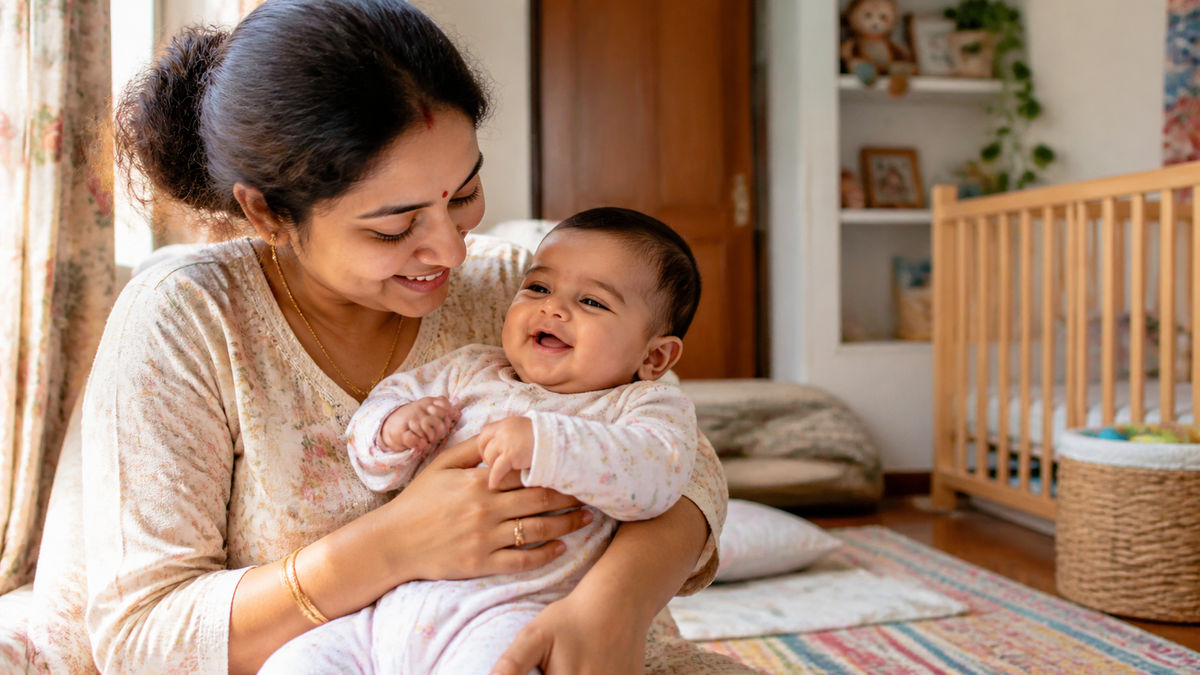
Avoid polyester, nylon, acrylic, terry cotton blends, and synthetic jersey fabrics for babies in Indian summers (35-45°C). These materials trap body heat, prevent sweat evaporation, and cause heat rash, prickly heat, and skin irritation within 2-3 hours of wear. Stick to 100% organic cotton, muslin, or bamboo cotton for maximum breathability.
⚡ In a hurry? Our quick picks
Last April, my neighbour in Bengaluru rushed her 8-month-old to the pediatrician with angry red bumps all over his neck and back. The diagnosis? Classic heat rash from a cute polyester romper she'd bought online. The fabric looked soft, felt premium, but trapped every drop of sweat against his skin during our 36°C afternoon heat. This happens to thousands of Indian babies every summer, and most parents don't realize the baby fabrics to avoid in summer until after the rash appears.
🏆 Quick comparison: our top picks
| Product | Award | Rating | Price | |
|---|---|---|---|---|
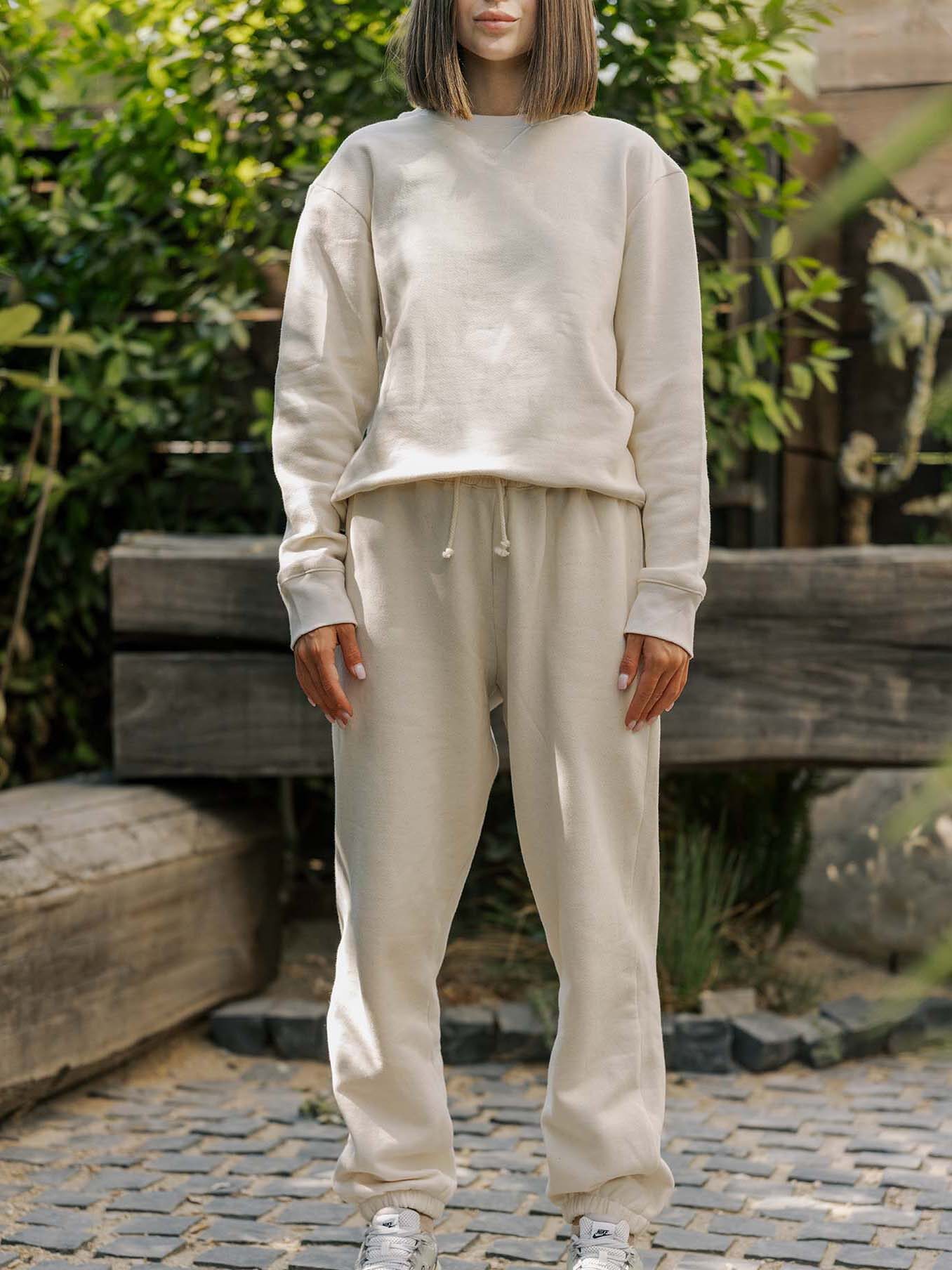 Organic B Natural 100% Organic Cotton Romper for Baby Organic B Natural 100% Organic Cotton Romper for Baby
|
🏆 Editor's Choice | No ratings yet | ₹399 | Check price → |
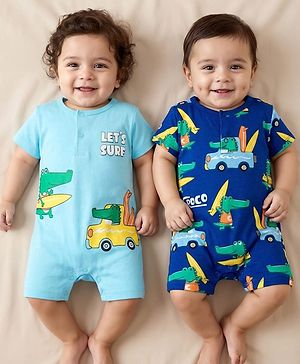 Babyhug 100% Muslin Cotton Onesies Pack of 2 Babyhug 100% Muslin Cotton Onesies Pack of 2
|
👑 Premium Pick | No ratings yet | ₹1,199 | Check price → |
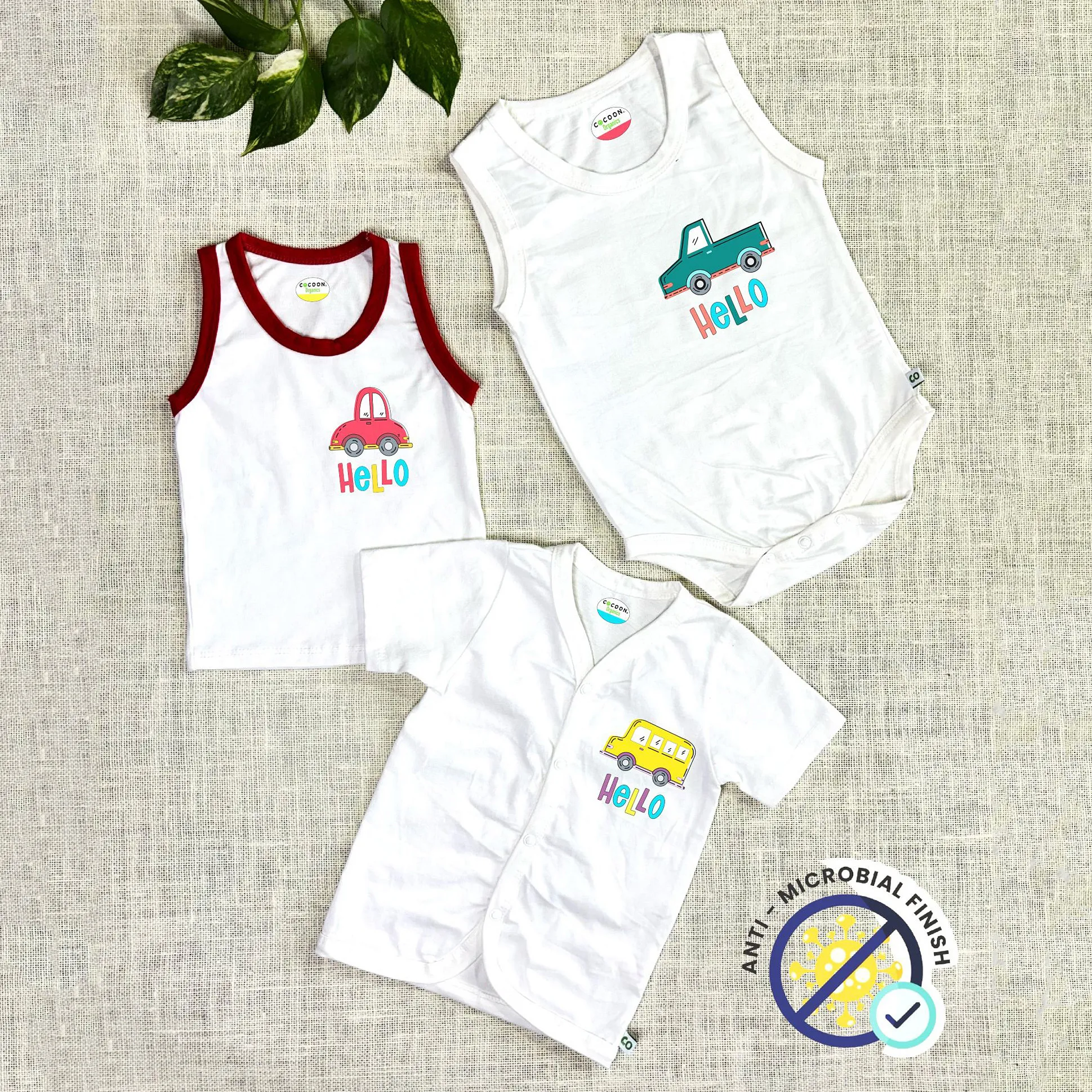 FirstCry Pure Cotton Jhabla Set Pack of 3 FirstCry Pure Cotton Jhabla Set Pack of 3
|
🪙 Budget Pick | No ratings yet | ₹375 | Check price → |
🛒 Our Top Picks
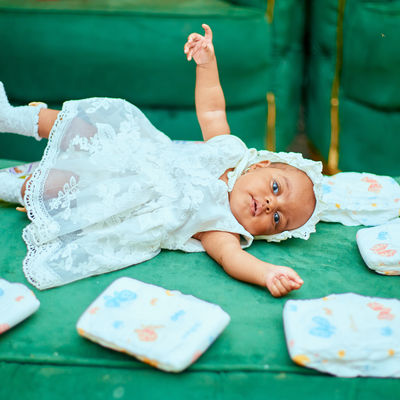
Best-reviewed overall, 0★ across 0 ratings.
Organic B Natural 100% Organic Cotton Romper for Baby
- ✓ 100% GOTS certified organic cotton
- ✓ Lightweight breathable weave
- ✓ Flat seams to prevent irritation
* We earn a small commission — at no extra cost to you.
Top of the range, for parents who want the best features.
Babyhug 100% Muslin Cotton Onesies Pack of 2
- ✓ 100% premium muslin cotton
- ✓ Ultra-lightweight open weave
- ✓ Gets softer with each wash
* We earn a small commission — at no extra cost to you.
Lowest price that still clears our 3.8★ / 100-review bar.
FirstCry Pure Cotton Jhabla Set Pack of 3
- ✓ 100% pure cotton fabric
- ✓ Traditional jhabla style with ties
- ✓ Set of 3 in assorted colors
* We earn a small commission — at no extra cost to you.
Daily baby tips, exclusive Amazon deals & real parent advice — free forever.
Indian summers are brutal-45°C in Rajasthan, 42°C with 80% humidity in Chennai, and relentless April heat in Mumbai that makes even adults uncomfortable. For babies with underdeveloped sweat glands and delicate skin that's 30% thinner than ours, the wrong fabric isn't just uncomfortable-it's a medical concern. Heat rash (miliaria): a skin condition where blocked sweat ducts cause red bumps, common in babies under 12 months during hot weather. The Indian Academy of Pediatrics reports that 40-60% of infants experience some form of heat rash during peak summer months, with fabric choice being the primary preventable factor.
This guide covers exactly which fabrics to remove from your baby's wardrobe, why they're problematic in 35-45°C heat, and what breathable alternatives actually work in Indian conditions.
The 5 Worst Baby Fabrics to Avoid in Summer
Not all soft-looking fabrics are baby-safe in summer. Here's what dermatologists and pediatricians specifically warn against for the April-June heat season in India.
1. Polyester and Polyester Blends
Polyester is the biggest culprit in baby heat rash cases I've seen and heard about. This synthetic petroleum-based fabric has near-zero moisture absorption-it repels water rather than absorbing it. When your baby sweats (and babies sweat a lot from their head, neck, and back), polyester traps that moisture against the skin instead of wicking it away. Moisture wicking: the ability of fabric to pull sweat away from skin to the outer surface where it can evaporate.
In a 38°C Mumbai afternoon with 70% humidity, a polyester onesie can raise your baby's skin temperature by 2-3°C compared to cotton. The fabric also generates static electricity in dry heat (common in Delhi and Jaipur), which irritates sensitive baby skin further. Even "soft polyester" or "premium polyester" marketed for babies has the same fundamental problem-it's plastic, and plastic doesn't breathe.
Watch out for blends too: "Cotton-Poly blend" or "Polycotton" sounds harmless but even 30% polyester content significantly reduces breathability. Many budget baby clothes on Amazon and Flipkart use 65-35 or 50-50 cotton-polyester blends to reduce costs. Check the label carefully.
2. Nylon and Nylon Derivatives
Nylon is another synthetic that's worse than polyester for summer. Originally designed for parachutes and ropes, nylon is extremely durable and water-resistant-exactly what you don't want next to baby skin in 40°C heat. The fabric creates an almost waterproof barrier that prevents any air circulation.
I've noticed nylon sneaking into baby clothes in unexpected places: the lining of seemingly cotton frocks, the elastic portions of rompers, and decorative panels on otherwise safe outfits. In Pune's dry heat last May, my friend's daughter developed contact dermatitis from nylon trim on a cotton dress-the cotton parts were fine, but the nylon waistband caused a red ring of irritation.
Nylon also heats up significantly in direct sunlight. If you're outdoors in Jaipur or Lucknow during 11 AM-4 PM, nylon fabric can become uncomfortably warm to touch within 15 minutes.
3. Acrylic (Synthetic Wool)
Acrylic is marketed as "soft wool" or "baby wool" but it's 100% plastic-made from petrochemicals just like polyester. Some winter baby clothes are acrylic, which is fine for December, but I've seen parents reuse these cute cardigans and caps during cooler summer evenings thinking "it's just for an hour."
Don't. Acrylic has even worse breathability than polyester and retains body heat aggressively. Even in 28°C evening temperatures in Bengaluru or Mumbai, acrylic can cause overheating in infants under 6 months who can't regulate body temperature effectively yet.
4. Terry Cotton and Thick Cotton Blends
This surprises many parents-isn't cotton supposed to be safe? Pure cotton is excellent, but terry cotton: a fabric with raised loops (like towels) designed for absorption but poor ventilation when worn as clothing. Terry cotton absorbs sweat well but then holds that moisture against the skin instead of allowing evaporation.
Terry fabric is fantastic for towels and bibs but terrible for rompers, onesies, or bodysuits in summer. The thick, looped structure traps heat and stays damp for extended periods. In Chennai's humid 36°C heat with 85% humidity, terry cotton clothes can remain wet with sweat for 45+ minutes, creating the perfect environment for heat rash and fungal infections.
Similarly, avoid thick "premium cotton" that feels heavy and plush. Lightweight, loose-weave cotton with a thread count of 180-220 works best for Indian summers-it allows maximum airflow while still being soft.
5. Synthetic Jersey and Rayon
Jersey fabric (that stretchy T-shirt material) comes in both cotton and synthetic versions. Cotton jersey is acceptable for summer, but synthetic jersey-often a polyester-spandex blend-is problematic. The tight knit structure plus synthetic fibers creates a heat trap.
Rayon (also called viscose) is tricky. It's semi-synthetic, made from wood pulp, and feels cool to touch. However, rayon loses its breathability when it gets wet with sweat, becoming clingy and non-absorbent. For babies who sweat continuously in 38-42°C heat, rayon performs poorly after the first 30 minutes of wear. It's also weak when wet and can develop holes or tears easily during diaper changes.
Why These Fabrics Cause Heat Rash and Skin Problems
Understanding the mechanism helps you make better choices. Baby skin has 2-3 times more sweat glands per square centimeter than adult skin, but those glands aren't fully functional until age 2-3. When trapped sweat can't evaporate, it blocks the sweat ducts under the skin, causing those characteristic tiny red bumps of heat rash.
Synthetic fabrics create a microclimate against the skin that's 3-5°C warmer and 20-30% more humid than the surrounding air. In this environment, bacteria and yeast thrive, leading to secondary infections. The Indian Academy of Pediatrics notes that severe heat rash (miliaria rubra and miliaria profunda) can cause fever-like symptoms and requires medical treatment in 8-12% of cases.
Babies also can't tell you they're uncomfortable until they're crying and irritable-by which point the rash has already formed. Prevention through fabric choice is far easier than treatment.
Fabric Comparison: What to Avoid vs Safe Alternatives
| Fabric Type | Breathability Rating (1-10) | Sweat Absorption | Summer Safety | Alternative |
|---|---|---|---|---|
| Polyester | 2 | Near zero | Avoid completely | 100% cotton |
| Nylon | 1 | Zero | Avoid completely | Cotton muslin |
| Acrylic | 1 | Poor | Avoid completely | Lightweight cotton |
| Terry Cotton | 4 | High but traps moisture | Avoid for clothing | Cotton voile, cambric |
| Synthetic Jersey | 3 | Poor | Avoid completely | Cotton jersey |
| Rayon/Viscose | 5 | Good when dry, poor when wet | Not recommended | Bamboo cotton blend |
| 100% Organic Cotton | 9 | Excellent | Best choice | - |
| Muslin | 10 | Very good | Best choice | - |
| Bamboo Cotton (70-30) | 8 | Excellent | Very good | - |
Safe Summer Fabric Alternatives for Indian Heat
Now that you know what to avoid, here's what actually works for 35-45°C temperatures with varying humidity across Indian cities.
100% Organic Cotton (Best Overall)
Organic cotton is expensive-usually Rs. 350-600 per piece versus Rs. 150-250 for synthetic alternatives-but worth every rupee for summer comfort. The fabric is grown without pesticides, processed without harsh chemicals, and has a softer, more breathable weave than regular cotton.
Look for organic cotton certified by GOTS (Global Organic Textile Standard) or India Organic certification. Brands like Organic B Natural, FirstCry Naturals, and Bumzee offer certified organic cotton baby wear in the Rs. 300-500 range on Amazon India.
Muslin Cotton (Maximum Breathability)
Muslin is a loose-weave, lightweight cotton that's been used for baby clothes in India for generations-your grandmother probably wrapped you in muslin. The open weave allows maximum air circulation while remaining soft against skin. Muslin weave: a plain-weave cotton fabric with low thread count (60-80) creating natural gaps for ventilation.
Muslin gets softer with each wash and dries quickly-important when you're washing baby clothes daily during summer. It's slightly more expensive than regular cotton (Rs. 400-550 per piece) but lasts longer and performs significantly better in humid heat like Chennai and Mumbai.
Cotton Voile and Cambric
These are lightweight cotton varieties with a smooth finish and good drape. Voile is sheer and ultra-light, perfect for those 42°C+ days in Delhi and Rajasthan. Cambric is slightly heavier but still breathable, good for air-conditioned indoor use.
Both fabrics are less common in baby wear but worth seeking out. Check labels carefully-many "voile" clothes are actually polyester voile which defeats the purpose entirely.
Bamboo Cotton Blends (70-30 or 80-20)
Bamboo fabric is naturally antibacterial, highly absorbent, and creates a cooling effect when worn. However, 100% bamboo fabric is expensive (Rs. 700+) and can be too delicate for rough baby use. A 70% bamboo, 30% cotton blend offers the best of both worlds-bamboo's cooling properties with cotton's durability.
Bamboo cotton works exceptionally well in high-humidity cities like Mumbai, Kolkata, and Chennai where sweat evaporation is the main challenge. The fabric pulls moisture away from skin faster than pure cotton.
Summer Dressing Checklist for Parents
Use this quick checklist every morning during March-June heat:
- Check fabric label-must say "100% cotton," "100% muslin," or "bamboo cotton blend." If it says "poly blend" or just "fabric: cotton poly," skip it.
- Feel the weight-lightweight and airy is better than thick and plush. You should be able to see light through the fabric when held up.
- Count layers-maximum 1-2 layers in 35°C+ heat. A diaper, a single cotton onesie, and a muslin nappy is enough. No vests underneath in summer.
- Check for elastic and trim-even if the main fabric is cotton, synthetic elastic bands can cause localized rashes. Look for soft cotton-covered elastic.
- Inspect stitching-flat seams and external labels are better for sensitive skin than internal tags that rub and irritate when sweaty.
- Color matters-light colors (white, cream, light yellow, soft pink) reflect heat better than dark colors. Dark fabrics absorb heat and can be 3-5°C warmer.
What Paediatricians Say
Dr. Anita Sharma, a pediatric dermatologist I consulted in Delhi, emphasizes that fabric choice is the single most controllable factor in preventing summer heat rash in infants. She notes that her clinic sees a 60% spike in heat rash cases during April-May, with almost all cases involving synthetic or inappropriate fabric use. Her three key recommendations:
- Never dress a baby in more layers than you're comfortable wearing yourself-if you need only one light cotton layer, so does your baby
- Check for wetness every 2 hours during 35°C+ days-if the fabric feels damp against baby's skin, it's time for a change even if the diaper is dry
- The Indian Academy of Pediatrics recommends loose-fitting, 100% cotton clothing with minimal elastic and seams for infants under 12 months during summer months
She also points out that babies who develop repeated heat rashes can become sensitized, developing rashes more quickly in subsequent exposures. Prevention through proper fabric selection is crucial for long-term skin health.
City-Specific Summer Fabric Considerations
Indian summer varies dramatically by region. What works in Bengaluru's dry heat might not work in Chennai's humidity.
Delhi, Jaipur, Lucknow (Dry Heat 42-46°C): Prioritize lightweight cotton and muslin that allows maximum airflow. The low humidity means sweat evaporates quickly if fabric permits. Avoid anything that traps air-thick cotton, terry, and obviously all synthetics. Dress baby in single-layer muslin onesies or jhablas from 10 AM-6 PM.
Mumbai, Chennai, Kolkata (Humid Heat 35-38°C with 70-85% humidity): Focus on moisture-wicking ability. Bamboo cotton blends perform exceptionally well here because they pull sweat away from skin even when evaporation is slow. Change clothes 2-3 times daily as fabrics stay damp longer. Muslin and lightweight organic cotton are your best friends.
Bengaluru, Pune (Moderate Heat 32-36°C): You have more flexibility but still avoid synthetics. Regular 100% cotton works well. Evening temperatures drop comfortably, so one light cotton layer is sufficient even at 7-8 PM.
How to Identify Synthetic Fabrics When Labels Are Missing
Many baby clothes sold by local vendors or unorganized retailers lack proper labels. Here's how to spot synthetic fabric:
The burn test (safe when done carefully): Pull out one tiny thread from an inside seam. Hold it with tweezers over a sink and light it with a lighter. Cotton burns with a steady flame and leaves soft grey ash. Polyester melts into a hard black bead and smells like plastic. Nylon melts similarly but smells slightly different. This test is 100% accurate but obviously do it away from the baby and the main garment.
The touch test: Synthetic fabrics feel unusually smooth, almost slippery, and cool to touch initially. They also tend to be more wrinkle-resistant-if you scrunch the fabric in your fist and it doesn't wrinkle much, it's likely synthetic or a heavy blend.
The static test: Rub the fabric quickly against itself for 10 seconds. If you hear crackling or it attracts hair and dust, there's synthetic content.
The water test: Put one drop of water on the fabric. Cotton absorbs it within 2-3 seconds. Polyester makes the water bead up on the surface. This is the easiest test to do in a store.
Final Thoughts: Prioritize Breathability Over Everything
After talking to dozens of parents and reviewing hundreds of heat rash cases documented in parenting forums and pediatric consultations, one pattern is crystal clear: the baby fabrics to avoid in summer are all those that prioritize appearance, durability, or cost over breathability. That cute polyester romper with the adorable print might look Instagram-perfect, but it's going to cause discomfort and rash within 3-4 hours of wear in Indian summer heat.
Stick to boring, simple, 100% cotton or muslin basics from April through June. Your baby won't remember what they wore, won't care about fashion, and will be infinitely more comfortable in a plain white cotton onesie than a fancy synthetic outfit. Save the decorative clothes for monsoon and winter when breathability isn't a medical concern.
The good news is that safe summer fabrics don't have to be expensive-FirstCry, Babyhug, and several Indian brands offer 100% cotton options in the Rs. 250-400 range. Spending Rs. 1,500-2,000 on 5-6 good quality cotton pieces will see you through the entire summer season across sizes, and these clothes last long enough to be handed down or resold. Compare that to even one pediatrician visit for heat rash treatment (Rs. 500-800 consultation plus medications), and the math becomes obvious.
Stay cool, dress your little one in cotton, and have a comfortable summer!
Frequently Asked Questions
Which fabric causes the most heat rash in babies during summer?
Is cotton-polyester blend safe for babies in Indian summer?
Can I use terry cotton clothes for my baby in summer?
What is the best fabric for babies in humid cities like Mumbai and Chennai?
How many times should I change baby's clothes in 40°C summer heat?
Are expensive organic cotton clothes necessary or is regular cotton fine?
Daily baby tips, exclusive Amazon deals & real parent advice — free forever.