
Non-Toxic Teethers India: Materials to Avoid & Safe Brands Under ₹500 in 2026
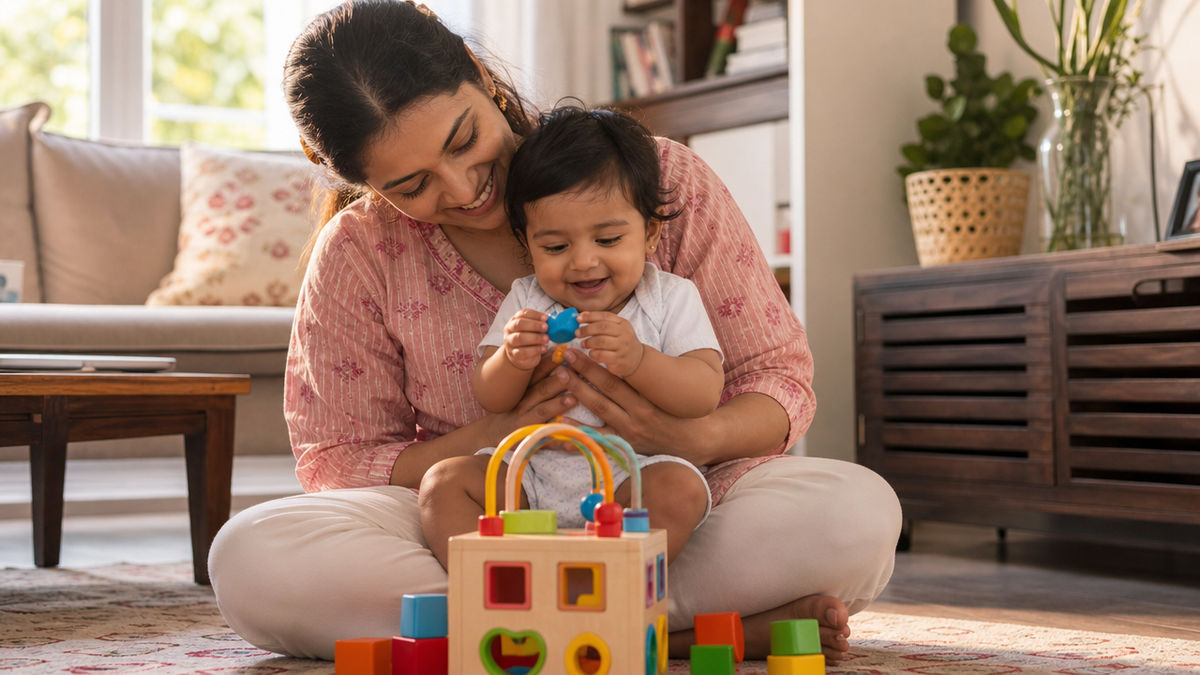
Avoid teethers with PVC plastic, phthalates, BPA, and liquid fillings. Choose food-grade silicone or natural rubber teethers from brands like Mee Mee, Chicco, and LuvLap available on Amazon.in. Always check the product label for these material certifications and freeze only in a sealed bag, never directly on ice.
⚡ In a hurry? Our quick picks

When your baby starts teething around 4-6 months, the urge to chew becomes intense, and a teether becomes your lifeline. But not all teethers are equal—some contain materials that concern paediatricians and parents alike. This guide walks you through what makes a teether safe, what to avoid when reading labels, and which Indian brands stack up.
🏆 Quick comparison: our top picks
| Product | Award | Price | |
|---|---|---|---|
 LuvLap Baby Teether Ring Silicone |
👑 Premium Pick | ₹279 | Check price → |
 Mee Mee Soft Silicone Teether with Handle |
🪙 Budget Pick | ₹249 | Check price → |
 Chicco Teething Ring – Silicone |
₹259 | Check price → |
🛒 Our Top Picks

The highest-priced option in this guide.
LuvLap Baby Teether Ring Silicone
- ✓ 100% food-grade silicone
- ✓ Phthalate-free and BPA-free
- ✓ Ergonomic design for small hands
* We earn a small commission — at no extra cost to you.
The lowest-priced option in this guide.
Mee Mee Soft Silicone Teether with Handle
- ✓ Food-grade silicone
- ✓ BPA-free and phthalate-free
- ✓ Freezer-safe with handle grip
* We earn a small commission — at no extra cost to you.

Chicco Teething Ring – Silicone
- ✓ Food-grade soft silicone
- ✓ BIS certified
- ✓ Multiple textures for gum relief
* We earn a small commission — at no extra cost to you.
Daily baby tips, exclusive Amazon deals & real parent advice — free forever.
What the Evidence Actually Shows
The term non-toxic teether means a teether made from materials that don't leach harmful chemicals when chewed or heated. The concern isn't unfounded: older teethers and imported items sometimes contained polyvinyl chloride (PVC), a plastic that can break down and release phthalates—plasticizers used to make plastic flexible. Phthalates have been linked to hormonal effects in animal studies; WHO notes they are a concern for infant products, though regulatory bodies like BIS (Bureau of Indian Standards) now require phthalate-free formulations in India-sold baby toys.
BPA (Bisphenol A) is another chemical found in some older hard plastics and liquid-filled teethers. WHO guidance indicates BPA can migrate into food or saliva, especially when the item is heated or frozen. Since 2018, most major Indian retailers including Amazon.in have phased out BPA-containing baby products, but checking the label remains important.
Food-grade silicone is silicone certified for contact with food and meets FDA and BIS standards for baby products. It does not contain BPA, phthalates, or PVC by definition. Natural rubber (latex from rubber trees) is another safe material when sourced sustainably; it is biodegradable and does not require chemical plasticizers. Both materials are approved for teethers in India and appear clearly on product labels from responsible brands.
Materials to Avoid: A Label Checklist
When you pick up a teether online or in a store, here is what to look for and what to skip:
- PVC or Vinyl (Polyvinyl Chloride): Often listed as "PVC" or "vinyl" on the packaging. It is flexible but can degrade when chewed or heated, releasing phthalates. Avoid entirely.
- Phthalates: The label should state "phthalate-free" if the product has been tested. If the label does not mention it, assume the material may contain them. BIS-certified toys sold in India since 2015 are required to be phthalate-free, but always verify on the product page or packaging.
- BPA: Labels will typically say "BPA-free" prominently. If it is not stated, ask the seller or check the Amazon.in product description. Major brands like Mee Mee, Chicco, and LuvLap all list this.
- Liquid-filled teethers: These contain water or gel inside a plastic casing. If the outer casing cracks during chewing or freezing, the liquid can leak. Additionally, the liquid inside can become a breeding ground for bacteria if the seal fails. Most paediatricians recommend avoiding them.
- Heavy metals: Paint, dyes, and coatings on teethers should not contain lead or cadmium. Reputable Indian brands test for heavy metals; this information is often in the "Certifications" section on Amazon.in product pages.
Safer Materials and What They Mean
Food-grade silicone is the most common safe choice in India. It is soft, chewy, easy to grip for small hands, and maintains its shape after freezing. Brands like Mee Mee Soft Silicone Teether (~₹200) use food-grade silicone and are tested for BPA, phthalates, and heavy metals according to their Amazon.in listing. The material is non-porous, so it resists bacterial growth and is easy to clean.
Natural rubber is less common but gaining availability in India. It is firmer than silicone and provides a different texture, which some babies prefer. Natural rubber is biodegradable and free of synthetics by nature. However, if your family has a latex allergy, natural rubber teethers are not suitable. Always check the label for "natural rubber" and "latex-free" if choosing this route.
Wooden teethers made from untreated, food-safe wood are another option. They must be sealed with food-grade varnish, not toxic paints. These are less common on Amazon.in but are available from artisanal sellers. Ensure the wood is sustainably sourced and certified.
How to Read Labels and Check Certifications
When you land on an Amazon.in product page for a teether, look for these sections:
- Material composition: Should explicitly state "food-grade silicone" or "natural rubber." If it says just "silicone" without the "food-grade" qualifier, ask the seller or skip it.
- Certifications: Look for BIS certification number (often written as "ISI Marked" or "BIS Certified"). IAP (Indian Academy of Pediatrics) does not certify individual products, but BIS and FDA approvals are standard markers of safety testing.
- Safety claims: The brand should state "BPA-free," "phthalate-free," and "heavy-metal tested" or similar. Chicco teething ring (~₹450 on Amazon.in) lists these clearly in its product title and description.
- Age recommendation: Teethers are typically recommended from 4-6 months onward. Smaller teethers should carry a warning if they are not suitable for younger babies (choking risk). LuvLap teether (~₹250) specifies age suitability on its Amazon.in page.
Freezing Your Teether: The Safe Way
Babies often prefer a cold teether because it numbs sore gums. However, improper freezing can damage the material or cause harm. Here are the rules: Always place the teether in a sealed plastic bag before putting it in the freezer—this keeps bacteria off and prevents moisture accumulation. Never freeze a teether directly on ice or in direct contact with the freezer coils, as extreme cold can make silicone brittle and crack. Freeze for 30-60 minutes maximum; longer freezing serves no added benefit and increases the risk of damage. Before giving it to your baby, wipe it with a clean cloth to remove excess moisture. Do not use a microwave to defrost or soften a teether, as this can degrade food-grade silicone and cause hot spots.
Cleaning and Maintenance
A teether goes straight into your baby's mouth, so hygiene is non-negotiable. Wash it daily with warm soapy water and a soft brush to remove residue and milk buildup. You can also sterilize it in boiling water for 5 minutes or in a bottle sterilizer. Allow it to air dry completely before storing. Inspect it regularly for cracks, discolouration, or a sticky feel—these are signs the material is degrading and the teether should be replaced. Most silicone teethers last 6-12 months with proper care before they need replacing; natural rubber teethers may wear faster.
What IAP and WHO Guidance Says
- IAP recommends: Teethers should be made from non-toxic, phthalate-free, and BPA-free materials. Cold or room-temperature teethers are safe; extreme freezing is unnecessary.
- WHO notes: Phthalates are a concern in infant products due to potential hormonal effects. BPA exposure in early infancy should be minimized wherever possible through safer alternatives.
When to See a Doctor
If your baby develops a rash around the mouth after using a teether, or shows signs of an allergic reaction (swelling of lips, difficulty breathing), stop use immediately and contact your paediatrician. If your baby swallows pieces of a broken teether, seek medical attention. This is general information, not medical advice.
Teething discomfort is temporary, but choosing the right teether sets the tone for safe, healthy oral exploration. Stick to food-grade silicone or natural rubber, verify the label, and inspect regularly. Your baby's mouth will thank you.
📚 Sources
The guidance in this article draws on the sources below. It is general information, not medical advice: for any concern about your child's health, talk to your paediatrician.
- Bureau of Indian Standards (BIS) – Safety of Toys — Sets mandatory phthalate-free and heavy-metal limits for baby toys sold in India since 2015
- WHO – Chemical Safety of Toys and Articles for Children — Guidance on phthalates and BPA in infant products and their potential effects
- Indian Academy of Pediatrics (IAP) – Infant Safety Guidelines — Recommendations on safe teething practices and material standards for Indian infants
Last updated 11 Nov 2026
Frequently Asked Questions
Which is the safest teether for babies?
What do dentists recommend for teething babies?
Is PVC safe in baby teethers?
What does BPA-free mean on a teether label?
How often should I replace my baby's teether?
Can I freeze a teether directly in the freezer?
Daily baby tips, exclusive Amazon deals & real parent advice — free forever.