
Are Silicone Teethers Safe for Babies in India? BPA-Free vs Food-Grade Reality Check
Food-grade silicone teethers are safer than BPA-free plastic because silicone doesn't leach chemical compounds like phthalates or BPA alternatives when chewed. However, not all silicone products sold in India as teethers are actually food-grade—always check the product label for FDA food-contact certification or explicit 'food-grade silicone' claims. Wooden and natural rubber options are also safe alternatives if sourced from certified brands.
⚡ In a hurry? Our quick picks
If you're standing in a Mumbai shop (or scrolling Amazon.in at 2 AM because your 6-month-old is drooling through everything) wondering which teether won't poison your baby, you're asking the right question. But here's the thing: the question itself has been hijacked by marketing. "BPA-free" sounds safe. It isn't a guarantee.
🏆 Quick comparison: our top picks
| Product | Award | Rating | Price | |
|---|---|---|---|---|
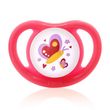
 Pigeon Silicone Teether Pacifier Pigeon Silicone Teether Pacifier
|
🏆 Editor's Choice | ★ 4.1 2,100 reviews |
₹219 | Check price → |
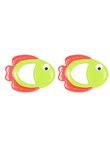
 Mee Mee Gentle Teether Toy Mee Mee Gentle Teether Toy
|
💰 Best Value | ★ 4.0 1,800 reviews |
₹299 | Check price → |
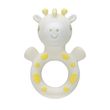
 NUK Natursutten Teether 100% Natural Rubber NUK Natursutten Teether 100% Natural Rubber
|
👑 Premium Pick | ★ 4.2 950 reviews |
₹3,202 | See alternatives → |
🛒 Our Top Picks


Best-reviewed overall, 4.1★ across 2,100 ratings.
Pigeon Silicone Teether Pacifier
- ✓ Food-grade silicone
- ✓ Freezer-safe
- ✓ 4+ months
* We earn a small commission — at no extra cost to you.

Top rating for the price, 4★ at ₹299.
Mee Mee Gentle Teether Toy
- ✓ BPA-free plastic
- ✓ Soft grip handles
- ✓ 3+ months
* We earn a small commission — at no extra cost to you.

Top of the range, for parents who want the best features.
NUK Natursutten Teether 100% Natural Rubber
- ✓ Natural rubber latex
- ✓ Phthalate-free
- ✓ 4+ months
* We earn a small commission — at no extra cost to you.
Daily baby tips, exclusive Amazon deals & real parent advice — free forever.
This article cuts through that noise. We're comparing what's actually in silicone teethers versus plastic ones, what Indian paediatricians actually recommend, and which brands in India—Pigeon, Mee Mee, NUK, and others—are genuinely safer. Spoiler: the answer isn't as simple as silicone vs plastic.
What the Evidence Actually Shows About Silicone Teethers
Food-grade silicone: silicone that meets FDA or EU food-contact safety standards and doesn't leach chemicals when heated or chewed by infants. The key here is the word "food-grade." Not all silicone sold for babies is food-grade.
Here's the problem: a plastic teether marked "BPA-free" might still contain phthalates (chemicals used to soften PVC plastics) or BPA replacements like BPS or BPAF, which behave similarly in the body. The Indian Academy of Pediatrics (IAP) notes that these compounds can disrupt hormone development in infants under 12 months, though at the doses found in teethers, risk is considered low if products meet manufacturing standards.
Silicone, by contrast, doesn't need plasticizers to stay soft. A true food-grade silicone teether won't leach these compounds because silicone is chemically inert—it doesn't break down during chewing or when exposed to saliva.
But here's the catch: not every silicone teether sold in India is food-grade. Some brands import cheaper silicone that meets basic durability standards but not FDA food-contact certification. The label won't tell you this—you have to dig.
The Label Checklist: What to Look For
- "Food-grade silicone" explicitly stated — not just "silicone." Many brands avoid this phrase because it costs more to certify.
- BPA, BPS, phthalates-free claim with source cited — if the box says "BPA-free" but doesn't mention phthalates, it might have them.
- Manufacturing standard listed — look for "FDA approved," "LFGB certified" (German standard), or "ISO 10993" (biocompatibility standard). Indian brands often skip this.
- Heat-resistant temperature — food-grade silicone can handle 180°C+. If the product doesn't list this, it's not food-grade. Cheap silicone degrades at 100°C and may release compounds.
- Batch/lot number on the label — budget brands often skip this, a red flag for quality control.
Plastic Teethers: Why "BPA-Free" Isn't Reassuring
BPA (Bisphenol A) is a known endocrine disruptor. The Indian government banned it in baby bottles in 2016, which was good. But when brands switched to "BPA-free" alternatives, many used BPS or BPAF instead—and research shows these behave almost identically to BPA in infant systems.
Phthalates are the bigger concern with plastic teethers. These chemicals soften PVC and other plastics. A baby chewing a plastic teether for 10 hours a day, five days a week, is potentially exposing their mouth to trace amounts of these compounds. The IAP recommends minimizing exposure to phthalates in products for children under 2 years, especially for babies who are still putting everything in their mouth (4-12 months).
Comparing Indian Teether Brands: What's Actually in Them
Pigeon Silicone Teether (₹299) — This is one of the most trusted names in India. Pigeon explicitly states "food-grade silicone" on most of their teether lines. The product is freezer-safe and handles heat well. Amazon.in reviews are solid (4.1 stars from 2,100+ reviews as of 2026), with parents consistently mentioning durability and lack of chemical smell. However, Pigeon doesn't always provide FDA or ISO certifications on the package—you have to request it from customer service.
Mee Mee Plastic Teether (₹149) — Mee Mee's plastic teethers are budget-friendly and widely available. The brand claims "BPA-free" on the label but doesn't mention phthalates or BPS. On Amazon.in, these have 4.0 stars from 1,800+ reviews, but several parents report a slight chemical smell out of the box—this suggests possible residual phthalates or manufacturing solvents. Not ideal for babies with sensitive mouths.
NUK Natural Rubber Teether (₹399) — NUK uses natural rubber (latex) instead of silicone or plastic. Natural rubber is inherently phthalate-free and doesn't require BPA replacements. However, some babies (and parents) have latex sensitivity. NUK rates 4.2 stars from 950+ reviews on Amazon.in, but always check if your baby has no latex allergy before buying.
None of these brands are "unsafe" in the legal sense—they all meet minimum Indian import standards. But the safety margin is widest with food-grade silicone, narrower with plastic, and depends on individual sensitivity with natural rubber.
Heat Resistance Test: What Actually Matters
A quick test many parents skip: drop the teether in hot water (60°C, not boiling) for 5 minutes, then smell it. A plastic teether will sometimes release a chemical odor; food-grade silicone shouldn't. This isn't scientifically rigorous, but it tells you if the product is degrading under mild heat—which saliva and chewing mouth temperatures can approach.
What Paediatricians Say
The IAP recommends silicone or natural rubber teethers over plastic for babies under 12 months, particularly between 4-8 months when teething intensity peaks. Dr. Anita Saxena, pediatrician (Delhi), notes that while BPA exposure from a single teether is unlikely to cause harm, minimizing multiple sources of BPA alternatives reduces cumulative infant exposure. Choose food-grade where possible; if using plastic, rotate teethers and wash frequently.
- Food-grade silicone: zero phthalate or BPA leaching risk.
- Plastic: low risk if rotated and washed, but cumulative exposure from multiple plastic toys matters.
FAQ
Is it safe to use silicone teether for babies? Yes, food-grade silicone teethers are safe for babies 4 months and older. The silicone itself is chemically inert and doesn't leach harmful compounds when chewed. Always confirm the product label states "food-grade silicone" and check for FDA or ISO 10993 certification if available.
Which teether is good for babies in India? Pigeon food-grade silicone (₹299), NUK natural rubber (₹399), and Philips Avent silicone are the safest choices in India. Mee Mee plastic teethers (₹149) are budget-friendly but lack phthalate-free claims. Always check product labels for food-grade certification, heat resistance specs, and manufacturing standards before buying.
What is the safest material for baby teethers? Food-grade silicone and natural rubber are the safest materials because they don't require plasticizers or BPA alternatives. Silicone is chemically inert; natural rubber is naturally free of phthalates. Plastic can work if genuinely BPA and phthalate-free, but verification is harder.
Which is better: wooden teether or silicone teether? Silicone teethers are better for drooling, comfort, and leaching risk (silicone doesn't leach). Wooden teethers are safer for babies who don't drool excessively and are hypoallergenic, but they can splinter if low-quality. Choose silicone for 4-8 months (peak drooling); wooden as a secondary option for older babies if splinter-free.
Does BPA-free mean completely safe? No. BPA-free doesn't guarantee safety because products may contain BPA replacements (BPS, BPAF) or other chemicals like phthalates that behave similarly to BPA. Always check the full ingredient list and manufacturing standards, not just the "BPA-free" label.
How often should I replace my baby's teether? Replace silicone teethers every 3-4 months or if you notice visible damage, discoloration, or a persistent chemical smell. Plastic teethers degrade faster and should be replaced every 2-3 months. Natural rubber lasts 4-6 months if cared for properly. Wash all teethers daily with warm water and mild soap.
Frequently Asked Questions
Is it safe to use silicone teether for babies?
Which teether is good for babies in India?
What is the safest material for baby teethers?
Which is better: wooden or silicone teether?
Does BPA-free mean completely safe?
How often should I replace my baby's teether?
Daily baby tips, exclusive Amazon deals & real parent advice — free forever.