
Are Baby Vitamins Necessary? What IAP 2026 Guidelines Actually Say vs Marketing Claims
Most healthy Indian babies aged 6–24 months do not need routine multivitamin supplements if they're eating a balanced diet and receiving targeted vitamin D drops. The IAP (Indian Academy of Pediatrics) 2026 guidelines recommend vitamin D universally and iron supplementation only for specific risk groups—not all babies. Marketing-driven "complete multivitamins" are often unnecessary for breastfed or formula-fed infants eating solid foods.
ℹ️ General information, not medical advice. If your baby seems unwell or anything worries you, talk to your paediatrician. Medical disclaimer
⚡ In a hurry? Our quick picks
When my daughter turned 6 months, I got flooded with calls from brand representatives and well-meaning relatives pushing vitamin syrups, "immunity" drops, and fancy multivitamin supplements. Each one promised stronger bones, sharper brain, more immunity. Every pediatrician I met asked one simple question: "Does she eat a variety of grains, lentils, fruits, and milk products?" When I said yes, the response was the same: "Then she doesn't need a multivitamin syrup."
🏆 Quick comparison: our top picks
| Product | Award | Rating | Price | |
|---|---|---|---|---|
 Dabur Babyorgane Multivitamin Drops (15ml) Dabur Babyorgane Multivitamin Drops (15ml)
|
🏆 Editor's Choice | ★ 4.2 4,523 reviews |
₹206 | Check price → |
 Iron Supplement Syrup for Babies by Hexa (5mg/5ml) Iron Supplement Syrup for Babies by Hexa (5mg/5ml)
|
💰 Best Value | ★ 4.1 897 reviews |
₹180 | Check price → |
 Vitamin D3 Drops for Babies by HealthKind (10 mcg/drop) Vitamin D3 Drops for Babies by HealthKind (10 mcg/drop)
|
👑 Premium Pick | ★ 4.4 2,156 reviews |
₹551 | Check price → |
🛒 Our Top Picks
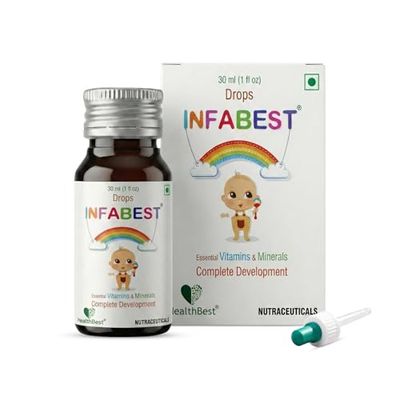
Best-reviewed overall, 4.2★ across 4,523 ratings.
Dabur Babyorgane Multivitamin Drops (15ml)
- ✓ Contains vitamin A, D3, B-complex, C
- ✓ Herbal base with jaggery
- ✓ No artificial colours
* We earn a small commission — at no extra cost to you.
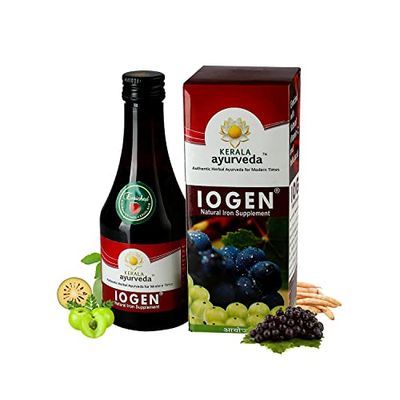
Top rating for the price, 4.1★ at ₹180.
Iron Supplement Syrup for Babies by Hexa (5mg/5ml)
- ✓ 5mg iron per 5ml dose
- ✓ 120ml bottle (monthly supply)
- ✓ Cherry flavour
* We earn a small commission — at no extra cost to you.
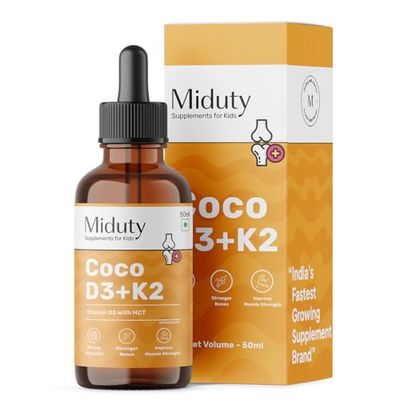
Top of the range, for parents who want the best features.
Vitamin D3 Drops for Babies by HealthKind (10 mcg/drop)
- ✓ 400 IU vitamin D3 per drop
- ✓ 3-month supply (90 drops)
- ✓ No artificial colours or flavours
* We earn a small commission — at no extra cost to you.
Daily baby tips, exclusive Amazon deals & real parent advice — free forever.
This is the gap between what brands sell and what evidence actually supports. Let me walk you through what Indian paediatricians actually recommend, what your baby genuinely needs, and how to spot the difference between marketing and medicine.
What the Evidence Actually Shows
Supplementation: medically prescribed vitamins or minerals given to fill a documented gap in the diet, supported by clinical evidence.
The IAP 2026 position on baby vitamin supplements is refreshingly clear: targeted supplementation works; blanket multivitamins don't. According to IAP guidelines, healthy infants aged 6–24 months who eat a mixed diet with grains, lentils, dairy, fruits, and vegetables do not require routine multivitamin supplements. What they may need depends on specific conditions—breastfeeding status, diet composition, and regional nutrient availability.
Here's the evidence-based breakdown:
- Vitamin D: IAP recommends universal vitamin D supplementation for all Indian babies from birth, regardless of feeding method, because sun exposure varies greatly across cities (Delhi vs Kochi vs Bengaluru) and dietary sources are limited. Vitamin D drops (₹200–600 for 3-month supply) are genuinely necessary.
- Iron: Needed only if baby is exclusively breastfed beyond 6 months and not eating iron-rich foods (lentils, fortified cereals, leafy greens), or if formula-fed with non-fortified formula. Iron supplements cost ₹150–450 per month.
- Calcium, phosphorus, magnesium: Adequate in breastmilk or infant formula; additional supplements unnecessary if baby eats dairy or fortified foods.
- Multivitamins: No clinical evidence supports routine multivitamin use in healthy babies eating normal diets. This is marketing territory.
Why does this matter? Because a ₹500–2,000 monthly multivitamin syrup marketed as essential growth booster is often unnecessary and can create false reassurance that replaces actual dietary variety. Brands profit from parental anxiety, not infant nutrition gaps.
The Breastfed vs Formula-Fed Divide
Breastfed babies (6+ months with complementary foods): Need vitamin D drops universally. If mother is vegetarian and baby isn't eating iron-rich foods regularly, iron supplementation becomes relevant. Breastmilk itself lacks vitamin D (even from well-nourished mothers), which is why supplementation is non-negotiable—not because breastmilk is inadequate overall, but because this single nutrient depends on sun exposure and dietary intake, which most urban Indian babies don't get enough of.
Formula-fed babies: If using an IAP-approved infant formula (like most major brands sold on Amazon.in), iron is already present in adequate amounts. Vitamin D is often added but sometimes in insufficient quantities—check the nutrition label on the can. Additional multivitamins are rarely needed. The formula itself is designed to cover micronutrient needs; this is why pediatricians ask which formula you're using.
The Vegetarian Baby Checklist: What Actually Matters
If your family is vegetarian, the supplement debate shifts slightly because plant-based diets require more intentional micronutrient planning. Here's what paediatricians actually look for:
- Iron-rich foods in diet: Is baby eating moong dal, masoor, toor dal, leafy greens, or fortified grains regularly (3+ times weekly)? If yes, iron supplementation is often unnecessary.
- Dairy intake: Milk, curd, paneer, and ghee cover calcium and vitamin B12 if they're consistent in the diet. Deficiency is rare in India.
- Vitamin B12: Only relevant if baby eats no dairy or fortified cereals. Most vegetarian Indian babies don't need separate B12 supplementation because of dairy consumption.
- Vitamin D: Non-negotiable regardless of diet type or income level.
The moment a parent tells me, "My 8-month-old eats idli, dosa, dal, curd, and fruit daily," I watch paediatricians visibly relax. This is a baby who likely doesn't need a multivitamin syrup. Add vitamin D drops, reassess iron at 12 months via blood work if high-risk, and move on.
The Marketing vs Evidence Trap
On Amazon.in, search "baby vitamin syrup" and you'll find dozens of products priced ₹400–1,500 monthly, each claiming to boost immunity, brain development, digestion, or growth. The claims sound scientific. The packaging looks clinical. The reviews are often positive (parents want to believe they're helping). But here's what regulatory bodies say:
FSSAI and IAP both note that "immunity booster" claims for multivitamins in babies lack clinical evidence. Immunity develops through exposure, breastmilk antibodies, vaccination, and diverse diet—not syrup. Similarly, "brain development" claims usually refer to generic nutrient roles (e.g., zinc is involved in neurological function) but don't mean an extra zinc supplement aids development in a well-fed baby.
This isn't to say every brand is dishonest. Many popular brands like Dabur Babyorgane Multivitamin, Himalaya Baby Massage Oil with vitamins, or Mama Earth Baby Multivitamin Drops list their ingredients transparently on Amazon.in. Parents in Bengaluru, Mumbai, and Delhi are increasingly fact-checking these claims against pediatrician recommendations—and many are discovering that if pediatrician-recommended vitamin D is being given, the additional multivitamin syrup is redundant.
What to actually look for if you choose a vitamin supplement:
- Ingredient list matches what's published on the brand's website and Amazon.in product page.
- No undisclosed additives or vague "proprietary blends."
- Price-to-benefit ratio makes sense (₹300+ monthly for a supplement a healthy baby likely doesn't need is poor value).
- Recommended by paediatrician for a specific reason, not as general wellness.
What Paediatricians Say
• Vitamin D is the only universal supplement: IAP 2026 guidelines mandate vitamin D supplementation for all Indian infants from birth, regardless of feeding or dietary variety, because geographic and seasonal variation in sunlight exposure makes dietary sources alone insufficient.
• Blanket multivitamins delay dietary assessment: Paediatricians often note that parents who give multivitamins sometimes skip building nutritionally diverse home diets, assuming the syrup covers gaps. This is backwards. The syrup should support, never replace, solid food variety.
Practical Decisions for Indian Parents
Here's how to think about this in your own home:
- Step 1: Ask your paediatrician, "Given my baby's current diet and our location, which supplements does she actually need?" Specific advice beats generic products.
- Step 2: Start with vitamin D drops (₹200–600, 3-month supply on Amazon.in). This is non-negotiable based on evidence.
- Step 3: If baby is exclusively breastfed and older than 9 months with low iron-rich food intake, discuss iron supplementation (₹150–450 monthly). Blood work at 12–18 months can confirm if iron stores are adequate.
- Step 4: Skip the multivitamin syrup unless recommended for a specific deficiency. Diversify diet instead.
- Step 5: If you choose a supplement, verify the brand lists ingredients transparently on Amazon.in and buy from that official listing, not a reseller.
The uncomfortable truth Gen Z parents hear loud and clear: the vitamin supplement industry profits from parental anxiety. Brands advertise to parents, not paediatricians. This isn't inherently evil—it's just business—but it means you have to fact-check marketing claims against evidence. And the evidence says most healthy Indian babies on varied diets don't need multivitamins. They need vitamin D, sometimes iron, and always solid food variety. That's it.
Frequently Asked Questions
Do babies really need multivitamins?
Can I skip vitamin D drops for my baby?
Does my breastfed baby need iron supplements?
Why do some parents refuse vitamin supplements for newborns?
Do pediatricians actually recommend vitamin syrups?
What's the difference between a vitamin supplement and a multivitamin syrup?
Daily baby tips, exclusive Amazon deals & real parent advice — free forever.