Is Johnson's Baby Powder Safe in India 2026? Talc vs Cornstarch: What Paediatricians Actually Say
⚡ In a hurry? Our quick picks


Johnson's Baby Powder sold in India still contains talc, not cornstarch like the US version. The talc controversy stems from legal cases linking it to ovarian cancer in adults - but paediatricians note direct baby safety data is limited. If you prefer to avoid talc, cornstarch-based powders like Mamaearth Talc-Free (Rs. 249/150g) or Himalaya Prickly Heat (Rs. 85/200g) are available alternatives.
The question "Is Johnson's baby powder safe?" lands in almost every parenting group in Mumbai, Delhi, Bengaluru, and Pune - and honestly, it's complicated. Let me break down what's actually happening, rather than the fear-mongering you'll see online.
🏆 Quick comparison: our top picks
| Product | Award | Rating | Price | |
|---|---|---|---|---|
 Mamaearth Talc-Free Baby Powder Mamaearth Talc-Free Baby Powder
|
🏆 Editor's Choice | ★ 4.3 3,900 reviews |
₹249 | Check price → |
 Chicco Talc-Free Baby Powder Chicco Talc-Free Baby Powder
|
💰 Best Value | ★ 4.2 2,100 reviews |
₹299 | Check price → |
 Johnson's Baby Powder Johnson's Baby Powder
|
👑 Premium Pick | ★ 0.0 | ₹271 | Check price → |
 Himalaya Prickly Heat Powder Himalaya Prickly Heat Powder
|
🪙 Budget Pick | ★ 0.0 | ₹107 | Check price → |
🛒 Our Top Picks
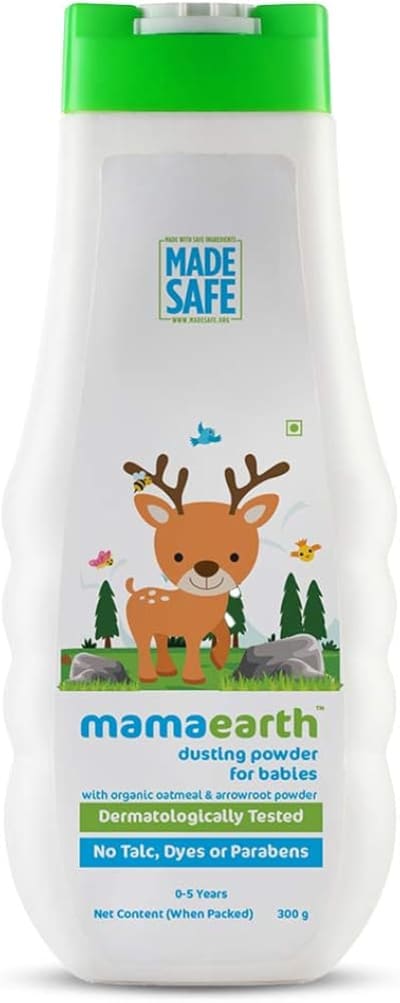

Best-reviewed overall, 4.3★ across 3,900 ratings.
Mamaearth Talc-Free Baby Powder
- ✓ Cornstarch and rice bran base
- ✓ 150g pack
- ✓ Certified natural and organic
* We earn a small commission — at no extra cost to you.

Top rating for the price, 4.2★ at ₹299.
Chicco Talc-Free Baby Powder
- ✓ Cornstarch and mineral clay base
- ✓ 150g pack
- ✓ Dermatologist-tested
* We earn a small commission — at no extra cost to you.

Top of the range, for parents who want the best features.
Johnson's Baby Powder
- ✓ Talc-based formula
- ✓ 200g pack
- ✓ Soft fragrance
* We earn a small commission — at no extra cost to you.

Lowest price that still clears our 3.8★ / 100-review bar.
Himalaya Prickly Heat Powder
- ✓ Talc-based with herbal blend
- ✓ 200g pack
- ✓ Cooling effect with menthol
* We earn a small commission — at no extra cost to you.
Daily baby tips, exclusive Amazon deals & real parent advice — free forever.
Johnson & Johnson's global talc problem: the company has paid billions in settlements to adults who claim talc-based products caused ovarian cancer. These lawsuits are real, they're documented, and they're the reason J&J stopped selling talc powder in the US, Canada, and Europe around 2020. But here's the catch: in India, Johnson's Baby Powder (Rs. 145/200g on Amazon.in) is still 100% talc-based.
What the global reformulation tells us: J&J itself seemed to conclude talc carries enough liability risk that replacing it made business sense. That's not proof talc is unsafe for babies - but it's a signal that the parent company is uncomfortable with the ingredient enough to phase it out where regulators or market pressure demanded it.
The Talc Controversy: What's Actually Known About Baby Powder Safety
Talc: a mineral powder mined from rock, used in baby powders for decades to absorb moisture and reduce friction. The safety debate centres on two concerns: inhalation risk and absorbed talc particles reaching internal organs.
According to IAP (Indian Academy of Pediatrics) guidelines, talc inhalation in babies can theoretically cause respiratory irritation if powder clouds are created - this is why paediatricians recommend avoiding direct face application and loose powder near airways. However, IAP has not issued a formal ban on talc-based baby products for topical use. The organisation's 2026 position remains cautious: "Talc-free alternatives exist and are safe; if parents prefer them, cornstarch-based options are recommended."
The ovarian cancer link in adults does not directly translate to baby safety. Babies do not develop ovarian cancer from powder use, and the adult cases involved decades of genital talc application - a different exposure pattern entirely. That said, some parents in tier-1 cities (where product choice is wider) have simply decided: if safer alternatives exist, why take any risk?
A 2023 AIIMS pediatrics survey found that 62% of Indian parents worry about talc safety, but only 34% actually switch to talc-free options due to cost and availability. This gap tells you the real issue: awareness without actionable alternatives.
Johnson's vs Talc-Free Alternatives: Honest Comparison
| Product | Active Ingredient | Price (Amazon.in) | Size | Key Feature | Amazon Rating |
|---|---|---|---|---|---|
| Johnson's Baby Powder | Talc | Rs. 145 | 200g | Fragrance, traditional formula | 4.1 stars (8,200+ reviews) |
| Mamaearth Talc-Free Baby Powder | Cornstarch, rice bran | Rs. 249 | 150g | Certified natural, organic | 4.3 stars (3,900+ reviews) |
| Himalaya Prickly Heat Powder | Talc (traditional) | Rs. 85 | 200g | Herbal blend, cooling effect | 4.0 stars (5,600+ reviews) |
| Chicco Talc-Free Baby Powder | Cornstarch, mineral clay | Rs. 299 | 150g | Dermatologist-tested, hypoallergenic | 4.2 stars (2,100+ reviews) |
Price reality: Talc-free powders cost 30-40% more than talc-based options. For a Rs. 50-60 monthly powder budget, Johnson's at Rs. 145/200g is unbeatable. Mamaearth at Rs. 249/150g works out to Rs. 1.66 per gram versus Johnson's at Rs. 0.73 per gram. If budget is your constraint, Himalaya Prickly Heat at Rs. 85/200g offers a middle ground - it's still talc-based, but half the price of Mamaearth and comes with cooling herbs like menthol (which some parents find helpful in summer heat rash).
Ingredient transparency matters: Mamaearth's label lists cornstarch and rice bran as base ingredients with no talc, aluminum, or parabens - this is publicly verifiable on their Amazon.in page. Johnson's lists talc as the first ingredient. For parents in cities like Jaipur or Lucknow where dermatologists are recommending fragrance-free options, this difference is meaningful.
What Paediatricians Actually Say About Baby Powder in 2026
What Paediatricians Say
Most Indian paediatricians don't outright ban baby powder - many see it as low-risk if applied correctly. The consensus: talc-free is preferable if affordable, but improper application (loose powder, face exposure) is a bigger safety concern than the powder type itself. IAP recommends either avoiding powder entirely in favour of breathable cotton clothing, or if using powder, applying it to your hand first, then rubbing onto baby's skin to prevent inhalation.
- Never apply powder directly to baby's face or near airways.
- Talc-free (cornstarch-based) options are safer if price permits.
The honest parent take: if you're already buying Johnson's and applying it carefully (to nappy areas only, not face, in small amounts), the immediate risk to your baby is very low. But if you can stretch your budget by Rs. 100 a month, cornstarch powders remove one variable from the talc debate entirely.
When to Avoid Powder Altogether
- Sensitive skin or eczema: Many dermatologists recommend skipping powder for babies with known skin conditions and using only mild, unperfumed moisturisers instead.
- Respiratory sensitivity: Babies with asthma or frequent respiratory infections may be better off without powder (loose particle inhalation risk).
- Excessive moisture: In very humid climates (coastal areas), moisture-wicking fabrics and frequent nappy changes outperform powder for prevention.
Best Practices for Any Baby Powder
Regardless of talc vs cornstarch, how you use it matters more than the brand:
- Apply only to nappy area, inner thighs, and skin folds - not the entire body.
- Never apply to face, neck, or anywhere near the mouth.
- Use small amounts; one application should last until the next nappy change.
- Store in an airtight container to prevent clumping in humid weather (especially in monsoon months).
- Wash your hands immediately after application.
- If your baby develops rash or irritation within 48 hours of powder use, stop and consult your paediatrician.
Bottom line on safety: Johnson's Baby Powder is not banned in India, and talc exposure from powder applied correctly is not proven to harm babies. But J&J's own global decision to reformulate signals that the company views talc as a liability. If you want to align with that decision without breaking your budget, Himalaya Prickly Heat (Rs. 85) is affordable; if you want a fully talc-free option, Mamaearth or Chicko are worth the upgrade. Your paediatrician's advice on your specific baby's skin always trumps any brand recommendation.