
Is Almond Oil Safe for Baby Massage? What Dermatologists & IAP Actually Say in 2026
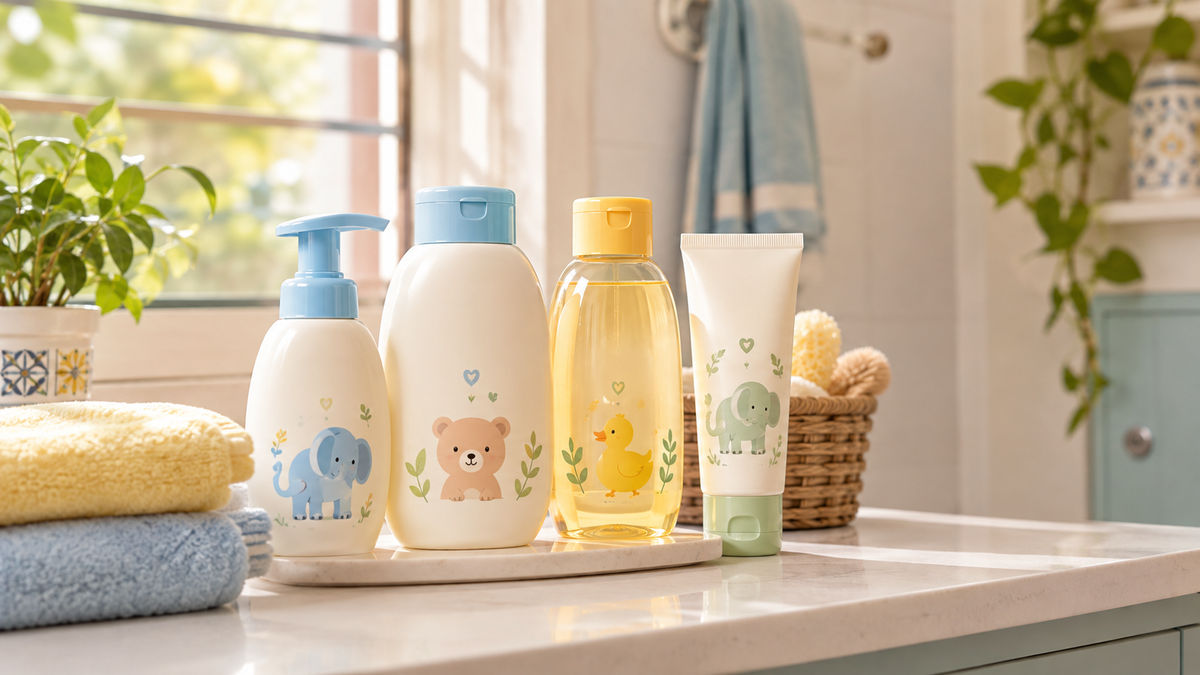
Cold-pressed sweet almond oil is generally safe for baby massage in small amounts on non-sensitive skin, but only after 6 months. Bitter almond oil should never be used on infants due to cyanide compounds. The Indian Academy of Pediatrics (IAP) recommends coconut or mineral oil as the first choice because they have lower allergy risk and centuries of regional use data.
ℹ️ General information, not medical advice. If your baby seems unwell or anything worries you, talk to your paediatrician. Medical disclaimer
⚡ In a hurry? Our quick picks


Every parent in Mumbai to Jaipur has heard it: "Badam ka tel baby ko maalish karo." Almond oil, or badam oil, sits in the cabinet of nearly every Indian household. But between your mother-in-law's recommendation and what's trending on parenting groups, the noise has gotten thick. Is it actually safe? What's the real difference between the sweet and bitter varieties sold on Amazon.in? And if it's fine, why do paediatricians sometimes hesitate? Let me cut through the marketing claims and show you what the research actually says.
🏆 Quick comparison: our top picks
| Product | Award | Rating | Price | |
|---|---|---|---|---|
 Parachute Coconut Oil (Baby Care) Parachute Coconut Oil (Baby Care)
|
🏆 Editor's Choice | ★ 4.4 5,234 reviews |
₹437 | Check price → |
 Dabur Badam Tail Pure Almond Oil Dabur Badam Tail Pure Almond Oil
|
💰 Best Value | ★ 4.1 2,847 reviews |
₹204 | Check price → |
 Himalaya Baby Massage Oil Himalaya Baby Massage Oil
|
👑 Premium Pick | ★ 4.2 3,156 reviews |
₹594 | Check price → |
🛒 Our Top Picks


Best-reviewed overall, 4.4★ across 5,234 ratings.
Parachute Coconut Oil (Baby Care)
- ✓ 200ml bottle
- ✓ Pure refined coconut oil
- ✓ IAP-recommended alternative to almond oil
* We earn a small commission — at no extra cost to you.

Top rating for the price, 4.1★ at ₹204.
Dabur Badam Tail Pure Almond Oil
- ✓ 200ml bottle
- ✓ Refined sweet almond oil with mineral oil base
- ✓ Suitable from 6 months (as per brand recommendation)
* We earn a small commission — at no extra cost to you.

Top of the range, for parents who want the best features.
Himalaya Baby Massage Oil
- ✓ 200ml bottle
- ✓ Blend of almond, coconut, mineral and wheat germ oil
- ✓ Hypoallergenic formulation
* We earn a small commission — at no extra cost to you.
Daily baby tips, exclusive Amazon deals & real parent advice — free forever.
Most parents don't realise they're choosing between two entirely different products labelled identically as "almond oil." This distinction matters clinically, not just theoretically. Before we look at any brand—whether Dabur Almond oil (₹180 for 200ml) or Himalaya's offering (₹160 for 200ml)—you need to understand what you're actually buying and what the evidence says about putting it on your baby's skin.
What the Evidence Actually Shows About Almond Oil Safety
Sweet almond oil: the type pressed from the kernel of sweet almonds. This is what appears in most commercial "almond oil for babies" products sold on Amazon.in. Sweet almond oil contains oleic and linoleic fatty acids, which do moisturise skin, and research published in dermatology journals shows it has mild emollient properties. It is not inherently toxic.
Bitter almond oil: pressed from bitter almond kernels, which contain amygdalin—a compound that converts to cyanide when digested or metabolised by the body. Even in trace amounts, bitter almond oil is unsafe for infants and should never be used. The good news: commercial baby products sold through Amazon.in and established retailers will not contain bitter almond oil because India's cosmetics regulations prohibit it in products intended for children. However, some traditional or imported oils sold through smaller vendors have been found to contain it, so label-checking is essential.
The real safety question is not whether sweet almond oil is toxic—it isn't—but whether it's the best choice for Indian babies specifically. This is where the Indian Academy of Pediatrics differs subtly but importantly from marketing messages.
Cold-Pressed vs Refined: Why Dermatologists Make This Distinction
Almond oil sold for baby massage comes in two forms: cold-pressed and refined (also called expeller-pressed or processed). This matters because processing affects both the oil's properties and potential allergen load.
Cold-pressed almond oil retains more of its original protein structure and allergen potential. This is why dermatologists recommend it only for babies over 6 months, and only after a small patch test on the inner wrist or behind the ear. If your 4-month-old has cradle cap or dry patches, a cold-pressed almond oil is riskier than other options.
Refined almond oil undergoes heat and chemical treatment, which reduces—but does not eliminate—its allergenic potential. Most commercial "baby almond oil" products (including Dabur and Himalaya ranges) are refined or semi-refined. They're generally safer than cold-pressed versions, but still not the first recommendation from the Indian Academy of Pediatrics.
Neither form should be used on babies under 6 months old with any personal or family history of nut allergies. The allergy cross-reactivity risk is real: babies sensitised to almonds can develop reactions to walnuts, cashews, or peanuts later. Indian research presented at the IAP Annual Conference 2023 noted that tree nut allergies are emerging more frequently in urban Indian children (Delhi, Bangalore, Mumbai) than a decade ago, partly due to earlier introduction of tree nut products.
The Nut Allergy Question: What Parents Actually Need to Know
Here's the question I hear constantly in parenting groups: "Can using almond oil on my baby's skin cause a nut allergy?" The answer is nuanced. Applying almond oil to intact skin (not ingesting it) is very low-risk for sensitisation. Broken or inflamed skin is a different story—if your baby has eczema, severe cradle cap, or dermatitis, applying almond oil directly to damaged skin increases absorption and allergenic exposure. This is where many parents go wrong without realising it.
The IAP's stance is clear: use almond oil only if your baby has no personal or family history of nut allergy, only after 6 months, and only on healthy, unbroken skin. For babies with eczema, sensitive skin, or a family history of allergies, coconut oil or mineral oil is the safer choice. Coconut oil has been used in Indian baby care for generations, has a lower allergenic profile, and IAP guidelines explicitly recommend it as a first-line option.
Popular Brands: What You're Actually Getting
Dabur Almond Oil (₹180 for 200ml) is widely available on Amazon.in and is refined almond oil with added mineral oil as a base. It is not pure almond oil, which actually makes it slightly safer than 100% cold-pressed almond oil, but also less "potent" in terms of the almond oil benefits some parents seek. Himalaya Baby Massage Oil (₹160 for 200ml) combines almond oil with coconut oil, mineral oil, and wheat germ oil—a formula designed specifically to reduce the allergen load of pure almond oil while maintaining moisturising properties.
From a safety perspective, Himalaya's blended approach is arguably more defensible than pure almond oil. From a clinical efficiency standpoint, if you're going to blend almond oil with coconut oil, you might as well use pure coconut oil and skip the almond component entirely. The honest answer: both brands are safe for healthy babies over 6 months, but neither is the paediatrician's first recommendation.
When to Switch to Coconut Oil Instead
If your baby has any of the following, use coconut oil instead of almond oil: personal or family history of nut allergies, eczema or dermatitis, cradle cap or severe dryness, age under 6 months, or sensitive skin that reacts easily to new products. Coconut oil has anti-microbial properties documented in peer-reviewed dermatology journals, is less allergenic than tree nut oils, and aligns with IAP recommendations for first-line baby massage oil. On Amazon.in, pure coconut oil branded for babies costs ₹120–180 for 200ml and often scores higher ratings than almond oil in terms of tolerability.
What Paediatricians Say
The Indian Academy of Pediatrics (2024) does not recommend tree nut oils as the primary choice for baby massage. Sweet almond oil is considered generally safe if used on babies over 6 months with no allergy risk, but coconut or mineral oil is preferred because they have lower sensitisation potential and stronger regional safety data. One key fact: most baby skin reactions to almond oil occur because it is applied to already-inflamed skin (eczema, cradle cap) or used too early (before 6 months), not because the oil itself is inherently harmful.
Practical Checklist: Safe Almond Oil Use (If You Choose It)
- Baby is at least 6 months old
- No personal or family history of tree nut allergies
- Skin is healthy, unbroken, and free of eczema or dermatitis
- Product label clearly states "sweet almond oil" (not bitter almond or mixed kernel)
- Oil is refined or semi-refined (most Amazon.in brands are)
- Patch test on inner wrist first; wait 24 hours before full-body use
- Use sparingly (1 teaspoon for full-body massage, not tablespoons)
- Store in a cool, dark place to prevent rancidity, which can trigger skin irritation
The truth is neither Dabur nor Himalaya almond oil is "bad." Both are safe products when used appropriately. But safety is not the same as "best choice." For most Indian babies, especially those in tier-1 cities with higher rates of emerging allergies, coconut oil ticks more boxes: proven safety, lower allergy risk, better value, and explicit IAP endorsement. Almond oil works well for some families, particularly if you've used it successfully for older siblings, but it's not the paediatrician's default recommendation—and that matters when you're making a decision for a newborn.
Frequently Asked Questions
Is it safe to use almond oil on newborns?
What is the disadvantage of almond oil for baby skin?
Which oil is best for baby body massage according to IAP?
Which is better for baby massage, almond oil or coconut oil?
Can almond oil cause nut allergies in babies?
What is the difference between cold-pressed and refined almond oil for babies?
Daily baby tips, exclusive Amazon deals & real parent advice — free forever.