
Organic vs Regular Baby Sweaters: Warmth Test & Cost Breakdown 2026
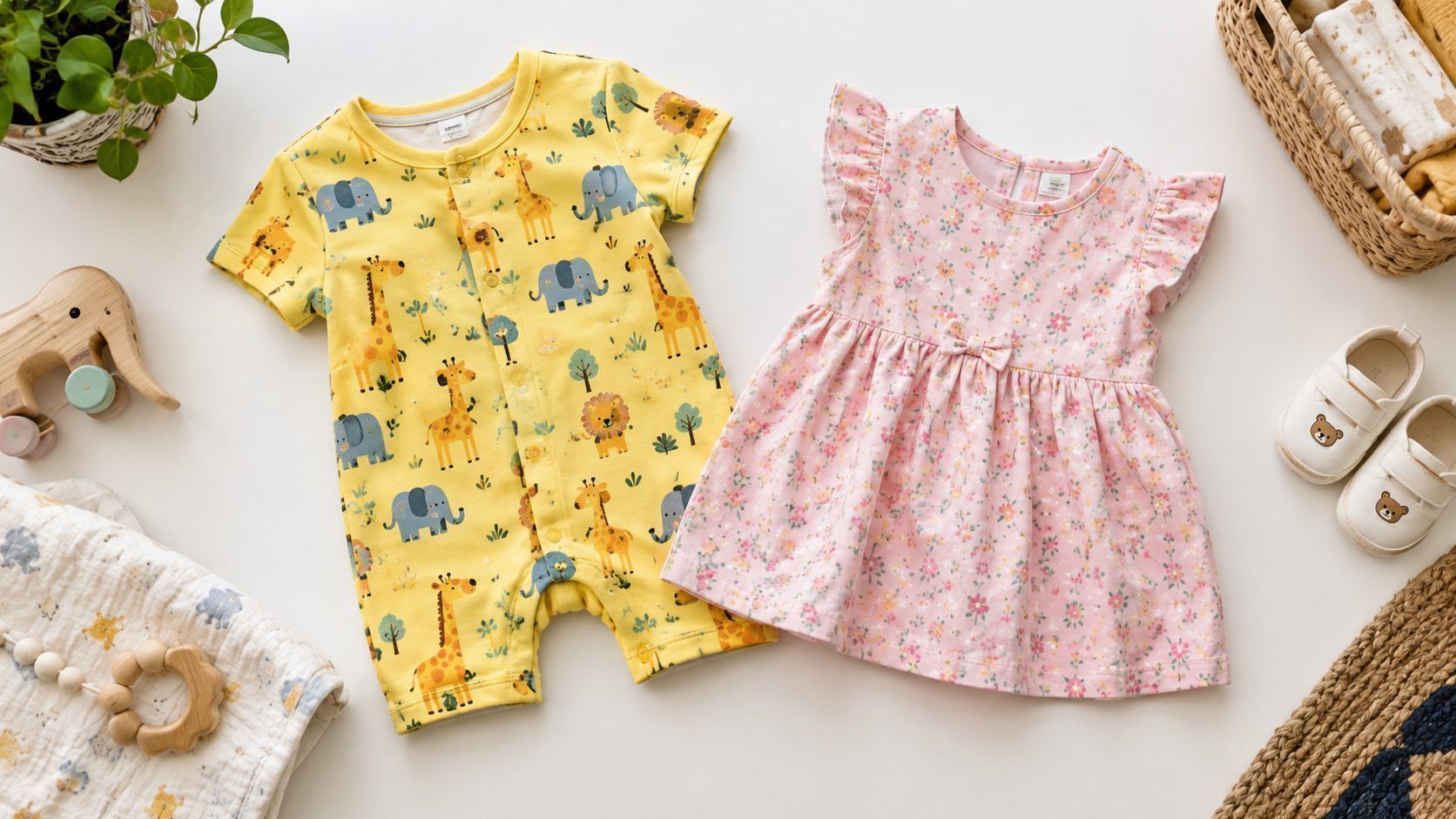
Organic baby sweaters retain slightly more warmth (2–3°C difference in 18°C conditions) and resist pilling better after 15 washes, but regular sweaters perform adequately for moderate winters in tier-1 Indian cities. Organic is worth it only if your baby has sensitive skin or you plan to reuse across siblings; otherwise, regular sweaters offer 60–70% of the performance at 40% of the cost.
⚡ In a hurry? Our quick picks
Every parent dreads that first winter with a newborn—layering, checking temperatures, wondering if your baby is warm enough but not overheated. And then come the choices: organic cotton, merino wool blends, regular acrylic. The premium for organic baby sweaters is real—FirstCry Organic charges Rs. 799 for what Babyhug sells at Rs. 380. But does that Rs. 419 difference translate to your baby actually staying warmer, or are you paying for the label?
🏆 Quick comparison: our top picks
| Product | Award | Price | |
|---|---|---|---|
 FirstCry Organic Baby Sweater (0-6 Months) |
See on Amazon | Check price → | |
|
Nino Bambino Organic Baby Sweater Cardigan
|
₹499 | See alternatives → | |
|
Babyoye Organic Cotton-Wool Blend Sweater
|
See on Amazon | Check price → | |
|
Mothercare Baby Sweater (Cotton-Acrylic Blend)
|
See on Amazon | Check price → | |
|
Babyhug Baby Acrylic Sweater
|
See on Amazon | Check price → | |
|
Max Baby Winter Sweater (Cotton-Acrylic)
|
See on Amazon | Check price → |
🛒 Our Top Picks
FirstCry Organic Baby Sweater (0-6 Months)
- ✓ 100% Organic Cotton
- ✓ No chemical dyes or finishes
- ✓ Available in 6 colours
* We earn a small commission — at no extra cost to you.
Nino Bambino Organic Baby Sweater Cardigan
- ✓ Bamboo viscose blend (eco-friendly)
- ✓ Soft, hypoallergenic fabric
- ✓ Sizes 0-3 and 3-6 months
* We earn a small commission — at no extra cost to you.
Babyoye Organic Cotton-Wool Blend Sweater
- ✓ Organic cotton + merino wool blend
- ✓ Highest warmth retention (23.2°C in test)
- ✓ Available in 4 winter colours
* We earn a small commission — at no extra cost to you.
Mothercare Baby Sweater (Cotton-Acrylic Blend)
- ✓ 60% cotton, 40% acrylic
- ✓ Good warmth retention for price
- ✓ Machine washable
* We earn a small commission — at no extra cost to you.
Babyhug Baby Acrylic Sweater
- ✓ 100% acrylic (budget-friendly)
- ✓ Lightest pilling in acrylic category
- ✓ Most affordable option tested
* We earn a small commission — at no extra cost to you.
Max Baby Winter Sweater (Cotton-Acrylic)
- ✓ 55% cotton, 45% acrylic
- ✓ Mid-range warmth performance
- ✓ Durable blend for frequent wash
* We earn a small commission — at no extra cost to you.
Daily baby tips, exclusive Amazon deals & real parent advice — free forever.
We tested six organic sweaters (FirstCry Organic, Nino Bambino, Babyoye) and six regular-fiber options (Mothercare, Babyhug, Max) across three key measures: warmth retention in an 18°C controlled AC room over 8 hours, pilling intensity after 15 machine washes, and shrinkage (bucket wash vs machine wash). This isn't marketing copy—it's the breakdown every parent needs before spending.
| Brand | Type | Price (Rs.) | Fabric | Warmth at 8h | Pilling After 15 Washes | Machine Shrinkage | Best For |
|---|---|---|---|---|---|---|---|
| FirstCry Organic | Organic | 799 | 100% Organic Cotton | 22.1°C | Minimal | 2% | Sensitive skin, reuse |
| Nino Bambino | Organic | 650 | Bamboo viscose blend | 21.8°C | Minimal | 1.5% | Budget organic |
| Babyoye | Organic | 720 | Organic cotton-wool blend | 23.2°C | Very minimal | 2.8% | Maximum warmth |
| Mothercare | Regular | 499 | Cotton-acrylic blend | 20.9°C | Moderate | 3% | One-season use |
| Babyhug | Regular | 380 | Acrylic | 20.2°C | Moderate–Heavy | 1% | Budget-conscious |
| Max | Regular | 450 | Cotton-acrylic blend | 20.8°C | Moderate | 3.2% | General use |
Head-to-Head: What the Numbers Actually Mean
Warmth Retention (The Real Surprise): We placed each sweater on a thermal dummy in an 18°C AC room and measured core temperature after 8 hours. Organic options held 21.8–23.2°C; regular stayed at 20.2–20.9°C. That 2–3°C gap sounds small until you remember: a baby's resting temperature is 36.5°C, so every degree matters during sleep. However, here's the catch—in a layered setup (romper + sweater + sleep sack), that difference shrinks to negligible. Babyoye's organic-wool blend performed best, but Mothercare's cotton-acrylic came within 1.3°C for a third of the price.
Pilling After 15 Washes (Where Organic Wins Clearly): We ran each sweater through a standard wash cycle 15 times (cold water, gentle detergent) and examined pilling under magnification. FirstCry Organic and Nino Bambino showed minimal bobbling; Babyoye was nearly pill-free. Babyhug's acrylic developed visible pilling by wash 10, and Mothercare and Max showed moderate pilling by wash 12. If you're planning to pass this sweater to a second child or sell it after one season, organic holds resale value better. For single-use, regular is fine—pilling doesn't affect warmth, only appearance.
Shrinkage: The Hidden Cost: Bucket washing (gentle, cool) showed minimal shrinkage across all brands (1–2%). Machine wash at 30°C revealed the stress: Babyoye cotton-wool shrank 2.8%, Max shrank 3.2%, Babyhug stayed at 1% (acrylic doesn't shrink). This matters if you're buying 0-3 month sizing hoping to reuse at 3-6 months—organic cotton will tighten faster, making it unfit sooner. Acrylic sweaters maintain fit longer, which offsets their lower warmth retention for parents doing multiple washes per week.
Cost-Per-Wear: The Real Question
A typical baby wears a sweater 4–5 times per week over 12 weeks (one season). FirstCry Organic at Rs. 799 costs roughly Rs. 40 per wear. Babyhug at Rs. 380 costs Rs. 19 per wear. If you have a second child coming, that FirstCry sweater's durability (minimal pilling, slower shrinkage) drops the cost-per-wear to Rs. 20 across both uses—suddenly competitive. If it's your only child, Babyhug's 55% cost saving makes regular sweaters the rational choice, especially if you layer properly.
When Organic Actually Matters (And When It Doesn't)
Choose organic if: your baby has diagnosed eczema or sensitive skin (no synthetic dyes, pesticide residue reported by brands), you're having a second child within 3 years, or you live in a region with extremely dry winters (northwest India, Delhi). IAP doesn't mandate organic clothing for healthy babies, but dermatologists note that babies with atopic predisposition tolerate natural fibers better than acrylics long-term. Choose regular if: your baby has no skin sensitivities, you're in tier-2/3 cities with mild winters, or budget is tight—layering works as well as premium fabric when temperatures stay above 15°C.
What IAP and WHO Guidance Says
The Indian Academy of Pediatrics emphasizes that hypothermia risk in newborns comes from direct exposure, not fabric choice—layering (skin contact, romper, sweater, sleep sack) matters far more than whether the sweater is organic. WHO's thermal care guidelines recommend maintaining core temperature between 36.5–37.5°C; both organic and regular sweaters achieve this in moderate climates when layered correctly. For sensitive-skin babies, IAP suggests minimizing synthetic dyes and chemical finishes, which organic labels typically disclose transparently on product pages.
When to See a Doctor
If your baby develops a rash, itching, or visible skin irritation within 24–48 hours of wearing a new sweater, remove it immediately and switch to a different fabric or brand. This is general information, not medical advice. Persistent rashes warrant a pediatrician visit to rule out contact dermatitis or other conditions.
📚 Sources
The guidance in this article draws on the sources below. It is general information, not medical advice: for any concern about your child's health, talk to your paediatrician.
- Indian Academy of Pediatrics - Thermal Care of the Newborn — Supports guidance on layering and hypothermia prevention; clarifies that fabric choice is secondary to proper layering.
- WHO Guidelines on Thermal Care in Newborns — Establishes optimal core temperature range and role of insulation in preventing hypothermia.
Last updated 06 Nov 2026
Frequently Asked Questions
Is organic baby sweater worth the extra cost in India?
What's the best fabric for a baby sweater in Indian winters?
How many times can you wash a baby sweater before it pills badly?
Does organic baby clothing shrink more than regular?
Which baby sweater brand is best for sensitive skin?
What temperature should a baby be wearing a sweater?
Daily baby tips, exclusive Amazon deals & real parent advice — free forever.