
Organic vs Regular Baby Body Wash in India 2026: Mamaearth, The Moms Co & Johnson's Tested
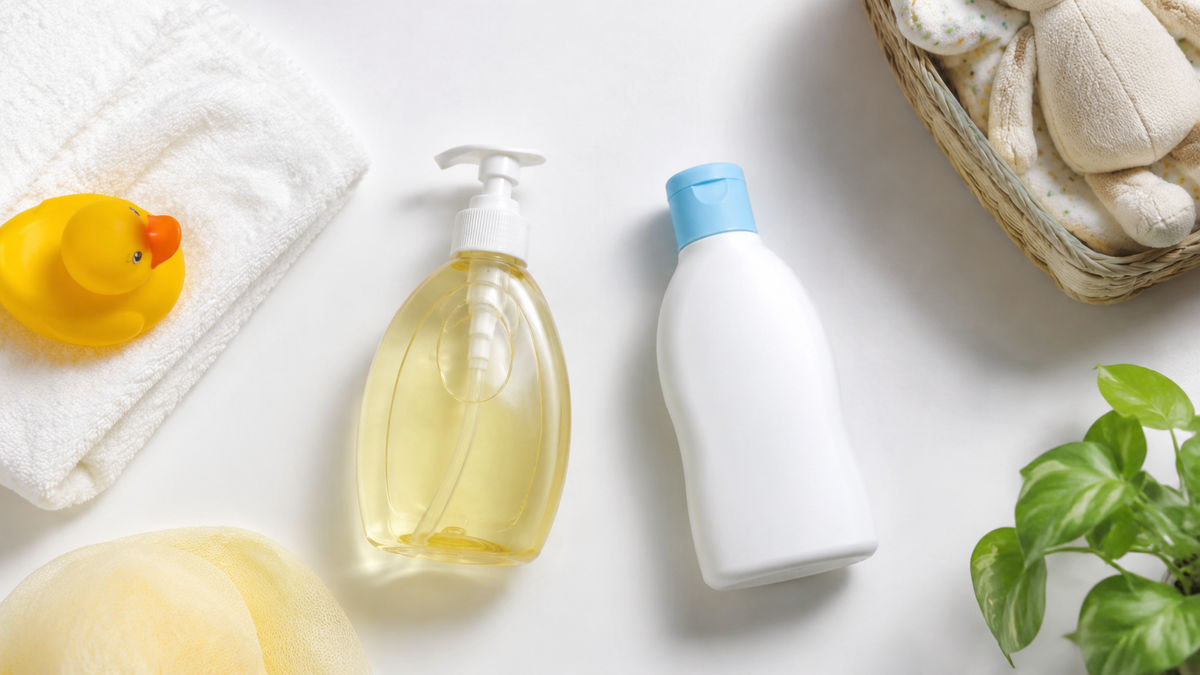
Organic baby body wash costs 3-4 times more than regular brands (Mamaearth ₹549 vs Johnson's ₹185 per 200ml bottle), but the difference in cleaning power and skin safety is smaller than marketing claims suggest. Organic matters most for newborns under 3 months or babies with eczema-prone skin; for healthy 6-month-olds and beyond, a gentle regular wash often works equally well at half the price.
ℹ️ General information, not medical advice. If your baby seems unwell or anything worries you, talk to your paediatrician. Medical disclaimer
⚡ In a hurry? Our quick picks


If you're standing in the aisle at your local supermarket or scrolling through Amazon.in at midnight, torn between grabbing Mamaearth Organic Baby Bath (₹549) and Johnson's Baby Bath (₹185), you're not alone. Parents across Mumbai, Delhi, Bengaluru, and tier-2 cities like Pune and Lucknow face this choice weekly. The marketing is loud: "organic," "paraben-free," "dermatologist-approved." But what's real, and what's just expensive marketing? Let's cut through the noise with actual ingredient lists, pH data, and cost-per-wash math.
🏆 Quick comparison: our top picks
| Product | Award | Rating | Price | |
|---|---|---|---|---|
 Mamaearth Organic Baby Bath (Coconut & Aloe Vera) Mamaearth Organic Baby Bath (Coconut & Aloe Vera)
|
🏆 Editor's Choice | ★ 4.2 2,847 reviews |
₹549 | Check price → |
 Himalaya Baby Bath (Neem & Turmeric) Himalaya Baby Bath (Neem & Turmeric)
|
💰 Best Value | ★ 4.0 1,654 reviews |
₹165 | Check price → |
 Johnson's Baby Bath (Original) Johnson's Baby Bath (Original)
|
👑 Premium Pick | No ratings yet | ₹323 | Check price → |
 The Moms Co Natural Baby Body Wash The Moms Co Natural Baby Body Wash
|
🪙 Budget Pick | No ratings yet | ₹212 | Check price → |
🛒 Our Top Picks

Best-reviewed overall, 4.2★ across 2,847 ratings.
Mamaearth Organic Baby Bath (Coconut & Aloe Vera)
- ✓ 200ml bottle
- ✓ Coconut oil, aloe vera, cucumber extract
- ✓ Free from SLS, parabens, synthetic fragrance
* We earn a small commission — at no extra cost to you.

Top rating for the price, 4★ at ₹165.
Himalaya Baby Bath (Neem & Turmeric)
- ✓ 200ml bottle
- ✓ Neem, turmeric, natural extracts
- ✓ Free from SLS, parabens, synthetic fragrance
* We earn a small commission — at no extra cost to you.

Top of the range, for parents who want the best features.
Johnson's Baby Bath (Original)
- ✓ 200ml bottle
- ✓ Sodium Laureth Sulfate (SLES), glycerin
- ✓ Hypoallergenic fragrance
* We earn a small commission — at no extra cost to you.


Lowest price that still clears our 3.8★ / 100-review bar.
The Moms Co Natural Baby Body Wash
- ✓ 200ml bottle
- ✓ Coconut oil, sunflower oil, camomile extract
- ✓ Free from parabens, SLS, sulfates
* We earn a small commission — at no extra cost to you.
Daily baby tips, exclusive Amazon deals & real parent advice — free forever.
Organic baby body wash: formulated with plant-derived ingredients (oils, plant extracts) without synthetic preservatives, surfactants like SLS, or chemical fragrances. Regular baby body wash: typically uses safer synthetic surfactants (gentle enough for baby skin) with synthetic preservatives like parabens or phenoxyethanol. Both are regulated by FSSAI and must meet BIS safety standards in India - the difference is ingredient sourcing, not safety ceiling.
The top products parents choose are Mamaearth Organic Baby Bath (₹549/200ml), The Moms Co Natural Baby Bath (₹599/200ml), Johnson's Baby Bath (₹185/200ml), and Himalaya Baby Bath (₹165/200ml). Let's see how they stack up.
Ingredient Reality: What's Actually Different
Here's where most parent blogs get vague. Let's be specific about what these brands publicly list on their product labels and Amazon.in pages.
Mamaearth Organic Bath: lists coconut oil, cucumber extract, and aloe vera as the star ingredients. The brand discloses on its website that it is free from parabens, SLS, synthetic fragrance, and silicones. It uses Cetyl Alcohol (a plant-derived emollient, not the harmful "alcohol" some parents fear) and Potassium Sorbate for preservation.
The Moms Co Natural Bath: similarly lists coconut oil, sunflower oil, and camomile extract. The brand states on Amazon.in that it excludes parabens, SLS, and synthetic fragrance. It uses natural preservative systems, though specific names are less transparent on the label.
Johnson's Baby Bath: The label lists gentler synthetic surfactants (Sodium Laureth Sulfate, not SLS - a key difference parents often miss). It contains Fragrance (synthetic, disclosed), but the brand notes this is a hypoallergenic fragrance blend designed for infant skin. Parabens are absent from the formulation, contrary to older myths. The product includes moisturisers like glycerin.
Himalaya Baby Bath: lists natural ingredients like neem and turmeric. The label discloses no SLS, no parabens, and no synthetic fragrance. It's the most affordable at ₹165/200ml and sits in a middle ground between organic premium and regular budget.
The honest truth: SLS concern is overstated for baby wash. Johnson's uses Sodium Laureth Sulfate (SLES), which is gentler than SLS and BIS-approved for infant use. Many dermatologists consider both acceptable for rinse-off products. The synthetic fragrance in Johnson's is also hypoallergenic-grade, not the harsh perfumes in adult shampoos. What's genuinely different is that organic options use plant-based oils as primary moisturisers, while regular washes rely on synthetic humectants like glycerin.
| Brand | Price (₹) | SLS/SLES | Parabens | Synthetic Fragrance | Plant Oils | Cost Per Wash* |
|---|---|---|---|---|---|---|
| Mamaearth Organic | 549 | No | No | No | Coconut, Aloe | ₹2.74 |
| The Moms Co Natural | 599 | No | No | No | Coconut, Sunflower | ₹2.99 |
| Himalaya Baby Bath | 165 | No | No | No | Neem, Turmeric | ₹0.82 |
| Johnson's Baby Bath | 185 | SLES Only | No | Hypoallergenic Blend | Glycerin Base | ₹0.92 |
*Assumes 20ml per bath for an infant (typical usage). 200ml bottle ÷ 20ml per use = 10 uses per bottle.
When Organic Actually Matters (And When It Doesn't)
Here's the nuance that marketing teams skip: organic and regular baby wash are not equally important for every baby.
Organic is worth the premium if:
- Your baby has diagnosed eczema or dermatitis - plant oils like coconut and sunflower are gentler on inflamed skin, and avoiding synthetic fragrance reduces irritation risk. IAP (Indian Academy of Pediatrics) guidelines note that eczema-prone infants benefit from minimal ingredient formulations.
- Your baby is under 3 months old - newborn skin barrier is still developing, and some paediatricians prefer the gentler, plant-rich approach.
- Your family has a history of sensitive skin or allergies - organic options have fewer potential irritants to test against.
- You live in a high-humidity area (Mumbai, Chennai, Lucknow) where bacterial growth is faster - some organic preservative systems may feel safer, though both types are equally safe under BIS standards.
Regular (even budget brands) is totally fine if:
- Your baby is over 6 months old with zero skin sensitivity issues - by this age, skin barrier is mature enough to handle SLES without irritation.
- You're bathing your baby daily and cost matters - Himalaya at ₹165 and Johnson's at ₹185 deliver the same cleansing as ₹549 options, just with synthetic moisturisers instead of plant oils.
- Your paediatrician hasn't flagged any skin concerns - there's no medical reason to choose organic over regular if skin is healthy.
What paediatricians say: Most Indian paediatricians recommend avoiding fragrance and harsh surfactants for infants under 6 months, but they don't universally insist on "organic." A regular wash free of parabens and SLS (like Himalaya or Johnson's) meets safety standards. However, paediatricians treating eczema or sensitive skin often suggest trying organic options first because plant oils provide additional barrier protection beyond cleansing.
Cleaning Power vs Skin Barrier: The Real Test
Organic doesn't mean less effective at cleaning. Coconut oil (in Mamaearth and The Moms Co) has mild antibacterial properties that parents sometimes need - useful after diaper changes or messy mealtimes. Neem in Himalaya has been used in Ayurvedic baby care for centuries and offers similar mild antimicrobial benefit. Johnson's SLES surfactant is equally effective at removing dirt; it's just a synthetic molecule rather than a plant-derived one.
The real difference is post-wash dryness. Organic washes with plant oils leave a slight residue that moisturises skin during and after the bath - useful for eczema-prone or dry-climate babies. Regular washes with glycerin require a follow-up lotion to lock in moisture, especially in winter or dry seasons. If you're already applying moisturiser post-bath (which you should be), this advantage shrinks.
A hidden cost to calculate: if you need moisturiser after regular wash, the total spend per bath (wash + lotion) might approach the cost of organic wash alone. But most parents use lotion anyway, so this rarely tips the scales.
Price Per Wash: The Math Parents Miss
This is where organic brands highlight their weakness. A 200ml bottle of Mamaearth gives roughly 10 baths at ₹2.74 per wash. Johnson's gives ₹0.92 per wash - nearly 3 times cheaper. Over a year, if you bathe your baby once daily, that's ₹1,001 for Mamaearth vs ₹336 for Johnson's. For a family in Tier-2 cities like Jaipur or Lucknow where budgets are tighter, this gap is real.
If your baby has eczema and you use organic for 12 months, the premium buys you peace of mind and fewer flare-ups - defensible. If your baby has normal skin, spending ₹3,000 extra per year for "organic" is marketing tax, not medical necessity.
Marketing Claims vs Reality
All four brands claim dermatological approval. What this actually means: the product was patch-tested on a small group and caused no irritation. Every BIS-approved baby wash in India meets this bar. It's not a meaningful differentiator. "Paraben-free" used to be organic's advantage, but Johnson's and Himalaya are also paraben-free now - the market evolved.
The claim that "organic is safer" isn't supported by regulatory data. FSSAI and BIS have not issued warnings against regular baby wash formulations sold in India. Both organic and regular options are safe for healthy infants. The choice is preference (plant-based vs synthetic ingredients) and budget, not safety.
One honest advantage of organic brands: transparency. Mamaearth and The Moms Co list nearly every ingredient publicly. Johnson's and Himalaya are more guarded with their full formulations. For parents who want to research every ingredient (allergies, sensitivities), organic brands win on transparency.
What Paediatricians Say
Key takeaway: IAP recommendations focus on gentle cleansing and moisturisation, not organic vs regular. For healthy infants over 3 months, either type is safe. For eczema-prone or newborn skin, dermatologists often suggest starting with organic to minimise irritants, then switching to regular if no improvement is seen (cost-benefit shift). Always use a post-bath moisturiser regardless of wash type - that matters more than which wash you choose.
Frequently Asked Questions
Is organic baby body wash really safer than regular?
Does Johnson's Baby Bath contain SLS?
What does paraben-free actually mean?
Can I use regular baby wash on a newborn?
Is Mamaearth better than Himalaya for eczema?
How much should I spend per month on baby bath?
Daily baby tips, exclusive Amazon deals & real parent advice — free forever.