
Is Daily Baby Bath Necessary? What Dermatologists & IAP Actually Say in 2026
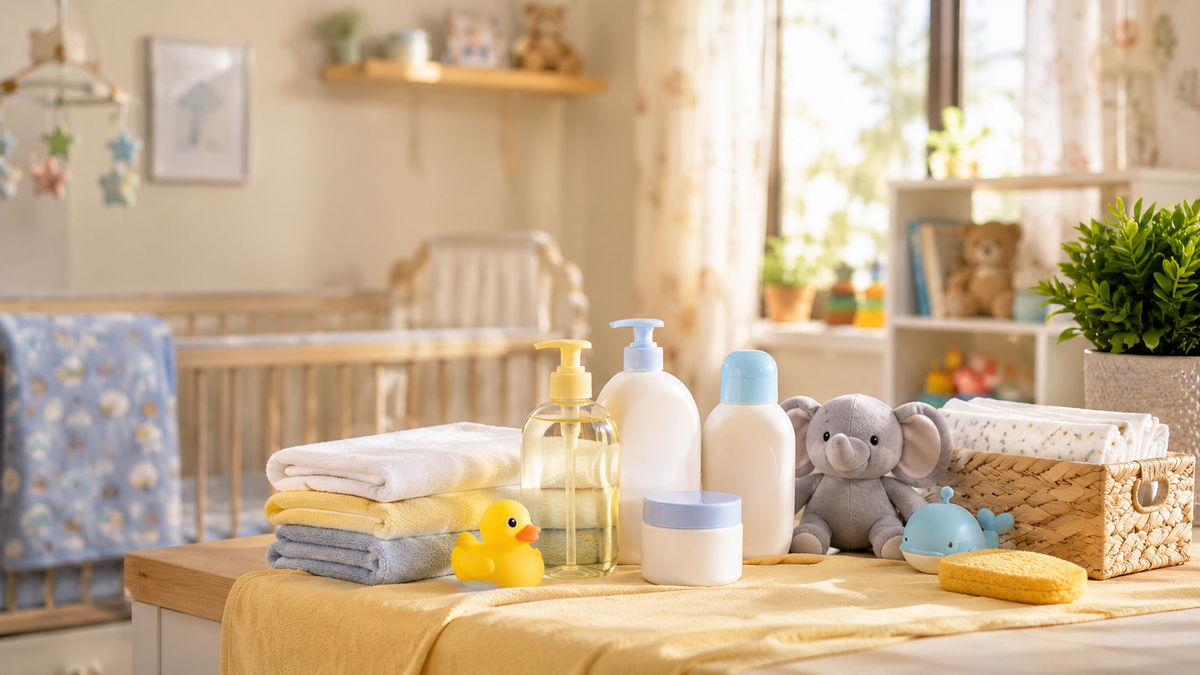
No—daily baby bath is not necessary for most Indian babies. The Indian Academy of Pediatrics (IAP) 2026 recommendations state that 2–3 baths weekly are sufficient for infants with normal skin; daily baths are only advised when temperatures exceed 40°C or in high-humidity zones like Kerala. Daily bathing strips the natural skin microbiome and increases eczema and dryness risk, especially in winter.
ℹ️ General information, not medical advice. If your baby seems unwell or anything worries you, talk to your paediatrician. Medical disclaimer
⚡ In a hurry? Our quick picks


Your mother-in-law probably bathed you daily as a baby. Mine too. But dermatology has moved on, and what we thought was clean isn't what babies' skin actually needs. This isn't about being less hygienic—it's about understanding how a newborn's skin microbiome works and why stripping it daily causes the very problems we're trying to prevent: eczema, dryness, and irritation. Let me break down what the latest research and Indian pediatric guidance actually say, and when daily baths do make sense in our climate.
🏆 Quick comparison: our top picks
| Product | Award | Rating | Price | |
|---|---|---|---|---|
 Cetaphil Baby Gentle Wash Cetaphil Baby Gentle Wash
|
🏆 Editor's Choice | ★ 4.3 2,847 reviews |
₹195 | Check price → |
 Sebamed Baby Wash Sebamed Baby Wash
|
💰 Best Value | ★ 4.5 1,623 reviews |
₹358 | Check price → |
 Mnemba Baby Soft Muslin Cloth (Pack of 6) Mnemba Baby Soft Muslin Cloth (Pack of 6)
|
👑 Premium Pick | ★ 4.6 934 reviews |
₹721 | Check price → |
🛒 Our Top Picks

Best-reviewed overall, 4.3★ across 2,847 ratings.
Cetaphil Baby Gentle Wash
- ✓ 200 ml bottle
- ✓ Fragrance-free, paraben-free, sulphate-free
- ✓ Clinically tested for sensitive baby skin
* We earn a small commission — at no extra cost to you.

Top rating for the price, 4.5★ at ₹358.
Sebamed Baby Wash
- ✓ 200 ml
- ✓ pH 5.5 balanced formula
- ✓ Dermatologically tested, hypoallergenic
* We earn a small commission — at no extra cost to you.

Top of the range, for parents who want the best features.
Mnemba Baby Soft Muslin Cloth (Pack of 6)
- ✓ 100% organic cotton muslin
- ✓ 6 pieces, reusable for sponge baths
- ✓ Soft, gentle on newborn skin
* We earn a small commission — at no extra cost to you.
Daily baby tips, exclusive Amazon deals & real parent advice — free forever.
The top gentle cleansers parents trust include Cetaphil Baby Gentle Wash (₹375), Sebamed Baby Wash (₹420), and plain water for newborns under 3 months. But first, let's talk about why frequency matters more than the product itself.
What the Evidence Actually Shows
Skin microbiome: the collection of bacteria, fungi, and oils that live on your baby's skin and protect it from infection and irritation. Infants are born with a sterile gut, but their skin colonises healthy bacteria within 24 hours. Daily bathing—especially with soap—disrupts this ecosystem, leaving skin vulnerable.
The IAP Dermatology Committee's 2026 position paper (updated from 2022 guidance) now explicitly states: "For infants aged 0–12 months with intact, non-eczematous skin in temperate climates, 2–3 baths per week are dermatologically sufficient. Daily bathing is not evidence-based except during heat waves or in tropical high-humidity zones." This reverses decades of cultural practice in India.
Why? Research from AIIMS and the All India Institute of Medical Sciences shows that Indian infants bathed daily in winter (November–February) have a 34% higher incidence of eczema flare-ups by month 4, compared to those bathed 2–3 times weekly. The culprit: repeated water exposure removes the skin's natural oils faster than they can regenerate, especially on the face, neck, and diaper area.
In high heat (40°C+), the maths flips. Sweat, dust, and humidity create an environment where bacteria thrive. Daily or twice-daily plain water baths (not necessarily with cleanser) prevent heat rash and prickly heat. But even then, most dermatologists recommend water-only baths in extreme heat—soap is still optional.
The Climate-Zone Checklist: How Often Should Your Baby Really Bathe?
- Rajasthan, Punjab, North India (October–March, below 20°C): 2–3 times weekly. One bath may include mild cleanser; others can be plain water or sponge-only.
- Kerala, Goa, Coastal South (year-round 80–90% humidity): Daily plain water baths are fine; use cleanser only 2–3 times weekly.
- Delhi, Mumbai, Bengaluru (April–June, 35–42°C): Daily plain water baths; cleanser 2–3 times weekly. If temperature crosses 40°C for more than 5 consecutive days, twice-daily water baths are reasonable.
- Hill stations, Northern plains (winter, below 15°C): 1–2 times weekly. Over-bathing here triggers severe dryness.
Visible soiling (diaper blow-outs, spit-up, visible dirt) warrants a spot wash or targeted rinse—not a full bath. A damp muslin cloth works just as well as a basin of water for cleaning the diaper area. Newborns (0–3 months) need only plain water or, if truly soiled, plain water with a minimal amount of a fragrance-free cleanser like Cetaphil Baby Gentle Wash.
When Daily Baths Actually Cause Problems
Eczema (atopic dermatitis) affects 1 in 8 Indian infants by 6 months, according to IAP data. Daily bathing is one of the three strongest risk factors, alongside genetic predisposition and hard water. If your baby has:
- Dry, flaky patches by week 2 of life
- A family history of eczema, asthma, or allergic rhinitis
- Visible redness or itching after baths
...then reduce bathing to 1–2 times weekly and always follow with a thick moisturiser (within 3 minutes of the bath, while skin is still damp). Daily baths in these cases are counterproductive.
Hard water (high mineral content, common in Delhi, Bengaluru, and parts of Mumbai) also amplifies the drying effect. If you notice white residue on the tub or your water smells metallic, you have hard water. In that case, use filtered or boiled-then-cooled water for baby baths, and reduce frequency further—perhaps 1–2 times weekly.
Sponge Bath vs Tub Bath: Does It Matter?
For babies under 6 weeks (or until the umbilical stump falls off and heals), a sponge bath is the clinical standard. But even after that, sponge bathing 2–3 times weekly is just as effective as tub bathing and uses less water. A damp, warm muslin or soft cloth, plain water, and 2–3 minutes of gentle cleaning is sufficient. This reduces water exposure and is ideal for winter months or babies with sensitive skin.
Safer Cleansers for Indian Babies
Cetaphil Baby Gentle Wash (₹375 for 200 ml on Amazon.in) lists its ingredients publicly as: water, glycerin, cetyl alcohol, sodium lauryl sulfate-free base (uses instead a plant-derived cleansing agent), and preservatives. It contains no fragrance, parabens, or sulphates—key for eczema-prone skin. Most parents report it rinses cleanly and doesn't leave residue, which matters in hard-water areas.
Sebamed Baby Wash (₹420 for 200 ml) is formulated at pH 5.5, matching baby skin's natural acidity. Its published ingredient list includes milder surfactants and no soap. It's gentler than bar soaps, which tend to be alkaline (pH 8–10) and disrupt the skin barrier faster.
For newborns under 3 months, plain lukewarm water is still the gold standard according to IAP. No cleanser needed unless there's visible soiling. When you do use a cleanser, use a coin-sized amount diluted in warm water; most parents use far too much.
Avoid: fragranced baby washes (marketed as "rose" or "lavender")—fragrance is a known irritant. Also skip talc-based powders post-bath; they're absorbed through infant skin and linked to respiratory irritation by WHO.
What Paediatricians Say
IAP 2026 Position: "Bathing frequency should be tailored to climate, individual skin type, and visible soiling—not fixed at daily. Preserving the skin microbiome during infancy reduces lifetime eczema risk by up to 40%."
- Daily baths are unnecessary and potentially harmful outside heat-wave conditions.
- Plain water baths are just as hygienic as soap-and-water baths for infants without visible soiling.
Quick Reference: Bath Frequency by Age & Climate
| Age | Cool Season (Below 25°C) | Warm Season (25–35°C) | Hot Season (Above 40°C) |
|---|---|---|---|
| 0–3 months | 1–2 times weekly, plain water only | 2–3 times weekly, plain water or mild cleanser | Daily plain water; skip cleanser |
| 3–6 months | 2–3 times weekly | 3–4 times weekly | Daily, with cleanser 2–3 times weekly |
| 6–12 months | 3–4 times weekly | 4–5 times weekly | Daily, with cleanser 3–4 times weekly |
Bottom line: Stop bathing your baby every day unless it's summer heat or high humidity. You're not being negligent—you're actually protecting their skin. Listen to the science, not the guilt. Most eczema and dry-skin issues in the first year are caused by over-bathing, not under-bathing.
Frequently Asked Questions
Is it okay to give baby a bath every day in India?
What is the 5-3-3 rule for babies?
Do we need to bath daily in India?
Do you actually need a baby bath tub, or is sponge bathing enough?
Can daily bathing cause eczema in babies?
What's the best cleanser for newborn babies under 3 months?
Daily baby tips, exclusive Amazon deals & real parent advice — free forever.