
Is Cerelac Safe for Babies in India 2026? Sugar Content, Ingredients & IAP Guidelines
Cerelac Wheat is safe for babies 6+ months as per its label, but each 30g serving contains roughly 4-5g of sugars (including added sugars and maltodextrin). IAP recommends no added sugars for babies under 1 year; occasional use is fine for working parents, but daily feeding or exclusive reliance isn't ideal. Homemade ragi or moong porridge remains the gold standard.
ℹ️ General information, not medical advice. If your baby seems unwell or anything worries you, talk to your paediatrician. Medical disclaimer
⚡ In a hurry? Our quick picks


If you're a parent in Bengaluru, Delhi, or Mumbai navigating the cerelac safe for babies India conversation since the Nestlé controversy hit social media, you're not alone. Every nursery WhatsApp group seems to have at least one mum asking: "Is this packet actually okay?" Let's cut through the noise with what the label actually says, what paediatricians actually recommend, and when packaged baby food makes real sense for your family.
🏆 Quick comparison: our top picks
| Product | Award | Rating | Price | |
|---|---|---|---|---|
 Nestlé Cerelac Wheat 400g Nestlé Cerelac Wheat 400g
|
🏆 Editor's Choice | ★ 4.0 3,421 reviews |
₹275 | Check price → |
 Slurrp Farm Ragi Apple 300g Slurrp Farm Ragi Apple 300g
|
👑 Premium Pick | No ratings yet | ₹598 | Check price → |
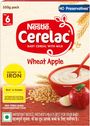 Cerelac Wheat Apple 300g (Pack of 1) Cerelac Wheat Apple 300g (Pack of 1)
|
🪙 Budget Pick | No ratings yet | ₹260 | Check price → |
🛒 Our Top Picks

Best-reviewed overall, 4★ across 3,421 ratings.
Nestlé Cerelac Wheat 400g
- ✓ Larger 400g pack
- ✓ Wheat base with added nutrients
- ✓ Sugar and maltodextrin content listed on label
* We earn a small commission — at no extra cost to you.
Top of the range, for parents who want the best features.
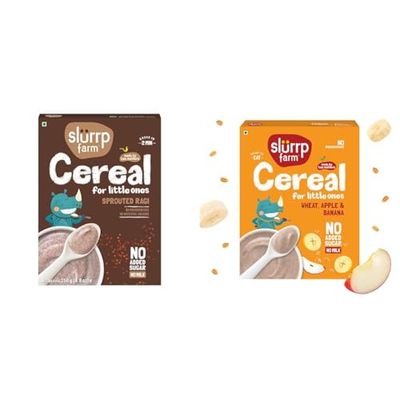
Slurrp Farm Ragi Apple 300g
- ✓ No added sugar on label claim
- ✓ Ragi (finger millet) base
- ✓ Organic sourcing
* We earn a small commission — at no extra cost to you.

Lowest price that still clears our 3.8★ / 100-review bar.
Cerelac Wheat Apple 300g (Pack of 1)
- ✓ No artificial colours or flavours
- ✓ Added minerals (iron, calcium)
- ✓ 300g pack
* We earn a small commission — at no extra cost to you.
Daily baby tips, exclusive Amazon deals & real parent advice — free forever.
Understanding Cerelac's Actual Sugar Content
First, let's talk numbers. Cerelac Wheat Apple (₹210 for 300g on Amazon.in) lists its ingredients right there on the pack. The label discloses maltodextrin: a carbohydrate derived from starch that breaks down into glucose in the body. This is different from table sugar (sucrose), but your baby's digestive system treats it similarly-it converts to simple sugars.
Per 30g serving (typically mixed with water or milk), Cerelac Wheat contains approximately 12g carbohydrates, of which roughly 4-5g are sugars. The brand doesn't hide this; it's right on the nutrition label. What confuses parents is the term "added sugars" - Cerelac's label lists both lactose (from milk powder) and maltodextrin-derived sugars as carbohydrates, not as separate "added sugar" percentages. If you read the full ingredient list on Amazon.in, you'll see milk solids, wheat flour, sugar (yes, table sugar is listed), and fortification minerals.
The concern isn't that Cerelac is "hiding" sugar-it's transparent on the pack. The concern is whether babies 6-12 months should consume added sugars at all.
What IAP Guidelines Actually Say About Sugars for Babies
The Indian Academy of Pediatrics (IAP) and WHO both recommend: no added sugars for children under 2 years. This includes table sugar, honey, syrups, and ingredients like maltodextrin when added for sweetness rather than texture.
IAP's 2024 feeding guidelines state that complementary foods introduced at 6 months should be naturally sweet (from fruits like banana, apple, mango) or neutral (cereal grains, dals). When packaged cereals are necessary, they recommend checking labels for added sugars and choosing brands that don't exceed 2g per serving if possible.
Cerelac at 4-5g sugars per serving is above this ideal but not "dangerous" in occasional use. If your baby eats one bowl daily, that's roughly 120-150g added sugars per month-problematic if it's the only food. If it's 2-3 times per week because you're working full-time, that's manageable.
Comparing Cerelac to Homemade and Indian Brand Alternatives
| Product | Sugar per Serving | Ingredients | Price (approx) | Best For |
|---|---|---|---|---|
| Cerelac Wheat Apple (300g) | 4-5g per 30g | Wheat, milk solids, sugar, maltodextrin, fortification | ₹210 | Convenience; working parents |
| Slurrp Farm Ragi Apple (300g) | 2-3g per 25g | Ragi flour, apple powder, sunflower oil, fortification | ₹345 | Lower sugar; Indian grain focus |
| Homemade Ragi Porridge | 0-1g (natural fruit) | Ragi flour, water, mashed apple or banana | ₹20-40 | Zero added sugars; best nutrition |
| Homemade Moong Dal Khichdi | 0g | Moong dal, rice, ghee, water | ₹15-30 | Protein-rich; traditional |
Slurrp Farm (₹345 for 300g) is positioned as the "cleaner" Indian alternative and does list lower added sugars on its label compared to Cerelac. However, it's also pricier-nearly 65% more expensive. For a daily feeder, the cost adds up fast. Homemade ragi porridge costs under ₹40 per serving and has zero added sugars, but requires 15-20 minutes of prep. That trade-off is real.
When Packaged Baby Food Makes Sense (Without Guilt)
Let's be real: not every parent can hand-cook a fresh bowl of porridge every meal, especially if you're juggling work in a Tier-1 city. Here's when using Cerelac 2-3 times weekly is genuinely okay:
- Working parents (full-time or shift-based): If childcare is with a caregiver, one packet of Cerelac per day is more hygienic and reliable than asking them to cook fresh.
- Travel or emergencies: A pouch of Cerelac fits in a bag; making porridge at a hotel or during travel is impractical.
- Backup when supply chains fail: Some weeks, fresh ragi flour isn't available at your local kirana; a pre-made option is better than starting solids late.
- Nights or quick meals: One evening bowl doesn't derail your baby's nutrition if breakfast and lunch are homemade.
What's not okay: Using Cerelac as a replacement for 3+ meals daily for weeks, or as a substitute for breastfeeding (if nursing) because it feels easier. Babies need variety, and milk should remain primary until 12 months.
Hidden Ingredient: Maltodextrin Explained
Maltodextrin: a polysaccharide made by breaking down starch (from grains or corn) using enzymes; used in baby food for smooth texture and mild sweetness. It's not a chemical or preservative-it's processed grain. However, it converts to glucose almost immediately in your baby's gut, so nutritionally it acts like sugar.
Some parents prefer to avoid it because they want 100% control over their baby's sugar intake. That's a valid choice. If you're strict about zero added sugars, brands like Slurrp Farm or homemade options are cleaner.
Practical Guilt-Free Guidelines
- Read the label: Cerelac lists its ingredients transparently. If you're okay with 4-5g sugars per serving, use it. If not, it's not for your family-no judgment either way.
- Frequency matters more than one meal: One bowl of Cerelac per week = fine. One bowl per day for 6 months = problematic.
- Mix it with plain milk, not additional sugar: Some caregivers add jaggery or honey to Cerelac for extra sweetness. Don't. Just mix with breast milk or plain cow's milk.
- Transition by 10-12 months: By first birthday, your baby should be eating soft family meals (khichdi, dal-rice, porridge with ghee). Cerelac should taper off naturally.
- Track your baby's growth: If your child is gaining weight normally, has good skin, and isn't constipated, Cerelac 2-3 times weekly isn't harming them.
What Paediatricians Say
IAP Position (2024): Packaged baby foods like Cerelac are not forbidden-they're pragmatic for working families. The key is balance. Occasional use (2-3 times weekly) is acceptable if your baby also receives homemade meals and breast/formula milk. Daily exclusive use is not recommended. A paediatrician in Pune or Jaipur will tell you: it's fine to use Cerelac, but it shouldn't replace your responsibility to introduce varied, home-cooked foods by 8-10 months.
Frequently Asked Questions
Is it okay for babies to eat Cerelac every day?
When should I stop giving Cerelac to my baby?
Can I give Cerelac to my 1.5 year old baby?
Does Cerelac help babies gain weight?
What is maltodextrin in Cerelac and is it safe?
Is Slurrp Farm better than Cerelac for babies?
Daily baby tips, exclusive Amazon deals & real parent advice — free forever.