
Are Hand-Me-Down Baby Clothes Safe? The 6-Point Inspection Checklist Indian Parents Need
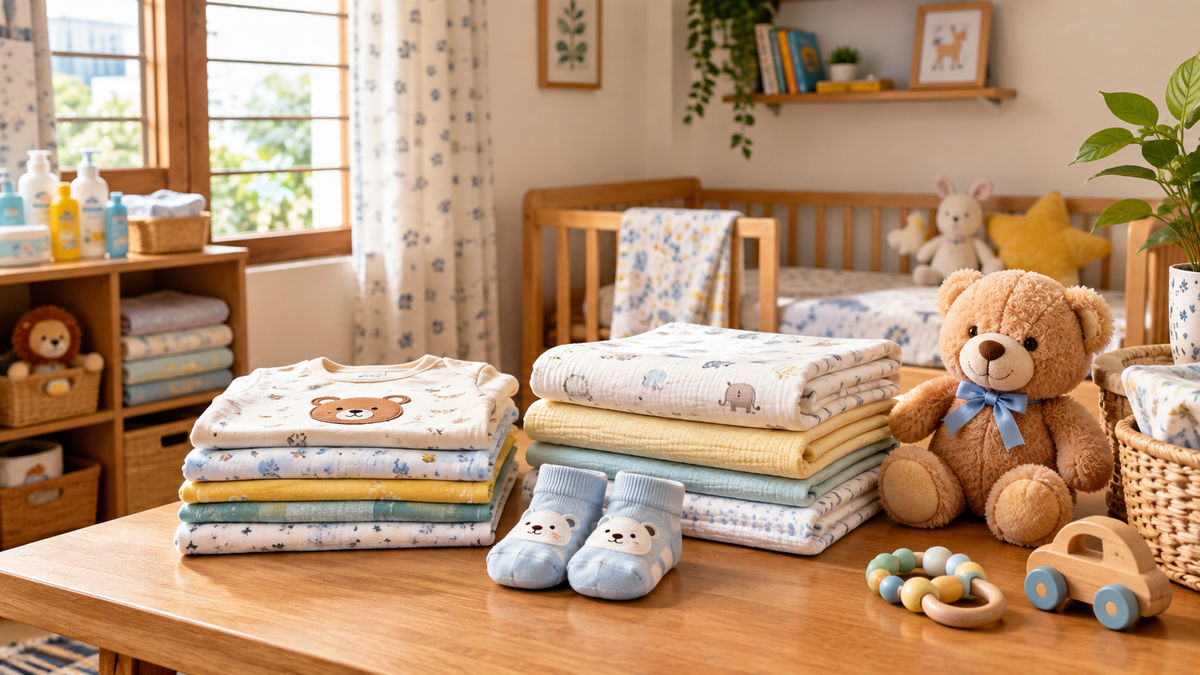
Hand-me-down baby clothes are safe to reuse if they are free from loose buttons, frayed drawstrings, mildew smell, stiff elastic, and missing seams. Cotton onesies and sleepsuits in good condition are ideal; loose-fitting items with drawstring necks should be skipped. A hot wash with mild baby detergent and sun-dry is essential for hard-water homes before first use.
When Priya's mother arrived with two large suitcases of baby clothes from her older daughter's childhood, I felt that familiar mix of gratitude and uncertainty. Were these clothes actually safe? How many germs do five years of storage carry? In Mumbai's humidity, would mildew have taken hold? Most Indian joint families and neighbourhoods pass down baby clothes as a gesture of love and economy—and they can be genuinely useful—but the difference between a safe hand-me-down and one that creates risk depends entirely on what you inspect for and how thoroughly you clean before your baby wears it.
🛒 Our Top Picks

Mee Mee Baby Laundry Liquid
- ✓ Mild, pH-balanced formula
- ✓ Effective in hard water
- ✓ 500 ml bottle
* We earn a small commission — at no extra cost to you.
Daily baby tips, exclusive Amazon deals & real parent advice — free forever.
The safest hand-me-down baby clothes come from trusted family members, are made primarily from cotton, fit the current baby's size and stage, and have been stored in dry conditions. Mee Mee Baby Laundry Liquid and similar mild detergents make the cleaning process straightforward, even in hard-water areas common across tier-1 and tier-2 Indian cities. Let's walk through exactly what to look for, what to skip without guilt, and how to wash secondhand baby clothes so they're as clean and safe as new ones.
What Hand-Me-Down Baby Clothes Are
Hand-me-down clothes are pre-worn, previously owned baby garments passed down from older siblings, cousins, or neighbours. In Indian culture, this is especially common because of joint-family setups, economic sense, and the speed at which babies outgrow clothes. A baby's wardrobe needs shift every 3–4 months, so accepting hand-me-downs from a sibling who outgrew them weeks ago makes genuine financial sense—a good quality baby kurta pyjama set that costs Rs. 400–600 new is worn for only a few months before the baby grows out of it.
Which Hand-Me-Down Items Are Safe to Reuse
Not all hand-me-downs are created equal. Before accepting anything, run through these safety checks. Cotton onesies, full-sleeved sleepsuits, and soft cotton vests are almost always safe if they have no visible defects. Elastic in waistbands and leg cuffs should feel supple, not stiff or crumbly. Check seams for fraying—a small thread poking out is fine, but large gaps along seams indicate the garment is weakening and should be skipped. Buttons must be sewn tightly; if a button wiggles when you tug it, unpick it carefully and either resew it or remove it before giving the garment to your baby.
Cotton fabrics breathe better than synthetics and are less likely to cause heat rash or skin irritation. According to IAP (Indian Academy of Pediatrics) guidelines on infant comfort, soft, breathable fabrics reduce the risk of overheating, which is particularly important in Indian summers. If the hand-me-down is 100% cotton or a high-cotton blend (80% cotton or more), it's a good candidate. Polyester-heavy items, especially if they've been stored in a warm, humid environment, may have absorbed odours that are hard to wash out.
What Hand-Me-Down Baby Items to Avoid
Certain hand-me-downs should go straight to the donation pile, no matter how much nostalgia they carry. Garments with drawstrings around the neck are unsafe—the WHO and IAP both flag neck drawstrings as a choking hazard for babies and young children. If a hand-me-down has a drawstring you can slip over the baby's head, reject it. Any piece with loose or missing buttons is a swallowing risk; small buttons can dislodge during wear or washing, especially if the garment has been through multiple wash cycles. Velcro closures, if frayed or peeling away, should also be skipped—loose Velcro can be pulled off and swallowed.
Stiff elastic in cuffs, waistbands, or leg holes indicates the fabric has degraded. Elastic that no longer stretches easily can restrict blood flow or cause marks on the baby's skin. If elastic cracks when you stretch it gently, leave that garment behind. Any piece with a musty, mildewy, or chemical smell needs investigation. Mildew indicates mold growth during storage—common in Indian homes kept closed during monsoon season—and may harbour mold spores that irritate a baby's respiratory system. Chemical smells from storage in plastic bags or old boxes can be partially washed out, but pieces with strong odours are best avoided for newborns and young infants with sensitive skin.
The 6-Point Inspection Checklist Before Accepting Hand-Me-Downs
Use this checklist every time you receive hand-me-downs. It takes five minutes and eliminates safety guesswork:
- Smell test: Bring the garment to your nose. Fresh, neutral, or faintly laundry-scent smell is fine. Musty, sour, or chemical smells mean reject or deep-clean only if the smell is not mildew.
- Button and closure check: Wiggle every button. Tug all snaps, zips, and Velcro. Anything loose or missing goes or requires repair before use.
- Seam inspection: Run your fingers along all seams. Small fraying is normal; large gaps or torn seams mean the garment is past its safe life.
- Elastic test: Gently stretch all elastic (waistbands, cuffs, leg holes). It should return to shape smoothly. If it cracks, feels stiff, or resists stretching, the piece should be rejected.
- Drawstring audit: Check for any drawstrings, especially around the neck or hood. If present and removable, cut them off carefully. If they're sewn in and cannot be removed safely, reject the garment.
- Stain and damage scan: Look for permanent stains, holes, or pilling. Small stains can be treated; holes should not be used unless patched securely (and even then, only if the patch is not in a location where a baby could pick at it).
How to Wash Hand-Me-Down Baby Clothes Safely in Hard Water
Indian tap water in most cities—Delhi, Mumbai, Bengaluru, Pune, Jaipur, Lucknow, Chennai—is hard, meaning it carries high levels of mineral salts that can leave residue on baby clothes and irritate sensitive skin. A mild baby laundry detergent like Mee Mee Baby Laundry Liquid (around Rs. 250 for a 500 ml bottle) is formulated to work effectively in hard water and is gentler than adult detergents.
Wash hand-me-downs in hot water (40–50°C) on the first wash to kill any bacteria, dust mites, or spores picked up during storage. Use half the recommended detergent dose—baby detergents are concentrated, and excess residue is harder to rinse out in hard water. Add a rinse cycle or do a manual double-rinse by running the wash twice without detergent afterward. Dry the clothes in direct sunlight; UV rays naturally disinfect fabric and are especially effective against mildew spores. Sun-drying also helps strip any remaining mineral deposits left by hard water and detergent.
For items with stubborn musty smells, soak them in a weak solution of white vinegar and water (1 part vinegar to 4 parts water) for 20 minutes before the hot wash. Vinegar cuts through mildew smell without using harsh chemicals. Avoid fabric softeners—they leave a residue that can irritate a newborn's skin and are unnecessary for baby clothes that should feel soft naturally after a hot wash and sun-dry.
How Much You Save by Accepting Hand-Me-Downs
A typical Indian baby wears around 8–12 onesies, 4–5 sleepsuits, and 6–8 lightweight cotton kurtas or vests at any given time before outgrowing the size in 3–4 months. New baby onesies from trusted brands like Mothercare or baby sections of retail stores cost Rs. 300–600 each. A complete wardrobe of new clothes for a 3-month cycle runs Rs. 6,000–12,000. If you accept 70% of a hand-me-down wardrobe (which is realistic after weeding out unsafe items), you save Rs. 4,000–8,000 per size cycle. Over the first two years—when babies go through sizes quickly—accepting hand-me-downs from multiple sources can save Rs. 20,000–40,000 in clothing costs alone, leaving that money for essentials like diapers, formula, or a reliable baby monitor.
What IAP and WHO Guidance Says
IAP recommends: Babies' clothing should be soft, breathable, and free of loose parts that pose choking or strangulation risks. Hand-me-downs meeting these criteria are safe to reuse.
WHO notes: Drawstrings around the neck are a documented strangulation hazard for infants under 2 years. Always remove or avoid garments with neck drawstrings, even if they seem decorative.
When to See a Doctor
If your baby develops a rash, hives, or persistent itching after wearing a hand-me-down garment, stop using it immediately and switch back to new or trusted clothing. This may indicate a reaction to detergent residue, mold spores if the garment wasn't thoroughly washed, or a fabric sensitivity. Bathe your baby with plain water and contact your paediatrician if the rash doesn't fade within a few hours or spreads. This is general information, not medical advice.
Hand-me-down baby clothes are a practical, sustainable, and culturally valued way to dress your baby affordably. The difference between safe reuse and regret comes down to inspection before acceptance and a proper first wash. That inspection checklist, a bottle of Mee Mee or similar mild baby wash, hot water, and a sunny day are all you need to transform passed-down clothes into safe, clean basics for your baby.
📚 Sources
The guidance in this article draws on the sources below. It is general information, not medical advice: for any concern about your child's health, talk to your paediatrician.
- Indian Academy of Pediatrics (IAP) Guidelines on Infant Safety and Care — Supports safe fabric choices and choking/strangulation hazard warnings for drawstrings and loose buttons.
- WHO Guidelines on Safe Baby Clothing and Textiles — Cites drawstring hazards and breathable fabric recommendations for infant comfort.
Last updated 21 Nov 2026
Frequently Asked Questions
What is hand-me-down clothes?
What is the safest clothing material for babies?
What baby items should I avoid buying used?
How do I wash hand-me-down baby clothes safely?
Are hand-me-down baby clothes safe after washing?
How much money do hand-me-down baby clothes save?
Daily baby tips, exclusive Amazon deals & real parent advice — free forever.