
Grandmother vs Doctor: 7 Baby Care Beliefs Explained—IAP Guidance & Safe Alternatives
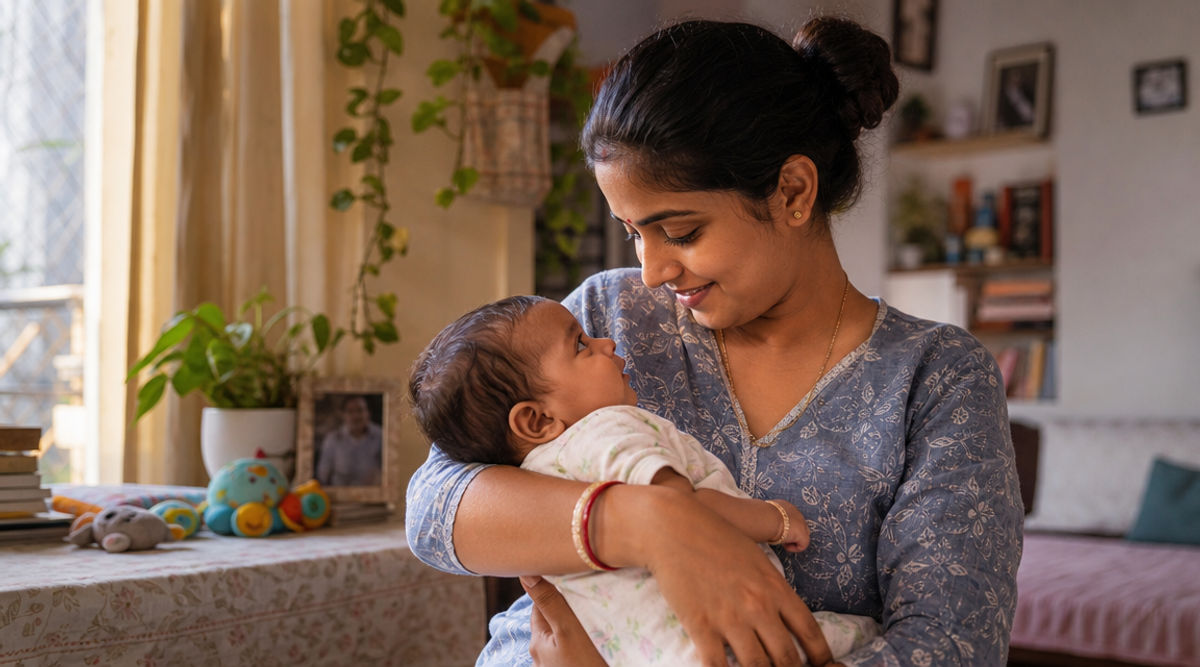
Some traditional practices like oil massage and head covering are harmless; others like kajal, honey, and early water carry real risks. IAP guidance supports exclusive breastfeeding and delayed solid foods. The respectful path forward: listen to elders, then follow paediatric evidence on safety—not dismissing tradition, but prioritising your baby's health.
ℹ️ General information, not medical advice. If your baby seems unwell or anything worries you, talk to your paediatrician. Medical disclaimer
⚡ In a hurry? Our quick picks

Every Indian parent knows this moment: your mother-in-law suggests gripe water for colic, your aunt insists on daily oil massage, your grandmother reaches for kajal. And you're caught between respect for their wisdom and the guidelines your paediatrician handed you. This isn't really about grandmother versus doctor—it's about understanding which practices are rooted in what actually works for babies, and which carry hidden risks. Let me walk through the seven most common beliefs, what the evidence says, and a script you can use that doesn't shut down the conversation.
🏆 Quick comparison: our top picks
| Product | Award | Price | |
|---|---|---|---|
 Himalaya Baby Massage Oil |
👑 Premium Pick | ₹172 | Check price → |
 Chicco Baby Thermometer Digital |
🪙 Budget Pick | ₹99 | Check price → |
 Sebamed Baby Gentle Wash |
See on Amazon | See alternatives → |
🛒 Our Top Picks
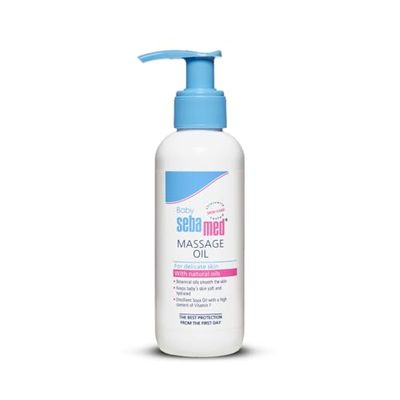

The highest-priced option in this guide.
Himalaya Baby Massage Oil
- ✓ Cold-pressed sesame and mineral oil blend
- ✓ Dermatologist-tested
- ✓ 200 ml bottle
* We earn a small commission — at no extra cost to you.

The lowest-priced option in this guide.
Chicco Baby Thermometer Digital
- ✓ Fast 20-second reading
- ✓ Waterproof design
- ✓ Memory function for tracking
* We earn a small commission — at no extra cost to you.
Sebamed Baby Gentle Wash
- ✓ pH 5.5 for baby skin
- ✓ Free of soap and alkali
- ✓ Hypoallergenic formula
* We earn a small commission — at no extra cost to you.
Daily baby tips, exclusive Amazon deals & real parent advice — free forever.
What the Evidence Actually Shows
The Indian Academy of Pediatrics publishes clear guidance on infant feeding, growth, and safety. WHO also issues recommendations adapted for the Indian context. When I compare these to common home practices, the picture is more nuanced than "old ways are wrong." Some traditional practices align perfectly with what babies actually need; others contradict modern safety standards in ways that matter. Here's the honest breakdown of each belief, with what you can safely do—and what you should avoid, even if it hurts to say no to elders.
Gripe Water: Harmless History, Limited Evidence
The traditional view: Gripe water settles baby's stomach and eases colic within minutes. It's been used for generations and "everyone" swears by it.
The paediatric view: IAP does not recommend gripe water as a treatment for colic. Most commercial gripe waters contain herbs like fennel, ginger, and dill, which have not been tested for safety in infants under 6 months.
The evidence: No clinical trial has proven gripe water stops colic. If it seems to work, it's likely because your baby is being held, rocked, or given warm liquid—all soothing regardless of what's in the water. Some gripe water brands sold in India contain sugar or dextrose, adding unnecessary calories.
The respectful script: "I appreciate that gripe water helped with my older siblings. Our paediatrician recommends we try gentle rocking and tummy time first. If colic persists, she wants to rule out reflux or allergies. Can we try those, and if nothing works, ask the doctor before starting anything new?"
Verdict: Harmless but unnecessary. Gripe water won't harm your baby if it contains only water and food-grade herbs, but it's not proven to work. Save your money and focus on soothing techniques.
Daily Oil Massage: Safe and Beneficial When Done Right
The traditional view: Oil massage (tel maalish) strengthens bones, improves circulation, and deepens the bond between mother and baby. It's non-negotiable in most Indian households.
The paediatric view: IAP supports gentle massage for premature and term infants. Skin-to-skin contact and light stroking reduce stress hormones and improve sleep.
The evidence: Research on infant massage shows benefits for weight gain, sleep, and parent-infant bonding. Oil itself is not necessary—the benefit comes from the touch. If you use oil, choose cold-pressed coconut, sesame, or mineral oil; avoid mustard oil on newborn skin (it can irritate).
The respectful script: "You're absolutely right that massage is good for baby. The paediatrician said gentle massage helps sleep and bonding. Let me use the oils you recommend, and I'll check with her on which ones are safest for the first month."
Verdict: Safe and recommended. Daily gentle massage (15–20 minutes) is one of the few traditional practices that aligns perfectly with paediatric guidance. Use a safe oil, avoid the face, and stop if baby cries.
Ghee on the Navel: Myth Without Medical Support
The traditional view: Applying ghee to the umbilical cord stump speeds healing and prevents infection. It's an old remedy that "worked for generations."
The paediatric view: IAP and WHO recommend keeping the umbilical cord dry and clean. Applying any substance—ghee, oil, powder, or paste—increases infection risk.
The evidence: The cord falls off naturally in 7–10 days if left alone. Adding ghee or other substances traps moisture, which bacteria love. Cases of serious cord infections (omphalitis) have been linked to traditional dressings applied at home.
The respectful script: "I know ghee has healing power for so many things. For the cord, the doctor said moisture actually slows healing and can cause infection. We need to let it stay dry. Once it falls off, I'd love to use ghee for massage."
Verdict: Not recommended—skip it. Keep the cord clean and dry. If it becomes red, swollen, or smells, call your paediatrician immediately.
Early Water or Other Foods: Risks Outweigh Benefits
The traditional view: Giving baby water or diluted animal milk from week 2–3 prevents dehydration and "tops up" breastfeeding. It's especially common in joint family homes where multiple people want to feed the baby.
The paediatric view: IAP and WHO recommend exclusive breastfeeding for the first 6 months. No water, no other foods—only breast milk or formula if breastfeeding is not possible.
The evidence: Introducing water early increases diarrhoea risk, reduces milk intake (lowering breast milk supply), and raises the risk of malnutrition. Babies under 6 months get all the hydration they need from breast milk. Early water also exposes babies to contamination if water is not boiled and cooled properly.
The respectful script: "I know everyone wants to help, and it feels like more feeding is safer. But the paediatrician explained that breastfeeding every 2 hours is enough—water can actually reduce my milk supply and cause loose stools. Let me focus on frequent feeds for now. After 6 months, we'll start water and foods together."
Verdict: Not recommended—don't introduce water before 6 months. If breastfeeding isn't enough, formula is the safe alternative, not water.
Kajal (Kohl): Cosmetic Risk Without Benefit
The traditional view: Kajal on a newborn's eyes prevents the evil eye and is thought to protect eyesight. It's applied by grandmothers as a routine ritual.
The paediatric view: IAP does not recommend kajal for infants. Many traditional kajal brands available in India have not undergone safety testing and may contain lead or other contaminants.
The evidence: Newborns' eyes are sensitive and easily infected. Kajal introduces bacteria and potential toxins (lead, arsenic) directly onto the eye surface. Cases of lead poisoning in Indian children have been traced to traditional cosmetics including kajal. Even "natural" or homemade kajal carries contamination risk.
The respectful script: "I love that this ritual connects baby to our tradition. But the doctor warned that kajal can cause eye infections and some brands have tested positive for lead. Can we protect baby's eyes by keeping them clean, and save the ritual for when she's older and can handle it safely?"
Verdict: Not recommended—avoid it entirely. Kajal offers no medical benefit and carries real infection and toxin risks.
Covering the Head Constantly: Unnecessary and Risky in Heat
The traditional view: Babies lose heat through the head, so covering it prevents illness. Wrapping the head in cloth or a cap is routine in most Indian households, even in warm weather.
The paediatric view: IAP recommends skin-to-skin contact and moderate dressing for term newborns. In warm climates like India, over-bundling causes overheating, which increases the risk of Sudden Unexplained Nocturnal Death Syndrome (SUNDS).
The evidence: Babies regulate temperature through the face and head, but covering them in hot weather traps heat dangerously. A light cotton cap during the first 2–3 days after birth (in hospital, after delivery) helps stabilize temperature; after that, in India's climate, constant head covering is unnecessary and risky.
The respectful script: "I know you keep baby warm because you care. The paediatrician said that in our climate, over-covering can actually cause overheating and put baby at risk. A light cap is good for the first days, but after that, we dress her in cotton and leave the head uncovered at home. If we go out in AC or cold, we'll add a cap."
Verdict: Partially safe—use context. A light cap for the first 2–3 days is fine. After that, in normal home temperatures, leave the head uncovered. Wrap or cap only if going into cold or air-conditioned spaces.
Honey or Jaggery: Dangerous Before 12 Months
The traditional view: A tiny amount of honey or jaggery on the tongue at birth is believed to cleanse the digestive system and bring good luck. It's offered as a first taste before breastfeeding.
The paediatric view: Never give honey to babies under 12 months. Do not give jaggery or any other sweetener before 6 months (when solids begin).
The evidence: Honey can contain spores of Clostridium botulinum, which causes infant botulism—a rare but serious paralytic illness that can require hospitalization or life support. Jaggery, while free of botulism risk, introduces unnecessary sugar and can cause allergic reactions in newborns. FSSAI (Food Safety and Standards Authority of India) advises against honey for babies under 1 year.
The respectful script: "I know this tradition brings blessings and is meant with love. The paediatrician explained that honey has a bacteria that babies' immune systems can't fight before age 1, and it could make her seriously ill. Can we do a different ritual at birth—maybe a blessing without the honey—and give her a taste of jaggery after 6 months when it's safe?"
Verdict: Not recommended—never give before 12 months. This is non-negotiable for safety. After 12 months, honey in small amounts is fine; jaggery can be introduced after 6 months in tiny amounts as a taste.
What IAP and WHO Guidance Says
Exclusive breastfeeding for 6 months — IAP recommends no water, formula, or other foods during this period unless medically necessary. Breast milk provides all nutrition and hydration a baby needs.
Safe cord care and avoiding traditional dressings — WHO and IAP advise keeping the umbilical cord dry and clean; never apply ghee, oil, ash, or other substances, as they increase infection risk.
When to See a Doctor
Contact your paediatrician immediately if baby has fever over 38°C, persistent vomiting or diarrhoea, difficulty breathing, redness or pus around the umbilical cord, eye discharge or swelling, poor feeding, or unusual drowsiness. This is general information, not medical advice. Always trust your paediatrician's judgment over any home remedy or tradition.
How to Talk to Elders: A Script That Works
The key is respect without compromise on safety. Start by acknowledging what they did right: "Your oil massages kept me healthy." Then pivot to the new information: "The paediatrician explained something I didn't know before." Offer an alternative that honors the intention: "Instead of kajal, let's protect her eyes by keeping them clean, and maybe we can do a blessing ritual instead." And invite them into the journey: "I need your help watching for signs of illness—you have so much experience." Most elders soften when they feel trusted and valued, not dismissed.
📚 Sources
The guidance in this article draws on the sources below. It is general information, not medical advice: for any concern about your child's health, talk to your paediatrician.
- Indian Academy of Pediatrics: Infant Feeding Guidelines — Exclusive breastfeeding for 6 months; no water or other foods; cord care protocols
- WHO: Infant and Young Child Feeding — Exclusive breastfeeding recommendations; risks of early water introduction
- FSSAI: Food Safety Standards for Infants — Honey recommendations; age-appropriate food introduction
- BIS: Safety Standards for Cosmetics and Traditional Products — Testing and contaminant risks in traditional cosmetics like kajal
Last updated 20 Nov 2026
Frequently Asked Questions
Is gripe water safe for newborns?
Can I give my newborn water to prevent dehydration?
Is kajal safe for babies' eyes?
When can I give my baby honey?
Should I apply ghee or oil to the umbilical cord?
How do I talk to my mother-in-law about not following traditional baby care practices?
Daily baby tips, exclusive Amazon deals & real parent advice — free forever.