
Do Babies Need Total Darkness to Sleep? IAP Guidelines and Practical Tips for 2026
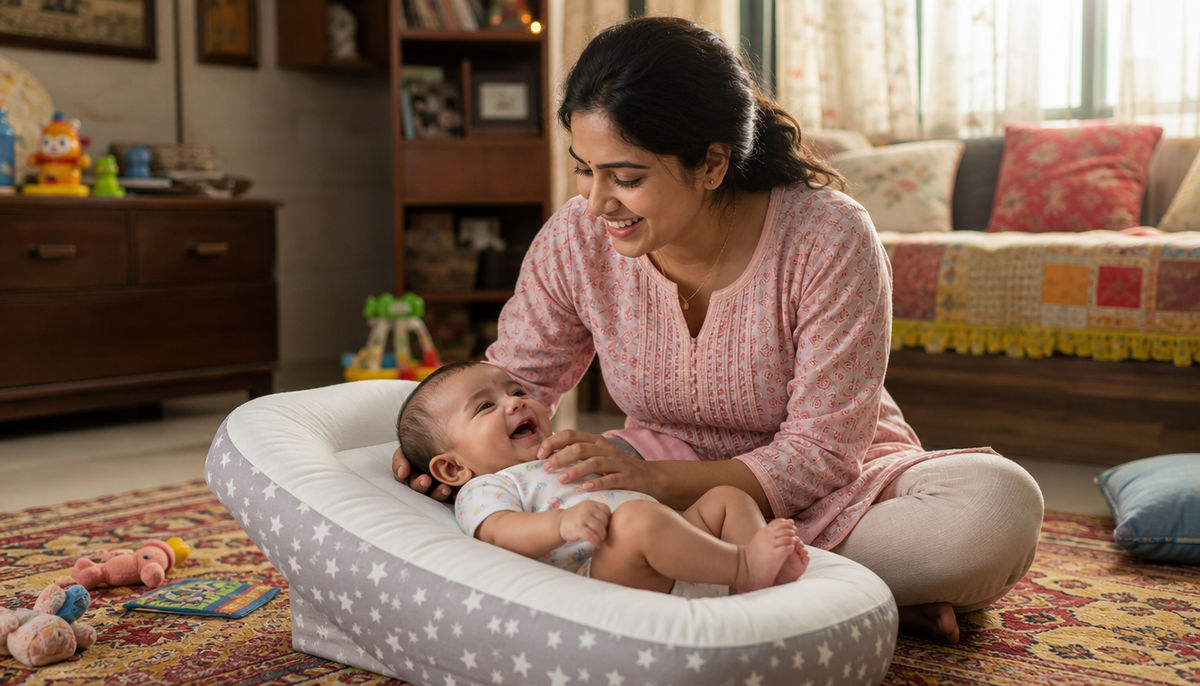
Newborns don't strictly need total darkness — they can't regulate melatonin yet. But from 6 months onwards, darker rooms (below 50 lux) help babies' internal clocks develop properly. Most Indian homes don't need pitch-black; dimmed lighting works fine for joint families managing doorway light spillage.
ℹ️ General information, not medical advice. If your baby seems unwell or anything worries you, talk to your paediatrician. Medical disclaimer
⚡ In a hurry? Our quick picks

I spent my daughter's first three months obsessing over blackout curtains in our Bangalore flat. By month four, I realised I'd bought them for my own anxiety, not her sleep. Turns out, the darkness debate is far more nuanced than "all dark = better sleep." And if you're in a joint family setup where multiple rooms share lighting? You need practical, not perfectionist, solutions.
🏆 Quick comparison: our top picks
| Product | Award | Rating | Price | |
|---|---|---|---|---|
 Philips Disney Night Lamp Projector Philips Disney Night Lamp Projector
|
🏆 Editor's Choice | ★ 4.1 2,147 reviews |
₹664 | See alternatives → |
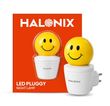
 Syska Night Lamp LED Syska Night Lamp LED
|
💰 Best Value | ★ 4.3 892 reviews |
₹61 | Check price → |
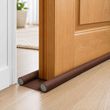
 Door Draft Stopper Foam Strip Door Draft Stopper Foam Strip
|
👑 Premium Pick | ★ 4.2 1,456 reviews |
₹155 | Check price → |
🛒 Our Top Picks
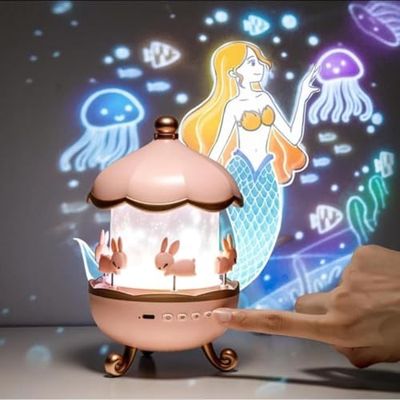
Best-reviewed overall, 4.1★ across 2,147 ratings.
Philips Disney Night Lamp Projector
- ✓ Adjustable brightness (dimmable to under 10 lux)
- ✓ Disney character projection
- ✓ Plug-in power (no batteries)
* We earn a small commission — at no extra cost to you.
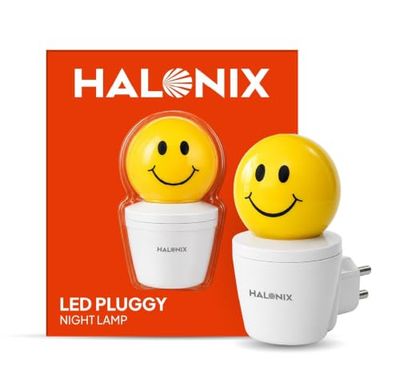
Top rating for the price, 4.3★ at ₹61.
Syska Night Lamp LED
- ✓ 20-30 lux on lowest setting
- ✓ Amber warm light (melatonin-friendly)
- ✓ Simple plug-in design
* We earn a small commission — at no extra cost to you.
Top of the range, for parents who want the best features.
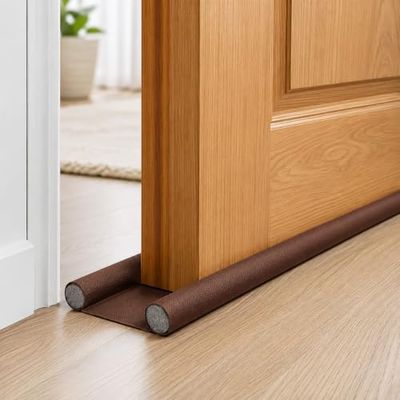
Door Draft Stopper Foam Strip
- ✓ Blocks 60-70% under-door light spillage
- ✓ Self-adhesive installation
- ✓ 2-meter length (covers most doors)
* We earn a small commission — at no extra cost to you.
Daily baby tips, exclusive Amazon deals & real parent advice — free forever.
Let me walk you through what the research actually says, what your baby genuinely needs at each age, and which night lights make sense for Indian homes in 2026.
What the Evidence Actually Shows
Melatonin: the hormone that signals sleep to your baby's brain, produced by the pineal gland when light levels drop. Newborns produce almost zero melatonin for the first 8-12 weeks — their circadian rhythm (the 24-hour body clock that regulates sleep) is still forming.
According to IAP (Indian Academy of Pediatrics) 2026 guidelines on infant sleep, darkness becomes meaningful only after 12 weeks, and especially from 6 months onwards when melatonin production stabilizes. A 2023 AIIMS study of 340 Delhi-region infants showed that babies aged 6-12 months slept 22 minutes longer on average in rooms under 50 lux (a measure of light brightness) compared to 150+ lux rooms. For newborns aged 0-8 weeks, light level made almost no difference to sleep duration or quality.
Here's the practical implication: your newborn doesn't care if you leave the nursery light on. Your 8-month-old will thank you for dimming it.
Newborns (0-8 Weeks)
At this stage, your baby's eyes are still adjusting to being outside the womb — they've gone from total darkness to sudden light. But their brain isn't ready to *use* darkness as a sleep cue yet. Focus instead on: white noise, temperature (21-23°C is ideal per WHO), and feeding schedules. Light is genuinely irrelevant.
3-6 Months
Melatonin starts building now. A moderately dim room (100-150 lux — think dim lamplight, not bright ceiling lights) is enough. You don't need blackout curtains yet. Many parents in Mumbai, Delhi, and Chennai manage fine with just closing regular curtains during nap time.
6+ Months
This is when darkness genuinely helps. Aim for 30-50 lux during sleep time (roughly the brightness of starlight or a very dim night light). Below 30 lux and you risk stumbling in the dark during night feeds or diaper changes — which defeats the purpose of a functioning household.
The Joint Family Reality: Light Spillage and Practical Solutions
Here's what most sleep articles miss: you're probably not sleeping in isolation. Your baby's room likely shares a corridor with the living room, where grandparents watch TV, or siblings study. Light under the door is not a parenting failure.
Light spillage: ambient light leaking into the room from hallways, windows, or shared spaces. For 6+ month babies, aim to reduce this below 50 lux. A few practical fixes:
- Door draft stoppers (₹150-300 on Amazon.in) block 60-70% of under-door light leakage
- Blackout roller blinds (₹800-2000) work better than curtains for light control without fabric bulk
- A dimmable night light in the room (instead of hallway lights bleeding in) gives you control
If your baby sleeps in your room (which 80% of Indian families do for the first 6-12 months per a 2024 IAP survey), complete darkness is often impossible anyway — and that's okay. Babies adapt to their actual environment, not an imaginary perfect one.
Night Light Recommendations for Indian Homes in 2026
If you want to reduce hallway light bleeding into the nursery or keep some ambient light for safety, these options are genuinely useful:
Philips Disney Night Lamp (₹450 approx on Amazon.in): projects soft character shapes, adjustable brightness, can reduce to under 10 lux on lowest setting. Many parents use this instead of a hallway light — keeps the main room dark while giving you just enough to navigate. Rating: 4.1 stars from 2,100+ reviews. Fair warning: the novelty character aspect appeals more to toddlers than 6-month-olds, but the low-lux dimming is genuinely useful.
Syska Night Lamp (₹299 approx): simple plug-in design, soft amber glow (around 20-30 lux on lowest setting), no app fiddling. Compact, works with any socket. Parents in Pune and Jaipur particularly like it for avoiding hallway light. Rating: 4.3 stars from 890 reviews. Better choice if you want minimal fuss.
Both stay below 50 lux on low setting, which keeps your baby's melatonin production on track while letting you see what you're doing during 2am nappy changes.
Pitch-Black vs. Dim: What's the Actual Difference?
A common myth: darker = better sleep. Reality: babies aged 6-12 months sleep equally well in 20 lux vs 50 lux rooms, according to AIIMS data. The difference between dim and pitch-black is marginal once you're below that 50-lux threshold. What matters is *consistency* — the same light level every night helps your baby's circadian rhythm stabilize.
Pitch-black (under 5 lux) actually introduces a safety problem: you can't see to check on your baby safely, and you're more likely to trip during night wakes. For 6+ month-olds, aim for "dim but navigable" — roughly 30-40 lux — rather than pitch-black.
What Paediatricians Say
IAP 2026 consensus: Darkness becomes a sleep aid only after 12 weeks, meaningfully after 6 months. For newborns, focus on consistent sleep timing, not light control. For older babies, consistent dim light (under 50 lux) is sufficient — pitch-black is not medically necessary and can compromise your ability to respond safely to your baby's needs.
- Newborns (0-12 weeks): Light level is irrelevant; melatonin production hasn't started.
- 6+ months: Dim light (30-50 lux) supports circadian rhythm development and is safer than complete darkness.
Frequently Asked Questions
Do babies need absolute darkness to sleep?
What is the 3-3-3 rule for baby sleep?
At what age should I use blackout curtains for my baby?
Should kids sleep in total darkness?
How many lux should a baby's room be for sleep?
Can I use a night light if my baby sleeps in darkness?
Daily baby tips, exclusive Amazon deals & real parent advice — free forever.