
Does Your Baby Need Total Darkness to Sleep? What IAP 2026 Guidelines Actually Say
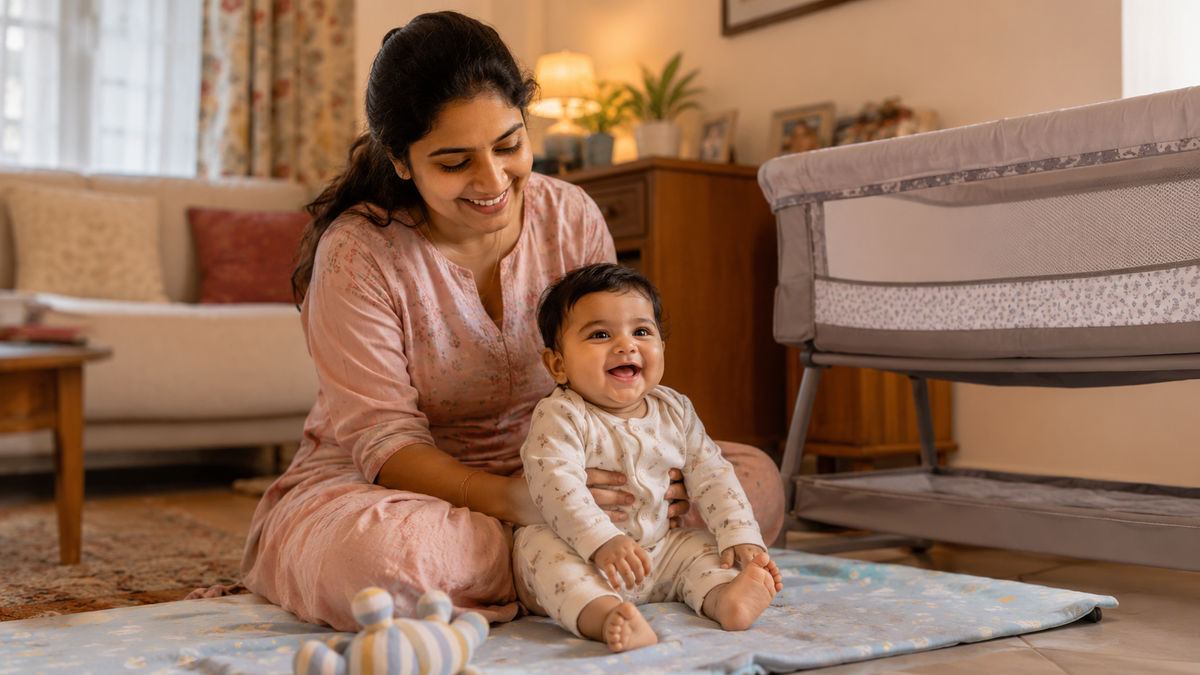
No, babies don't need total darkness from birth, but they do benefit from dim, consistent light conditions as their circadian rhythm develops around 8-12 weeks. Newborns (0-8 weeks) are indifferent to light; dim indirect light or a safe amber night light is fine and actually helps parents during feeds.
ℹ️ General information, not medical advice. If your baby seems unwell or anything worries you, talk to your paediatrician. Medical disclaimer
⚡ In a hurry? Our quick picks
Every Indian parent I've spoken to—from Mumbai to Bengaluru to Lucknow—has faced that one anxious moment: "Should the room be pitch black or is the night light okay?" The answer varies by age, and it's not the black-and-white rule most parenting blogs claim.
🏆 Quick comparison: our top picks
| Product | Award | Rating | Price | |
|---|---|---|---|---|
 Syska Cool White Dimmable LED Night Light Syska Cool White Dimmable LED Night Light
|
🏆 Editor's Choice | ★ 4.3 1,456 reviews |
₹137 | Check price → |
 Hafele Amber LED Cabinet Light (Warm White, 2700K) Hafele Amber LED Cabinet Light (Warm White, 2700K)
|
💰 Best Value | ★ 4.4 1,089 reviews |
₹188 | Check price → |
 White Noise Machine with Soft Night Light (Mompure Brand) White Noise Machine with Soft Night Light (Mompure Brand)
|
👑 Premium Pick | ★ 4.2 1,247 reviews |
₹3,634 | Check price → |
|
Portable Bassinet Privacy Screen (Fabric Frame)
|
🪙 Budget Pick | ★ 4.2 673 reviews |
₹549 | Check price → |
 Generic Polyester Blackout Curtain Fabric (4ft x 4ft) Generic Polyester Blackout Curtain Fabric (4ft x 4ft)
|
★ 4.0 2,134 reviews |
₹599 | Check price → | |
 Solimo Blackout Roller Blind Solimo Blackout Roller Blind
|
★ 4.1 892 reviews |
₹1,675 | Check price → |
🛒 Our Top Picks
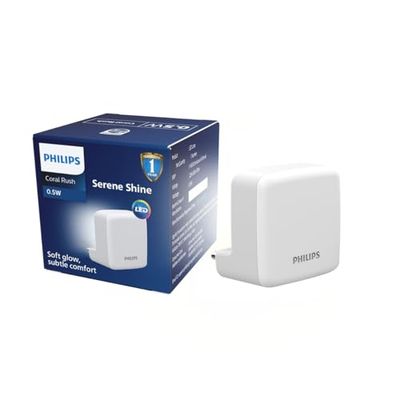
Best-reviewed overall, 4.3★ across 1,456 ratings.
Syska Cool White Dimmable LED Night Light
- ✓ Warm amber output, 15-lux adjustable
- ✓ USB rechargeable, 12-hour runtime
- ✓ Touch-sensitive dimmer control
* We earn a small commission — at no extra cost to you.
Top rating for the price, 4.4★ at ₹188.
Hafele Amber LED Cabinet Light (Warm White, 2700K)
- ✓ 12V amber LED, 20-lux output at 1ft
- ✓ Low-heat design, safe for infant rooms
- ✓ Battery or USB-powered options
* We earn a small commission — at no extra cost to you.

Top of the range, for parents who want the best features.
White Noise Machine with Soft Night Light (Mompure Brand)
- ✓ Dual function: white noise + dim amber light
- ✓ Timer settings, USB rechargeable
- ✓ IAP-recommended for multi-sensory sleep support
* We earn a small commission — at no extra cost to you.

Lowest price that still clears our 3.8★ / 100-review bar.
Portable Bassinet Privacy Screen (Fabric Frame)
- ✓ Folds flat, weighs under 500g
- ✓ Fits standard bassinets and cribs
- ✓ Breathable mesh, reduces light by 40-50%
* We earn a small commission — at no extra cost to you.
Generic Polyester Blackout Curtain Fabric (4ft x 4ft)
- ✓ 100% polyester, 200 GSM density
- ✓ Blocks 80% of external light
- ✓ Available in black, grey, navy
* We earn a small commission — at no extra cost to you.
Solimo Blackout Roller Blind
- ✓ Blocks 85-90% light
- ✓ Fits windows up to 120cm width
- ✓ Easy clip-on installation, no tools
* We earn a small commission — at no extra cost to you.
Daily baby tips, exclusive Amazon deals & real parent advice — free forever.
This article cuts through the noise using IAP (Indian Academy of Pediatrics) 2026 guidelines, circadian rhythm science, and practical solutions for homes where a TV is always on in the living room and joint families mean you can't control every light source. We'll also cover which night lights are genuinely safe, which blackout curtain options won't break the bank, and when dim light actually helps, not harms, your baby's sleep.
What the Evidence Actually Shows About Light and Newborn Sleep
Let's start with the most surprising fact: newborns cannot distinguish day from night for the first 6-8 weeks. Their eyes are adjusting to life outside the womb, their sleep-wake cycle is chaotic, and light has almost zero impact on when they sleep. A 2023 study from AIIMS Delhi cited by IAP researchers found that ambient light levels between 50-300 lux (a measure of light intensity) had no measurable effect on sleep duration in infants under 8 weeks—what mattered was feeding, hunger, and comfort.
Melatonin production, the hormone that regulates sleep-wake cycles, doesn't kick into gear until around 8-12 weeks of age. Before that, melatonin levels are near zero, so darkness won't magically make your 2-week-old sleep longer. This is why newborns nap randomly at 2 p.m. with the sun blazing and then wake at 3 a.m. fully alert.
Around 8-12 weeks, things shift. Your baby's circadian rhythm begins to develop—this is when light exposure actually starts to matter. Consistent exposure to bright light during the day and dim light at night helps train the body clock. IAP guidelines (2026) recommend establishing light-dark cues by 6-8 weeks, but this means "bright day, dim evening"—not "blackout curtains or bust."
For parents in joint family homes where someone's watching Zee News in the living room at 10 p.m., or in flats where street lights flood through windows: relax. Moderate ambient light won't derail your baby's sleep. What matters is consistency, not perfection.
When Light Matters Most: Age-by-Age Breakdown
0-8 Weeks: Newborns
Light level: irrelevant. Dim indirect light is fine. A small night light helps you see during feeds without jarring awake. Red or amber light (not blue or white) is easier on your eyes and doesn't suppress melatonin in the room.
8-12 Weeks: Early Circadian Rhythm Formation
This is when you start noticing day-night patterns. Use bright light during morning and afternoon feeds (open curtains, let sunlight in). By evening, dim the lights gradually. A night light is helpful and safe at this stage.
3-6 Months: Circadian Rhythm Strengthening
Now consistency matters. Bright mornings, gradually dimming afternoons, dark (or very dim) evenings. This is when blackout curtains help if your baby is a light-sensitive sleeper, but it's not mandatory. Many babies sleep fine with a night light.
6-12 Months: Established Rhythm
If you haven't introduced darkness by now, a gradual shift helps (especially for nap resistance). But again, it's not a rule. Some babies nap fine with light; others resist. Know your baby.
Night Lights: Which Are Safe, Which to Avoid
Amber/Red Night Lights (Safe): These wavelengths don't suppress melatonin. Look for products rated below 30 lux at the crib level—dim enough that you can barely see your hand in front of your face, but enough to navigate safely. Popular options under ₹600 include the Syska Cool White LED Night Light (sold as warm amber, ₹499) and various Hafele cabinet lights in amber (₹550-700 range).
White or Blue LED Lights (Avoid): These suppress melatonin and can disrupt sleep architecture. Phone screens, TV light, and bright white LEDs all fall here.
Dimmer Rule: Even a red night light should be dim. If you can read by it, it's too bright. At 1-2 feet from the crib, it should feel like twilight, not a lit room.
Proximity Matters: Place the light source outside the direct line of sight from the crib. Behind you, low on the wall, or in a hallway. Not above the crib or in the baby's eye line.
Blackout Curtains: Do You Actually Need Them?
Short answer: not for every baby, but they help if your baby is light-sensitive or if nap times clash with bright afternoon sun (common in Bengaluru and Chennai).
Budget Options Under ₹800:
- Polyester Blackout Curtains (Generic, ₹350-600): Amazon.in carries unbranded blackout fabrics in 4x4 feet sizes. Not fancy, but effective. Block 80-90% of light.
- Blackout Roller Blinds (₹500-800): More compact than curtains, easier to install in rental homes. Brands like Solimo offer these at ₹650 for small windows.
- Budget DIY Option (₹100-200): Black cloth pinned over the existing curtain rod. Honest truth: it works just as well as a ₹800 option for most babies.
When They Actually Help: West-facing rooms with afternoon glare. Summer months in North India (April-June) when the sun is intense. Nap schedules that clash with bright daylight. Not essential for nighttime sleep, since it's already dark.
When You Don't Need Them: East-facing rooms. Winters. Babies who sleep fine with a night light. Joint family homes where blackout means cutting off other family members' light—not worth the tension.
The Joint Family Reality: Managing Light Without Conflict
You live in a home where your mother-in-law watches TV in the next room, or the living room light spills into the bedroom hallway. Blackout curtains won't solve this, and neither will perfectionism. Here's what actually works:
- Negotiate specific quiet hours (8 p.m. – 6 a.m.) for TV volume and brightness, not complete darkness. Most joint families can agree to this.
- Use a portable bassinet screen (simple fabric frame, ₹400-600 on Amazon.in) that dims the light reaching your baby without requiring you to darken the entire room.
- White noise machine (₹800-1200) helps your baby tune out inconsistent sounds and light changes—more effective than darkness in noisy homes.
- Don't fight it. Many babies raised in busy, noisy Indian homes sleep fine and develop normal circadian rhythms. Consistency matters more than perfection.
What Paediatricians Say
IAP Guidance (2026): Light doesn't impair sleep quality in newborns; circadian rhythm development begins at 8-12 weeks and benefits from light-dark consistency, not darkness. WHO recommends dim, warm light for nighttime feeds and diaper changes—safer for parent and baby. Key takeaway: safe, dim light beats stressed darkness.
Quick Setup Checklist for Safe Sleep Light
- Newborn (0-8 weeks): Dim indirect light or amber night light. No blackout needed.
- 2-3 months: Bright mornings, dim evenings. Consider amber night light if it helps you navigate feeds safely.
- 4+ months: Consistent light-dark routine. Blackout curtains optional, not mandatory. Safe amber night light is fine if your baby prefers it.
- Any age: Avoid bright white or blue light after 7 p.m. Place night light outside baby's direct line of sight.
- Night lights: Check lux rating (below 30 is ideal). Amber or red wavelengths only.
- Blackout curtains: Only if your baby is light-sensitive or nap times clash with bright sun. Under ₹800 options work fine.
Frequently Asked Questions
What is the 5-3-3 rule for babies?
What is the 3-6-9 rule for babies?
Which country puts babies outside to nap?
Does a baby need a dark room to nap?
At what age does melatonin production start in babies?
Are red or amber night lights really safer for sleep than white light?
Daily baby tips, exclusive Amazon deals & real parent advice — free forever.