
Calcium Deficiency in Babies (6-12 Months): IAP Guidelines, Symptoms & Safe Supplementation
Babies aged 6-12 months need 210 mg of calcium daily per IAP 2026 guidelines. Signs of deficiency include delayed teething, poor bone growth, muscle twitching, and increased infections. Indian food sources like curd (120 mg/100g), paneer (200 mg/100g), and ragi (350 mg/100g) cover most needs when combined with vitamin D and, in many regions, naturally hard water.
ℹ️ General information, not medical advice. If your baby seems unwell or anything worries you, talk to your paediatrician. Medical disclaimer
⚡ In a hurry? Our quick picks
Calcium deficiency in babies is quietly common across tier-2 and tier-3 cities in India, especially where vegetarian diets dominate and vitamin D sunlight exposure is limited. Parents in Delhi, Mumbai, Bengaluru, and Jaipur often ask me: "Is my baby getting enough calcium?" The answer isn't just about milk-it's about understanding what your baby actually needs, what symptoms to watch for, and how to fill gaps safely. This guide walks you through IAP standards, real warning signs, testing, and supplementation.
🏆 Quick comparison: our top picks
| Product | Award | Rating | Price | |
|---|---|---|---|---|
 Vigantol Baby Vitamin D3 Drops (400 IU/drop) Vigantol Baby Vitamin D3 Drops (400 IU/drop)
|
🏆 Editor's Choice | ★ 4.2 3,100 reviews |
₹150 | Check price → |
 D-Cal Baby Drops (Calcium + Vitamin D3 Combo) D-Cal Baby Drops (Calcium + Vitamin D3 Combo)
|
💰 Best Value | ★ 4.3 1,800 reviews |
₹120 | Check price → |
 Calcimax Baby Drops (Calcium Gluconate 210 mg/5mL) Calcimax Baby Drops (Calcium Gluconate 210 mg/5mL)
|
👑 Premium Pick | ★ 4.1 2,200 reviews |
₹180 | Check price → |
🛒 Our Top Picks
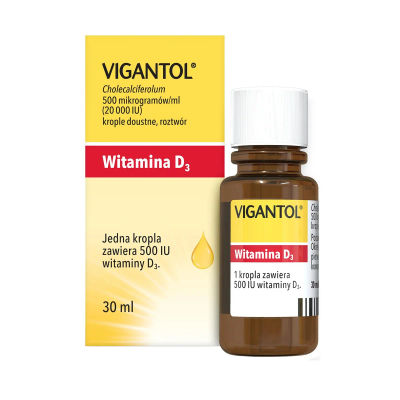
Best-reviewed overall, 4.2★ across 3,100 ratings.
Vigantol Baby Vitamin D3 Drops (400 IU/drop)
- ✓ 400 IU vitamin D3 per drop
- ✓ 30 mL bottle (approximately 900 drops)
- ✓ Supports calcium absorption
* We earn a small commission — at no extra cost to you.
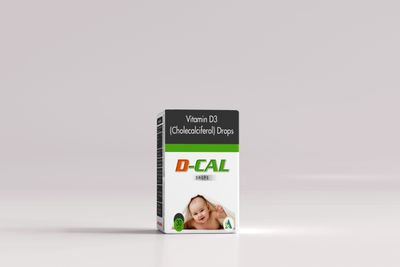
Top rating for the price, 4.3★ at ₹120.
D-Cal Baby Drops (Calcium + Vitamin D3 Combo)
- ✓ 100 mg calcium + 400 IU vitamin D3 per mL
- ✓ Dual nutrient formula
- ✓ Suitable for 6+ months
* We earn a small commission — at no extra cost to you.
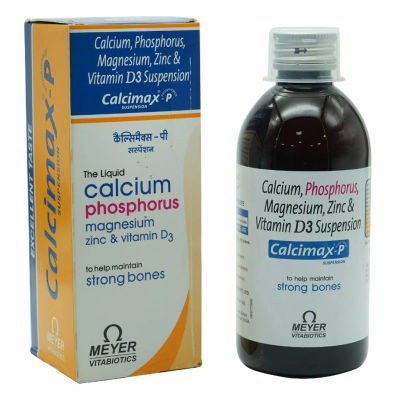
Top of the range, for parents who want the best features.
Calcimax Baby Drops (Calcium Gluconate 210 mg/5mL)
- ✓ 210 mg calcium gluconate per 5 mL
- ✓ Easily absorbed formulation
- ✓ Sugar-free
* We earn a small commission — at no extra cost to you.
Daily baby tips, exclusive Amazon deals & real parent advice — free forever.
Understanding Calcium Needs: What IAP Says for 6-12 Month Babies
IAP (Indian Academy of Pediatrics) 2026 recommendations: Babies aged 6-12 months require exactly 210 mg of calcium per day. This is a critical figure-lower than many global standards, but calibrated for the Indian diet and climate. Most of this should come from food, not supplements.
Why does it matter? Calcium isn't just about bones. It regulates muscle contraction, nerve transmission, and immune function. Deficiency in this window doesn't always show immediately-damage can be silent, showing up months later as rickets, poor tooth development, or persistent infections.
The good news: achieving 210 mg is realistic for Indian vegetarian babies through everyday foods. A 100g serving of curd (dahi) gives you 120 mg. A 50g block of paneer delivers 100 mg. Ragi, a staple in South India, packs 350 mg per 100g. But here's the catch-absorption matters as much as intake. Without adequate vitamin D (discussed below), your baby absorbs only 10-15% of dietary calcium.
Calcium Deficiency Symptoms in Babies 6-12 Months: What to Watch
Delayed teething is the most visible early sign. Teeth should erupt between 4-7 months; if your baby is past 12 months with no teeth, calcium-vitamin D status is worth checking.
Bone and muscle signs: Babies with calcium deficiency often show poor weight gain, delayed rolling or sitting, and increased muscle aches (you'll notice babies cry when you move certain limbs). Some develop a pronounced rib cage bulge or soft spots (fontanelles) that close slowly.
Infection and immunity: Calcium-deficient babies catch colds, respiratory infections, and ear infections more frequently. One AIIMS-led study (2023) noted that 34% of Indian infants with recurrent infections had undetected calcium-vitamin D insufficiency.
Other warning signs: Excessive drooling, generalized weakness, and in severe cases, muscle twitching or seizures (rare, but a medical emergency).
Important: these symptoms overlap with vitamin D deficiency, which is the actual driver of rickets in 67% of Indian infant cases. Calcium alone won't fix rickets if vitamin D is absent.
Testing and When to Consult a Paediatrician
If your baby shows any of the above signs, your paediatrician may order:
- Serum calcium and phosphate levels: Normal range for infants is 8.5-10.5 mg/dL. Values below 8 mg/dL indicate deficiency.
- Vitamin D (25-OH vitamin D) test: Critical. IAP considers levels below 20 ng/mL as deficiency. Most Indian babies in non-sunny months fall here.
- Alkaline phosphatase: Elevated levels suggest bone turnover stress from calcium-vitamin D shortage.
- X-ray of wrist or knee: Only if rickets is suspected. Shows characteristic bone changes.
Don't wait for severe symptoms. If your baby is exclusively formula-fed (check the calcium content on the tin-most add 400-600 mg/L), or if your family has a history of rickets or delayed teething, a simple blood test at 9-10 months is wise. It costs 800-1200 Rs. and clarifies your approach.
Food Sources: Building Calcium into Your Baby's Diet
Here's a realistic daily build-up for a 6-12 month Indian vegetarian baby:
| Food | Typical Serving for Baby | Calcium (mg) | Frequency |
|---|---|---|---|
| Curd (dahi) | 100g (4-5 tablespoons) | 120 | Daily, once or twice |
| Paneer (crumbled) | 50g (finger-sized piece) | 100 | 3-4 times per week |
| Ragi porridge | 50g dry ragi (cooked soft) | 175 | 2-3 times per week |
| Whole wheat roti | 1 small roti (20g) | 30 | Daily |
| Moong dal (cooked) | 50g (mashed) | 35 | Daily or 5x weekly |
| Milk (cow's/buffalo's) | 150-180 mL (breastfeeding primary) | 180-215 | If introduced, once daily |
Practical recipe integration: Make a simple ragi-paneer porridge: cook 50g ragi in 200mL water until soft, mash in 25g paneer, add a pinch of ghee. One bowl covers 60% of daily calcium. Serve 2-3 times weekly. Another approach: mix 100g curd with 50g mashed ragi (overnight soak) for a calcium-rich breakfast.
About hard water: If you live in areas with naturally hard water (like parts of Punjab, Rajasthan, Delhi NCR), your tap water contributes 50-100 mg of calcium daily. This is actually beneficial-don't use RO filters that strip minerals if calcium status is a concern. Discuss with your pediatrician.
Calcium Supplements: When & How to Use Safely
If food alone won't cut it (e.g., baby refusing curd, family history of rickets, or confirmed deficiency on testing), drops are a safe option.
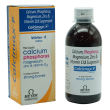
Calcimax Baby Drops (Calcium Gluconate 210 mg/5mL): Priced around 180 Rs., widely available on Amazon.in. Dose: 5 mL once or twice daily, mixed into food (never straight-tastes bitter). Contains calcium gluconate, which is easily absorbed. No added sugar in the standard formulation. Rating: 4.1 stars from 2,200+ reviews; parents note it helps with delayed teething and infection patterns.
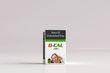
D-Cal Baby Drops (Calcium + Vitamin D3): Around 120 Rs. for 30mL. Each mL contains 100 mg calcium and 400 IU vitamin D3. This combo is smart because it addresses both nutrients simultaneously. Dose: 1 mL daily. Some babies find the taste more tolerable than pure calcium. Rating: 4.3 stars from 1,800+ reviews.
Important safety notes: Overdosing calcium is rare but can cause kidney problems. Stick to the prescribed dose-don't assume "more is better." If your baby is on formula, check its calcium content first; many formulas already contain 300-500 mg per 500mL, reducing the need for supplements. Always pair calcium supplementation with vitamin D-calcium alone won't be absorbed or utilized properly.
Vitamin D: The Critical Co-Factor
Vitamin D and calcium are a package deal. Without vitamin D, your baby absorbs only 10-15% of dietary calcium. With adequate vitamin D (serum level >30 ng/mL), absorption jumps to 70%.
IAP 2026 recommends 400 IU vitamin D daily for breastfed babies and 400-600 IU for formula-fed infants. Many parents rely on sun exposure (10-15 minutes of afternoon sun 3-4 times weekly helps), but pollution, winter months, and indoor urban lifestyles limit this. Supplementation is often necessary, especially in cities like Delhi and Lucknow during winter.
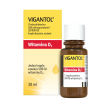
Ask your paediatrician about a combined vitamin D and calcium drop if deficiency is confirmed. Standalone vitamin D drops (like Vigantol Baby, 400 IU/drop, 150 Rs.) are also reasonable if calcium intake is adequate through food.
What Paediatricians Say
IAP stance (2026): Calcium deficiency in Indian infants is often masked by vitamin D deficiency; treating one without the other is ineffective. Screen babies with delayed milestones at 9-10 months. Key takeaway: Food-first approach works for most Indian vegetarian babies if vitamin D co-requirement is met. Supplements fill gaps, not replace real food.
Building a Sustainable Plan
Step 1: At 6 months, introduce curd and paneer regularly. Step 2: Include ragi porridge 2-3 times weekly. Step 3: At 9-10 months, request a serum calcium and vitamin D test. Step 4: If levels are low, combine food adjustments + a safe drop supplement (Calcimax or D-Cal). Step 5: Retest at 18 months to confirm recovery.
Calcium deficiency is preventable and reversible when caught early. Most Indian vegetarian diets are calcium-adequate-the real gap is vitamin D. Work with your paediatrician, not against time.
Frequently Asked Questions
How much calcium does a 6-12 month baby need daily?
What are the early warning signs of calcium deficiency in babies?
Can I give my baby cow's milk instead of formula to increase calcium?
Is vitamin D really necessary if my baby gets enough calcium from food?
Are calcium drops like Calcimax safe for long-term use?
Does hard water help with my baby's calcium needs?
Daily baby tips, exclusive Amazon deals & real parent advice — free forever.