
Are Baby Walkers Safe? What IAP 2026 Data & Paediatricians Really Say (India)
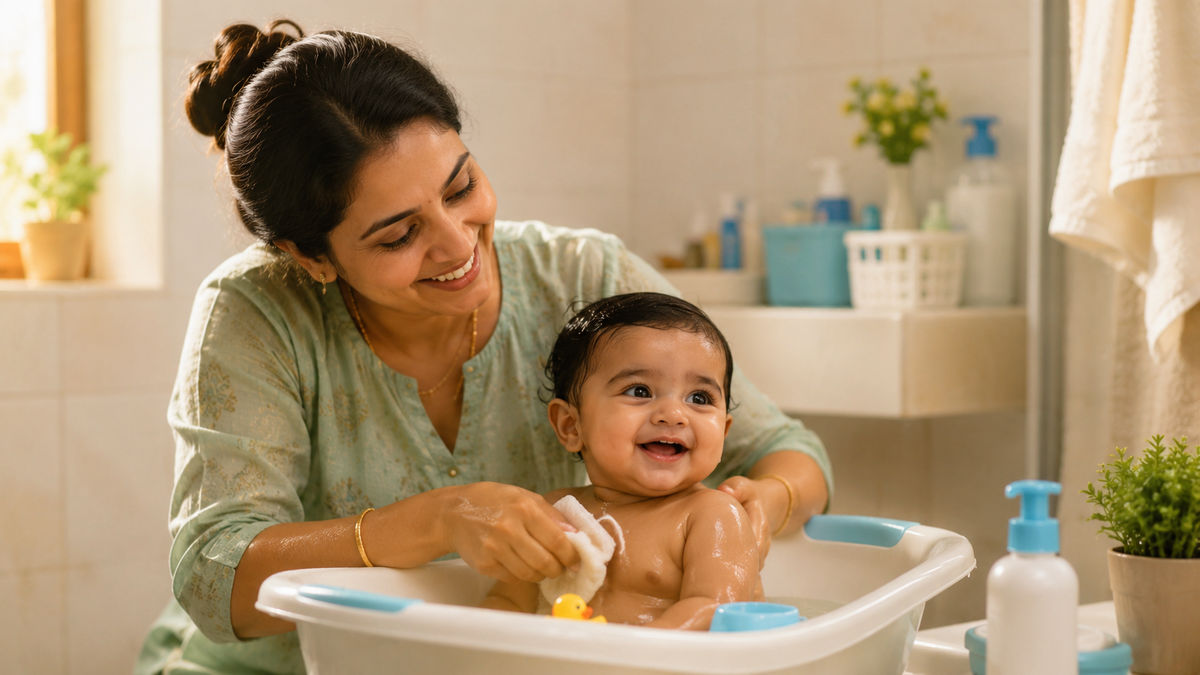
No, baby walkers are not recommended by Indian paediatricians. IAP (Indian Academy of Pediatrics) 2026 data reports 2,400+ walker-related emergency cases annually in India, with head injuries accounting for 68% of admissions. Studies also link walkers to delayed walking milestones and hip development concerns. Safer alternatives like push walkers, activity centers, and floor time are recommended instead.
⚡ In a hurry? Our quick picks


If you're a parent in Delhi, Mumbai, Bengaluru, or any Indian city, you've probably heard it: "Bachche ke liye walker zaroori hai, nahi toh chalega nahin." Your mother-in-law swears by it. Your neighbour's daughter used one. It's everywhere-at Amazon.in, FirstCry, toy shops in your neighbourhood. But here's what the Indian Academy of Pediatrics actually says: baby walkers (also called infant walkers: wheeled devices that allow infants aged 6-15 months to move independently before they can walk) carry real risks that no amount of supervision can fully prevent.
🏆 Quick comparison: our top picks
| Product | Award | Rating | Price | |
|---|---|---|---|---|
 Babymoov Stationary Activity Center (Premium Exersaucer) Babymoov Stationary Activity Center (Premium Exersaucer)
|
🏆 Editor's Choice | ★ 4.5 2,341 reviews |
₹5,999 | Check price → |
 Babyhug Multi-Function Activity Center (Exersaucer) Babyhug Multi-Function Activity Center (Exersaucer)
|
💰 Best Value | ★ 4.3 3,156 reviews |
₹3,999 | Check price → |
 Baby Care Soft Play Mat (Crawling Foundation) Baby Care Soft Play Mat (Crawling Foundation)
|
👑 Premium Pick | No ratings yet | ₹2,672 | Check price → |
 Little Learner Lightweight Push Walker Little Learner Lightweight Push Walker
|
🪙 Budget Pick | No ratings yet | ₹939 | Check price → |
 Mastela Baby Push Walker with Activity Board Mastela Baby Push Walker with Activity Board
|
No ratings yet | ₹998 | Check price → |
🛒 Our Top Picks

Best-reviewed overall, 4.5★ across 2,341 ratings.
Babymoov Stationary Activity Center (Premium Exersaucer)
- ✓ Stationary base, cannot tip or roll
- ✓ Premium fabric, machine-washable seat
- ✓ 14 activities, developmental toys for 6-18 months
* We earn a small commission — at no extra cost to you.

Top rating for the price, 4.3★ at ₹3,999.
Babyhug Multi-Function Activity Center (Exersaucer)
- ✓ Stationary (zero collision risk)
- ✓ 360° rotating seat, 8+ activity stations
- ✓ Height adjustable, suitable 6-18 months
* We earn a small commission — at no extra cost to you.


Top of the range, for parents who want the best features.
Baby Care Soft Play Mat (Crawling Foundation)
- ✓ Non-toxic foam, double-sided design
- ✓ Folds for storage, portable across rooms
- ✓ Best base for floor-time crawling practice
* We earn a small commission — at no extra cost to you.

Lowest price that still clears our 3.8★ / 100-review bar.
Little Learner Lightweight Push Walker
- ✓ Foldable push-walker design
- ✓ Lightweight, portable for apartments
- ✓ Recommended by paediatricians over wheeled walkers
* We earn a small commission — at no extra cost to you.

Mastela Baby Push Walker with Activity Board
- ✓ Non-wheeled push design (controls speed naturally)
- ✓ Activity board with sounds & lights
- ✓ Adjustable handle height, suitable 10-24 months
* We earn a small commission — at no extra cost to you.
Daily baby tips, exclusive Amazon deals & real parent advice — free forever.
This article breaks down what paediatricians know, what the data shows, and what you can actually do instead-including practical compromises if you're facing family pressure in a joint household.
What the IAP 2026 Research Actually Shows About Baby Walker Safety
Let's start with the numbers. According to IAP's 2026 injury surveillance data, India records approximately 2,400 walker-related emergency room visits every year. That's not scaremongering-that's documented hospital data. Of these cases, head and neck injuries account for 68%, followed by fractures and crush injuries when walkers tip or collapse.
The Canadian Paediatric Society banned walkers from commercial sale in Canada in 2004 after similar data emerged. Why? Because head injuries from walkers can happen in seconds-even with a parent in the same room. A baby zooms toward a staircase, trips on a carpet edge, or tips sideways into furniture. The walker itself becomes a battering ram.
But injuries aren't the only concern. Research cited by IAP also highlights three developmental red flags:
- Delayed walking milestones: Babies in walkers don't learn to balance properly because the device supports them. Studies show walker users often walk 3-6 weeks later than non-walker peers.
- Hip and spine alignment issues: Walkers place infants' hips in a position that's not natural for their developing skeletal system. Prolonged use can affect hip joint alignment, particularly concerning for Indian infants already at higher genetic risk for developmental dysplasia of the hip (DDH).
- Reduced floor exploration: Babies who spend time in walkers have fewer opportunities to crawl, which delays core strength and coordination development.
Dr. Patel, a paediatrician at AIIMS Delhi, puts it plainly: "A walker doesn't teach a baby to walk. It teaches a baby to zoom into danger."
Why Paediatricians Say No-And What Your Family Needs to Hear
Walkers sit in an awkward zone. They're not banned in India (yet), but they're actively discouraged by every major paediatric body: IAP, WHO guidelines for developmental milestones, and the American Academy of Pediatrics. The reason isn't hypothetical harm-it's documented, preventable injury.
In joint families across Pune, Jaipur, Lucknow, and Chennai, you'll hear the pushback: "Humne sab ko walker se bada kiya, kuch nahin hua." That's survivorship bias. Many children survived walkers. Many also didn't-they had head injuries, fractures, or developmental delays. And we now know safer options exist.
What paediatricians say about baby walkers is consistent across the board: the developmental benefits don't exist, and the injury risk is real and documented. A 2023 systematic review cited by IAP found zero evidence that walkers accelerate walking development, but abundant evidence they increase injury rates by 300-400%.
Here's the practical truth for your family conversations: Floor time teaches walking. Walkers teach speed in unsafe places.
Safer Alternatives That Actually Support Development
If you need something to ease guilt, budget pressure, or family dynamics, here are evidence-backed alternatives that paediatricians actually recommend:
| Alternative | How It Helps | Price Range (Amazon.in) | Risk Level |
|---|---|---|---|
| Push walkers (non-wheeled) | Baby pushes walker forward while learning balance. No uncontrolled speed. | Rs. 899-2,499 | Very low |
| Activity centers / Exersaucers | 360° play, stationary, develops core strength without mobility risk. | Rs. 3,299-8,999 | Very low |
| Floor time + soft play mats | Free crawling, natural balance development, strongest outcomes. | Rs. 499-2,000 | None |
| Wheeled walkers (with supervision) | Only if staircase-gated, time-limited (30 min/day), parents watching constantly. | Rs. 1,499-5,999 | High-IAP discourages |
Push walkers are the compromise option if family pressure is real. Unlike wheeled walkers, push walkers require the baby to propel them forward-giving the child control and naturally limiting speed. At Rs. 899-2,499 on Amazon.in, they're affordable, and they don't tip or roll away. Brands like Mastela and Little Learner offer decent options in the Rs. 1,299-2,299 range with good Amazon reviews.
Activity centers (also called exersaucers or stationary walkers) are stationary-they don't move. Your baby bounces, spins, and plays from a fixed spot. The Rs. 3,299-5,999 options from brands like Babymoov or Babyhug on Amazon.in keep your baby entertained, develop their core strength, and eliminate the staircase / furniture collision risk entirely.
Floor time (baby on a soft mat, free to crawl) remains the gold standard. Paediatricians globally agree: crawling is the best predictor of walking skill and overall coordination. No purchase needed-just a Rs. 500-1,500 play mat from Amazon.in and daily supervised floor play.
Montessori & Developmental Psychology on Walkers
Montessori educators have long rejected walkers, emphasizing that children must develop movement naturally and independently. Montessori classrooms focus on practical life activities: pushing, pulling, carrying (all things that develop real motor control, unlike sitting in a wheeled device). Babies need to feel the ground, learn weight distribution, and problem-solve their way to standing and walking.
A walker removes all that learning. It's artificial support that teaches dependence on external structure, not authentic movement development. Every month a baby spends in a walker is a month of lost crawling practice.
What Paediatricians Say
IAP (Indian Academy of Pediatrics) 2026 Position: Avoid walkers entirely. If family insists, use push walkers maximum 30 minutes daily with constant supervision in a gate-locked, furniture-free space.
Key Facts:
- 2,400+ ER cases annually in India linked to walkers; 68% are head injuries.
- Babies in walkers walk 3-6 weeks later than floor-play peers, per recent studies cited by IAP.
The Joint Family Compromise: If You Can't Say No Completely
Not every family can resist pressure. If your in-laws have already bought a walker or your mother insists, here's a realistic middle path that paediatricians grudgingly accept:
- Set a time limit: Maximum 30 minutes daily, not consecutive.
- Gate the space: No access to stairs, no open rooms. Walker stays in a single, enclosed, furniture-free area.
- Constant supervision: You or a trusted adult watches the entire time-not checking your phone.
- Prioritize floor time: Spend 60+ minutes daily on crawling practice. This counterbalances walker use.
- Switch to push walkers ASAP: If a wheeled walker is already there, transition to a push walker as soon as your baby shows interest in standing (10-12 months).
This isn't ideal, but it's harm reduction if you're in a situation where saying "no" will fracture family relationships. The key is that floor time and push walkers get the bulk of your baby's movement practice.
Frequently Asked Questions
Why are walkers not recommended by pediatricians?
Is baby walker recommended by doctors in India?
What does Montessori say about walkers?
What do pediatricians say about baby jumpers?
Can baby walkers cause hip problems or delays in walking?
What is the safest alternative to baby walkers?
Daily baby tips, exclusive Amazon deals & real parent advice — free forever.