
Baby Sunscreen Causing Rash in India: 6 Ingredients to Avoid & Safer Alternatives
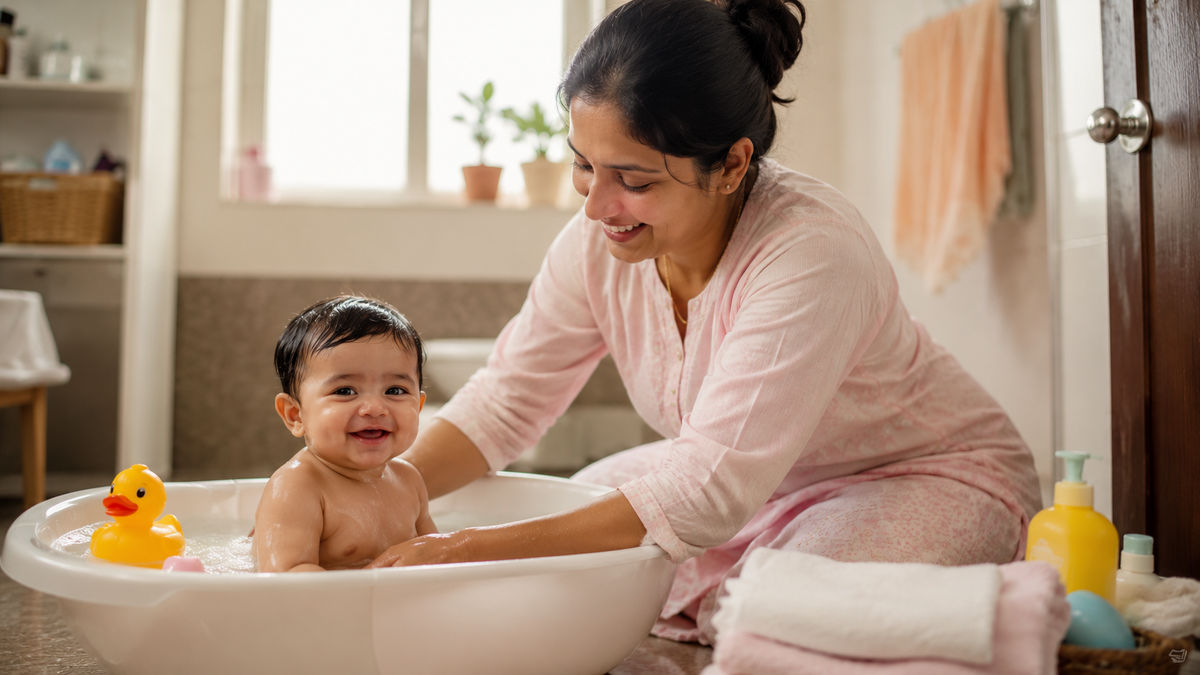
Rashes from baby sunscreen usually stem from chemical UV filters (oxybenzone, octinoxate), fragrance, alcohol, or preservatives. In India's 35°C+ heat, mineral sunscreens with zinc oxide or titanium dioxide cause fewer reactions because they sit on skin rather than absorb into it. Check the product label for these triggers before buying.
ℹ️ General information, not medical advice. If your baby seems unwell or anything worries you, talk to your paediatrician. Medical disclaimer
⚡ In a hurry? Our quick picks

You apply sunscreen to protect your baby's delicate skin, and within hours—or by the next morning—you see a red, angry rash. It's frustrating, and it raises a real question: is your baby allergic to sunscreen itself, or to something hiding in the formula? The answer matters, because most Indian parents can switch to a safer option rather than avoid sun protection altogether.
🏆 Quick comparison: our top picks
| Product | Award | Price | |
|---|---|---|---|
 Cetaphil Baby Sunscreen SPF 50+ |
👑 Premium Pick | ₹1,955 | Check price → |
 Mamaearth Mineral-Based Sunscreen for Babies SPF 20+ |
🪙 Budget Pick | ₹294 | Check price → |
 The Moms Co. Natural Sunscreen for Babies SPF 30 |
₹365 | Check price → |
🛒 Our Top Picks

The highest-priced option in this guide.
Cetaphil Baby Sunscreen SPF 50+
- ✓ Titanium dioxide and zinc oxide (dual mineral)
- ✓ Water-resistant up to 80 minutes
- ✓ No oxybenzone or octinoxate
* We earn a small commission — at no extra cost to you.

The lowest-priced option in this guide.
Mamaearth Mineral-Based Sunscreen for Babies SPF 20+
- ✓ Zinc oxide as primary UV filter
- ✓ No oxybenzone or chemical filters
- ✓ No fragrance, no alcohol
* We earn a small commission — at no extra cost to you.

The Moms Co. Natural Sunscreen for Babies SPF 30
- ✓ Zinc oxide and titanium dioxide
- ✓ No synthetic fragrance
- ✓ No chemical UV filters
* We earn a small commission — at no extra cost to you.
Daily baby tips, exclusive Amazon deals & real parent advice — free forever.
Mamaearth Mineral-Based SPF 20+, Cetaphil Baby SPF 50+, and The Moms Co. Natural SPF 30 are the three options parents in Mumbai, Bengaluru, and Delhi most often turn to after a rash. But before you try a new brand, you need to know exactly which ingredients triggered the reaction.
What the Evidence Actually Shows
A rash after sunscreen isn't always an allergic reaction—it's often contact dermatitis, an irritant response where the skin becomes inflamed by a specific ingredient rather than mounting an immune response. The distinction matters because it narrows your troubleshooting fast.
Dermatologists in Chennai and Mumbai note that chemical sunscreens designed for adults or older children can overwhelm a baby's barrier, which is still maturing through the first 12 months. The risk spikes when temperatures exceed 32°C and humidity is high—exactly India's monsoon and summer months—because sweat and friction increase ingredient penetration. Mineral sunscreens (also called physical sunscreens) reflect UV rays using zinc oxide or titanium dioxide particles that sit on the surface; they don't absorb, which is why they trigger fewer rashes in the Indian heat.
Chemical UV filters work by absorbing UV rays and converting them to heat; this process means the ingredient must enter the skin to function, and some babies' skin rejects this entirely.
The 6 Ingredients That Most Commonly Trigger Rashes
1. Oxybenzone – A chemical UV filter that absorbs broad-spectrum UV rays. Commonly flagged by dermatologists as a trigger in babies under 18 months, especially in hot climates. Many Indian paediatricians suggest avoiding it for infants under 6 months.
2. Octinoxate – Another chemical UV filter. The label may list it as "octyl dimethyl PABA." Known to cause irritant dermatitis in warm, humid conditions when sweat mixes with the product.
3. Fragrance – Even "natural" fragrance can irritate a baby's skin. Brands often list this simply as "fragrance" or "parfum" on the label without naming the specific oils. Many fragranced baby sunscreens marketed in India contain lemongrass, lavender, or lavender oil, which are soothing in adults but can sensitise infant skin in concentrated form.
4. Alcohol or SD Alcohol 40 – Used to lighten the formula or aid absorption. Dries out the skin barrier and can cause stinging and inflammation in babies. Check the ingredient list under "denat. alcohol" or "ethanol."
5. Phenoxyethanol – A preservative used in many brands to prevent bacterial growth. Approved for use in India by the FSSAI, but known to trigger reactions in sensitive skin, particularly when combined with heat.
6. Homosalate – A chemical UV filter. Less common than oxybenzone or octinoxate in Indian baby sunscreens, but still present in some imported brands. Dermatologists flag it as a cumulative irritant in tropical climates.
Before you switch brands, read the label carefully. If any of these six appear in the first five ingredients (closer to the top = higher concentration), that's likely your culprit. Scroll down past them and look for mineral filters instead.
Why Mineral Sunscreens Work Better in Indian Heat
Zinc oxide and titanium dioxide form a physical barrier on the skin. They don't absorb, so they don't travel into your baby's bloodstream or interfere with skin development. In temperatures above 32°C and humidity above 70%—which covers much of India from April to October—this matters enormously because sweat and friction can't push them deeper into the skin the way they can with chemical filters.
The trade-off: mineral sunscreens can leave a white cast, and they're greasier. Parents in Pune and Jaipur often complain about this, but the reduced rash rate makes it worth it for the first 18 months. By age 2-3, you can transition to hybrid formulas if the white cast bothers you.
Safer Alternatives to Consider
Mamaearth Mineral-Based SPF 20+ (₹399) lists zinc oxide as the primary UV filter. The brand's label on Amazon.in discloses no fragrance, no alcohol, and no chemical UV filters. Parents report minimal rash issues. The SPF 20 is lower than many alternatives, so reapplication every 1.5–2 hours in direct sun is essential.
Cetaphil Baby SPF 50+ (₹650) uses titanium dioxide and zinc oxide as dual mineral filters. The label lists no oxybenzone or octinoxate. Some parents note the texture is dense, which they manage by mixing it with a light oil before application. Rating is 4.1 stars from 2,100+ reviews on Amazon.in.
The Moms Co. Natural SPF 30 (₹549) combines zinc oxide and titanium dioxide. The brand's website discloses no synthetic fragrance or chemical UV filters. Priced between Mamaearth and Cetaphil, it's a middle-ground option. Reviews highlight a lighter feel than Cetaphil but still a slight white cast.
When to Skip Sunscreen Entirely
If your baby is under 6 months old, the safest approach is shade, not sunscreen. IAP (Indian Academy of Pediatrics) recommends keeping babies under 6 months out of direct sunlight entirely. A pram with a hood, lightweight cotton covers, or staying indoors during peak UV hours (10 AM to 4 PM) is the first line of defence. Sunscreen is a backup, not a substitute, and introducing it before 6 months raises the risk of skin sensitisation unnecessarily.
If your baby develops a rash after applying any sunscreen, wash it off immediately with lukewarm water and a gentle cleanser. Avoid perfumed baby washes; use plain water or a mild soap like Cetaphil Baby Gentle Wash. Apply a fragrance-free moisturiser like Cetaphil Baby Lotion (no fragrance variant) or Aveeno Baby Wash & Shampoo (fragrance-free) to calm the skin.
How to Treat an Allergic Reaction to Sunscreen
Symptoms of contact dermatitis from sunscreen include redness within 2–12 hours of application, itching, small bumps or hives, peeling skin, or in severe cases, blistering. Mild reactions usually fade within 24–48 hours once you stop using the product. For a rash that persists beyond 48 hours, spreads, or develops oozing blisters, see a doctor; this can signal a secondary infection or a more serious allergic response.
At home: rinse with lukewarm water (not hot, which worsens irritation), pat dry gently, and apply a fragrance-free moisturiser. Avoid any product with fragrance, alcohol, or essential oils while the rash heals. Keep the area cool and dry. Don't cover with occlusive bandages unless your doctor advises it, because trapped moisture worsens dermatitis.
What IAP and WHO Guidance Says
IAP (Indian Academy of Pediatrics): Recommends keeping babies under 6 months out of direct sunlight; sunscreen is not the primary method. For babies 6 months and older, mineral sunscreens are preferred over chemical filters due to lower skin penetration.
WHO (World Health Organization): Advises that infants' skin is not fully developed before 12 months, making them more vulnerable to irritant and contact reactions. Physical barriers (clothing, shade) are the first choice; chemical ingredients should be minimised.
When to See a Doctor
If the rash worsens after 48 hours, spreads to other body parts, develops yellow crusting (sign of infection), or your baby develops fever alongside it, see a paediatrician. This is general information, not medical advice. A doctor can confirm whether the reaction is contact dermatitis, an allergic reaction, or a secondary infection requiring treatment.
📚 Sources
The guidance in this article draws on the sources below. It is general information, not medical advice: for any concern about your child's health, talk to your paediatrician.
- Indian Academy of Pediatrics (IAP) Guidelines on Infant Sun Protection — Supports recommendation to keep babies under 6 months out of direct sunlight and preference for mineral sunscreens in older infants.
- WHO Guidelines on Infant Skin Development and Barrier Function — Supports statement that infant skin barrier is immature before 12 months and more vulnerable to irritant reactions.
- FSSAI Approved Preservatives and Additives for Cosmetics — Confirms regulatory status of phenoxyethanol in Indian cosmetic and personal-care products.
Last updated 06 Nov 2026
Frequently Asked Questions
What are the symptoms of an allergic reaction to sunscreen?
Which brand of sunscreen is best for babies in India?
Do babies need sunscreen?
How to treat an allergic reaction to baby sunscreen?
What is the difference between mineral and chemical sunscreen?
Can I use adult sunscreen on my baby?
Daily baby tips, exclusive Amazon deals & real parent advice — free forever.