
Baby Rash From Clothes: 5-Step Check, Wash Routine & Fabric Picks Under ₹500
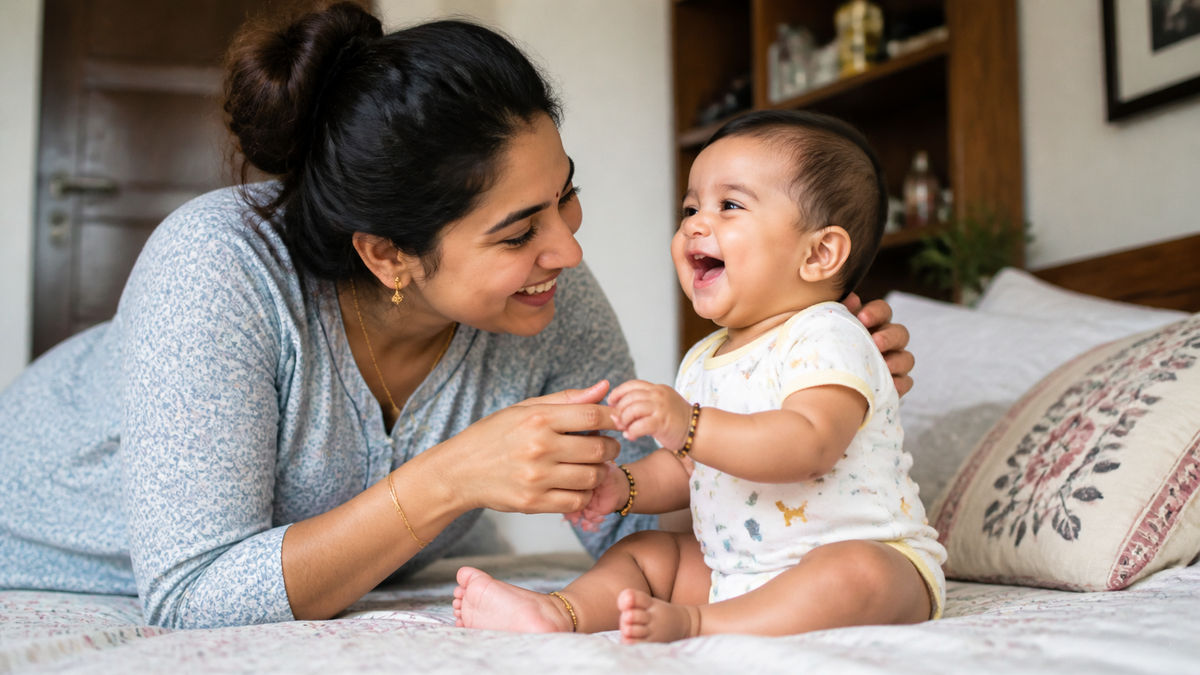
Baby rash from clothes comes from scratchy seams, synthetic dyes, residual detergent, and irritant fibres like polyester. Wash new clothes twice in soft water with mild soap before wearing, remove all tags, choose muslin and organic cotton, and switch to a baby-safe detergent. Most clear in 2–3 days once the irritant is removed.
⚡ In a hurry? Our quick picks
Your baby wakes up with a patchy red rash on their neck, wrists, and thighs—exactly where a new outfit was tight. You've changed the diaper, ruled out heat rash, and the skin looks angry but not infected. Welcome to clothing rash: a contact irritation from fabric, dyes, stitching or soap buildup that shows up within hours of wearing new clothes.
🏆 Quick comparison: our top picks
| Product | Award | Price | |
|---|---|---|---|
 Mother's Choice Organic Cotton Baby Kurta with Lounge Pants |
👑 Premium Pick | ₹770 | Check price → |
 Aqua Soft Water Softener Powder (250g) |
🪙 Budget Pick | ₹350 | Check price → |
 Babyhug 100% Cotton Romper Set (Pack of 3) |
₹669 | Check price → | |
 Chicco Baby Cotton Sleepsuit (Pack of 2) |
₹649 | Check price → |
🛒 Our Top Picks
The highest-priced option in this guide.
Mother's Choice Organic Cotton Baby Kurta with Lounge Pants
- ✓ 95% organic cotton, 5% spandex
- ✓ Soft sewn labels
- ✓ Double-stitched flat seams
* We earn a small commission — at no extra cost to you.

The lowest-priced option in this guide.
Aqua Soft Water Softener Powder (250g)
- ✓ Removes hardness minerals
- ✓ Safe for baby laundry
- ✓ One pack treats 8–10 washes in hard water
* We earn a small commission — at no extra cost to you.
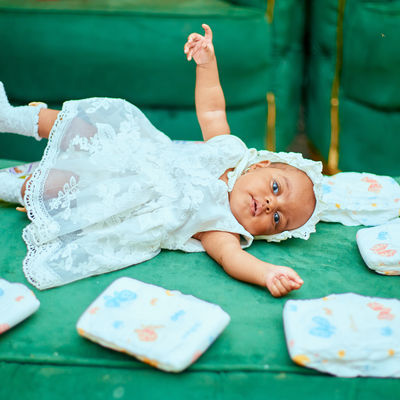
Babyhug 100% Cotton Romper Set (Pack of 3)
- ✓ 100% cotton
- ✓ Printed labels (no scratch)
- ✓ Flat seams
* We earn a small commission — at no extra cost to you.
Chicco Baby Cotton Sleepsuit (Pack of 2)
- ✓ Cotton-blend fabric
- ✓ Flat interior seams
- ✓ Zip closure (no buttons)
* We earn a small commission — at no extra cost to you.
Daily baby tips, exclusive Amazon deals & real parent advice — free forever.
Unlike diaper rash (which is caused by moisture and bacterial growth in a warm environment) or heat rash (which clusters in creases and sweat zones), clothing rash appears as distinct lines, welts or patches exactly where fabric seams, tags or elastic edges press against the skin. It's not dangerous, but it's uncomfortable—and entirely preventable.
The three main culprits are synthetic fibres and residual dyes (especially in bright colours), harsh detergent left in the weave after factory washing, and physical irritation from stiff seams, scratchy thread, and plastic tags. Babies under 6 months have thinner skin and less developed immune barriers, so they react faster. Hard water—common in Delhi, Pune, Mumbai suburbs, and Bengaluru—makes it worse by trapping detergent residue and preventing proper rinsing.
Here's how to stop it: a pre-wear wash routine, a fabric quality check, and the right detergent.
The 5-Point Fabric Check Before Your Baby Wears Anything New
Before a single wash, inspect the piece in your hand. A quick tactile check takes 30 seconds and catches the worst offenders. Run your fingers along seams, collars, armholes and the inside waistband. If it feels stiff, rough, or has raised stitching, it will irritate. Check for a plastic tag sewn directly into the neckline or waistband—these must come off before washing. Look for loose threads, especially coloured ones that might bleed in the wash. Feel the fabric between your fingers: soft and stretchy is muslin or organic cotton; stiff and papery is polyester or synthetic-blend.
Fabrics to favour: muslin (breathable, naturally soft, gentle), organic cotton interlock (thicker than muslin, holds shape, less prone to pilling), and bamboo viscose (silky, hypoallergenic, but check care labels—often needs gentler washing). Avoid: pure polyester, acrylic blends, synthetic microfibre, and anything with plastic-backed water-resistance layers unless it's certified for baby use.
What Does a Fabric Rash Actually Look Like?
Clothing rash appears as red or pink patches, lines, or welts in the exact shape of seams, bands, or tag placement. If your baby wore a tight romper with a thick back seam, you'll see a red line down the spine. If there's an elastic waistband, expect a horizontal welt at the stomach. Tags create small raised bumps or patches on the neck. The rash is often raised (urticarial) rather than flat, and it itches visibly—your baby will scratch, rub, or become fussy. It does not have pustules, weeping, or yellow crust (signs of infection). It does not cluster in skin folds like heat rash (which appears in the neck, armpits, diaper area, and behind knees).
The rash usually clears within 2–3 days of removing the offending garment, even without treatment. If it persists beyond 4 days, looks infected (oozing, crusted, or spreading), or is accompanied by fever, see a doctor.
Pre-Wear Wash Routine for Hard Water
Factories wash clothes in large batches with alkaline detergent to remove oils and dust. That residue stays trapped in the fibres if not fully rinsed—and hard water makes it worse because minerals bind to soap molecules, preventing them from dissolving out. Your baby's soft skin absorbs what's left.
Step 1: First wash in soft water. If you have a water softener (common in tier-1 cities), use it. If not, boil tap water and let it cool, or collect rainwater. Alternatively, add a commercial water softener (like Aqua Soft, available on Amazon.in for ₹150–300 per 250g pack) to your wash. Hard water washes are less effective and leave more residue.
Step 2: Soak for 15 minutes in lukewarm water with baby-safe detergent. Use only baby-specific detergents: Babyhug, Mother's Choice, or Mamaearth Baby Wash (the concentrated versions, not regular laundry bars). These are pH-balanced, phosphate-free, and formulated to rinse completely. Use half the dose recommended on the pack—more soap means more residue to rinse out. Let the clothes soak to loosen dirt and dyes.
Step 3: Rinse thoroughly—at least 3 times. This is the step most parents skip. After soaking, drain the soapy water, refill with clean soft water, agitate gently for 20 seconds, and drain. Repeat three times. On the third rinse, if you see bubbles, do a fourth rinse. The water should run nearly clear. This removes residual soap, dyes, and any loose fibres.
Step 4: Second wash after 3–5 days. Wash again before the baby first wears the item. This is especially important for dark colours, which shed dye, and for clothes with elastic (which traps soap). A second wash removes dyes that bleed during the first wash and any soap residue that re-concentrates as the fabric dries.
Step 5: Dry in shade or low heat. High heat can set dye and make fibres stiffer. Air-dry in shade, or tumble on low heat with a drying ball (not fabric softener, which leaves a waxy irritant layer).
Clothing Rash vs Heat Rash: How to Tell the Difference
Clothing rash follows the shape of seams, tags, or bands. It appears within hours of wearing new clothes. Skin is red, raised, and localized to pressure points. The baby is irritable but not feverish. It clears quickly once the clothes come off.
Heat rash (prickly heat) appears in clusters of tiny red bumps or pustules. It shows up in skin folds: neck creases, armpits, behind knees, inner thighs, and under the diaper. It develops over hours or days and is tied to sweating, not fabric contact. The baby may feel hot, breathe faster, or be less responsive. It does not clear immediately when clothes change; it needs cool air and time for sweat to evaporate.
If you're unsure, do a 20-minute cool-bath test: place the baby in lukewarm (not cold) water for 15–20 minutes. Heat rash visibly reduces as the baby cools. Clothing rash remains unchanged. If symptoms persist after a bath and a fabric change, contact your paediatrician.
Best Baby Clothing Brands Under ₹500: Which Ones Skip the Rash
Four brands consistently deliver soft, low-irritant baby clothes in India:
Babyhug (₹200–₹350 per piece on Amazon.in): 100% cotton basics—rompers, sleepsuits, bodysuits. Labels are printed, not sewn. Seams are flat and smooth. Available in newborn through 12-month sizes. Colours are muted (avoiding excess dye). Reviews average 4.1 stars; parents report minimal rash incidents.
Mother's Choice (₹250–₹400): Organic cotton blend (95% cotton, 5% spandex for stretch). Soft interior labels, double-stitched seams that sit flat. Range includes kurtis, dungarees, and layering pieces. 4.3-star average on Amazon.in. Parents often note the softness as the main draw.
Chicco (₹300–₹500): Italian brand, available widely on FirstCry and Amazon.in. Cotton-blend basics with flat seams. Slightly stiffer out of the box—benefits from that second wash—but durability is high. 4.2-star rating.
Bobo Choses (₹350–₹600, often on sale): Premium organic cotton from Spain. Softest of the four on first wear. Minimal stitching, printed labels. Higher price point, but parents buying for sensitive skin report the lowest rash rates. 4.4-star average.
| Brand | Price per Piece | Fabric | Label Style | Best For |
|---|---|---|---|---|
| Babyhug | ₹200–₹350 | 100% cotton | Printed | Budget, everyday basics |
| Mother's Choice | ₹250–₹400 | 95% cotton organic | Soft sewn | Sensitive skin, active babies |
| Chicco | ₹300–₹500 | Cotton blend | Flat sewn | Durability, repeat wear |
| Bobo Choses | ₹350–₹600 | Organic cotton | Printed | Premium, minimal irritation |
What IAP and WHO Guidance Says
What IAP and WHO Guidance Says
- IAP skin care guidelines recommend soft, breathable fabrics for infants and advise parents to wash new clothes twice before first wear to remove dyes and detergent residue.
- WHO on infant skin notes that babies under 6 months have a thinner stratum corneum (outer skin layer) and are 2–3 times more susceptible to contact irritation than adults, making fabric choice and wash routine critical preventive measures.
When to See a Doctor
Contact your paediatrician if the rash shows signs of infection (pus, crusting, spreading despite garment removal), doesn't improve within 4 days, covers more than 25% of the body, or is accompanied by fever, lethargy, or difficulty feeding. If your baby is under 3 months and develops any new rash, always show your doctor as a precaution. This is general information, not medical advice.
Clothing rash is one of the easiest baby skin issues to prevent. A second wash, a tag removal, and a switch to soft cotton take 10 minutes and save your baby a week of discomfort. Start with a fabric check on everything new, and you'll rarely see it again.
📚 Sources
The guidance in this article draws on the sources below. It is general information, not medical advice: for any concern about your child's health, talk to your paediatrician.
- Indian Academy of Pediatrics – Infant Skin Care Guidelines — Guidance on fabric safety and wash practices for infant clothing
- WHO – Early Childhood Development and Skin Health — Evidence on infant skin barrier development and susceptibility to contact irritants under 6 months
Last updated 17 Nov 2026
Frequently Asked Questions
What is the fastest way to heal a baby rash from clothes?
What does a fabric rash look like on a baby?
What are the common causes of rashes in babies from clothing?
Is coconut oil good for rashes in babies from clothes?
How many times should I wash new baby clothes before wearing?
Which fabric is best for babies with sensitive skin?
Daily baby tips, exclusive Amazon deals & real parent advice — free forever.