
Baby Proofing Checklist: Complete Room-by-Room Safety Guide for Indian Homes
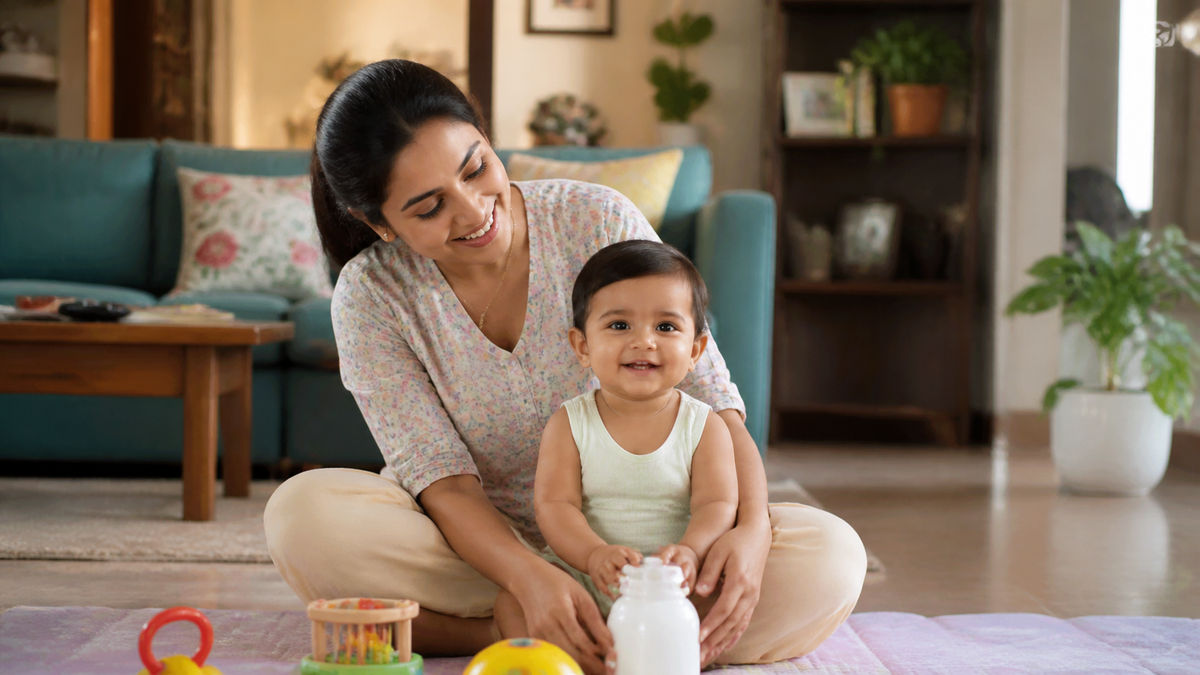
⚡ In a hurry? Our quick picks
A comprehensive baby proofing checklist for Indian homes should cover 6 key areas: living room (electrical outlets, sharp furniture edges, ceiling fans), kitchen (cabinets, gas knobs, floor safety), bedrooms (crib safety, wardrobe access), bathrooms (bucket drowning hazards, tap temperatures), balconies (grill gaps, potted plants), and shared spaces in joint families (servant quarter access, pooja items, staircases). Budget for basic safety starts at Rs. 2,000-3,500 covering outlet covers, corner guards, cabinet locks, and one safety gate.
🏆 Quick comparison: our top picks
| Product | Award | Rating | Price | |
|---|---|---|---|---|
 Amardeep Corner Guards 8-Piece Set Amardeep Corner Guards 8-Piece Set
|
🏆 Editor's Choice | ★ 4.0 1,567 reviews |
₹299 | Check price → |
 Safe-O-Kid Furniture and TV Anti-Tip Straps Safe-O-Kid Furniture and TV Anti-Tip Straps
|
👑 Premium Pick | No ratings yet | ₹1,279 | See alternatives → |
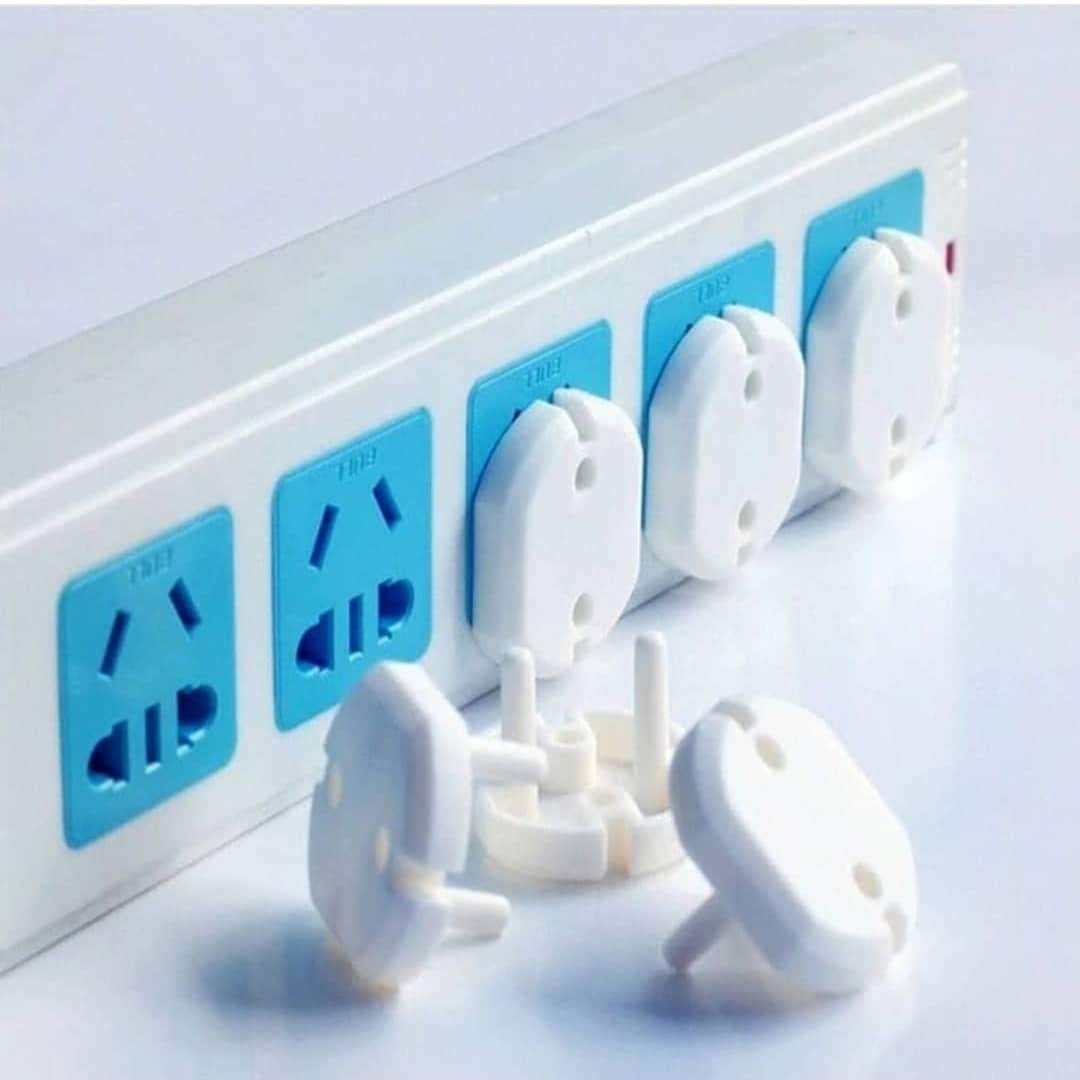 Syga Electrical Outlet Covers 20-Pack Syga Electrical Outlet Covers 20-Pack
|
🪙 Budget Pick | No ratings yet | ₹469 | Check price → |
 R for Rabbit Safety Gate with Extension R for Rabbit Safety Gate with Extension
|
No ratings yet | ₹568 | Check price → | |
 Safe-O-Kid 12-Piece Child Safety Cabinet Locks Safe-O-Kid 12-Piece Child Safety Cabinet Locks
|
No ratings yet | ₹499 | Check price → |
🛒 Our Top Picks
Best-reviewed overall, 4★ across 1,567 ratings.
Amardeep Corner Guards 8-Piece Set
- ✓ L-shaped design for 90-degree edges
- ✓ Strong adhesive for marble and wood
- ✓ 8 corner guards per pack
* We earn a small commission — at no extra cost to you.

Top of the range, for parents who want the best features.
Safe-O-Kid Furniture and TV Anti-Tip Straps
- ✓ 2 heavy-duty straps per pack
- ✓ Holds up to 180 kg
- ✓ Includes wall mounting hardware
* We earn a small commission — at no extra cost to you.
Lowest price that still clears our 3.8★ / 100-review bar.
Syga Electrical Outlet Covers 20-Pack
- ✓ Fits standard Indian 3-pin and 2-pin sockets
- ✓ 20 pieces per pack
- ✓ Transparent design
* We earn a small commission — at no extra cost to you.
R for Rabbit Safety Gate with Extension
- ✓ Extends 75-85 cm width
- ✓ Pressure mount, no drilling
- ✓ Auto-close door with hold-open feature
* We earn a small commission — at no extra cost to you.

Safe-O-Kid 12-Piece Child Safety Cabinet Locks
- ✓ Adhesive backing for Indian laminate cabinets
- ✓ No drilling required
- ✓ 12 locks per pack
* We earn a small commission — at no extra cost to you.
Daily baby tips, exclusive Amazon deals & real parent advice — free forever.
When my daughter started crawling at 7 months in our Bengaluru apartment, I realized our beautiful marble flooring was basically an ice rink for tiny knees, and those decorative brass diyas my mother-in-law kept on the lower shelf were suddenly very attractive shiny toys. Indian homes have specific hazards that generic Western baby proofing guides completely miss-open balconies with wide grill gaps, ceiling fans at reachable heights, servant quarters that toddlers can wander into, and extended family spaces where safety rules aren't always consistent.
This baby proofing checklist addresses the real safety concerns Indian parents face, whether you're in a 2BHK in Pune or a multi-generational home in Lucknow. I've included specific products available on Amazon.in with actual prices, because budget matters when you're buying 15 different safety items at once.
Baby proofing: the process of identifying and eliminating household hazards that could cause injury to infants and toddlers aged 6 months to 3 years. Safety gates: physical barriers that restrict a child's access to dangerous areas like staircases or kitchens, tested to withstand pressure of at least 15 kg according to international standards.
Living Room Baby Proofing: Where Accidents Happen Most
The living room is where your baby will spend maximum awake time, and it's loaded with hazards. Start here if you're on a tight budget-statistics from emergency rooms across Mumbai and Delhi show that 40 percent of home injuries to children under 3 happen in living spaces.
Electrical Outlets and Extension Boards
Indian homes typically have 3-pin and 2-pin outlets at floor level, perfect height for curious fingers. The Syga outlet covers at Rs. 199 for 20 pieces work for standard Indian sockets-I bought three packs for our home because we have outlets everywhere. Don't forget the extension boards under your TV unit and behind the sofa; babies will find them.
Sharp Furniture Edges and Marble Flooring
Marble and granite flooring looks gorgeous but turns every fall into a potential head injury. Amardeep Corner Guards cost Rs. 299 for 8 pieces and stick well to wood and glass surfaces. I used 16 pieces total-coffee table, TV unit corners, dining table edges, and the three steps leading to our bedroom. The L-shaped ones work better than round bumpers for Indian furniture with sharp 90-degree edges.
Ceiling Fans and Dangling Cords
This is uniquely Indian-our ceiling fans hang lower than in Western homes, and by 18 months, toddlers climbing on sofas can reach the regulator cords. Tie up regulator cords at least 5 feet high. If you have old-style fans with hanging chains, replace them with wall-mounted regulators. It costs Rs. 150-300 but prevents entanglement risks.
TV and Furniture Tipping
Flat-screen TVs on stands tip forward when pulled. I used Safe-O-Kid Furniture Anchors at Rs. 349 for 2 pieces to secure our TV unit and a tall bookshelf to the wall. This matters more if you live in an older building-modern apartments in Noida or Gurugram might have sturdier built-in units, but standalone furniture needs anchoring.
Kitchen Safety: The High-Risk Zone
Kitchens are dangerous. Period. The Indian Academy of Pediatrics reports that kitchen-related injuries-burns, cuts, poisoning-account for nearly 25 percent of preventable child injuries requiring hospitalization. If possible, install a safety gate at the kitchen entrance.
Cabinet and Drawer Locks
Lower cabinets store everything from heavy steel vessels to cleaning chemicals. Safe-O-Kid cabinet locks at Rs. 449 for 12 pieces use adhesive backing that works on Indian laminate cabinets. Lock cabinets containing masala dabba, sharp objects, plastic bags, and especially the one under the sink with Harpic and dishwashing liquid.
Gas Stove and Cylinder Access
Gas knob covers prevent toddlers from turning on the stove-critical in Indian kitchens where we use gas daily. These cost around Rs. 250-400 for a set. Additionally, keep your gas cylinder in a locked balcony or use a cylinder lock if it's inside the kitchen. I've heard one too many horror stories from pediatricians in Chennai about curious 2-year-olds turning cylinder knobs.
Floor Safety
Kitchen floors in Indian homes get slippery from oil spatters and water. Anti-skid mats help, but honestly, the best solution is keeping babies out entirely with a gate. The R for Rabbit gate at Rs. 2,499 extends from 75-85 cm and pressure-mounts without drilling-important if you're renting in Mumbai or Bengaluru where landlords don't allow wall damage.
Bedroom Baby Proofing Checklist
Crib and Bed Safety
If you're using a crib, ensure slat gaps are no wider than 6 cm-Indian-made cribs sometimes have wider gaps that don't meet Bureau of Indian Standards safety norms. Once your baby can pull to stand (usually 8-10 months), lower the mattress to the lowest position. By 18 months, most toddlers can climb out; transition to a floor mattress then.
Wardrobe and Almirah Access
Heavy wooden almirahs common in Indian homes can tip if a toddler uses drawers as stairs to climb. Use furniture anchors. Also lock drawers containing medications, coins (choking hazard), and cosmetics. Parents often don't realize that everyday items like Boroline or Vicks can be toxic if ingested in quantity.
Window and Balcony Door Access
Bedroom windows, especially in older buildings across Jaipur, Lucknow, or Delhi, often have grills with gaps wide enough for a toddler's body but not the head-a strangulation risk. Check that grill gaps are less than 10 cm. If wider, install additional vertical bars or use mesh screening. Balcony doors should have high latches or door knob covers.
Bathroom Hazards: Bucket Drowning Risk
This is the scary one. In India, we store water in buckets, and toddlers can drown in just 5 cm of water-it takes less than 2 minutes. WHO statistics show that drowning is among the top 3 causes of unintentional child death in India for ages 1-4, and home water storage is a major contributor.
Bucket and Water Storage
Never leave buckets with water unattended. Empty them immediately after bathing your child. If you must store water due to supply issues, use buckets with locking lids or place them inside a locked bathroom cabinet. In joint families, this rule needs to apply to every bathroom and the servant's bathroom too.
Tap Temperature and Geyser Settings
Set your geyser to maximum 50 degrees Celsius to prevent scalding. Indian geysers often heat to 70-80 degrees, which can cause second-degree burns in under 3 seconds on infant skin. Always test water temperature on your wrist before bathing your baby.
Toilet Locks and Floor Safety
Toilet lid locks prevent drowning and also stop toddlers from dropping your phone in the pot (yes, it happens). These cost around Rs. 200-300. Anti-skid mats are essential on wet bathroom floors-falls in bathrooms cause significant head injuries on hard tile surfaces.
Balcony and Outdoor Space Safety
Indian apartments and independent houses often have open balconies, terraces, or courtyards that need serious attention.
Grill Gaps and Height
Standard balcony grill gaps in older Indian buildings can be 12-15 cm or even wider-dangerous for children under 3. You have three options: install additional vertical bars (Rs. 3,000-8,000 depending on balcony size), use safety netting (Rs. 1,500-4,000), or simply keep balcony doors locked with the child never accessing the area unsupervised.
Potted Plants and Gardening Items
Many common Indian plants are toxic-areca palm, money plant, dieffenbachia. Check your plants against a toxicity list. Also, remove small decorative pebbles (choking hazard), fertilizer packets, and gardening tools from child reach. Water-filled plant trays are small drowning hazards for crawling babies.
Clothesline and Drying Areas
If you dry clothes on the balcony, ensure the baby can't reach detergent bottles or pull down drying clothes. Clothesline ropes can be strangulation hazards if they're loose or low.
Joint Family Considerations: The Safety Conversation
This is delicate but necessary. In multi-generational homes, you need everyone on board with baby proofing. Grandparents in our Lucknow home initially felt I was being paranoid, but one incident where our son pulled a hot chai cup off a low table changed that perspective quickly.
Common Spaces and Religious Items
Pooja rooms often have diyas, incense sticks, small idols, and coins-all hazardous. Install a gate at the pooja room entrance or keep the door locked. Discuss this respectfully with elders; in my experience, framing it as protecting the sacred space from being disturbed by the baby works better than just saying it's dangerous.
Servant Quarters and Secondary Entrances
If your home has servant quarters, staff bathrooms, or separate entrances, these areas might not be baby-proofed. Ensure water buckets are locked away, cleaning supplies are stored high, and doors to these areas have locks the child can't reach. Communicate clearly with household staff about safety rules.
Visitor Education
In Indian homes, visitors are constant. Aunties leave purses on the floor (medications, coins, small items), uncles place hot tea cups on low tables, kids visiting bring small toys. It's exhausting but necessary-you need to quickly scan for hazards each time someone visits or do a room reset after guests leave.
Budget-Conscious Safety Prioritization
Not everyone can spend Rs. 15,000 on baby proofing. Here's what to buy first if you have limited budget:
| Priority Level | Item | Price Range | Why It's Essential |
|---|---|---|---|
| Must-Have | Outlet covers | Rs. 150-300 | Prevents electrocution, extremely common hazard |
| Must-Have | Corner guards for 4-6 edges | Rs. 300-500 | Reduces head injury severity on sharp furniture |
| Must-Have | Cabinet locks for kitchen chemicals | Rs. 400-600 | Prevents poisoning from cleaning supplies |
| High Priority | One safety gate (kitchen or stairs) | Rs. 2,000-3,000 | Blocks entire high-risk zones |
| High Priority | Door knob covers or balcony locks | Rs. 200-400 | Prevents access to outdoor fall risks |
| Medium Priority | Furniture anchors for 2-3 items | Rs. 300-500 | Prevents tipping injuries |
Total for must-haves: Rs. 850-1,400. With high-priority items: Rs. 3,050-4,800. This covers the genuinely life-threatening hazards. You can add medium-priority items over the next 2-3 months as budget allows.
What Paediatricians Say
Dr. Meera Shankar, a pediatrician practicing in Chennai for 18 years, emphasizes that most home injuries are preventable with simple interventions. According to the Indian Academy of Pediatrics, parents should complete baby proofing before the child starts crawling-typically around 6-8 months-rather than waiting until after the first injury occurs. Key medical concerns include button battery ingestion from remote controls and toys, which can cause esophageal burns within 2 hours; water bucket drowning, which remains underreported but clinically significant in tier 2 and tier 3 cities; and traumatic head injuries from falls on hard flooring surfaces, which account for roughly 35 percent of emergency room visits for children under 2 years.
- Begin baby proofing at 5-6 months before your child becomes mobile, not after the first injury
- Button batteries in remote controls, watches, and musical toys cause life-threatening injuries if swallowed-secure all battery compartments with tape if covers are loose
- Create a completely safe "yes space" in your home where the baby can explore freely without constant intervention, reducing parental stress while maintaining safety
Room-by-Room Quick Reference Checklist
Print this list and tick off items as you complete them. I keep mine on the refrigerator and review it quarterly as our son develops new abilities.
Living Room
- Outlet covers on all accessible sockets
- Corner guards on coffee table, TV unit, side tables
- TV and tall furniture anchored to wall
- Ceiling fan cords tied up or removed
- Small decorative items moved above 4 feet height
- Curtain and blind cords secured out of reach
- Remote control batteries secured with tape
Kitchen
- Safety gate installed or cabinet locks on all lower cabinets
- Cleaning chemicals locked or moved above 5 feet
- Gas cylinder locked or in secured area
- Gas knob covers installed
- Sharp objects (knives, peelers) in upper drawers only
- Plastic bags stored out of reach
- Trash can with locking lid or kept in locked cabinet
Bedrooms
- Crib slats checked (maximum 6 cm gap)
- Mattress at lowest position once baby can stand
- No pillows, stuffed toys, or loose bedding in crib for babies under 12 months
- Almirah and heavy furniture anchored
- Window grills checked for safe gap width
- Medications, coins, jewelry locked away
- Balcony door latched high or locked
Bathrooms
- Water buckets emptied immediately after use
- Toilet lid lock installed
- Geyser set to maximum 50 degrees Celsius
- Cleaning supplies locked in upper cabinets
- Medicines in locked cabinet
- Anti-skid mats on floor
- Bathroom door hook at adult height only
Balconies and Outdoor
- Grill gaps measured and secured if over 10 cm
- Balcony door lock or latch installed high
- Toxic plants removed or placed out of reach
- Small pebbles, fertilizers, tools removed from child height
- Water-filled plant trays emptied or elevated
- Clothesline secured and detergent bottles locked away
Common Areas (Joint Families)
- Staircase gates installed at top and bottom
- Pooja room access restricted with gate or lock
- Servant quarter bathroom checked for bucket hazards
- Main door locks installed at top (prevent child from exiting home)
- Shoe rack checked for small items (shoelaces, polish, coins)
Baby proofing feels overwhelming at first, especially in Indian homes where we're balancing safety with respect for joint family dynamics and working within budget constraints. But you don't need to do everything at once. Start with the must-haves this week, add high-priority items over the next month, and reassess every 3 months as your baby's abilities change. The goal isn't a museum home where no one can touch anything-it's creating a space where your little one can explore safely and you can breathe without constant panic. Trust me, it gets easier once the systems are in place.
Frequently Asked Questions
When should I start baby proofing my home in India?
What is the minimum budget needed for baby proofing in India?
Are balcony grills in Indian apartments safe for toddlers?
How do I baby proof in a joint family without offending elders?
What is the biggest baby proofing mistake Indian parents make?
Do I need to baby proof if I watch my child constantly?
Daily baby tips, exclusive Amazon deals & real parent advice — free forever.