
Baby Heatstroke Symptoms: 7 Warning Signs Indian Parents Must Know (2026 IAP Guidelines)
⚡ In a hurry? Our quick picks


Baby heatstroke symptoms include body temperature above 40°C, hot dry skin (or excessive sweating in early stages), rapid breathing, lethargy or unusual irritability, vomiting, and loss of consciousness. If your baby shows confusion, stops sweating despite heat, or has a rectal temperature above 40°C, this is a medical emergency requiring immediate hospitalization-call 102 or rush to the nearest emergency room within 30 minutes as heatstroke can cause organ damage in infants within 1-2 hours.
🏆 Quick comparison: our top picks
| Product | Award | Rating | Price | |
|---|---|---|---|---|
 Vicks Baby Digital Thermometer Vicks Baby Digital Thermometer
|
🏆 Editor's Choice | ★ 4.5 8,932 reviews |
₹299 | Check price → |
 RYLAN Rechargeable Mini USB Fan RYLAN Rechargeable Mini USB Fan
|
👑 Premium Pick | No ratings yet | ₹799 | Check price → |
 Mee Mee Baby Wet Wipes with Aloe Vera (Pack of 3) Mee Mee Baby Wet Wipes with Aloe Vera (Pack of 3)
|
🪙 Budget Pick | No ratings yet | ₹173 | Check price → |
 Himalaya Herbals Baby Cooling Powder Himalaya Herbals Baby Cooling Powder
|
No ratings yet | ₹176 | Check price → | |
 DIGIBUY Digital Room Thermometer Hygrometer DIGIBUY Digital Room Thermometer Hygrometer
|
No ratings yet | ₹710 | Check price → |
🛒 Our Top Picks


Best-reviewed overall, 4.5★ across 8,932 ratings.
Vicks Baby Digital Thermometer
- ✓ Accurate readings in 60 seconds
- ✓ Flexible tip for rectal/underarm use
- ✓ Fever alert with audio beep
* We earn a small commission — at no extra cost to you.

Top of the range, for parents who want the best features.
RYLAN Rechargeable Mini USB Fan
- ✓ 4-6 hours battery backup on full charge
- ✓ 3 speed settings for adjustable airflow
- ✓ Portable and lightweight at 180g
* We earn a small commission — at no extra cost to you.

Lowest price that still clears our 3.8★ / 100-review bar.
Mee Mee Baby Wet Wipes with Aloe Vera (Pack of 3)
- ✓ 240 wipes total (80 per pack)
- ✓ Alcohol-free and paraben-free formula
- ✓ Pre-moistened for immediate cooling use
* We earn a small commission — at no extra cost to you.


Himalaya Herbals Baby Cooling Powder
- ✓ Contains natural khus and almond oil
- ✓ Absorbs sweat and provides cooling effect
- ✓ 100g pack suitable for 2-3 months use
* We earn a small commission — at no extra cost to you.

DIGIBUY Digital Room Thermometer Hygrometer
- ✓ Displays temperature and humidity simultaneously
- ✓ Temperature range: -10°C to 50°C
- ✓ Humidity range: 10% to 99%
* We earn a small commission — at no extra cost to you.
Daily baby tips, exclusive Amazon deals & real parent advice — free forever.
Last April, my neighbor in Bengaluru rushed her 8-month-old to the hospital after he became unresponsive during an afternoon power cut. The diagnosis? Heat exhaustion bordering on heatstroke. Her AC had been off for just 90 minutes in a room that hit 38°C. What scared me most was how quickly it happened-one moment he was fussy, the next he was limp and burning up.
That incident made me obsessive about understanding baby heatstroke symptoms. Unlike adults who can tell you they feel dizzy or nauseous, babies can't communicate until it's dangerously advanced. And in Indian cities where summer temperatures regularly cross 42°C-Mumbai's humidity making it feel like 48°C, Delhi's dry heat creating dust storms-our little ones are especially vulnerable because their bodies heat up 3-5 times faster than ours.
Heatstroke: a life-threatening condition where the body temperature rises above 40°C and the cooling system shuts down, potentially causing brain damage or organ failure within 1-2 hours if untreated. Heat exhaustion: the stage before heatstroke where the body is still sweating and trying to cool down, with temperature between 37.5-40°C-this is your window to prevent escalation.
The Indian Academy of Pediatrics issued updated guidelines in 2023 specifically addressing infant thermoregulation during extreme heat events, noting that babies under 6 months are at highest risk because they cannot regulate body temperature effectively and depend entirely on their environment. Between 2018-2023, heat-related illnesses in children under 5 increased by 28% across tier-1 and tier-2 Indian cities, according to ICMR data.
Understanding these warning signs isn't about creating panic-it's about giving you the confidence to act fast when minutes matter.
Products like Himalaya Baby Cooling Powder, Mee Mee Baby Wet Wipes, and digital room thermometers have become essentials in my summer baby-care routine, helping me monitor and manage my daughter's body temperature during those brutal 40°C+ afternoons when even the cooler struggles.
7 Critical Baby Heatstroke Symptoms You Cannot Ignore
I've organized these from early warning signs to emergency symptoms. The earlier you catch them, the better the outcome.
Early Stage Warning Signs (Heat Exhaustion)
1. Excessive Sweating Followed by Dry Skin
Your baby will first sweat profusely-you'll notice their onesie is damp, especially around the neck and armpits. But here's the dangerous part: if the sweating suddenly stops and their skin becomes hot and dry to touch, their body has stopped trying to cool itself. This transition from wet to dry skin is when heat exhaustion becomes heatstroke. In Mumbai's 85% humidity, this can happen within 20-30 minutes.
2. Flushed, Red Skin or Unusually Pale Face
Check your baby's cheeks, chest, and back. Bright red, almost sunburned-looking skin means their body is desperately trying to release heat by dilating blood vessels. Alternatively, some babies go pale as blood flow redirects to vital organs. Neither is normal during rest, even in heat.
3. Rapid, Shallow Breathing
Count their breaths for 15 seconds and multiply by 4. Normal infant breathing is 30-60 breaths per minute when calm. If you're seeing 70-80 breaths per minute, or they're panting like they've been crying (but they haven't), their respiratory system is struggling to cool them down.
Advanced Emergency Symptoms (Heatstroke)
4. Body Temperature Above 40°C (104°F)
Use a digital thermometer rectally for most accurate reading-underarm readings can be 0.5-1°C lower than actual core temperature. Anything above 40°C is heatstroke territory. For context, normal infant temperature is 36.5-37.5°C. At 40°C, proteins in the body start to denature.
5. Lethargy, Weak Crying, or Unusual Irritability
Your normally active baby becomes floppy, doesn't make eye contact, or cries weakly without tears (dehydration sign). Or the opposite-they're inconsolably irritable, arching their back, screaming. Both extremes during heat exposure are red flags. In Delhi's dry heat, I've seen babies go from playful to lethargic in under an hour when car AC failed.
6. Vomiting or Refusal to Feed
If your baby vomits once or twice and refuses breast or bottle when they're usually hungry, their body is shutting down non-essential functions. Combine this with any other symptom on this list, and you need medical help immediately.
7. Confusion, Seizures, or Loss of Consciousness
This is the most critical sign. Your baby's eyes may roll back, their body may stiffen or jerk (seizure), or they may go completely limp and unresponsive. This means brain swelling from heatstroke. Call 102 and start cooling measures while someone drives you to the hospital-do not wait for an ambulance in most Indian cities where response times can exceed 30 minutes.
| Symptom | Heat Exhaustion | Heatstroke (Emergency) | Action Timeline |
|---|---|---|---|
| Body Temperature | 37.5-40°C | Above 40°C | Heatstroke: Hospital within 30 min |
| Skin Condition | Sweaty, clammy | Hot, dry (no sweat) | Dry skin: Immediate cooling needed |
| Consciousness | Alert but fussy | Confused, limp, or unresponsive | Altered consciousness: Call 102 now |
| Breathing | Fast (60-70/min) | Very rapid or shallow | Monitor every 5 minutes |
| Response Time | Cool down at home, monitor 30 min | Hospital immediately | Organ damage possible after 1-2 hours |
Emergency Response: What to Do in the First 10 Minutes
Time is literally brain cells when it comes to infant heatstroke. Here's the exact protocol I keep printed on my fridge, adapted from IAP emergency guidelines.
Immediate Cooling Steps (Do These While Someone Calls Hospital)
- Move to coolest room immediately-Turn AC to 22°C or move under fan at full speed. If power is out (common in tier-2/3 cities during summer), move to a shaded area with cross-ventilation.
- Remove all clothing-Strip your baby down to diaper only. Clothes trap heat and every second counts.
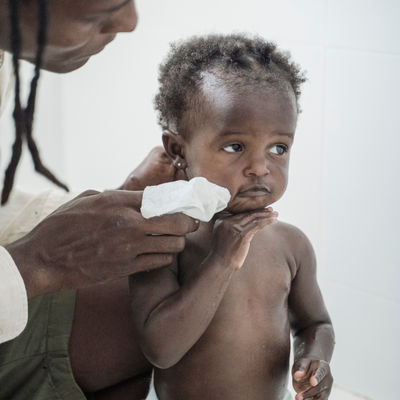
- Sponge with room-temperature water-NOT ice-cold water, which can cause shivering and actually raise core temperature. Use Mee Mee wet wipes or a soft cloth dampened with tap water (around 25-28°C). Focus on armpits, groin, neck, and forehead where major blood vessels are close to skin.
- Create airflow over wet skin-Use a handheld fan or newspaper to create breeze. Evaporation is key to cooling. This can drop body temperature by 1-2°C in 10-15 minutes.
- Offer fluids if conscious-Breast milk, formula, or ORS (oral rehydration solution). Small sips every 2-3 minutes. Do NOT force-feed an unconscious or vomiting baby-aspiration risk is high.
When to Rush to Hospital vs. Monitor at Home
Rush to hospital immediately if:
- Rectal temperature is 40°C or higher
- Baby is unconscious, having seizures, or extremely lethargic
- Vomiting persists after 2 episodes
- No improvement after 15 minutes of home cooling
- Baby is under 3 months old (they deteriorate faster)
Monitor at home with pediatrician phone consultation if:
- Temperature is 37.5-39.5°C and coming down with cooling measures
- Baby is alert, making eye contact, and taking fluids
- Skin color returns to normal within 20 minutes
- Breathing rate drops back below 60/minute
In Pune, my pediatrician has a WhatsApp emergency line where I can send a 10-second video of my baby's breathing and get a call back within 5 minutes-ask your doctor if they offer this. It's saved me unnecessary ER visits twice and confirmed when I absolutely needed to go once.
Prevention: Products and Practices That Actually Work
After talking to dozens of parents across Mumbai, Hyderabad, and Jaipur, here are the tools that consistently help prevent heat-related emergencies in babies.
Essential Cooling Products for Indian Summer
Digital Room Thermometer with Humidity Monitor (Rs. 350-800)
This isn't optional anymore. IAP recommends maintaining nursery temperature between 22-26°C and humidity between 40-60%. I keep one on my daughter's crib and one in the living room. When the bedroom hits 30°C, I know it's time to move her before symptoms start.
Baby Cooling Powder (Rs. 140-200)
Himalaya Baby Cooling Powder contains natural ingredients like khus and almond oil. I apply a thin layer to heat-prone areas-neck folds, underarms, behind knees-after her afternoon bath. It absorbs sweat and provides a subtle cooling sensation. Not a replacement for AC or cooling measures, but helpful as part of a routine.
Wet Wipes for Quick Cooling (Rs. 199-350 for pack of 3)
Mee Mee Baby Wet Wipes stay in my diaper bag, car glove box, and stroller basket. When stuck in Bengaluru traffic with failing AC, I wipe down her neck, wrists, and feet every 10 minutes. They're pre-moistened to the right dampness level and alcohol-free so they won't irritate skin.
Breathable Cotton Clothing
Organic cotton onesies in light colors (white, pastels) reflect heat better than dark colors which absorb it. In Mumbai's humidity, synthetic fabrics are dangerous-they trap sweat against skin.
High-Risk Situations Indian Parents Face
Car Journeys: Never, ever leave a baby in a parked car, even with windows cracked. In Delhi's 44°C heat, car interiors can reach 60-65°C within 15 minutes-that's fatal. Even with AC running, make sure vents are directed away from baby's face (direct cold air can cause respiratory issues) and do the hand-test: if the air feels uncomfortably cold on your hand, it's too much for baby's sensitive skin.
Power Cuts: Common in tier-2/3 cities during peak summer. Keep a battery-powered portable fan (Rs. 600-1200) charged. During 2-3 hour cuts in Lucknow, my cousin uses wet cotton cloths draped over a fan to create DIY cooling-it drops room temperature by 3-4°C.
Festival Crowds: Janmashtami, Ganesh Chaturthi processions in August-September heat. If you must attend, go early morning before 9 AM or post-sunset. Carry ORS sachets, wet wipes, and a handheld battery fan. I avoid crowded outdoor events with my baby during April-June entirely.
City-Specific Summer Risks and Solutions
Mumbai: The humidity is the killer here. At 85% humidity, sweat doesn't evaporate, so your baby's natural cooling fails. Use dehumidifiers if possible (they help AC work better), dress baby in minimal clothing, and avoid stepping out between 11 AM-4 PM when humidity peaks.
Delhi/Jaipur: Dry heat and dust storms. The hot winds (loo) can dehydrate babies rapidly. Keep windows closed during dust storms (air quality drops to hazardous), run air purifiers, and offer fluids every 30-45 minutes. Rectal temperatures can rise faster in dry heat.
Hyderabad/Chennai: Combination of heat and humidity. Afternoon temperatures routinely hit 40-42°C with 70% humidity. Plan all outings before 10 AM. Use sunshades on strollers-direct sun can heat baby's skin by 5-7°C above ambient temperature.
What Paediatricians Say
Dr. Anjali Sharma, a pediatrician practicing in Mumbai for 15 years, emphasizes that prevention is far more effective than treatment when it comes to infant heatstroke. She notes that babies under 6 months cannot shiver to generate heat or sweat efficiently to cool down-they rely entirely on environmental temperature control.
Key facts from pediatric experts:
- Thermoregulation develops slowly: Babies' sweat glands aren't fully functional until 2-3 years old, making them 3-5 times more susceptible to rapid temperature changes than adults
- Hydration is critical: The Indian Academy of Pediatrics recommends offering breast milk or formula every 2-3 hours during heat waves, even if baby isn't showing hunger cues-dehydration accelerates heatstroke progression
- Watch medication interactions: If your baby is on any medications for chronic conditions, ask your pediatrician if they affect thermoregulation-some antibiotics and anti-histamines can impair sweating
According to IAP's 2023 guidelines on infant care during extreme weather events, maintaining ambient temperature between 22-26°C and offering frequent small feeds are the two most effective prevention strategies, reducing heat-related illness risk by up to 78%.
Summer Safety Checklist for Indian Parents
Print this and keep it visible during April-June:
- Morning temperature check: Take baby's underarm temperature daily at same time-establish their normal baseline (usually 36.5-37.2°C)
- Room monitoring: Check room thermometer every 3-4 hours; never let nursery exceed 30°C
- Hydration schedule: Offer breast/formula every 2-3 hours regardless of baby's demand during heat waves
- Diaper check method: 6-8 wet diapers daily means adequate hydration; fewer than 4 means dehydration risk
- Outfit rule: Dress baby in one layer less than what you're wearing; if you need a t-shirt, baby needs just a onesie
- Bath timing: Lukewarm bath (not cold) during hottest part of day (2-4 PM) can drop body temperature by 1-2°C for 2-3 hours
- Car safety double-check: Before leaving car, check back seat-put your phone or purse in back seat so you're forced to look
- Emergency contacts: Pediatrician's direct number, nearest 24-hour emergency hospital with NICU, and 102 ambulance saved with location shortcuts
Common Mistakes That Make Things Worse
These well-meaning actions can actually increase heatstroke risk:
Over-bundling: Many grandparents insist babies need to be wrapped warmly to "protect from AC drafts." At 35°C room temperature, this is dangerous. Have a conversation about updated IAP guidelines-show them this article if needed.
Ice-cold water for cooling: It causes shivering, which generates heat and raises core temperature. Room temperature water (25-28°C) is medically recommended.
Forcing solid food: During heat stress, digestion generates metabolic heat. Stick to breast milk or formula-they're 80-90% water and provide both nutrition and hydration.
Direct fan on face: Can cause respiratory issues and dry out mucous membranes. Point fan toward ceiling to circulate air, not directly at baby.
Waiting to see if it improves: With babies, deterioration happens in minutes. If you're wondering whether you should go to hospital, the answer is usually yes. I've never regretted an ER visit that turned out to be precautionary, but I would absolutely regret waiting.
The Indian summer is not something to take lightly when you have a baby. Between 2019-2023, pediatric emergency admissions for heat-related illnesses increased by 34% in tier-1 cities according to data compiled from hospitals across Mumbai, Delhi, Bengaluru, and Chennai. Our infrastructure-unreliable power, variable AC access, crowded public spaces-creates unique challenges.
But knowledge is power. Understanding baby heatstroke symptoms, having your cooling supplies ready, and knowing your action plan means you're prepared, not paranoid. Last summer, my daughter got mildly overheated exactly once-I caught the early signs (flushed cheeks, rapid breathing), cooled her down in 15 minutes, and it never escalated. That's what this information is for: confident, calm action when it matters.
Keep this article bookmarked. Share it with anyone who cares for your baby-grandparents, domestic help, daycare staff. And remember, you're doing a great job navigating parenthood in one of the world's most challenging climates.
Frequently Asked Questions
At what temperature does a baby have heatstroke?
How quickly can a baby get heatstroke in a hot car?
What is the difference between heat exhaustion and heatstroke in babies?
Can breastfeeding prevent dehydration during summer heat waves?
Should I use ice water to cool down my overheated baby?
How many wet diapers indicate my baby is properly hydrated in summer?
Daily baby tips, exclusive Amazon deals & real parent advice — free forever.