
Baby Dehydration Symptoms: 7 Warning Signs Indian Parents Must Know (With Rehydration Solutions)
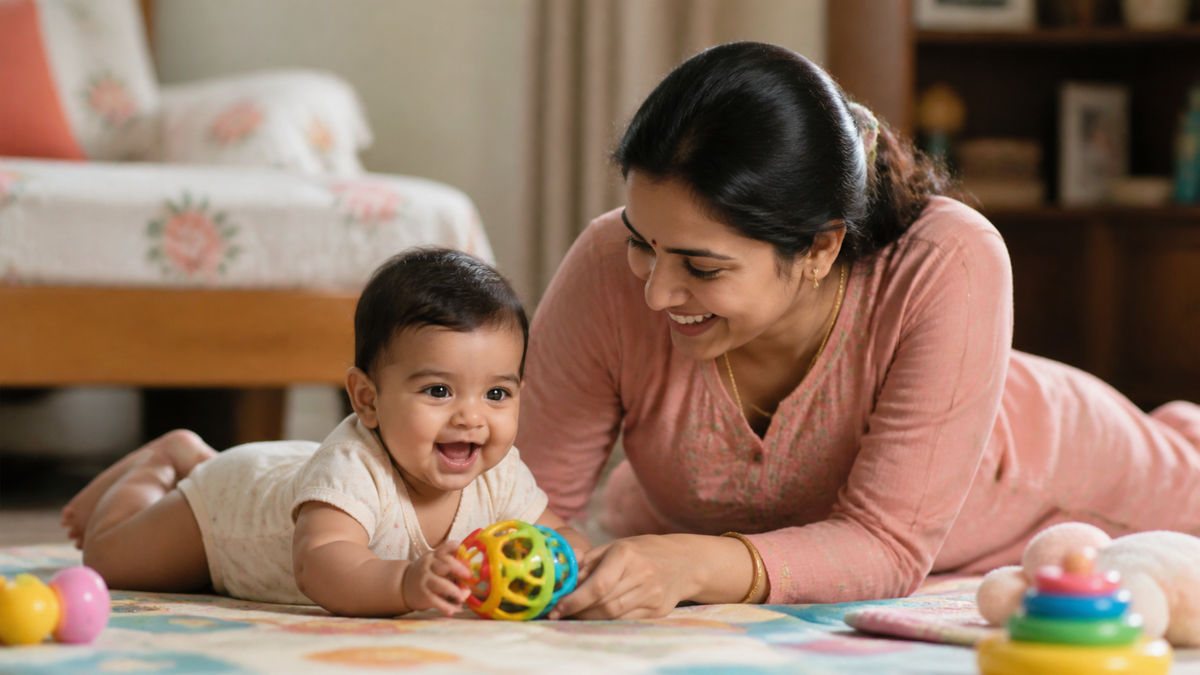
Baby dehydration symptoms include sunken fontanelle (soft spot), fewer than 6 wet diapers in 24 hours, dry lips and mouth, no tears when crying, lethargy, and dark yellow urine. In Indian summers reaching 35-45°C, babies lose fluids rapidly through perspiration and require ORS or increased breastfeeding immediately when these signs appear.
ℹ️ General information, not medical advice. If your baby seems unwell or anything worries you, talk to your paediatrician. Medical disclaimer
⚡ In a hurry? Our quick picks
Last May, my neighbor in Bengaluru rushed her 8-month-old to the pediatrician after noticing he hadn't wet his diaper for over 6 hours. The diagnosis? Moderate dehydration-something that escalated within just 4 hours of playing outdoors during a particularly brutal 42°C afternoon. This wasn't negligence. Baby dehydration symptoms can be subtle initially, and in Indian summer conditions, progression happens frighteningly fast.
🏆 Quick comparison: our top picks
| Product | Award | Rating | Price | |
|---|---|---|---|---|
 Pigeon Baby Electrolyte Powder Apple Flavor Pigeon Baby Electrolyte Powder Apple Flavor
|
🏆 Editor's Choice | ★ 4.2 843 reviews |
₹245 | Check price → |
 Chicco Insulated Sipper Cup 266ml Chicco Insulated Sipper Cup 266ml
|
👑 Premium Pick | No ratings yet | ₹625 | Check price → |
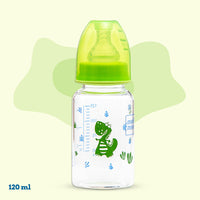 Mee Mee Premium Feeding Bottle with Temperature Indicator 250ml Mee Mee Premium Feeding Bottle with Temperature Indicator 250ml
|
🪙 Budget Pick | No ratings yet | ₹298 | Check price → |
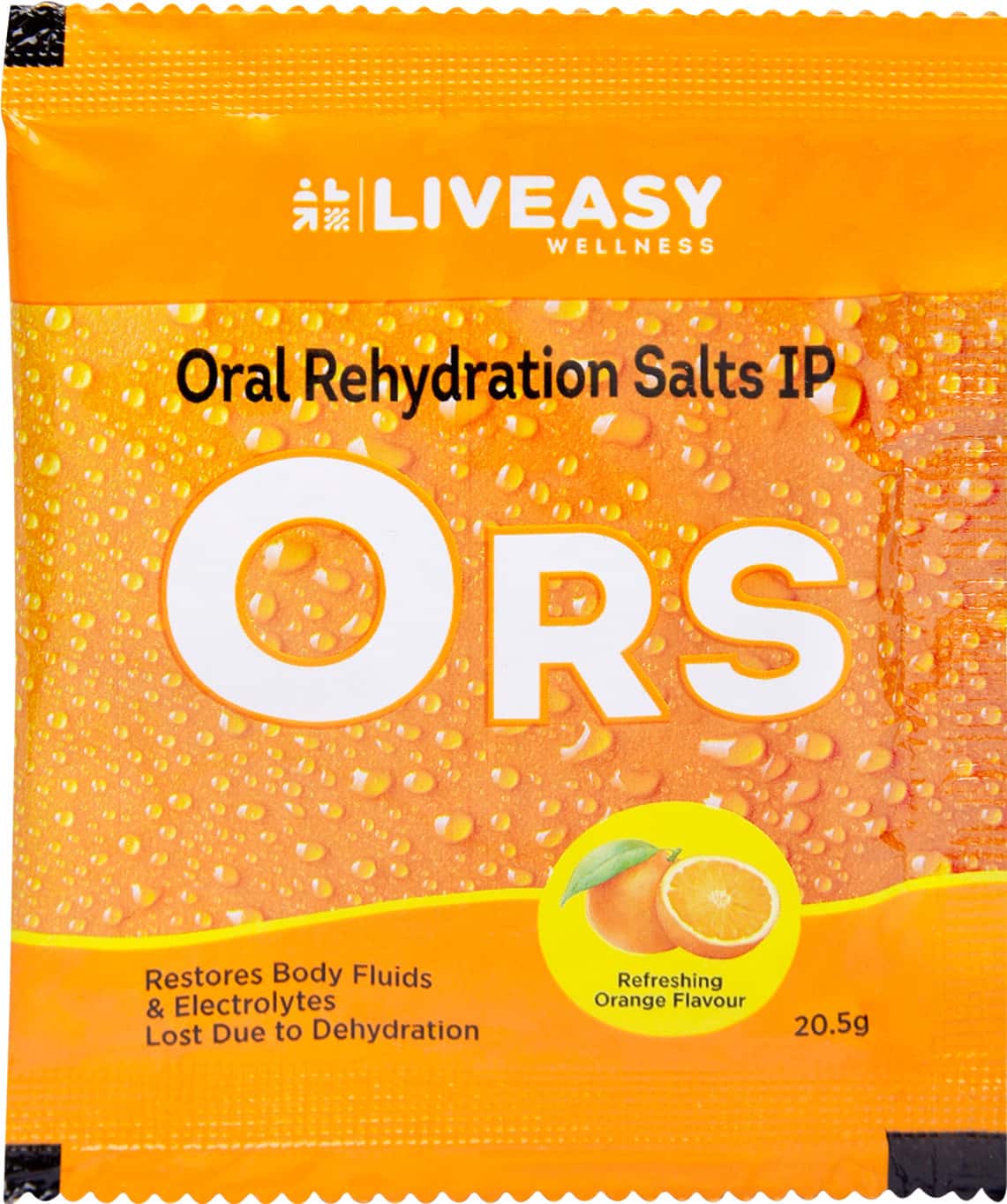 Mothercare ORS Oral Rehydration Sachets Mothercare ORS Oral Rehydration Sachets
|
No ratings yet | ₹608 | Check price → |
🛒 Our Top Picks

Best-reviewed overall, 4.2★ across 843 ratings.
Pigeon Baby Electrolyte Powder Apple Flavor
- ✓ WHO-recommended electrolyte ratio
- ✓ Apple flavor for better acceptance
- ✓ 10 sachets per pack, 4.5g each
* We earn a small commission — at no extra cost to you.
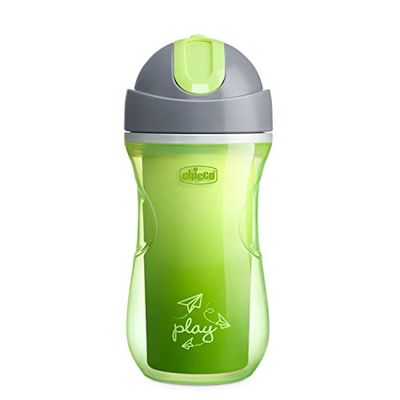

Top of the range, for parents who want the best features.
Chicco Insulated Sipper Cup 266ml
- ✓ Double-wall insulation keeps cool 4-5 hours
- ✓ Soft silicone spout
- ✓ 266ml capacity ideal for 12-24 months
* We earn a small commission — at no extra cost to you.

Lowest price that still clears our 3.8★ / 100-review bar.
Mee Mee Premium Feeding Bottle with Temperature Indicator 250ml
- ✓ Color-changing temperature strip
- ✓ Anti-colic orthodontic nipple
- ✓ 250ml capacity for 6-12 months
* We earn a small commission — at no extra cost to you.
Mothercare ORS Oral Rehydration Sachets
- ✓ Pharmacy-grade WHO formula
- ✓ 10 pre-measured sachets
- ✓ Suitable for 6+ months
* We earn a small commission — at no extra cost to you.
Daily baby tips, exclusive Amazon deals & real parent advice — free forever.
Unlike adults who communicate thirst, babies depend entirely on us to recognize distress signals. Dehydration: a condition where fluid loss exceeds intake, disrupting normal body functions-particularly dangerous in infants whose body water content is 75% compared to 60% in adults. The Indian Academy of Pediatrics reports that 15-20% of summer pediatric emergency visits in tier-1 cities involve dehydration-related complications.
Whether you're dealing with Delhi's dry heat or Chennai's humid summers, understanding these warning signs and having the right rehydration products can prevent a minor issue from becoming a medical emergency.
7 Critical Baby Dehydration Symptoms You Cannot Ignore
Recognizing dehydration early makes all the difference. Here are the specific signs pediatricians ask you to monitor, ranked from early-stage to severe.
1. Reduced Wet Diapers (The 6-Diaper Rule)
A healthy baby produces 6-8 wet diapers per 24 hours. Fewer than 6 diapers-or noticing the diaper stays dry for 3+ hours during the day-signals fluid deficit. Track this meticulously during Mumbai's peak summer months when ambient temperatures exceed 38°C.
2. Sunken Fontanelle (Soft Spot)
Fontanelle: the soft spot on a baby's skull where bones haven't fused yet, typically closing by 18-24 months. When dehydrated, this area visibly sinks below the skull surface. Gently touch the top of your baby's head-it should feel firm and level, not depressed.
3. Dry Mucous Membranes
Check inside your baby's mouth. Healthy babies have moist, pink gums and tongue. Dehydration causes lips to crack, tongue to appear dry or coated, and the inside of cheeks to feel sticky rather than slippery. This symptom appears within 2-3 hours of significant fluid loss in Jaipur or Lucknow's dry heat.
4. No Tears When Crying
Babies older than 3 months produce tears when crying. If your baby cries without tears-especially during evening fussiness when dehydration peaks-it indicates moderate fluid depletion requiring immediate intervention.
5. Dark Yellow or Amber Urine
Normal baby urine is pale yellow or nearly clear. Dark yellow, amber, or strong-smelling urine concentrates when the body conserves water. If you notice this in even one diaper, increase fluid intake immediately.
6. Lethargy and Reduced Activity
A dehydrated baby becomes unusually drowsy, less responsive to stimulation, and disinterested in feeding or play. This differs from normal tiredness-the baby seems floppy and difficult to wake fully. This is a red-flag symptom requiring same-day pediatric consultation.
7. Rapid Breathing and Increased Heart Rate
The body compensates for reduced blood volume by increasing heart and respiratory rates. If your baby's chest rises and falls noticeably faster than usual while at rest, or if you can see their heart beating rapidly through the chest wall, seek emergency care. The IAP guidelines specify that breathing rates above 60 breaths per minute in infants under 2 months warrant immediate medical assessment.
Why Indian Summers Create Higher Dehydration Risk
India's summer climate presents unique challenges. Delhi's 45°C dry heat causes different dehydration patterns than Chennai's 38°C with 80% humidity. Both environments accelerate fluid loss, but through different mechanisms.
In dry heat, babies lose water through perspiration that evaporates immediately-parents often don't notice how much fluid is lost because there's no visible sweat. In humid conditions, sweat doesn't evaporate efficiently, raising core body temperature and increasing metabolic water needs by 20-30%.
Babies have higher surface-area-to-volume ratios than adults, meaning proportionally more skin exposed to heat. A 6-month-old weighing 7kg in a Pune apartment at 39°C can lose 150-200ml of fluid through perspiration in just 2 hours-nearly equivalent to one full feeding session.
| Age Group | Normal Daily Fluid Need | Summer Increase (35-45°C) | Signs of Adequate Hydration |
|---|---|---|---|
| 0-6 months (exclusively breastfed) | 750-900ml | +150-200ml | 8-10 wet diapers, feeding every 2-3 hours |
| 6-12 months | 900-1000ml | +200-250ml | 6-8 wet diapers, accepts water between feeds |
| 12-24 months | 1000-1300ml | +250-350ml | 6 wet diapers, pink moist tongue, active play |
Breastfeeding vs Formula: Hydration Differences That Matter
This distinction confuses many first-time parents, and the answer changes based on your baby's age.
For Babies Under 6 Months
The WHO India chapter and IAP both state: exclusively breastfed babies under 6 months do not need additional water, even in summer. Breast milk is 87% water and adjusts composition based on ambient temperature-foremilk becomes more watery in hot conditions to satisfy thirst.
However, you must increase feeding frequency. Instead of 8 feeds per 24 hours, offer 10-12 feeds during heat waves. Formula-fed babies may need 30-50ml extra water between feeds during peak heat, but consult your pediatrician first. Never dilute formula to increase water content-this dangerously reduces calorie and nutrient density.
For Babies 6-24 Months
Once solids begin, babies need supplemental water-typically 100-150ml per day in moderate climates, increasing to 200-300ml during Mumbai or Bengaluru summers. Offer water in a sipper between meals, not during feeds which can reduce milk/food intake.
Pediatrician-Approved Rehydration Protocol for Home
When you spot early dehydration symptoms, follow this stepped approach recommended by pediatricians across Delhi, Pune, and Chennai hospitals.
Step 1: Increase Feeding Frequency (0-6 months)
Offer breast/formula every 1.5-2 hours instead of the usual 3-hour gap. Even if baby takes small amounts-30-40ml-frequent intake prevents further depletion.
Step 2: Introduce ORS for Babies 6+ Months
ORS (Oral Rehydration Solution): a precise mixture of salts and glucose that replaces electrolytes lost through perspiration and urine, formulated to WHO standards. Products like Mothercare ORS Sachets (Rs. 180 for 10 sachets) are pre-measured and safer than homemade solutions where salt-sugar ratios can be incorrect.
Dosage: 50-100ml after each loose stool, or 5ml every 5 minutes if baby refuses larger amounts. Use within 24 hours of preparation.
Step 3: Monitor Output
Keep a diaper log for 6 hours. If you see 2-3 wet diapers in this window and baby becomes more alert, home management is working. If no improvement or symptoms worsen, visit your pediatrician within 3-4 hours.
Step 4: Avoid These Common Mistakes
- Never give plain water to babies under 6 months without medical advice-it can cause electrolyte imbalance
- Don't offer fruit juices, coconut water, or glucose water as first-line rehydration-these lack balanced electrolytes
- Don't wait for multiple symptoms to appear before acting-early intervention with one symptom prevents escalation
Essential Products for Summer Dehydration Management
Having the right tools makes rehydration easier and more effective. Here's what actually works based on parent feedback and pediatric recommendations.
Electrolyte Supplements
Pigeon Baby Electrolyte Powder comes in apple and orange flavors, making it easier for 8+ month babies to accept. Each 4.5g sachet mixes with 100ml water, providing sodium, potassium, and glucose in pediatric-appropriate ratios. Cost-effective at Rs. 245 for 10 sachets compared to pharmacy ORS at Rs. 180 for similar quantity but with better palatability.
Temperature-Monitoring Bottles
Mee Mee Premium Feeding Bottle with Temperature Indicator (Rs. 315) features a color-changing strip that shows if liquid is too hot (above 37°C). Critical during power cuts in tier-2/3 cities where refrigerated ORS or expressed milk might warm unexpectedly. The 250ml capacity suits 6-12 month babies perfectly.
Insulated Sippers for Older Babies
Chicco Insulated Sipper Cup (Rs. 425) keeps water cool for 4-5 hours-essential when traveling in autos or visiting parks during early morning hours. The soft silicone spout prevents gum injury and the 266ml capacity is ideal for 12-18 month toddlers who need frequent small sips rather than large amounts.
| Product | Best For | Key Feature | Price |
|---|---|---|---|
| Pigeon Electrolyte Powder | 8-24 months, mild dehydration | Flavored, WHO-ratio salts | Rs. 245 |
| Mothercare ORS Sachets | 6-24 months, active rehydration | Pre-measured, pharmacy-grade | Rs. 180 |
| Mee Mee Temp Indicator Bottle | 0-12 months, formula/expressed milk | Visual temperature safety | Rs. 315 |
| Chicco Insulated Sipper | 12-24 months, outdoor hydration | Keeps cool 4-5 hours | Rs. 425 |
When to Rush to Emergency Care
Some symptoms indicate severe dehydration requiring IV fluids, not home management. Head to the nearest hospital immediately if you notice:
- No urination for 8+ hours (12+ hours in newborns)
- Sunken eyes along with sunken fontanelle
- Extreme lethargy-baby doesn't wake for feeds or shows no reaction to painful stimuli
- Cold, mottled, or bluish skin on hands/feet
- Seizures or uncontrolled shaking
- Persistent vomiting preventing any fluid intake for 4+ hours
These signs indicate 10%+ body weight fluid loss-a medical emergency. Don't wait for an appointment; go directly to emergency departments at hospitals in your city that have pediatric units.
What Paediatricians Say
Dr. Anita Menon, a consulting pediatrician in Mumbai with 18 years of experience, sees dehydration cases spike 300% between April and June. She emphasizes that prevention is far easier than treatment: "Parents often underestimate how quickly babies dehydrate. What seems like mild fussiness at 2 PM can become moderate dehydration by 6 PM in our climate."
Key Facts from Pediatric Guidelines:
- The Indian Academy of Pediatrics recommends exclusive breastfeeding for the first 6 months with increased frequency during heat waves-no supplemental water needed for healthy, full-term babies
- WHO rehydration protocols specify 50-100ml ORS per kg body weight over 4 hours for mild-moderate dehydration, given in small frequent sips
- ICMR data shows that homemade sugar-salt solutions cause incorrect electrolyte ratios in 40% of cases-commercial ORS sachets are safer
Prevention Checklist for Indian Summer Months
Use this daily checklist from March through June to prevent dehydration before symptoms appear:
- Morning routine (6-10 AM): Offer full feed before temperature rises. For 6+ month babies, give 50ml water after breakfast.
- Indoor climate (10 AM-5 PM): Maintain room temperature at 24-26°C using coolers/AC. Dress baby in single-layer cotton-overdressing increases perspiration by 30-40%.
- Feeding schedule: Add 2 extra feeding sessions during peak heat hours. Set phone reminders every 2 hours.
- Diaper monitoring: Check and log every diaper change. Note color and wetness level-aim for pale yellow and thoroughly soaked.
- Outdoor precautions: Limit outdoor time to before 9 AM or after 6 PM. If unavoidable, carry pre-mixed ORS in insulated bottle, offer 20-30ml every 30 minutes.
- Bath time: Give lukewarm baths (30-32°C) twice daily during heat waves-helps regulate body temperature and reduces fluid loss through perspiration.
Remember, babies in Lucknow's 44°C summers or Pune's 40°C heat need different strategies than the same baby would in moderate climates. Adjust these guidelines based on your local weather patterns, and when in doubt, consult your pediatrician rather than relying solely on online advice.
Frequently Asked Questions
How much water should I give my 8-month-old baby in summer?
Can I give my 3-month-old water during a heat wave?
What's the difference between ORS and electrolyte powder for babies?
How quickly can a baby become dehydrated in Indian summer heat?
Is coconut water safe for rehydrating a dehydrated 10-month-old?
When should I take my baby to the doctor for dehydration instead of treating at home?
Daily baby tips, exclusive Amazon deals & real parent advice — free forever.