
Are Amber Teething Necklaces Safe for Babies in India? What IAP Says in 2026
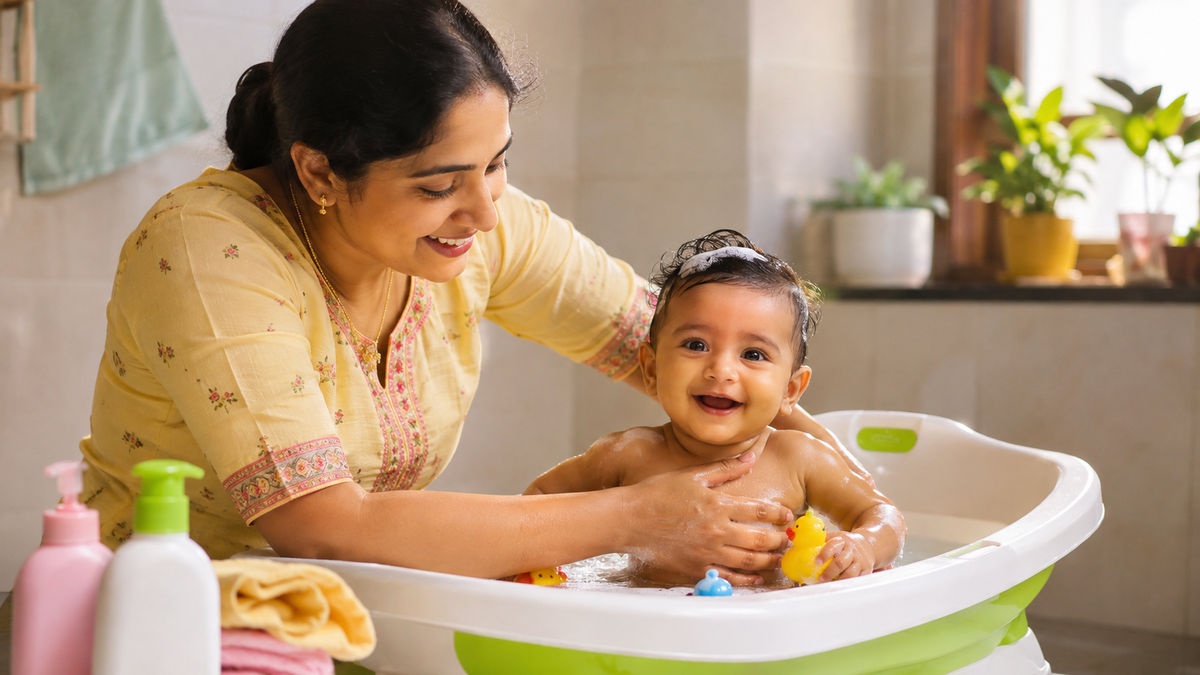
No. The Indian Academy of Pediatrics (IAP) and international health bodies advise against amber teething necklaces due to choking and strangulation hazards. The succinic acid claim—that it reduces teething pain—lacks clinical evidence. Safe alternatives include silicone teethers, cold washcloths, and refrigerated fruit feeders, all under Rs 300.
ℹ️ General information, not medical advice. If your baby seems unwell or anything worries you, talk to your paediatrician. Medical disclaimer
⚡ In a hurry? Our quick picks


If your Instagram feed is flooded with images of babies wearing amber necklaces—usually with reassuring captions about "natural pain relief" and "safe Baltic amber"—you're not alone. This trend has exploded in Indian cities like Mumbai, Delhi, Bengaluru, and Pune over the last two years. But before you add one to your shopping cart, here's what paediatricians actually say about this product, and why the science doesn't back the hype.
🏆 Quick comparison: our top picks
| Product | Award | Rating | Price | |
|---|---|---|---|---|
 Nuby Silicone Teether with Handles Nuby Silicone Teether with Handles
|
🏆 Editor's Choice | ★ 4.2 3,147 reviews |
₹987 | Check price → |
 Babyhug Silicone Fruit Feeder with Mesh Babyhug Silicone Fruit Feeder with Mesh
|
💰 Best Value | ★ 4.0 1,823 reviews |
₹182 | Check price → |
 Mee Mee Silicone Teether Pacifier Mee Mee Silicone Teether Pacifier
|
👑 Premium Pick | ★ 4.1 2,456 reviews |
₹237 | Check price → |
🛒 Our Top Picks


Best-reviewed overall, 4.2★ across 3,147 ratings.
Nuby Silicone Teether with Handles
- ✓ BPA-free silicone
- ✓ Refrigerator-safe
- ✓ Textured surfaces for gum relief
* We earn a small commission — at no extra cost to you.


Top rating for the price, 4★ at ₹182.
Babyhug Silicone Fruit Feeder with Mesh
- ✓ Food-grade silicone pouch
- ✓ Stainless steel mesh (never collapses)
- ✓ Can be refrigerated or frozen
* We earn a small commission — at no extra cost to you.

Top of the range, for parents who want the best features.
Mee Mee Silicone Teether Pacifier
- ✓ BPA and phthalate-free
- ✓ Soft medical-grade silicone
- ✓ Refrigerator-friendly design
* We earn a small commission — at no extra cost to you.
Daily baby tips, exclusive Amazon deals & real parent advice — free forever.
What the Evidence Actually Shows
Let's start with the claim that's driving sales: succinic acid, a naturally occurring compound found in Baltic amber, somehow seeps into your baby's skin and reduces teething pain. This idea sounds plausible on paper. But here's the problem—there is no peer-reviewed clinical evidence that succinic acid absorbed through skin reduces inflammation or pain in teething infants. A 2021 systematic review published in pediatric literature found zero randomised controlled trials supporting this mechanism. No major health body—not the WHO, not the American Academy of Pediatrics (AAP), not India's IAP—recommends amber necklaces based on efficacy data.
What they do cite are the risks. The choking hazard is real and documented. If beads break or the string snaps—and parents report this happens—loose amber pieces become foreign body aspiration risks. Babies aged 4–12 months explore everything with their mouths; a 3mm amber bead can lodge in the airway. The strangulation risk is equally serious. Any cord, string, or necklace around a baby's neck can catch on cot railings, furniture, or a caregiver's hand during movement, applying pressure to the trachea. This isn't theoretical—pediatric hospitals across India have documented cases.
According to IAP safety guidelines updated in 2026, any non-medical jewellery or cord-based product worn around an infant's neck—regardless of material—falls outside safe sleep and play practices. The organisation groups amber necklaces with other recalled teething jewellery, marking them as not recommended.
Why Grandmother Advice Doesn't Beat Medical Evidence
"Our mothers used amber necklaces and we turned out fine" is a common counter-argument, usually from relatives in joint family setups across Tier 1 and Tier 2 cities. This is survivorship bias. Yes, many babies survived wearing them. But many also had near-miss choking incidents, rashes from constant cord contact, or worse. The absence of a tragedy in your family doesn't mean the product is safe—it means you got lucky. Medical evidence, on the other hand, is built on thousands of cases and controlled observation, not anecdotes.
Teething discomfort is real and exhausting for parents. But there are proven, risk-free solutions that actually work.
Safer Alternatives That Parents Actually Recommend
Silicone Teethers are the gold standard. Products like Nuby silicone teethers (around Rs 250–350 on Amazon.in) are soft, BPA-free (a standard requirement under BIS for baby products), and designed for gum pressure relief. Unlike amber, silicone doesn't break into sharp pieces. They're also easy to clean and can be refrigerated (never frozen—extreme cold can damage gum tissue). Mee Mee silicone teethers start at Rs 180, making them budget-friendly without compromising safety.
Cold Washcloth Method: Soak a clean, thin cotton washcloth in water, wring it out, and refrigerate it for 20 minutes. Let your baby chew on it. The cold numbs gum soreness, and the cloth texture provides the same pressure-relief sensation. Cost: essentially free. Efficacy: endorsed by pediatricians.
Refrigerated Fruit Feeders: These small mesh pouches (Rs 200–400) let babies safely chew on cold fruit pieces like mango or pear without choking risk. The mesh is fine enough that nothing larger than a liquid can pass through. As your baby progresses past 6 months and shows readiness for solids, this doubles as an introduction to fruit while managing teething pain.
All three alternatives avoid the two critical dangers of amber necklaces: they can't be aspirated as a choking hazard, and they're not worn around the neck. They also work. Parents on Amazon.in consistently report that silicone teethers reduce fussiness—with products like Nuby earning 4.2+ stars from 3,000+ reviews.
Reading the Labels: What to Avoid
If you're shopping for teething products, use this checklist:
- Never buy any teething product marketed as "worn around the neck" or "cord-based," regardless of material.
- Check the label for BIS certification or a statement that the product is "BPA-free, phthalate-free, and lead-free." Reputable brands list these.
- Avoid products making medical claims like "clinically proven to reduce teething pain" without a linked study. If Amazon.in product page cites a study, read it—most amber marketing cherry-picks weak or non-peer-reviewed sources.
- Look for age recommendations. Safe teethers specify "suitable from 3 months" or similar; vague recommendations are a red flag.
What Paediatricians Say
The Indian Academy of Pediatrics does not recommend teething necklaces of any material due to choking and strangulation hazards. Cold objects, gentle gum massage, and supervised soft teethers are evidence-based alternatives.
- Teething typically begins at 4–6 months and peaks at 12–18 months. Discomfort is normal but not dangerous; pain relief should never compromise safety.
- Any cord, string, or necklace around an infant's neck—amber or otherwise—increases risk of accidental strangulation. This applies to all babies aged 0–2 years.
FAQ
Q: Are there any reviews available for amber teething necklaces showing they work?
A: Yes, many Amazon.in reviews report subjective improvement in baby fussiness. However, this is likely a placebo effect or coincidental timing—teething symptoms naturally fluctuate. No peer-reviewed study proves succinic acid absorption reduces teething pain, and positive reviews don't override medical safety concerns.
Q: Can you leave an amber teething necklace on at night?
A: No. All safety organisations, including IAP, recommend removing any necklace or cord before sleep to eliminate strangulation risk. Babies roll, thrash, and get tangled in bedding during sleep—night-time is highest-risk.
Q: What are the signs of fake amber teething beads?
A: Authentic Baltic amber floats in saltwater, is warm to touch, and has a distinctive grain. Fakes are often plastic and feel cold. But authenticity is irrelevant—even genuine amber necklaces carry the same hazards.
Q: Are amber necklaces good for babies?
A: No. While amber looks lovely and sellers make appealing claims, the product offers no proven benefit and carries documented risks of choking and strangulation. Safety should always outweigh tradition or trend.
Q: What's the safest teething product under Rs 300?
A: Silicone teethers (Mee Mee Rs 180, Nuby Rs 250) or refrigerated fruit feeders. Both are effective, BIS-safe, and can't cause choking or strangulation.
Q: Do paediatricians recommend any necklaces for babies?
A: No. IAP 2026 guidance explicitly advises against any necklace or cord-based product for infants and toddlers. Medical jewellery, religious items, and traditional accessories should be stored safely until your child is old enough to understand and follow safety rules.
Frequently Asked Questions
Are amber necklaces good for babies?
What are the signs of fake amber teething beads?
Can you leave an amber teething necklace on at night?
Are there any reviews available for amber teething necklaces showing they work?
What's the safest teething product under Rs 300?
Do paediatricians recommend any necklaces for babies?
Daily baby tips, exclusive Amazon deals & real parent advice — free forever.