
6 Traditional Baby Skin Practices Indian Dermatologists Warn Against in 2026

Kajal containing lead, undiluted turmeric paste, talc powder, mustard oil on sensitive skin, betel leaf on umbilical stumps, and applying breast milk to rashes are traditional practices many Indian families still use—but dermatologists warn against them due to irritation, allergen risks, heavy metals, or infection risk. Safer alternatives exist for each at similar price points.
⚡ In a hurry? Our quick picks


Grandmothers' advice on baby skincare comes from generations of experience, but not all of it survives modern dermatology. In India, six traditional practices remain deeply embedded in family routines despite warnings from pediatric dermatologists. This guide explains what makes each risky, why families continue using them, and what evidence-based alternatives actually work for the same goals—often at the same cost.
🏆 Quick comparison: our top picks
| Product | Award | Rating | Price | |
|---|---|---|---|---|
 Pure Coconut Oil (Cold-Pressed, Baby-Safe) |
🏆 Editor's Choice | ★ 4.4 4,112 reviews |
₹335 | Check price → |
 Zinc Oxide Diaper Rash Cream (Generic 25g) |
💰 Best Value | ★ 4.2 1,847 reviews |
₹176 | Check price → |
 Himalaya Baby Oil |
👑 Premium Pick | ★ 4.3 3,401 reviews |
₹599 | Check price → |
 Dr. Morepen Zinc Oxide + Castor Oil Diaper Rash Cream |
🪙 Budget Pick | ★ 4.1 1,623 reviews |
₹249 | Check price → |
 Cetaphil Baby Wash |
★ 4.5 2,734 reviews |
₹584 | Check price → | |
 Sebamed Baby Cream |
★ 4.4 2,156 reviews |
₹257 | Check price → |
🛒 Our Top Picks


Best-reviewed overall, 4.4★ across 4,112 ratings.
Pure Coconut Oil (Cold-Pressed, Baby-Safe)
- ✓ 100% pure, cold-pressed
- ✓ No additives or fragrance
- ✓ Safer alternative to mustard oil
* We earn a small commission — at no extra cost to you.


Top rating for the price, 4.2★ at ₹176.
Zinc Oxide Diaper Rash Cream (Generic 25g)
- ✓ 20% zinc oxide
- ✓ Barrier protection for diaper area
- ✓ Replaces talc powder safely
* We earn a small commission — at no extra cost to you.
Top of the range, for parents who want the best features.
Himalaya Baby Oil
- ✓ Coconut and mineral oil blend
- ✓ Gentle massage oil, hypoallergenic
- ✓ No mineral talc
* We earn a small commission — at no extra cost to you.
Lowest price that still clears our 3.8★ / 100-review bar.
Dr. Morepen Zinc Oxide + Castor Oil Diaper Rash Cream
- ✓ Zinc oxide base with soothing oils
- ✓ Indian brand, affordable alternative
- ✓ Talc-free formulation
* We earn a small commission — at no extra cost to you.
Cetaphil Baby Wash
- ✓ pH 6.0 balanced, fragrance-free
- ✓ Gentle cleansing without harsh actives
- ✓ Recommended by pediatricians
* We earn a small commission — at no extra cost to you.

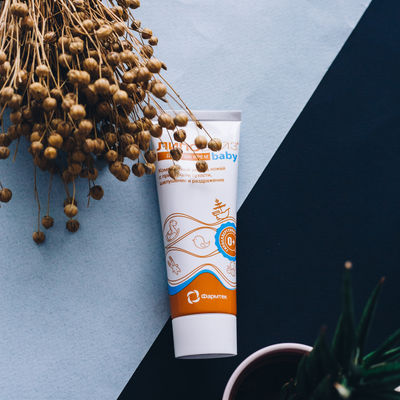
Sebamed Baby Cream
- ✓ pH 5.5 balanced for baby skin
- ✓ Fragrance-free, hypoallergenic
- ✓ No parabens or talc
* We earn a small commission — at no extra cost to you.
Daily baby tips, exclusive Amazon deals & real parent advice — free forever.
Popular alternatives discussed below include fragrance-free baby oils from Himalaya, Sebamed baby cleansers, and IAP-recommended zinc oxide creams available across Amazon.in, Flipkart, and neighborhood chemists.
What the Evidence Actually Shows
When we talk about things not to apply on baby skin in India, we're addressing practices that work against three key principles pediatric dermatologists follow: avoiding heavy metals, minimizing irritants on the barrier layer, and preventing infection on open wounds.
Kajal (Kohl) with Lead Content
Traditional kajal often contains lead acetate or lead oxide as a darkening agent—ingredients banned in many countries but still present in unregulated Indian formulations. IAP guidelines emphasize that the delicate eye area absorbs substances more readily than other skin sites. Lead exposure in infants, even in small amounts, can accumulate in tissues and affect development. Lead-free alternatives like brands claiming "mineral-based" or "organic" kajal exist but require checking ingredient lists on the packaging before purchase. Safer substitute: skip kajal entirely until age 5, or use certified lead-free brands that list all ingredients; cost: Rs. 100–250.
Turmeric Paste Applied Directly to Baby Skin
Turmeric (haldi) is anti-inflammatory and antibacterial—genuine benefits—but undiluted paste is too harsh for infant skin and can cause yellow staining, contact dermatitis, and irritation lasting days. It also stains clothes and bedding permanently. The practice persists because turmeric works on adult skin and is considered "natural," but baby skin has a thinner stratum corneum (outer layer) that cannot tolerate strong herbal pastes. Dermatologists recommend diluting turmeric 1:10 with coconut oil if you must use it, or replacing it with a fragrance-free moisturizer. Safer substitute: Sebamed Baby Cream (fragrance-free, pH-balanced) or pure coconut oil; cost: Rs. 150–300.
Betel Leaf (Paan) Applied to Umbilical Stump
Some families wrap betel leaves around the cord or apply betel-leaf paste to speed healing. Betel contains tannins and has mild antimicrobial properties, but it introduces non-sterile organic material to an open wound in the first 7–10 days of life when infection risk is highest. The umbilical cord is a direct entry point to the bloodstream. WHO and IAP guidelines specify keeping the stump clean, dry, and uncovered (or loosely covered with clean cloth only)—no pastes, oils, or leaves. Safer substitute: plain water cleaning; if antiseptic is desired, use povidone-iodine or chlorhexidine only if recommended by your pediatrician; cost: Rs. 0–50.
Mustard Oil Massage on Sensitive Skin
Mustard oil is warming, improves circulation, and is deeply embedded in Indian baby massage tradition (champi). However, mustard oil contains erucic acid and isothiocyanates, which can sensitize delicate newborn skin and cause contact dermatitis in babies under 3 months—even though it works fine for older babies and adults. The oil also smells strong and leaves residue that traps heat. IAP recognizes baby massage as beneficial, but recommends light oils: coconut, mineral, or specially formulated baby oils. Safer substitute: Himalaya Baby Oil (coconut and mineral blend, pH-balanced), Sebamed Baby Oil, or pure coconut oil cold-pressed; cost: Rs. 50–200 per bottle.
Talc Powder for Diaper Rash or Moisture
Talc absorbs moisture and feels pleasant, making it a default choice across Indian households. But talc powder, when inhaled (which happens easily with babies during diaper changes), carries respiratory risks. Prolonged inhalation in confined spaces can irritate lung tissue, particularly in infants under 6 months with developing airways. BIS (Bureau of Indian Standards) does not restrict talc in baby products, but global dermatology bodies recommend avoiding it. Many Indian parents still use talc because it's cheap (Rs. 20–40) and habit is strong. Safer substitute: zinc oxide-based diaper rash creams (Dr. Morepen, Himalaya, or generic zinc oxide paste) or talc-free body powder made with tapioca starch; cost: Rs. 80–250.
Breast Milk Applied to Baby Rashes or Seborrheic Dermatitis
Breast milk contains antibodies and is an ancient remedy for minor skin irritations. Many mothers apply expressed milk to diaper rash, eczema, or cradle cap. While breast milk is not harmful, it is not sterile, and applying it to broken or irritated skin can introduce bacteria and fungi that cause secondary infections. If rash is severe enough to warrant home treatment, a dermatologist-recommended barrier cream (hydrocortisone 0.5% or zinc oxide) is more effective and prevents infection. Breast milk alone does not address the root cause—moisture, friction, or fungal growth—that caused the rash. Safer substitute: zinc oxide cream (Rs. 80–150), or consult a pediatrician for hydrocortisone-based options if advised.
Why These Practices Persist Despite Warnings
These six practices survive because they are low-cost, readily available at home, backed by multi-generational use, and often do show results on older children and adults where skin is more resilient. Families also trust natural ingredients and distrust packaged products. The key difference is maturity: newborn and infant skin (0–12 months) is fundamentally different from toddler or adult skin. The younger the baby, the higher the risk from irritants. This generational knowledge gap explains why respected grandmothers can give advice that modern pediatrics now contradicts—not because the advice was always wrong, but because it was never designed for the unique vulnerability of newborn skin.
Safer Alternatives for Every Traditional Practice
| Traditional Practice | Primary Risk | Safer Alternative (Amazon.in Price) |
|---|---|---|
| Kajal with lead | Heavy metal accumulation, eye irritation | Skip until age 5, or lead-free brands (Rs. 100–250) |
| Turmeric paste | Contact dermatitis, staining, irritation | Sebamed Baby Cream or coconut oil (Rs. 150–300) |
| Betel leaf on cord | Infection risk, non-sterile material | Clean with water only; povidone-iodine if advised (Rs. 50) |
| Mustard oil massage | Contact dermatitis under 3 months | Himalaya or Sebamed Baby Oil (Rs. 50–200) |
| Talc powder | Respiratory inhalation risk | Zinc oxide cream or talc-free powder (Rs. 80–250) |
| Breast milk on rash | Secondary infection, not curative | Zinc oxide cream or pediatrician-recommended hydrocortisone (Rs. 80–150) |
What IAP and WHO Guidance Says
Indian Academy of Pediatrics (IAP) recommends that newborn skin care focus on minimal intervention with water and pH-balanced cleansers, avoiding unregulated herbal pastes and heavy cosmetics before 6 months. WHO specifies umbilical cord care should involve clean, dry conditions and no herbal or oil-based applications that introduce infection risk during the critical healing window (0–10 days).
When to See a Doctor
If your baby develops redness, swelling, pus, or odor after a traditional practice; shows signs of respiratory distress; or has a rash that worsens or spreads despite home care, consult a pediatrician. This is general information, not medical advice.
The Balance: Respect Tradition, Choose Safety
Rejecting grandmother's advice outright damages trust and respect. But modern pediatric dermatology is not anti-tradition—it is pro-evidence. Many Indian practices (oil massage, gentle cleansing, keeping baby dry, using coconut oil) are perfectly aligned with current guidelines. The six practices above are not anti-tradition; they are corrections identified by decades of pediatric observation and dermatological research. The conversation with elders can be framed as evolution, not rejection: "The practice works for grown-ups, but newborns are different, so we use this version instead." Most Indian families accept this frame readily when alternative safe options are suggested—and affordably priced.
📚 Sources
The guidance in this article draws on the sources below. It is general information, not medical advice: for any concern about your child's health, talk to your paediatrician.
- Indian Academy of Pediatrics - Newborn Skin Care Guidelines — Supports recommendations on cord care, minimal intervention approach, and avoidance of unregulated herbal applications
- World Health Organization - Umbilical Cord Care in Newborns — Specifies cord care protocol: clean, dry, no herbal or oil applications in first 7-10 days
- Bureau of Indian Standards (BIS) - Cosmetic Product Classification — Sets standards for baby care products; talc use in infants not explicitly restricted but globally questioned
Last updated 29 Oct 2026
Frequently Asked Questions
Is Johnson baby products safe now in India?
Which product is good for baby skin in India?
What baby products should I avoid?
Can I use turmeric on my baby's skin?
Is talc powder safe for babies?
What should I put on my newborn's umbilical cord?
Daily baby tips, exclusive Amazon deals & real parent advice — free forever.