
6 Unsafe Baby Products Dermatologists Avoid in 2026: What to Remove from Your Bathroom
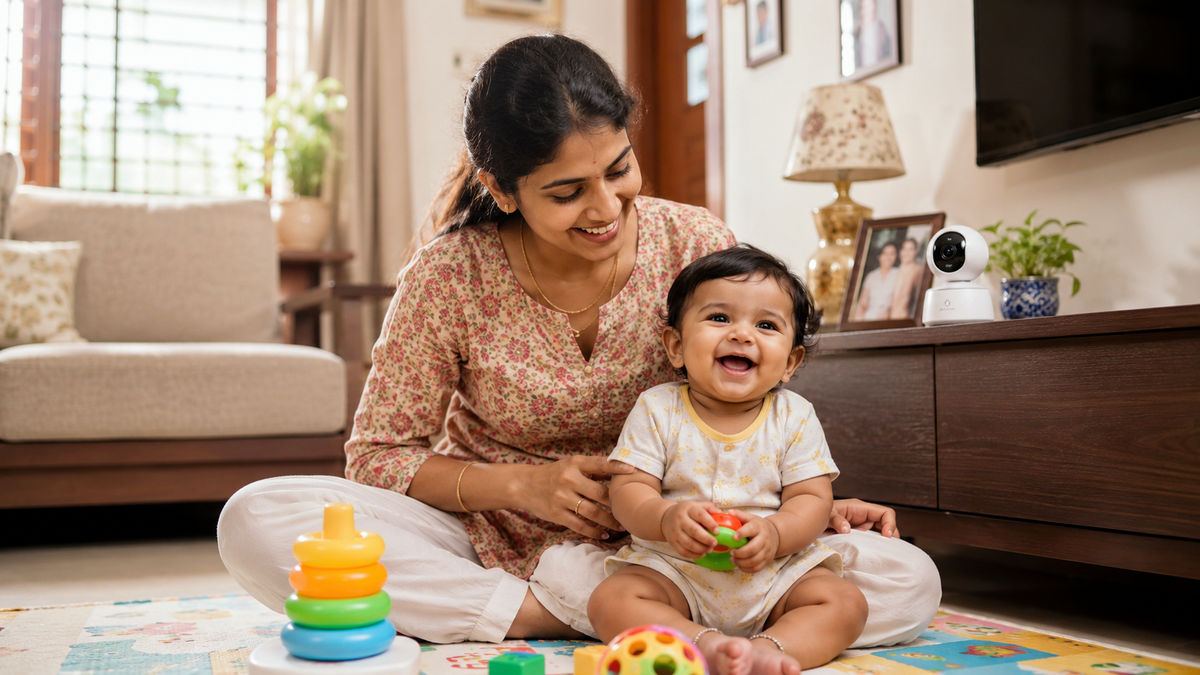
Dermatologists and IAP recommend avoiding talc powder (inhalation risk), adult soap bars with pH 9–10 (strip skin barrier), cotton buds (ear canal damage), synthetic bath sponges (bacterial traps), plastic bath seats (drowning risk), and essential oil diffusers (respiratory irritants). Safer alternatives exist at every price point.
⚡ In a hurry? Our quick picks
Parents want the best for their babies, but sometimes the products we reach for in the bathroom are the ones doing the most harm. After months of scrolling parenting groups and seeing the same questions repeat — "Is talc safe?" "Why does the baby's skin peel after Johnson's bar?" — I realised most parents don't know why these products are flagged, just that they are. This article cuts through the confusion. We'll walk through six products that dermatologists and the Indian Academy of Pediatrics (IAP) recommend avoiding, what the actual risk is, and what safer alternatives cost on Amazon.in right now.
🏆 Quick comparison: our top picks
| Product | Award | Price | |
|---|---|---|---|
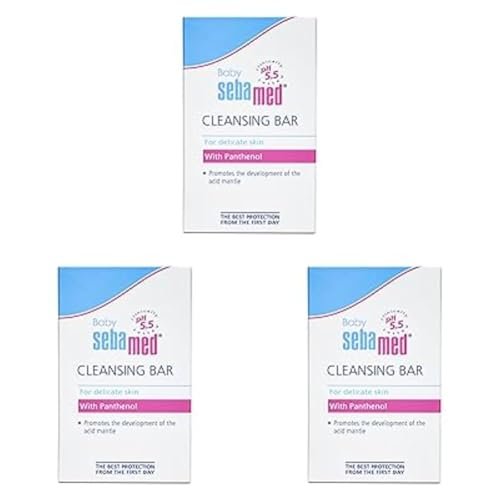 Sebamed Baby Cleansing Bar |
👑 Premium Pick | ₹924 | See alternatives → |
 Pigeon Baby Ear Cleaner |
🪙 Budget Pick | ₹101 | Check price → |
 Chicco Mild Foam Bath |
₹447 | Check price → | |
 Mee Mee Soft Baby Sponge |
₹184 | Check price → |
🛒 Our Top Picks
The highest-priced option in this guide.
Sebamed Baby Cleansing Bar
- ✓ pH 5.5 (skin-barrier safe)
- ✓ Soap-free formula
- ✓ Dermatologist tested
* We earn a small commission — at no extra cost to you.
The lowest-priced option in this guide.
Pigeon Baby Ear Cleaner
- ✓ Non-invasive design
- ✓ Outer-ear cleaning only
- ✓ Soft silicone tip
* We earn a small commission — at no extra cost to you.

Chicco Mild Foam Bath
- ✓ Gentle foam cleanser
- ✓ Tear-free formula
- ✓ Mild pH-balanced
* We earn a small commission — at no extra cost to you.
Mee Mee Soft Baby Sponge
- ✓ Fabric-based (non-foam)
- ✓ Dries quickly
- ✓ Bacteria-resistant
* We earn a small commission — at no extra cost to you.
Daily baby tips, exclusive Amazon deals & real parent advice — free forever.
What the Evidence Actually Shows
Safety concerns about baby products aren't based on paranoia — they're rooted in how a baby's body works differently from ours. A newborn's skin is 30% thinner than adult skin and lacks a fully formed acid mantle (the protective outer layer). Their lungs are still developing, their ears are smaller and more delicate, and they can't tell you something hurts until damage is done. IAP guidance emphasises that products designed for adult skin or general use are not appropriate for infants.
The checklist below isn't a scare list — it's a practical guide to reading labels and understanding what makes a product unsuitable, so you can make choices that match your baby's actual needs.
Talc Powder — Inhalation and Lung Irritation
The specific harm: Talc is a mineral powder that, when inhaled by a baby during nappy changes or baths, can lodge in the lungs. IAP does not recommend talc powder for babies under 2 years. The concern is not one-off exposure but cumulative inhalation of fine particles over months.
What to look for on the label: Talc, magnesium silicate, or "mineral powder" listed in the first five ingredients. Many traditional Indian brands still use talc as a base — check the back of the pack.
Safer swap: Cornstarch-based powders or silica-free alternatives. Many parents simply skip powder altogether, which IAP supports; nappy-rash prevention works better through frequent nappy changes and barrier creams (see below).
Adult Soap Bars — pH Too High, Damages Skin Barrier
Adult skin has a pH of 4.5–5.5 (acidic), which protects against bacteria and keeps moisture locked in. Baby skin is more neutral, around pH 6.5–7.5 in the first weeks, and doesn't reach adult pH until age 2–3. A standard adult soap bar sits at pH 9–10, which strips the skin barrier and leaves babies vulnerable to dryness, irritation, and infections.
Dermatologist alert: Johnson's Baby Soap, Lux, Dove (standard bars), and other multipurpose bars fall into this category. Parents often report their babies' skin peeling or developing rashes within days of switching to these bars — that's the skin barrier breaking down in real time.
What to look for: "pH balanced for baby skin" or "pH 5.5" on the label. If the product doesn't state pH, assume it's not formulated for babies.
Safer swap: Sebamed Baby Cleansing Bar (pH 5.5, ₹175 on Amazon.in) or Chicco Mild Foam Bath (₹285). Both list their pH and are dermatologist-tested.
Synthetic Bath Sponges — Bacterial and Fungal Growth
The soft, bright-coloured synthetic sponges sold in most stores are excellent at trapping moisture and bacteria. A damp sponge left in a warm bathroom becomes a petri dish within 24 hours. Babies with sensitive skin or existing rashes are especially prone to secondary fungal infections from contaminated sponges.
What to look for: Synthetic foam or polyurethane sponges. If the sponge doesn't dry out completely within a few hours of use, it's holding bacteria.
Safer swap: Organic cotton sponges, muslin cloths, or soft natural-fibre alternatives. Mee Mee Soft Baby Sponge (₹99) is made from soft fabric and dries faster than foam.
Cotton Buds — Ear Canal Damage and Perforation Risk
A baby's ear canal is shorter and narrower than an adult's. Inserting a cotton bud — even gently — risks pushing wax deeper into the canal and potentially perforating the eardrum. WHO and IAP both recommend against cotton buds for babies. The ear is self-cleaning; routine cleaning is not necessary.
What parents often do: Use cotton buds to clean visible wax from the outer ear after a bath. This small action is enough to damage the canal if the baby moves suddenly.
Safer swap: A soft, damp cloth to wipe the outer ear only. If wax buildup is a concern, see a paediatrician. Pigeon Baby Ear Cleaner (₹149) is a specialised, non-invasive tool designed for outer-ear cleaning without insertion.
Plastic Bath Seats — Drowning and Entrapment Risk
The risk: Plastic bath seats create a false sense of security. A baby can slip out, tip the seat, or become entrapped. Even in shallow water (2–3 inches), a baby can drown in under two minutes if unsupervised. The Consumer Product Safety Commission (CPSC) has issued warnings about bath seats, and Indian paediatricians recommend hands-on support instead.
What to do instead: Hold your baby throughout the bath or use a soft, non-rigid support cloth. Never leave a baby unattended in a bath seat.
Essential Oil Diffusers — Respiratory Irritation and Toxicity
The specific harm: Many parents use diffusers with eucalyptus, tea tree, or lavender oil near the nursery, believing it aids sleep or prevents illness. Babies' respiratory systems are still maturing, and inhaled essential oil vapours can irritate airways and, in rare cases, cause respiratory distress. IAP does not recommend diffusers or vaporisers with essential oils in rooms where babies sleep.
What to look for: Any diffuser in the nursery or near where the baby sleeps regularly. This includes plug-in diffusers, room sprays, and incense.
Safer swap: If the room needs air circulation, use a basic humidifier (unmedicated) or open a window. Both are safer than scented alternatives.
Safe Alternatives to Stock Instead
Here are four products that dermatologists and IAP-aligned paediatricians recommend, all available on Amazon.in:
Sebamed Baby Cleansing Bar (pH 5.5, ₹175): Specifically formulated for baby skin with no soap, no fragrance, and clinically tested on sensitive skin. Dermatologists often recommend this as a replacement for adult bars.
Mee Mee Soft Baby Sponge (₹99): Fabric-based, dries quickly, and doesn't trap bacteria the way foam sponges do. A pack typically includes multiple sponges so you can rotate them.
Chicco Mild Foam Bath (₹285): A gentle foam cleanser with a balanced pH and no soap. Parents report it doesn't sting eyes and rinses cleanly — common complaints with adult products.
Pigeon Baby Ear Cleaner (₹149): A specialised tool for gently removing visible wax from the outer ear without inserting into the canal. A safer choice if wax cleanup feels necessary.
What IAP and WHO Guidance Says
- IAP: Recommends talc-free, pH-balanced cleansers for infants and advises against cotton buds for ear cleaning in all age groups under 5 years.
- WHO: States that babies under 6 months should be bathed only with water or mild, fragrance-free products; essential oil diffusers are not recommended in sleeping spaces.
When to See a Doctor
If your baby develops a rash, persistent dry patches, signs of ear infection (fever, tugging at ears, discharge), or respiratory symptoms after using a new product, contact your paediatrician. This is general information, not medical advice.
📚 Sources
The guidance in this article draws on the sources below. It is general information, not medical advice: for any concern about your child's health, talk to your paediatrician.
- Indian Academy of Pediatrics (IAP) — Infant Skincare and Safety Guidelines — Supports talc avoidance, pH-balanced cleanser recommendations, and cotton bud safety
- WHO — Safe Bathing and Hygiene for Infants — Guidance on water-only bathing and essential oil safety near infants
Last updated 05 Nov 2026
Frequently Asked Questions
Is Johnson baby soap safe to use?
What is the 3–6–9 rule for babies?
What causes baby skin discoloration?
What are the top 5 ingredients to avoid in baby skincare products?
Can I use adult moisturiser on my baby?
Are natural or organic baby products always safer?
Daily baby tips, exclusive Amazon deals & real parent advice — free forever.