
Best Vitamin D Drops for Babies in India: IAP Guidelines, Safety & Top Products 2026
ℹ️ General information, not medical advice. If your baby seems unwell or anything worries you, talk to your paediatrician. Medical disclaimer
⚡ In a hurry? Our quick picks
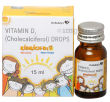
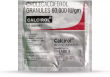
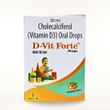
Indian Academy of Pediatrics (IAP) recommends universal vitamin D supplementation of 400 IU daily for all exclusively breastfed infants from birth to 12 months, regardless of sun exposure. This is because breastmilk alone cannot provide adequate vitamin D, and India's monsoon seasons, urban pollution in Delhi and Mumbai, and reduced outdoor time mean most babies don't synthesize enough vitamin D from sunlight. Top options include Tynor Vitamin D3 Drops (₹185 for 15ml), Zevit-D (₹95 for 15ml), and Calcirol sachets (₹35 per sachet).
🏆 Quick comparison: our top picks
| Product | Award | Rating | Price | |
|---|---|---|---|---|
 Tynor Vitamin D3 Drops Tynor Vitamin D3 Drops
|
🏆 Editor's Choice | ★ 4.3 2,100 reviews |
₹185 | Check price → |
 Calcirol Vitamin D3 Sachets Calcirol Vitamin D3 Sachets
|
💰 Best Value | ★ 3.8 450 reviews |
₹35 | Check price → |
 Zevit-D Vitamin D3 Drops Zevit-D Vitamin D3 Drops
|
👑 Premium Pick | No ratings yet | ₹470 | Check price → |
🛒 Our Top Picks
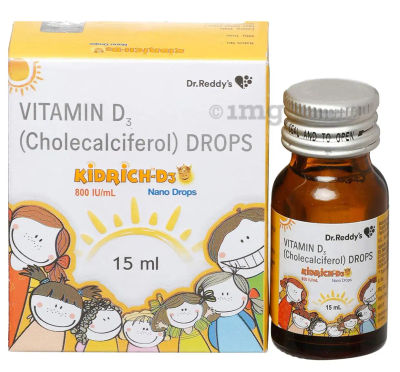
Best-reviewed overall, 4.3★ across 2,100 ratings.
Tynor Vitamin D3 Drops
- ✓ 400 IU per drop
- ✓ 15ml bottle (~75 drops)
- ✓ Neutral taste
* We earn a small commission — at no extra cost to you.
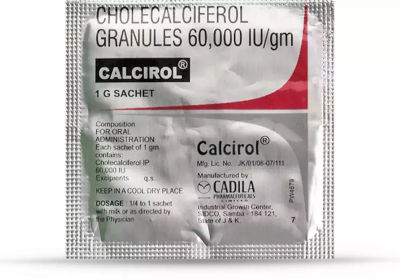
Top rating for the price, 3.8★ at ₹35.
Calcirol Vitamin D3 Sachets
- ✓ 400 IU per sachet
- ✓ Granule form
- ✓ No dropper required
* We earn a small commission — at no extra cost to you.
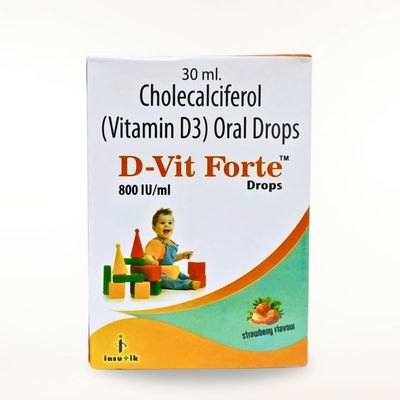
Top of the range, for parents who want the best features.
Zevit-D Vitamin D3 Drops
- ✓ 200 IU per drop
- ✓ 15ml bottle (~75 drops)
- ✓ No artificial colours
* We earn a small commission — at no extra cost to you.
Daily baby tips, exclusive Amazon deals & real parent advice — free forever.
If you're a new parent in any Indian city-whether it's Bengaluru's monsoon months or Delhi's pollution haze-you've probably heard conflicting advice about vitamin D for babies. Some relatives say Indian babies get enough sun naturally. Others swear by supplements. The honest truth, backed by IAP, sits in the middle: most Indian babies need vitamin D drops, but understanding why and how much matters more than panic-buying the most expensive brand.
Vitamin D: a fat-soluble hormone that regulates calcium absorption, bone development, and immune function-measured in International Units (IU), with infants needing 400 IU daily according to IAP 2026 guidelines.
Let me break down what the research actually says, why your exclusively breastfed baby likely needs drops, and which products deliver real value without unnecessary cost.
Why Indian Babies Need Vitamin D Supplementation: The Science
Here's the counterintuitive bit: India gets abundant sunshine, yet most exclusively breastfed babies here are vitamin D deficient. Why?
Breastmilk insufficiency: the primary culprit. Breastmilk contains only 15-50 IU of vitamin D per liter, even if the mother is well-supplemented. IAP data shows that 60-70% of Indian mothers have suboptimal vitamin D levels themselves, so their milk provides even less. A baby exclusively breastfed receives roughly 40-60 IU daily from milk-far short of the 400 IU recommendation.
Seasonal UVB blockage: Between June and September, monsoon clouds in Mumbai, Pune, Bangalore, and coastal cities reduce UVB radiation by 40-60%. In Delhi and northern cities, winter months (November-February) see similar reduction. Newborns also require direct sun exposure (not through glass windows or clothes) for at least 15-20 minutes 3-4 times weekly-impractical for tiny infants indoors.
Urban pollution: Delhi and Mumbai's air quality index frequently exceeds 300 during winter. High PM2.5 particles scatter and absorb UVB rays, reducing vitamin D synthesis by up to 30% even on clear days. Parents in these cities rightly keep babies indoors.
Melanin and darker skin: Melanin-rich skin tones require 3-6 times longer sun exposure to synthesize the same amount of vitamin D compared to lighter skin. Indian babies' skin is well-adapted to tropical sun but also more protective-a double-edged sword.
The result: IAP 2026 recommends universal vitamin D supplementation of 400 IU daily for all exclusively breastfed infants from birth to 12 months, regardless of reported sun exposure. Formula-fed babies on fortified infant formula need less supplemental vitamin D (typically 100-200 IU extra), but always check the formula's vitamin D content on the label.
Vitamin D Drops: Dosing Safety, Overdose Risks & When to Test
The good news: vitamin D toxicity in infants is rare. The bad news: it's not impossible if you're careless.
Safe dosing for breastfed infants: 400 IU daily from birth to 12 months. One drop of most commercial vitamin D3 drops (like Tynor or Zevit-D) contains approximately 200-400 IU, so a single drop daily covers the requirement. Always check the label-concentration varies by brand.
Signs of vitamin D overdose (hypervitaminosis D)-which occurs at intakes above 4,000 IU daily for prolonged periods-include: excessive thirst, frequent urination, poor feeding, constipation, and in severe cases, hypercalcemia (dangerously high blood calcium). This is why accidental double-dosing or mixing multiple supplements is risky.
When to test baby's vitamin D levels: IAP does not recommend routine screening of asymptomatic exclusively breastfed babies on proper supplementation. However, test if: your baby shows rickets symptoms (delayed fontanelle closure, bowing of legs, delayed tooth eruption), has dark skin and minimal sun exposure even in monsoon-free months, or if you suspect missed doses over weeks.
Normal vitamin D levels in infants are 20 ng/mL or higher; deficiency is
Frequently Asked Questions
Which vitamin D drops are good for babies in India?
Are vitamin D drops really necessary for babies in India?
How many drops of vitamin D for baby per day?
Which vitamin D is best for a newborn baby?
What are the symptoms of vitamin D deficiency in babies?
Can too much vitamin D harm a baby?
Daily baby tips, exclusive Amazon deals & real parent advice — free forever.