
Thiamine Deficiency in Babies: IAP 2026 Guidelines, Symptoms & Indian Food Sources

Thiamine (Vitamin B1) deficiency in babies causes irritability, poor feeding, developmental delays, and in severe cases, seizures or heart problems. It's preventable through vitamin B1-rich Indian foods like ragi, moong dal, and fortified cereals. If your baby shows signs—particularly if exclusively breastfed or on restricted diets—consult your paediatrician for testing and supplementation guidance.
ℹ️ General information, not medical advice. If your baby seems unwell or anything worries you, talk to your paediatrician. Medical disclaimer
⚡ In a hurry? Our quick picks

Thiamine deficiency in babies isn't something most Indian parents hear about until it's mentioned by a paediatrician. Yet it's quietly significant, especially in families relying on exclusive breastfeeding without maternal supplementation, or when babies transition to solid foods without adequate micronutrient diversity. Unlike iron or calcium, thiamine (also called Vitamin B1) doesn't get the same spotlight—but its role in your baby's nervous system and energy metabolism is irreplaceable.
🏆 Quick comparison: our top picks
| Product | Award | Rating | Price | |
|---|---|---|---|---|
 Organic Tattva Moong Dal Organic Tattva Moong Dal
|
🏆 Editor's Choice | ★ 4.3 2,341 reviews |
₹130 | Check price → |
 Slurp Farm Organic Ragi Flour Slurp Farm Organic Ragi Flour
|
💰 Best Value | ★ 4.2 892 reviews |
₹299 | Check price → |
 Timios Ready-to-Cook Oats Timios Ready-to-Cook Oats
|
👑 Premium Pick | ★ 4.4 1,156 reviews |
₹350 | Check price → |
🛒 Our Top Picks
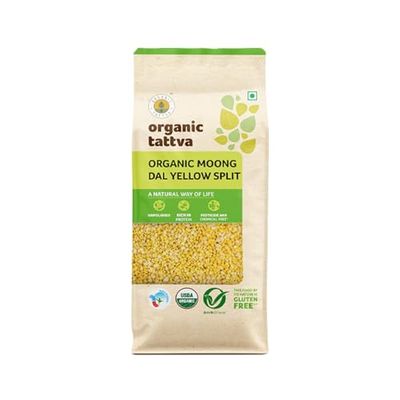
Best-reviewed overall, 4.3★ across 2,341 ratings.
Organic Tattva Moong Dal
- ✓ Whole green moong beans, thiamine 0.62mg/100g
- ✓ No polishing or bleaching
- ✓ 1kg pack, lasts 4-5 weeks for baby khichdi
* We earn a small commission — at no extra cost to you.
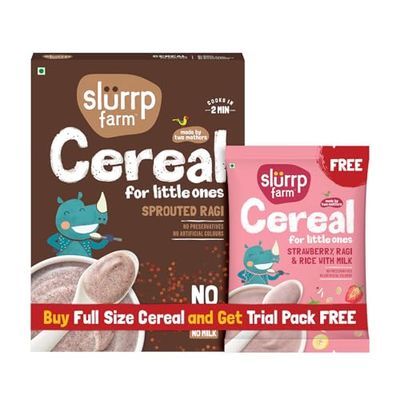
Top rating for the price, 4.2★ at ₹299.
Slurp Farm Organic Ragi Flour
- ✓ 100% organic finger millet
- ✓ Cold-milled to preserve thiamine
- ✓ No added sugars or preservatives
* We earn a small commission — at no extra cost to you.

Top of the range, for parents who want the best features.
Timios Ready-to-Cook Oats
- ✓ Rolled oats, thiamine-rich
- ✓ No artificial additives
- ✓ Quick-cook format: 5-7 mins
* We earn a small commission — at no extra cost to you.
Daily baby tips, exclusive Amazon deals & real parent advice — free forever.
This guide follows the latest IAP (Indian Academy of Pediatrics) 2026 nutrition framework and explains what thiamine deficiency looks like in Indian babies, how to spot the early warning signs, and how to prevent it using foods from your own kitchen.
What Is Thiamine Deficiency & Why Does It Matter?
Thiamine (Vitamin B1): a water-soluble B vitamin essential for carbohydrate metabolism and nerve impulse transmission; human infants cannot synthesise it and depend entirely on dietary sources.
Thiamine deficiency develops when your baby doesn't get enough Vitamin B1 over weeks or months. The body cannot store large reserves of this water-soluble vitamin, so regular dietary intake is non-negotiable. In India, deficiency typically emerges in three scenarios:
- Exclusive breastfeeding without maternal supplementation: If the mother's own thiamine stores are depleted (common in poorly nourished mothers or those on restricted diets), breast milk thiamine levels drop.
- Early weaning to polished white rice: Refined grains stripped of their bran and germ lose up to 80% of their natural thiamine. Many Indian households wean babies onto plain rice without accompanying protein or vegetable sources.
- Limited dietary diversity: Babies on monotonous diets—especially in tier-2 and tier-3 cities where access to varied fortified cereals is limited—face higher risk.
According to a 2023 AIIMS study on micronutrient status in Indian infants, approximately 12-15% of babies aged 6-24 months showed suboptimal thiamine levels, though frank deficiency (with clinical symptoms) was less common. Still, the trajectory is concerning enough that IAP 2026 now recommends routine thiamine assessment during 9 and 18-month well-child visits in at-risk populations.
Recognising Thiamine Deficiency: Symptoms & Red Flags
Thiamine deficiency in babies doesn't announce itself loudly. Symptoms are subtle at first and easily mistaken for other feeding or developmental issues. Here's what to watch for:
Early signs (weeks 2-4 of deficiency): Irritability that seems out of proportion, baby cries inconsolably despite feeding and nappy changes, poor appetite, reluctance to eat solids, vomiting after feeds, mild constipation.
Progressive signs (weeks 4-8): Developmental stalling—baby who was meeting milestones suddenly plateaus or regresses, weak cry, lethargy, reduced interest in play, muscle tone changes (either floppy or unusually stiff), excessive drooling.
Severe signs (if untreated beyond 8-12 weeks): Seizures, rapid or irregular heartbeat, facial swelling, persistent vomiting, severe lethargy. These warrant immediate hospitalisation.
The tricky part: these symptoms overlap with reflux, colic, food intolerance, or developmental variation. This is why paediatricians rely on a combination of clinical history, dietary assessment, and blood thiamine levels (measured as thiamine pyrophosphate, or TPP) rather than symptoms alone.
When to Test & What Paediatricians Recommend
What paediatricians say: The IAP 2026 guideline recommends considering thiamine testing if your baby is exclusively breastfed beyond 6 months without maternal micronutrient supplementation, or if solids are restricted to white rice, refined wheat, or very limited food diversity. Testing involves a simple blood draw; results typically return within 3-5 days from labs in Mumbai, Delhi, Bengaluru, Pune, and major cities.
Your paediatrician may suggest testing if you notice developmental stalling, persistent poor feeding, or unexplained irritability—especially if combined with a dietary history that raises flags.
Supplementation is straightforward: thiamine is non-toxic even at high doses (the body excretes excess water-soluble vitamins), so safe dosing ranges are wide. Typical supplementation for deficient infants is 10-25 mg daily for 2-4 weeks, followed by maintenance via diet. No prescription needed; thiamine supplements are available over-the-counter.
Indian Vegetarian Food Sources: Practical Feeding Chart 6-24 Months
Rather than reaching for supplements immediately, thiamine-rich foods should be your first line. Here are traditional Indian foods your baby can safely consume, ranked by thiamine density:
| Food | Thiamine per 100g (mg) | Best Age to Introduce | Serving Suggestion |
|---|---|---|---|
| Ragi (finger millet) flour | 0.42 | 6+ months | Ragi porridge: 2-3 tbsp mixed with breast milk or formula |
| Moong dal (split mung beans) | 0.62 | 7+ months | Khichdi: 50g moong dal + 50g rice, mashed |
| Oats (rolled) | 0.76 | 8+ months | Oats porridge or oats khichdi: 3-4 tbsp cooked |
| Wheat (whole grain) | 0.43 | 8+ months | Roti: 1/4 roti mashed with ghee |
| Sabudana (sago) | 0.01 | 10+ months | Use sparingly; low thiamine, pair with moong or ragi |
Practical feeding approach: Start rotating ragi porridge (3x week), moong dal khichdi (3x week), and oats porridge (2x week) from 6 months onward. By 8-9 months, add whole-grain roti pieces. This rotation alone typically provides 0.3-0.5 mg thiamine daily, covering most babies' needs (RDA for infants 7-12 months is 0.3 mg; 12-24 months is 0.5 mg).
Products like Slurp Farm Organic Ragi Flour (₹180 on Amazon.in) and Timios Ready-to-Cook Oats (₹250) are convenient, pre-milled options that reduce preparation time while maintaining thiamine content. Organic Tattva Moong Dal (₹140) is whole-grain and widely available—soak 30 minutes, then pressure-cook with rice for easy khichdi.
Is Thiamine Deficiency Permanent? Can It Be Cured?
Thiamine deficiency is entirely reversible when caught early. Unlike some developmental deficiencies (iron deficiency can cause lasting cognitive impact if prolonged), thiamine deficiency responds rapidly to supplementation. Most babies show clinical improvement—better appetite, reduced irritability, improved alertness—within 3-7 days of starting thiamine therapy. Developmental milestones resume their normal trajectory within 2-4 weeks if deficiency hasn't caused seizures or cardiac complications.
Long-term outlook is excellent if treatment begins before neurological damage occurs. Severe thiamine deficiency lasting beyond 12 weeks can cause permanent neurological changes (Wernicke-Korsakoff syndrome is rare in infants but documented in medical literature), so early detection is critical.
What Paediatricians Say About Thiamine Deficiency Prevention
IAP 2026 emphasises early dietary diversity and maternal supplementation during pregnancy and lactation as the most cost-effective prevention strategy. Most cases in India are preventable through awareness and accessible whole-grain foods.
- Maternal thiamine status matters: If you're pregnant or breastfeeding, ensure your own thiamine intake through whole grains, legumes, and fortified cereals—your baby's levels mirror yours.
- Whole grains over refined: IAP recommends at least 50% of cereal intake from whole grains (ragi, oats, brown rice) from the start of weaning to safeguard against micronutrient deficiency.
Frequently Asked Questions
What are the main symptoms of thiamine deficiency in babies?
Is thiamine deficiency common in India?
Can thiamine deficiency be cured?
What Indian foods have the most thiamine for babies?
How much thiamine do babies aged 6-24 months need daily?
Should I give my baby a thiamine supplement or rely on food?
Daily baby tips, exclusive Amazon deals & real parent advice — free forever.