
Switching Diaper Brands? What Parents Should Check First
Sponsored by NAPPEE

This article is sponsored by NAPPEE. It is an educational guide, not an independent product review. Baby Junctions' hands-on evaluation of NAPPEE diapers is conducted separately.
Before you switch diaper brands, check five things: the right style for your baby's stage, the brand's stated weight range (not the size label), the actual fit on your baby, the price per diaper rather than the pack price, and the evidence behind the brand's claims. A brand you have not tried before is easy to assess once you know what to look at.
Why switching brands feels risky
Most parents find a diaper that works and stay with it, and for good reason. A switch that goes wrong is not a small inconvenience. It can mean midnight leaks, a rash that takes days to settle, and a full pack of diapers you no longer want to use.
That caution is sensible, but it also means many families stay with a diaper that is merely fine when something better suited, or better value, is available. The fear usually comes from switching blind: picking a new brand because the pack was on discount or the advertising was loud, without checking the handful of things that actually determine whether a diaper works.
The good news is that assessing an unfamiliar brand takes about ten minutes when you know what to look for.
What actually goes wrong when you switch blind
- Leaks at the legs or waist - usually a fit problem, not an absorbency problem. The same size label can fit differently across brands (see how to compare size charts and check the fit).
- Rashes that appear within a day or two - often friction or a wet inner layer rather than a true allergy, but miserable either way.
- A misleading "deal" - a cheaper pack with fewer diapers inside can cost more per diaper than the brand you left.
- Claims with nothing behind them - "premium", "rash-free", "12-hour protection" mean little without stated standards or testing to point to.
The five-point checklist before you switch
1. Pick the right style for the stage. Tape or Velcro-style diapers suit newborns and young babies because changes happen lying down and the fit is adjustable. Pant-style diapers pull up like underwear and suit babies who are rolling, crawling or walking, and parents wrestling a wriggly toddler at change time.
2. Read the weight range, not the size label. A "Medium" from one brand is not a "Medium" from another. Compare the stated weight range against your baby's current weight, and when your baby sits near the top of a range, expect to move up soon.
3. Check the fit in the first few changes. You should slide two fingers under the waistband, see the leg cuffs sitting in the groin crease without gaps, and find no deep red marks when you remove the diaper. Buy the smallest pack first when trying a new brand. If leaks come from the sides, the leg cuffs are usually not sitting snugly in the groin crease.
4. Compare price per diaper, not pack price. Divide the pack price by the count inside. This is the only fair way to compare brands, because pack sizes vary widely.
5. Ask what evidence sits behind the claims. Certifications against a published standard (in India, BIS IS 17509 for baby diapers) and stated laboratory testing tell you far more than adjectives on a pack.
An example: NAPPEE
NAPPEE is the baby-diaper brand of Best Diapers, based in Salem, Tamil Nadu. It offers imported premium diapers in both pant-style and tape/Velcro formats, across eight sizes from Premie (up to 3 kg) to XXXL (18-35 kg) - one of the widest size ranges available to Indian parents.
A few things from the checklist above, applied to NAPPEE:
- Standards: NAPPEE states that its diapers are BIS certified (IS 17509), the Indian standard written specifically for baby diapers. It also states that they are dermatologically tested, and laboratory-tested for rate of absorption, absorption capacity and rewet under specified test conditions; the brand explains this in NAPPEE Lab Testing Explained.
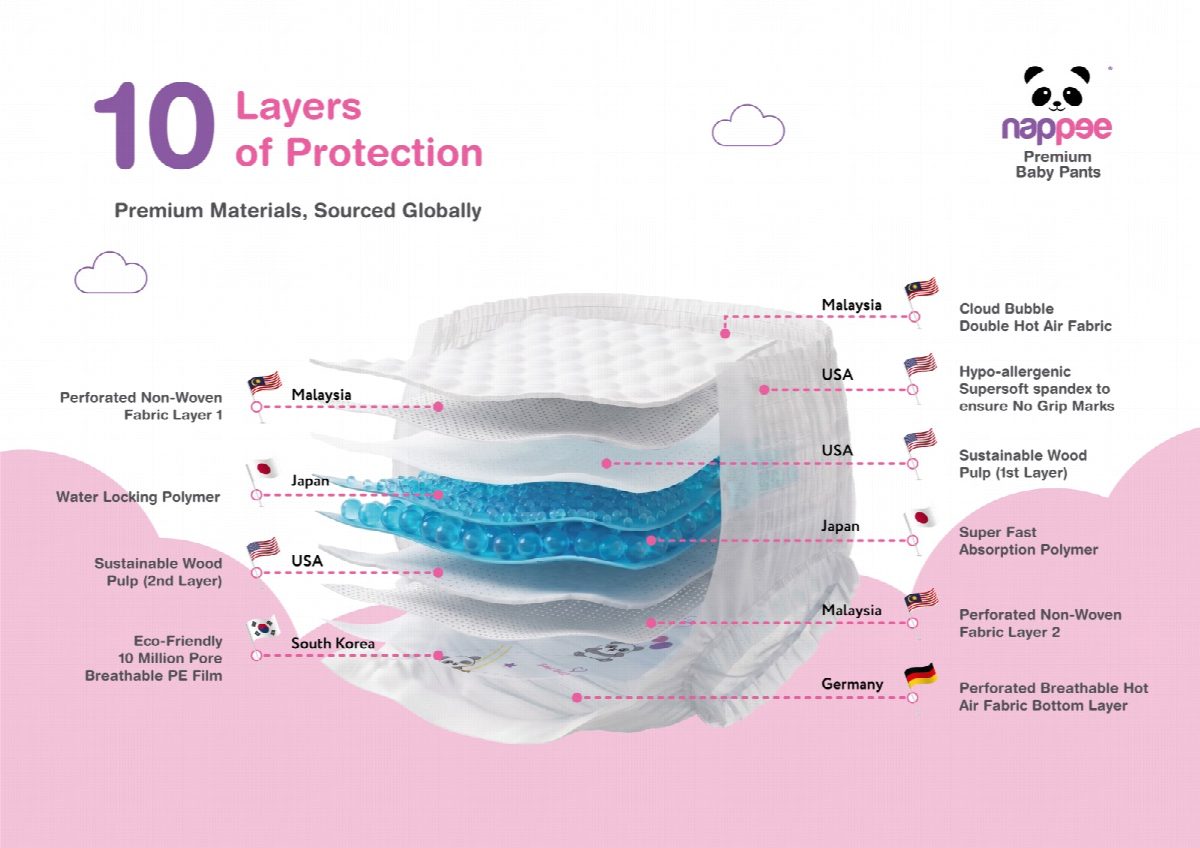
- Construction: what the brand calls "10 Layers of Protection" - including a cloud-bubble top fabric, perforated non-woven layers, two layers of wood pulp, a water-locking polymer and a fast-absorbing polymer, and a breathable film and bottom fabric.
- Clear sizing: every size carries a stated weight range, set out in NAPPEE's diaper size guide by weight.
- Transparent per-diaper pricing: each pack page lists the pack count next to the price, which makes checklist point 4 easy.
🛒 NAPPEE products in this guide
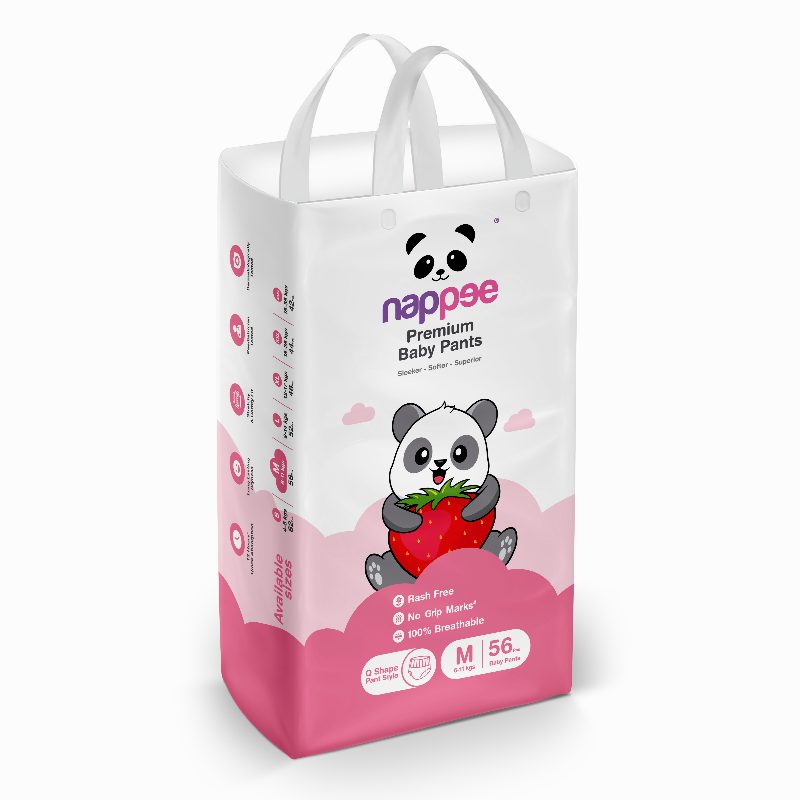

NAPPEE Imported Premium Baby Diapers - Pant Style (M, 6-11 kg), Pack of 56
- ✓ Pack of 56 · ₹21.41 per diaper
- ✓ Pull-up style for active babies
- ✓ For babies about 6-11 kg
* This is a paid partnership with NAPPEE.
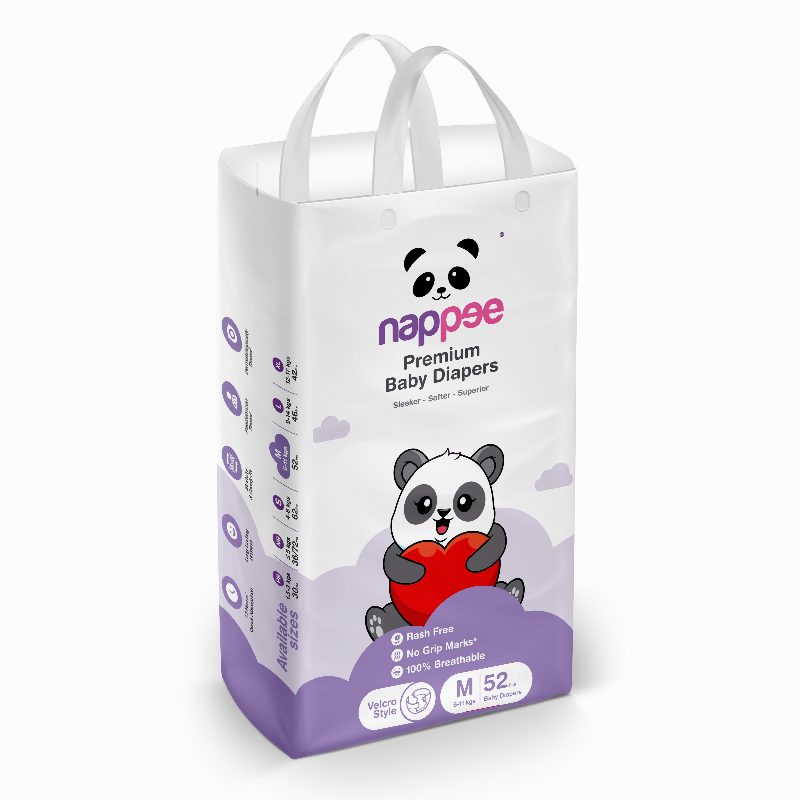
NAPPEE Imported Premium Baby Diapers - Tape & Velcro (M, 6-11 kg), Pack of 52
- ✓ Pack of 52 · ₹21.13 per diaper
- ✓ Adjustable fasteners for lying-down changes
- ✓ For babies about 6-11 kg
* This is a paid partnership with NAPPEE.
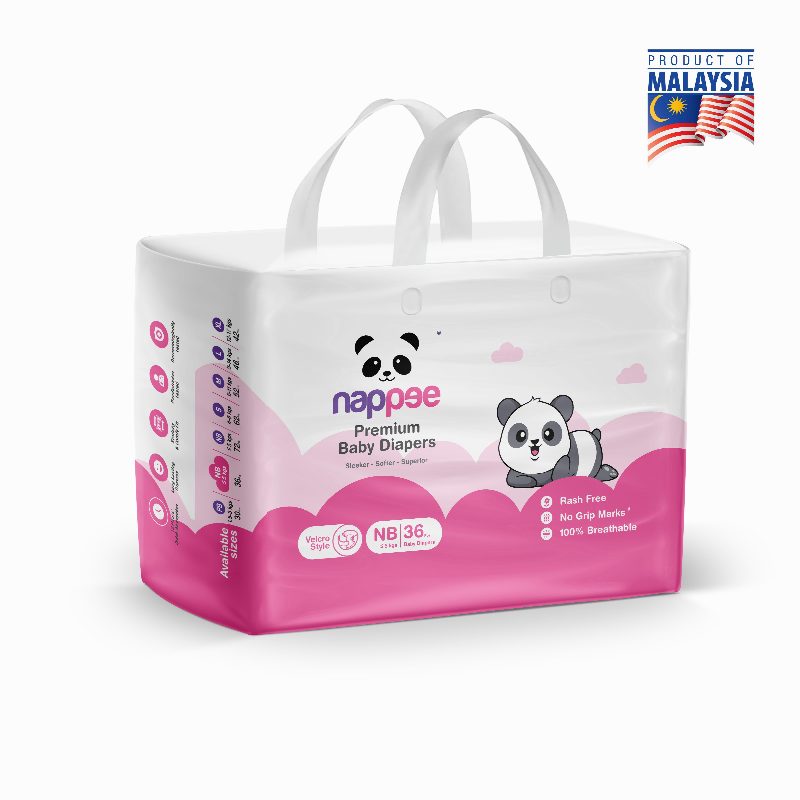
NAPPEE Imported Premium Newborn Diapers - Tape & Velcro (NB, up to 5 kg), Pack of 36
- ✓ Pack of 36 · ₹18.03 per diaper
- ✓ Sized for the first weeks
- ✓ For babies up to 5 kg
* This is a paid partnership with NAPPEE.
Daily baby tips, exclusive Amazon deals & real parent advice — free forever.
No single diaper suits every baby - the checklist matters more than the brand name. But a brand that publishes its sizes, standards and pack counts makes your assessment straightforward, and NAPPEE does all three. Common questions about its diapers are answered in NAPPEE's FAQs.
Your quick checklist before the next pack
- Right style for the stage (tape/Velcro for newborns, pants for active babies)
- Weight range checked against your baby's weight today
- Smallest pack first when trying a new brand
- Price per diaper calculated and compared
- A stated standard or certification behind the claims
Product prices shown are as listed on nappee.com on 5 October 2026 and may change. This is a sponsored educational article; Baby Junctions' independent evaluation of NAPPEE products is published separately.
Frequently Asked Questions
How long does it take to know if a new diaper brand suits my baby?
Is a more expensive diaper always better?
Should I switch sizes or switch brands if my current diaper leaks?
Daily baby tips, exclusive Amazon deals & real parent advice — free forever.