
Changing Diaper Brands? How to Compare Size Charts and Check the Fit
Sponsored by NAPPEE

This article is sponsored by NAPPEE. It is an educational guide, not an independent product review. Baby Junctions' hands-on evaluation of NAPPEE diapers is conducted separately.
Diaper size labels are not standardised across brands - a Medium in one brand can fit like a Small or a Large in another. When changing brands, ignore the letter on the pack, compare the stated weight ranges against your baby's actual weight, and then confirm the fit on your baby in the first few changes.
🛒 NAPPEE products in this guide
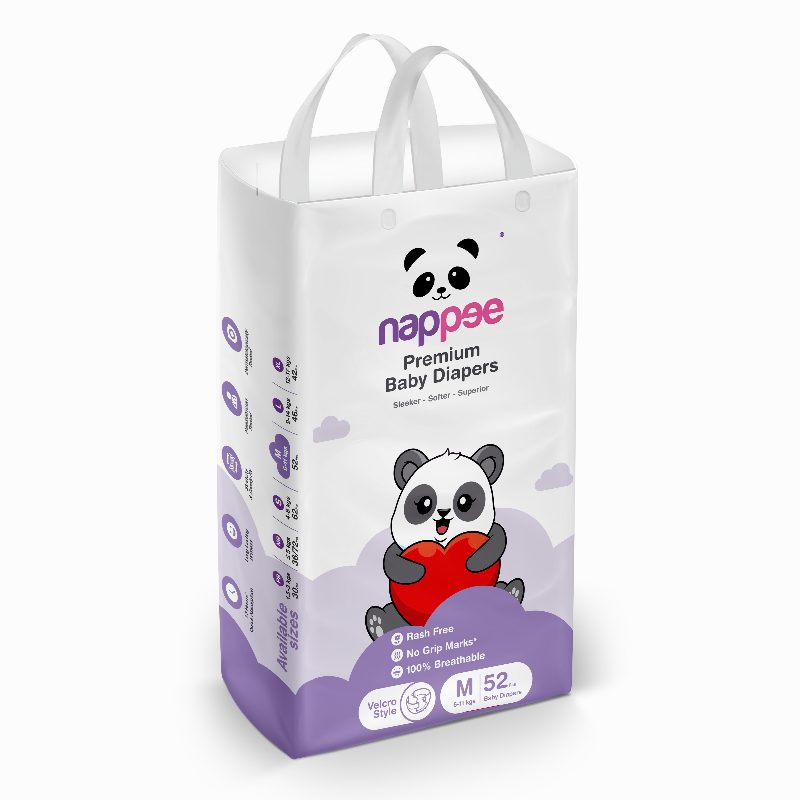

NAPPEE Imported Premium Baby Diapers - Tape & Velcro (M, 6-11 kg), Pack of 52
- ✓ Pack of 52 · ₹21.13 per diaper
- ✓ Adjustable fasteners for lying-down changes
- ✓ For babies about 6-11 kg
* This is a paid partnership with NAPPEE.
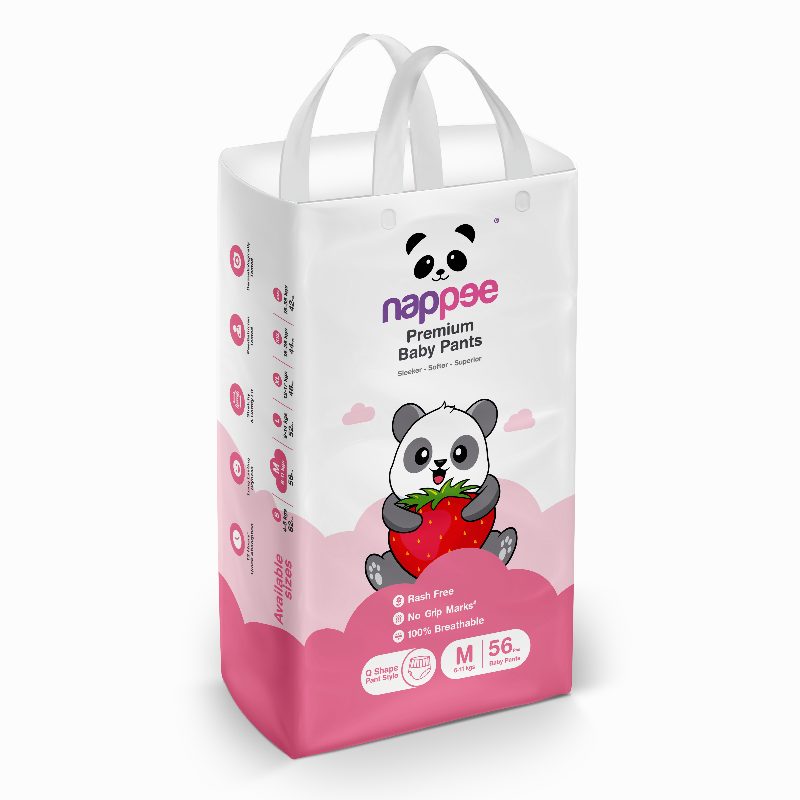
NAPPEE Imported Premium Baby Diapers - Pant Style (M, 6-11 kg), Pack of 56
- ✓ Pack of 56 · ₹21.41 per diaper
- ✓ Pull-up style for active babies
- ✓ For babies about 6-11 kg
* This is a paid partnership with NAPPEE.
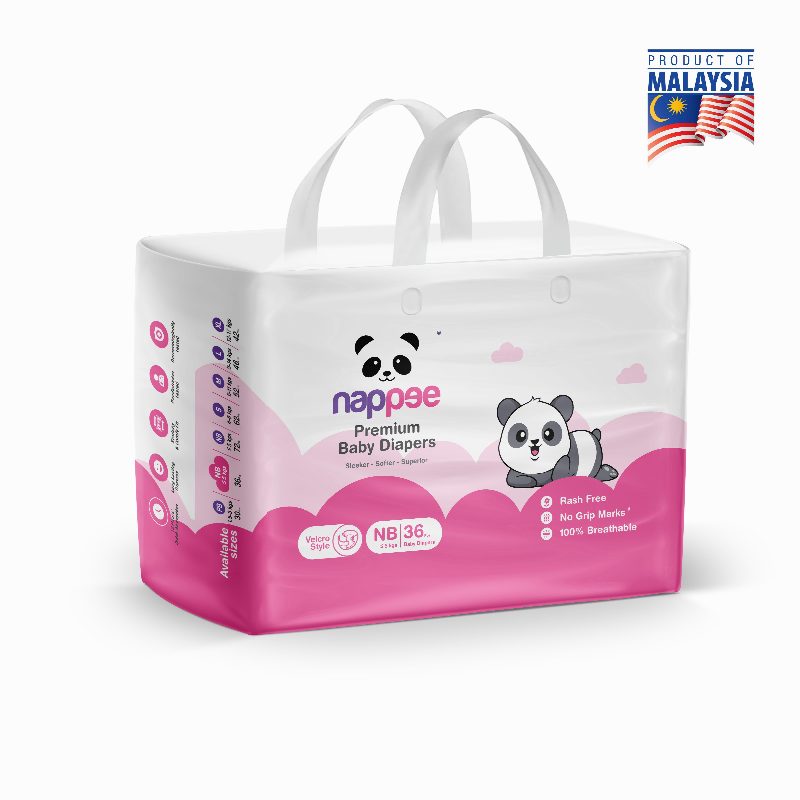
NAPPEE Imported Premium Newborn Diapers - Tape & Velcro (NB, up to 5 kg), Pack of 36
- ✓ Pack of 36 · ₹18.03 per diaper
- ✓ Sized for the first weeks
- ✓ For babies up to 5 kg
* This is a paid partnership with NAPPEE.
Daily baby tips, exclusive Amazon deals & real parent advice — free forever.
The problem: the same "size" is not the same size
Parents changing diaper brands often make one reasonable assumption: that the size they buy now is the size they should buy in the new brand. It is the single most common reason a brand switch goes wrong.
There is no shared sizing standard between diaper brands. Each manufacturer sets its own weight ranges, cut and stretch. One brand's Medium might start at 6 kg while another's starts at 7 kg; one pant-style diaper sits high on the waist while another rides lower. The letter on the pack is a label, not a measurement.
The result of a wrong guess is familiar: leaks at the legs, blowouts up the back, or red pressure marks at the waist - and parents often blame the brand's absorbency when the real issue is fit.
The solution: read the weight range, then check the fit
Step 1 - Weigh your baby. A current weight matters more than an age chart. Babies of the same age vary widely, and weight is what size charts are built on.
Step 2 - Compare weight ranges, not labels. Lay the old brand's range next to the new brand's range and find where your baby's weight actually falls. Many brands deliberately overlap their ranges - if your baby sits in an overlap, both sizes can work, and the better choice depends on build: size up for chunkier thighs, stay for leaner builds.
Step 3 - Check the fit in the first few changes.
- Waistband: you should slide two fingers under it comfortably.
- Leg cuffs: they should sit in the groin crease with no visible gap - gaps are where leaks escape.
- After removal: light elastic marks are normal; deep red marks mean the diaper is too small.
- Coverage: the waistband should sit below the navel on a newborn and cover the bottom fully on older babies.
Step 4 - Know when to size up. Frequent leaks with a snug fit, red marks, or a waistband that no longer closes comfortably are all signs - whatever the weight chart says. If the diaper keeps slipping down instead, the size may be too big for your baby's waist.
A worked example: NAPPEE's size chart
NAPPEE publishes a weight range for every size, which makes this kind of comparison easy. Here is its range as listed on nappee.com on 5 October 2026:
| Size | Weight range | Typical stage |
|---|---|---|
| Premie (PB) | up to 3 kg | Premature and very small newborns |
| Newborn (NB) | up to 5 kg | First weeks |
| Small (S) | 4-8 kg | Early months |
| Medium (M) | 6-11 kg | Rolling and sitting |
| Large (L) | 9-14 kg | Crawling |
| XL | 12-17 kg | Standing and walking |
| XXL | 15-25 kg | Toddlers |
| XXXL | 18-35 kg | Older toddlers |
Notice the overlaps - S runs 4-8 kg and M runs 6-11 kg, so a 7 kg baby could wear either. That overlap is deliberate and useful: it lets you choose by build and fit rather than forcing a jump.
Two things stand out for parents comparing brands. First, the range starts at Premie (up to 3 kg) and runs to XXXL (18-35 kg) - eight sizes, wider than most brands sold in India, so there is less chance of your baby falling between sizes. Second, NAPPEE offers both tape/Velcro and pant styles, so you can match the style to the stage: tape for lying-down newborn changes (such as NAPPEE's newborn tape diapers), pants once your baby is on the move.
The full size chart, current packs and prices are on nappee.com, and the brand's own advice is in NAPPEE's diaper size guide by weight.
Pant vs tape: fit works differently
Tape/Velcro diapers fasten at the sides, so you control the tightness - ideal for newborns and for fine-tuning fit between sizes. Pant-style diapers pull on like underwear and rely on elastic, so the weight range matters more and a too-loose pant cannot be adjusted. When in doubt with pants, fit-check at the legs: gaps there are the most common leak path. NAPPEE compares the two styles in its guide to pant vs tape diapers.
Sizes, weight ranges and prices are as listed on nappee.com on 5 October 2026 and may be updated by the brand. This is a sponsored educational article; Baby Junctions' independent evaluation of NAPPEE products is published separately.
Frequently Asked Questions
My baby is between two sizes on the chart. Which do I pick?
Do weight ranges differ that much between brands?
Should I switch to pant style as soon as my baby crawls?
Daily baby tips, exclusive Amazon deals & real parent advice — free forever.