
Self-Care Activities for 1–2 Year Olds: Build Independence at Home

⚡ In a hurry? Our quick picks
Teach self-care to 1–2 year olds by letting them hold a steel katori, drink from a handled glass, wipe their face after eating, and put dirty clothes in a basket. These four household-based self-care activities 1–2 year old at home build hand-eye coordination and early autonomy without buying anything new.
Most parents of toddlers between 1 and 2 years old feel the pressure to 'teach' their child everything. But here's what India's National Education Policy (NEP 2020) foundational stage emphasizes: real learning happens through everyday living. When your toddler holds a steel katori at lunch, or watches you wipe their mouth after a meal, they're not just eating—they're observing, imitating, and building the nervous system patterns they need for independence.
🏆 Quick comparison: our top picks
| Product | Award | Rating | Price | |
|---|---|---|---|---|
 Organic Cotton Muslin Baby Cloth Wipes (Pack of 6) Organic Cotton Muslin Baby Cloth Wipes (Pack of 6)
|
🏆 Editor's Choice | ★ 4.5 1,203 reviews |
₹549 | Check price → |
 Baby-Safe Feeding Spoon with Soft Silicone Tip (2-Pack) Baby-Safe Feeding Spoon with Soft Silicone Tip (2-Pack)
|
💰 Best Value | ★ 4.4 687 reviews |
₹84 | Check price → |
 Wooden Step Stool for Kids (Low Height, 20cm) Wooden Step Stool for Kids (Low Height, 20cm)
|
👑 Premium Pick | ★ 4.3 512 reviews |
₹645 | Check price → |
 Stainless Steel Baby Feeding Set with Silicone Grip Handles Stainless Steel Baby Feeding Set with Silicone Grip Handles
|
🪙 Budget Pick | ★ 4.2 856 reviews |
₹299 | Check price → |
🛒 Our Top Picks
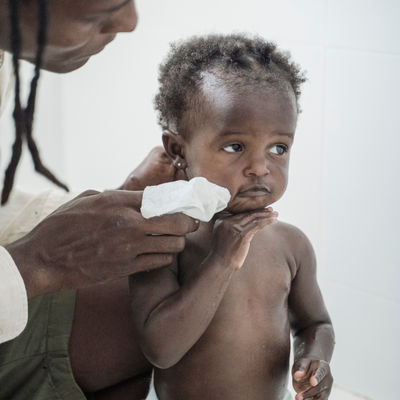
Best-reviewed overall, 4.5★ across 1,203 ratings.
Organic Cotton Muslin Baby Cloth Wipes (Pack of 6)
- ✓ Why it fits: Soft, washable cloths perfect for the face-wiping activity; toddlers can hold and attempt wiping with gentle guidance
- ✓ 100% organic cotton, no synthetic dyes or chemicals
- ✓ Machine washable and reusable for 100+ washes
* We earn a small commission — at no extra cost to you.

Top rating for the price, 4.4★ at ₹84.
Baby-Safe Feeding Spoon with Soft Silicone Tip (2-Pack)
- ✓ Why it fits: Soft edges and ergonomic grip make it safe for toddlers learning to hold utensils during the katori-holding activity
- ✓ BPA-free silicone, easy-grip handle for small hands
- ✓ Dishwasher safe; comes in 2 pieces
* We earn a small commission — at no extra cost to you.
Top of the range, for parents who want the best features.
Wooden Step Stool for Kids (Low Height, 20cm)
- ✓ Why it fits: Allows toddlers safe access to bathroom sinks for wiping routines; low height (20cm) designed for 12–24 month olds
- ✓ Solid wooden construction with non-slip base
- ✓ Lightweight and portable; supports toddlers up to 30kg
* We earn a small commission — at no extra cost to you.
Lowest price that still clears our 3.8★ / 100-review bar.
Stainless Steel Baby Feeding Set with Silicone Grip Handles
- ✓ Why it fits: Silicone-grip handles make it easier for small hands to hold during the katori-holding and cup-drinking activities in this guide
- ✓ Stainless steel construction, rust-proof and durable
- ✓ Set includes small tumbler, bowl, and spoon; BIS certified for food safety
* We earn a small commission — at no extra cost to you.
Daily baby tips, exclusive Amazon deals & real parent advice — free forever.
The question isn't 'what fancy activities should I buy?' It's 'what am I already doing that my child can safely join?' This guide walks you through four self-care activities rooted in what happens naturally in Indian homes: mealtimes, getting clean, and tidying up. Each takes minutes. Each uses things you already own. Each builds a real skill your child will use for the rest of their life.
What's Happening at This Age
Between 12 and 24 months, your toddler's hand muscles are waking up fast. They can't yet coordinate a spoon perfectly, or grip a cup without spilling, but they can try—and that trying is where the learning lives. According to WHO child development standards, toddlers this age are entering what experts call the "self-feeding phase," where watching and imitating adult hand movements becomes their primary learning method.
At the same time, their brain is making new connections about cause and effect: when I hold the katori, food stays in it. When I tip the cup, water spills. When I wipe my face, it feels cleaner. These aren't abstract lessons—they're discoveries made through real, messy repetition. The goal isn't perfection. The goal is participation.
Try This at Home
Activity 1: Holding and Eating from a Steel Katori
You need: One small stainless steel katori (the one you use for dal or rice), a soft spoon or your finger, and food your child already likes—dal, rice, even a small piece of roti.
How: Sit beside your child at mealtimes. Put the katori in front of them (not directly in their hands yet—just within reach). Put a small amount of soft food in it. Let them watch you lift it to your mouth and eat a spoonful. Then gently guide their hand to the rim of the katori. Let them touch it, tip it slightly, maybe bring it to their mouth. Don't expect them to eat from it—just to notice it exists and belongs to them.
What it builds: Hand-eye coordination, ownership of mealtime, early self-feeding confidence, and understanding that containers hold food.
Easier / Harder: Start with you holding the katori steady while they grip the rim. Once they're comfortable, let them hold it with both hands (it'll tip and spill—that's okay). For a harder version, after 18 months, place a blunt spoon in their hand while they hold the katori.
Activity 2: Drinking from an Open Glass with Two Handles
You need: A small stainless steel tumbler or a regular drinking glass, water (or diluted milk/juice), and a cloth nearby for spills.
How: Fill the glass about one-third full so it's light and manageable. Place it in front of your child. Show them how you drink: bring the glass to your lips, tilt slightly, sip, and put it down. Now guide their hands to hold both sides of the glass. Lift it toward their mouth together—your hands on top, theirs underneath. Let them feel the weight and the movement. Even if they just wet their lips, that's a success.
What it builds: Gross motor control in the shoulders and arms, understanding of liquid behavior, and the beginning of independent drinking.
Easier / Harder: Use a very light, small glass at first (easier). If they're confident by 20 months, try a glass with a narrower mouth so they have to aim more carefully (harder). Always supervise closely.
Activity 3: Wiping Their Face and Hands with a Muslin Cloth After Eating
You need: A soft muslin cloth or an old cotton dupatta, water, and mealtimes.
How: After every meal, wet a corner of the cloth with warm water. Wipe your own face first—exaggerate the motion so your child watches. Then gently wipe their hands, then their face. Soon, offer them the corner of the cloth and guide their hand to wipe their own mouth or hands. Don't make it perfect—a smear counts as a win.
What it builds: Body awareness, understanding of cleanliness routines, and fine motor control in the wrists and fingers.
Easier / Harder: Start with you doing all the wiping while narrating: "Wipe, wipe, clean hands." By 18 months, place the cloth in their hand and guide it. By 24 months, ask them to wipe and watch them try independently, even if it's messy.
Activity 4: Putting Dirty Clothes in a Designated Basket
You need: One small woven basket or plastic bin, placed low on the floor in the bedroom or bathroom, and dirty clothes from everyday changes.
How: Point to the basket and say, "This is where clothes go." During diaper changes or clothing swaps, hand your child their dirty shirt or pants and guide their hands to drop it into the basket. Make it a small game: "In it goes!" Celebrate when they do it, even partially. Do this every time clothes come off, so the routine becomes automatic.
What it builds: Understanding of tidiness, coordination of dropping objects into containers, and the foundation for later chores and responsibility.
Easier / Harder: Make the basket very accessible—on the floor, within arm's reach. For older toddlers approaching 2, use a smaller bin so they have to aim more precisely, building focus and control.
What 'Getting It' Looks Like
You'll know these skills are taking root when you notice your child reaching for the katori during mealtimes without being asked, or attempting to lift a cup even though they spill most of it. Around 18–20 months, many toddlers start wiping their own mouth with a cloth if they see you do it first—it might be a random swipe, but it shows they're watching and imitating. The clothes basket becomes a favorite destination: children this age love putting things in containers. These aren't perfect performances. They're small, messy, joyful attempts at independence.
When to Move On, and When to Ask
By 24 months, most children can hold a katori for a few seconds and attempt to bring a cup to their mouth with minimal spillage. If your child shows no interest in any of these activities by 22 months, or if they refuse to touch food or water containers after repeated gentle exposure, mention it during your next pediatric checkup. India's Academy of Pediatrics recommends that toddlers aged 18–24 months show emerging interest in self-feeding routines; if there's genuine resistance or developmental delay, your pediatrician can offer guidance specific to your child.
If You're Homeschooling
These four self-care activities fit naturally into a weekly rhythm. Practice Activity 1 (katori holding) at lunch three times a week. Activity 2 (cup drinking) at meals daily. Activity 3 (wiping) after every meal. Activity 4 (clothes basket) during morning and evening dressing routines. No separate "lesson time" needed—these are life rhythms, and the learning happens inside them.
What Helps at Home (Optional)
Every activity above works beautifully with things already in your home. However, if you find your child responds well to these routines and you'd like to deepen them, a few thoughtfully chosen items can help: a small stainless steel tumbler with silicone grip handles (easier to hold), a baby-safe spoon with soft edges, a washable bib that's easy for them to notice they're wearing, and a low wooden step stool for bathroom reach during wiping routines. None of these are necessary—but if your child is showing real interest in self-care, they can make the practice a little easier and safer.
What Paediatricians Say
The Indian Academy of Pediatrics emphasizes that self-care routines between 12–24 months are not about teaching obedience—they're about building neural pathways for independence and body awareness. Pediatricians often recommend that parents practice these activities daily, in the context of normal routines, rather than as separate "lessons." Early exposure to holding utensils and participating in mealtimes is linked to better fine motor development by age 3.
📚 Reviewed against
This guide was checked against the sources below. It is general parenting guidance, not medical advice — for any concern about your child's development, talk to your paediatrician.
- National Education Policy 2020 (NEP) — Foundational Stage Guidelines — NEP 2020 emphasizes real-world learning and autonomy during the foundational stage (ages 3–8), including self-care routines.
- WHO Child Development Standards: Developmental Milestones 12–24 Months — WHO guidelines on motor and cognitive milestones in toddlerhood; self-feeding emerges in this period.
- Indian Academy of Pediatrics (IAP) — Early Childhood Development Position Statement — IAP recommends daily self-care routines as foundational to fine and gross motor development in toddlers aged 1–2 years.
- BIS Standards for Children's Feeding Equipment (IS 9873) — Indian Bureau of Standards certification for child-safe feeding vessels and utensils.
Last reviewed 05 Oct 2026
Frequently Asked Questions
What are some fun self-care activities for 1 to 2 year olds?
Can a 1 year old use a cup or spoon?
Is it safe to let my toddler hold a steel cup or katori?
How do I teach my 1.5 year old to wipe their face?
What if my toddler refuses these activities?
How often should I practice self-care activities with my 1–2 year old?
Daily baby tips, exclusive Amazon deals & real parent advice — free forever.