
Room Heater Safety for Babies India 2026: Winter Hazards & Safe Distance Guide
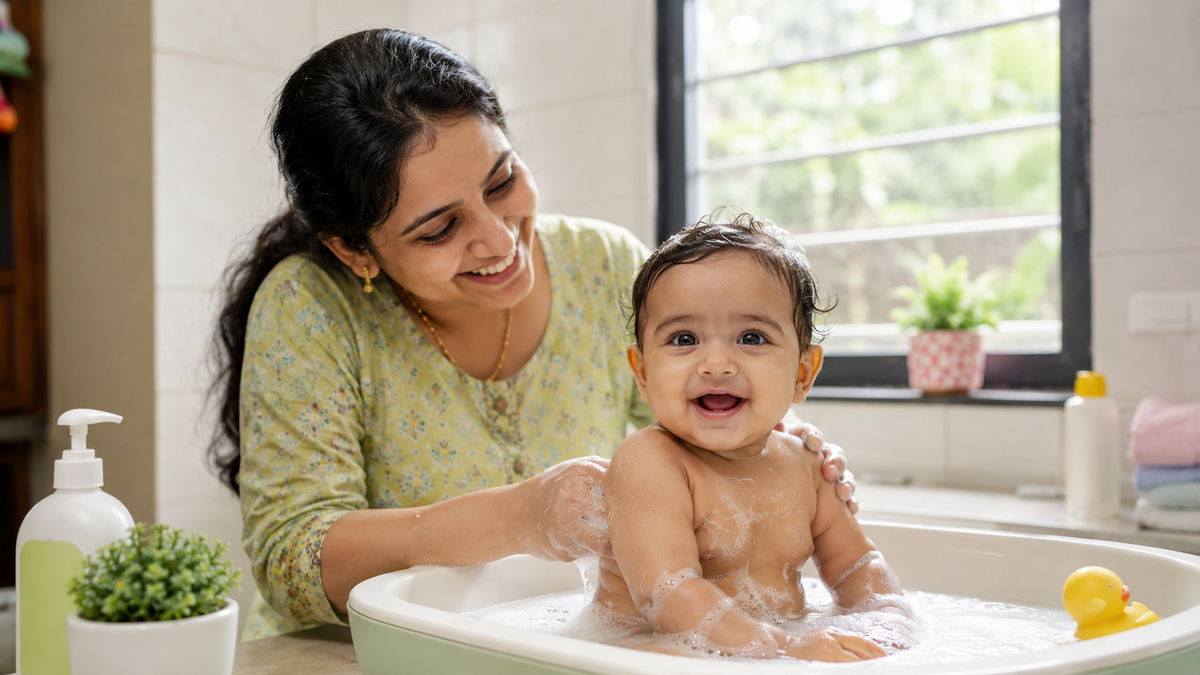
Oil-filled radiators are safer than blower heaters for babies because they heat slowly and have no moving parts. Keep any heater at least 3 feet from your crawling baby, never use traditional sigris or angithis indoors, fit a CO alarm (Rs. 1,800), and use a heater guard (Rs. 700) to prevent contact burns.
⚡ In a hurry? Our quick picks
As temperatures drop, most Indian homes bring out heaters—but many parents don't realise how quickly a cosy room can become a hazard for crawling babies and toddlers. From contact burns to oxygen depletion to carbon monoxide poisoning, the risks are real and often silent. This guide walks you through the four main winter heating hazards, how to spot them, and which heaters are genuinely safer for your home.
🏆 Quick comparison: our top picks
| Product | Award | Price | |
|---|---|---|---|
 Orpat Oil-Filled Radiator Heater |
👑 Premium Pick | ₹9,149 | Check price → |
 Ezyoutdoor Carbon Monoxide Detector Alarm |
🪙 Budget Pick | ₹669 | Check price → |
 Safety 1st Baby Heater Guard Rail |
₹1,499 | Check price → |
🛒 Our Top Picks

The highest-priced option in this guide.
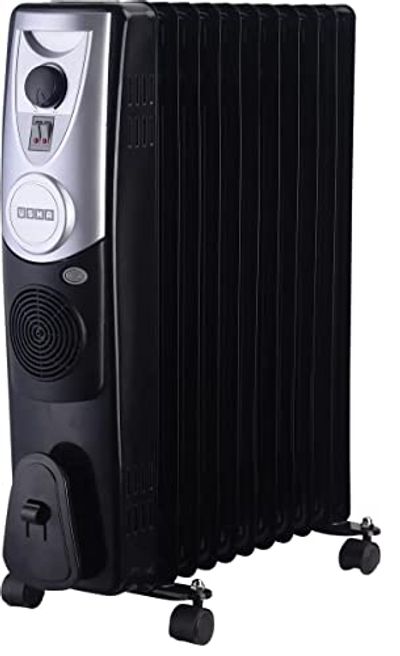
Orpat Oil-Filled Radiator Heater
- ✓ 11-fin oil-filled radiator
- ✓ Thermostat dial for temperature control
- ✓ Surface temperature 65–75°C (slower heating than blower heaters)
* We earn a small commission — at no extra cost to you.
The lowest-priced option in this guide.
Ezyoutdoor Carbon Monoxide Detector Alarm
- ✓ Battery-operated, wall-mountable
- ✓ Alerts at CO levels above 35 ppm
- ✓ Covers rooms up to 400 sq ft
* We earn a small commission — at no extra cost to you.
Safety 1st Baby Heater Guard Rail
- ✓ Freestanding mesh barrier
- ✓ Fits most portable heaters up to 24 inches wide
- ✓ Prevents contact burns from heater surface
* We earn a small commission — at no extra cost to you.
Daily baby tips, exclusive Amazon deals & real parent advice — free forever.
What the Evidence Actually Shows
The Indian Academy of Pediatrics (IAP) does not publish a dedicated heater safety guideline, but IAP's general injury prevention advice emphasises that contact hazards—anything hotter than 50°C—cause full-thickness burns on baby skin within 3 seconds. Most room heaters reach 60–80°C on their surface. This is not theoretical: most heater burns happen when a baby or toddler touches the device while the parent is distracted, not when the heater malfunctions.
Beyond burns, two invisible hazards matter more in winter: oxygen depletion and carbon monoxide (CO) buildup. Both happen in sealed rooms with certain heater types. Understanding which heaters create these risks, and which don't, is the first step to safe winter heating.
Heater Type 1: Oil-Filled Radiators (Safer Choice)
Oil-filled radiators: electric heaters filled with mineral oil that warm up slowly and hold heat long after you turn them off. They have no open flame, no moving parts, and do not consume oxygen in the room. Surface temperature is usually 65–75°C—still hot enough to burn, but slower to reach peak heat than blower models.
Why safer for babies: no noise to startle, no air circulation to dry skin, no fast heating spikes. Examples available on Amazon.in include the Orpat Oil-Filled Radiator (around Rs. 5,500) and similar models from Usha and Bajaj. These heaters come with a thermostat dial, so you can set them to run at a lower temperature—a simple way to reduce burn risk.
Heater Type 2: Blower (Fan) Heaters (Higher Risk)
Blower heaters: fan-driven heaters that push hot air into the room. They heat fast (surface temperature 70–90°C), cool down fast, and circulate air—which dries mucous membranes and can trigger cold-like symptoms in babies. More importantly, the moving parts create noise and air turbulence that can startle an infant or toddler into touching the grill.
Additional concern: blower heaters use oxygen from the room. In a fully sealed bedroom, prolonged use can lower oxygen levels—especially in spaces smaller than 120 square feet, common in Indian urban apartments. A baby sleeping in such a room for hours may experience mild hypoxia (low blood oxygen) without you noticing.
Burn and Contact Risk: Safe Distances
No matter which heater you use, physical distance is your primary defence. A crawling baby moves fast and explores by touch.
- Minimum safe distance: 3 feet (roughly 1 metre) from any heater in active use. This is the distance at which a baby's skin will not experience a contact burn if they touch the heater for up to 5 seconds—the time it typically takes a parent to react and pull the child away.
- Use a heater guard: a safety barrier (Rs. 700–1,200 on Amazon.in) that creates a physical wall around the heater. Look for guards with wide mesh that allow heat to escape but prevent small fingers from reaching the heater body.
- Never place a heater near the crib, play mat, or crawling zone. A 10-month-old can roll or lunge unpredictably.
- Thermostat setting: if your heater has a dial, set it to 60°C or lower rather than maximum. Slower heating = lower surface temperature = less severe burns if contact happens.
Oxygen Depletion and Carbon Monoxide Risk
Sigris and angithis (traditional clay or metal heaters with charcoal or wood burning inside) are common in many Indian homes during winter. They are unsafe indoors with a baby, especially in sealed rooms. Here's why:
- Oxygen consumption: a burning charcoal sigri consumes oxygen at a rate of 0.5–1 litre per minute. In a 10-by-12-foot bedroom (120 sq ft) sealed overnight, oxygen levels can drop from 21% to 16–17% within 6–8 hours. A baby's brain is more sensitive to hypoxia than an adult's; even mild oxygen drops can disrupt sleep patterns and stress the heart.
- Carbon monoxide production: incomplete combustion from a sigri or angithi produces CO. Without ventilation, CO accumulates silently and odourlessly. WHO defines a safe CO level indoors as below 10 ppm (parts per million); a sigri in a sealed room can reach 30–60 ppm within 2 hours.
- Verdict: Do not use sigris or angithis indoors if a baby sleeps in the house, even in adjacent rooms. Use them only in fully open-air spaces (courtyard, balcony with all sides open).
Carbon Monoxide Alarm: A Critical Safety Device
If you live in a home where a sigri, angithi, or unvented gas heater may be used by other family members (grandparents, household help), install a CO alarm. A battery-operated model costs Rs. 1,800–2,500 on Amazon.in and plugs into any wall outlet or runs on batteries. It will alert you if CO levels rise above 35 ppm—well before dangerous levels.
Place the alarm in the baby's bedroom or the room where the heater is most often used. Test it monthly and replace batteries every 6 months.
Geyser Gas Leaks in Bathrooms
Many Indian bathrooms have instant gas geysers mounted on the wall. A leaking geyser in a sealed bathroom can produce CO and deplete oxygen. Signs include a rotten-egg or metallic smell, a slow hissing sound, or visible corrosion around the geyser's base.
Safe practice: never leave a baby alone in a closed bathroom while a geyser is running. Always crack the bathroom door or window open to allow ventilation. Have the geyser serviced annually and check rubber seals for cracks. If you suspect a leak, turn off the geyser, leave the room, and call a technician—do not attempt a repair yourself.
Extension Cord and Electrical Overload
Room heaters draw 1,500–2,000 watts. Plugging one into an extension cord rated for 1,000 watts, or daisy-chaining multiple heaters or high-load devices onto one cord, causes overheating and fire risk.
- Plug the heater directly into a wall outlet, not an extension cord or power strip.
- If you must use an extension cord, ensure it is rated for at least 2,500 watts (13 amp rating in India).
- Do not run other high-load devices (oven, washing machine, AC) on the same circuit while the heater is on.
- Keep the cord away from foot traffic and do not run it under rugs or bedding—friction and heat can damage insulation.
Wearing Layers: A Low-Risk Alternative
For many Indian homes, a full room heater is not necessary. Instead, dress your baby in layers: thermal innerwear under a full-sleeve cotton shirt and lightweight wool cardigan or fleece. Use a warm sleeping bag or quilt rated for cold climates. This approach avoids heater hazards entirely and allows you to adjust warmth without switching devices on and off.
For newborns and infants under 6 months, layering is safer than relying on a heater, which can cause overheating and increase SIDS (Sudden Infant Death Syndrome) risk if the baby's head becomes covered. Keep the room at a comfortable 18–20°C with adequate ventilation, rather than forcing it to 25°C with a heater running all night.
What IAP and WHO Guidance Says
IAP: Injury prevention in infants focuses on keeping objects hotter than 50°C away from contact reach. WHO: Safe indoor CO levels remain below 10 ppm; indoor air should be ventilated to prevent oxygen depletion. Both bodies recommend removing open-flame heaters from rooms where infants sleep.
When to See a Doctor
Seek immediate medical attention if your baby: has difficulty breathing or unusual lethargy after heater use; develops a rash or blistering on skin after contact with a heater; or shows signs of carbon monoxide poisoning (headache, dizziness, nausea—though babies cannot report these, watch for poor feeding, unusual sleepiness, or difficulty waking). This is general information, not medical advice.
📚 Sources
The guidance in this article draws on the sources below. It is general information, not medical advice: for any concern about your child's health, talk to your paediatrician.
- Indian Academy of Pediatrics – Injury Prevention Guidelines — Contact burn temperatures and safe distance recommendations for household appliances near infants
- WHO – Indoor Air Quality and Household Heating Safety — Safe CO levels indoors and oxygen depletion risks from combustion heaters
- BIS IS 302-1: Safety of Electrical Appliances – Heaters — Indian safety standards for room heater surface temperatures and electrical specifications
Last updated 08 Nov 2026
Frequently Asked Questions
Is an oil-filled heater safe for a baby's room?
Can I use a sigri or angithi in a sealed room with my baby?
What is a safe room temperature for a sleeping baby in winter?
How do I know if my baby is being exposed to carbon monoxide?
What should I do if my baby touches a hot heater?
Is it safe to plug a room heater into an extension cord?
Daily baby tips, exclusive Amazon deals & real parent advice — free forever.