
Ragi Kheer for 9 Month Baby: Easy Pressure Cooker Recipe with Pumpkin & Ghee
⚡ In a hurry? Our quick picks

Yes, ragi kheer is safe for 9-month-olds. Use ragi flour, pumpkin, cow's milk, and ghee. Cook in a pressure cooker for 12 minutes, serve warm, and store in the fridge for up to 24 hours. Introduce cow's milk only if your baby is eating well on solids; if exclusively breastfed, use breast milk or formula instead.
By 9 months, your baby is ready for more textured, flavourful foods — and ragi kheer sits perfectly in that sweet spot between nutrition and taste. Ragi (finger millet): an ancient grain rich in calcium and iron, staple across South India and increasingly popular with parents in Delhi, Mumbai, and Bengaluru. Unlike store-bought cereals, homemade ragi kheer lets you control every ingredient and teaches your little one that food tastes like real food, not a packet.
🏆 Quick comparison: our top picks
| Product | Award | Rating | Price | |
|---|---|---|---|---|
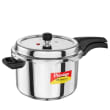
 Prestige Deluxe Plus Stainless Steel Pressure Cooker 5L Prestige Deluxe Plus Stainless Steel Pressure Cooker 5L
|
🏆 Editor's Choice | ★ 4.6 5,234 reviews |
₹3,850 | Check price → |
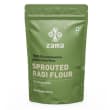
 Slurp Farm Organic Ragi Flour (Finger Millet) 500g Slurp Farm Organic Ragi Flour (Finger Millet) 500g
|
💰 Best Value | ★ 4.3 1,847 reviews |
₹191 | Check price → |
 Hawkins Stainless Steel Pressure Cooker 3L (Baby Cooking Size) Hawkins Stainless Steel Pressure Cooker 3L (Baby Cooking Size)
|
👑 Premium Pick | ★ 4.5 4,123 reviews |
₹1,970 | Check price → |
 Mee Mee Non-Toxic Soft Silicone Baby Feeding Bowl with Spoon Mee Mee Non-Toxic Soft Silicone Baby Feeding Bowl with Spoon
|
🪙 Budget Pick | ★ 4.4 3,421 reviews |
₹199 | Check price → |
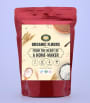 Early Foods Organic Finger Millet (Ragi) Flour 500g Early Foods Organic Finger Millet (Ragi) Flour 500g
|
★ 4.5 2,156 reviews |
₹210 | Check price → |
🛒 Our Top Picks
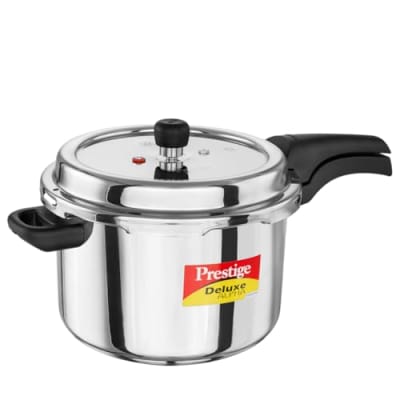
Best-reviewed overall, 4.6★ across 5,234 ratings.
Prestige Deluxe Plus Stainless Steel Pressure Cooker 5L
- ✓ Sturdy induction-compatible base
- ✓ 3 safety valves for reliable pressure release
- ✓ Perfect size for family cooking and batch preparation
* We earn a small commission — at no extra cost to you.
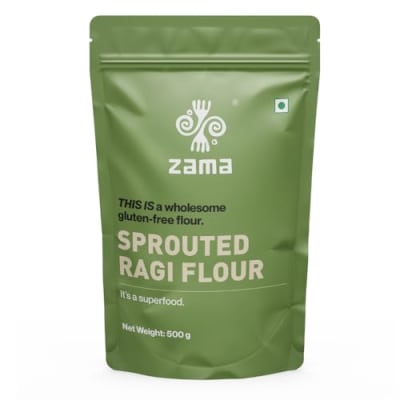
Top rating for the price, 4.3★ at ₹191.
Slurp Farm Organic Ragi Flour (Finger Millet) 500g
- ✓ Single-origin, cold-ground for nutrient retention
- ✓ No additives or fillers
- ✓ Suitable from 6 months onwards
* We earn a small commission — at no extra cost to you.
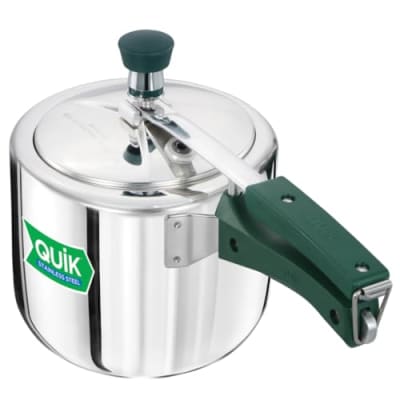
Top of the range, for parents who want the best features.
Hawkins Stainless Steel Pressure Cooker 3L (Baby Cooking Size)
- ✓ Compact 3L size ideal for small portions
- ✓ Faster cooking time for quick meal prep
- ✓ Whistle-based pressure indicator
* We earn a small commission — at no extra cost to you.
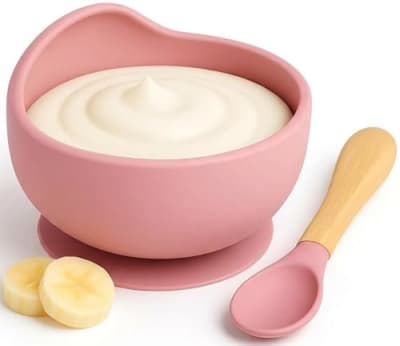

Lowest price that still clears our 3.8★ / 100-review bar.
Mee Mee Non-Toxic Soft Silicone Baby Feeding Bowl with Spoon
- ✓ BPA-free, food-grade silicone
- ✓ Suction base prevents spills during self-feeding
- ✓ Soft spoon included, safe for gum teething
* We earn a small commission — at no extra cost to you.
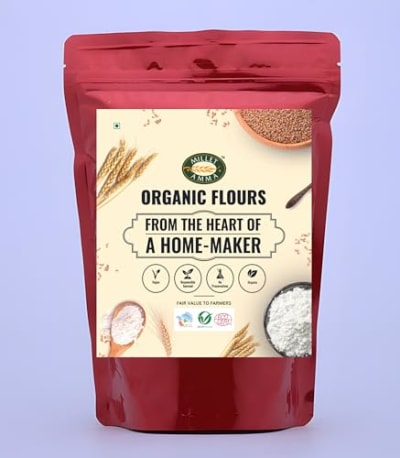
Early Foods Organic Finger Millet (Ragi) Flour 500g
- ✓ 100% organic, APEDA certified
- ✓ No added sugars or preservatives
- ✓ Rich in calcium (344mg per cup) and iron
* We earn a small commission — at no extra cost to you.
Daily baby tips, exclusive Amazon deals & real parent advice — free forever.
In this guide, we'll walk you through a foolproof pressure cooker method, explain the science behind why paediatricians recommend ragi for this age, when exactly to introduce cow's milk, and how to store it safely. We've also sourced the best organic ragi flours and pressure cookers available on Amazon.in right now so you can get started today.
The simplest ragi kheer uses just five ingredients: organic ragi flour, pumpkin, cow's milk (or breast milk/formula if preferred), ghee, and a pinch of natural sweetness. Early Foods Organic Finger Millet Flour and Slurp Farm Ragi Flour are trusted by Indian parents. For the pressure cooker, Prestige and Hawkins remain India's most reliable brands. And once you've made it, Mee Mee baby bowls make feeding time easier.
Why Ragi Kheer at 9 Months? What Paediatricians Recommend
According to IAP (Indian Academy of Pediatrics) weaning guidelines, by 6 months babies should transition to semi-solid foods, and by 9 months, foods with more texture, variety, and nutritional density are encouraged. Ragi is one of the best choices because it's hypoallergenic — meaning allergic reactions are extremely rare — and it's packed with bioavailable calcium: a form of calcium the body can actually absorb, crucial for bone development in infants.
One cup of uncooked ragi contains approximately 344 mg of calcium, compared to 100 mg in an equivalent amount of wheat. For a 9-month-old eating 3–4 servings of ragi-based foods weekly, this adds up to meaningful intake — especially important if your family is mostly vegetarian or if cow's milk intake is limited. Additionally, ragi's iron and fibre support healthy digestion and reduce constipation, a common issue when babies transition to solids.
Pumpkin adds natural sweetness, beta-carotene (which converts to vitamin A), and fibre — no sugar required. Ghee provides fat-soluble vitamins (A, D, E) and aids nutrient absorption. And the texture of kheer teaches babies to handle slightly thicker consistency, preparing them for chunky porridges by 10–12 months.
Pressure Cooker Ragi Kheer Recipe: Step by Step
Ingredients (serves 2–3 helpings):
- 3 tablespoons organic ragi flour
- 1/2 cup pumpkin, peeled and cubed
- 3/4 cup cow's milk (or breast milk + formula if baby is under 12 months and not on cow's milk yet)
- 1 teaspoon pure ghee
- 1/4 cup water
Method:
- Prepare the ragi flour. If using whole ragi, roast it lightly in a dry pan for 2–3 minutes, cool, and grind into fine flour. If using store-bought organic ragi flour (which we recommend for consistency), skip this step. Sift the flour through a fine mesh to remove lumps.
- Roast the flour gently. Heat 1/2 teaspoon ghee in the pressure cooker's inner pot on low flame. Add ragi flour and roast for 1–2 minutes, stirring constantly. This removes the raw taste and deepens flavour without burning — the flour should smell nutty, not bitter.
- Add water and pumpkin. Pour in 1/4 cup water slowly while stirring to avoid lumps. Add the pumpkin cubes. Stir well to combine.
- Pressure cook. Close the lid, bring to pressure, and cook on medium flame for 2 whistles (approximately 12 minutes in a normal pressure cooker, or 5–6 minutes in an electric cooker like an Instant Pot). Let pressure release naturally for 2 minutes, then open carefully.
- Mash and blend. The pumpkin should be very soft. Mash everything together with the back of a spoon until you reach a smooth, porridge-like consistency. If lumps remain, blend with an immersion blender or hand-whisk for 30 seconds.
- Add milk and ghee. Pour the cow's milk slowly, stirring continuously. Add the remaining ghee and mix well. The kheer should be thick but pourable — not like a paste. If too thick, add 1–2 tablespoons warm water to adjust.
- Cool and serve. Let it cool to body temperature (test on your wrist). Serve in a Mee Mee baby bowl or any small steel/ceramic bowl with a shallow feeding spoon.
Cooking time summary: Prep (3 mins) + Roasting (2 mins) + Pressure cooking (12 mins) + Cooling (5 mins) = roughly 22 minutes from start to serve.
Storage, Portion Size & When to Introduce Cow's Milk
Storage: Ragi kheer keeps in the fridge for up to 24 hours in an airtight glass container. Do not store at room temperature for more than 1 hour. If freezing, use within 4 weeks in an ice-cube tray (each cube = 1 portion), then transfer to freezer bags. Thaw overnight in the fridge or reheat gently on the stovetop with a splash of water — never in the microwave, as it can create hot spots.
Portion size: At 9 months, a typical serving is 3–4 tablespoons (roughly 50–60 ml) as part of a main meal. If your baby is hungry, offer up to 1/2 cup. Watch for satiety cues — babies who turn their head away or play with food are done.
When to introduce cow's milk: This is the key question many Delhi and Mumbai parents ask. WHO and IAP guidelines state that cow's milk as a primary drink is safe only after 12 months. However, small amounts in cooked dishes (like kheer) are fine from 8–9 months as long as your baby is eating well on solids and has been introduced to other foods without allergic reactions. If your baby is exclusively breastfed or on formula at 9 months, replace the cow's milk with 3/4 cup expressed breast milk or formula — the taste and benefits of ragi and pumpkin remain identical.
Allergy watch: Ragi is hypoallergenic, and pumpkin rarely triggers reactions. However, always introduce the kheer in small amounts on a day when you're home to observe for any rash, vomiting, or loose stools over the next 48 hours. If your baby has shown sensitivity to cow's milk protein in the past, use formula instead.
Why Homemade Over Store-Bought?
Store-bought ragi cereals and kheer mixes often contain added sugars, starches, and preservatives — even brands claiming "natural." A 200g packet of commercial ragi cereal costs Rs. 120–180 and has a shelf life measured in months due to added emulsifiers. Your homemade version, made fresh in 22 minutes, costs under Rs. 40 per serving and contains zero additives. Early Foods Organic Finger Millet Flour at Rs. 185 for a 500g pack (Rs. 0.37 per gram) is among the most affordable organic options while maintaining rigorous quality standards — it's certified organic by the APEDA (Agricultural and Processed Food Products Export Development Authority).
For parents in Pune or Bangalore with access to local millet farms, buying directly from farmers via apps like Jivocart or local mandis can be even cheaper, though consistency varies. Online brands remain your safest bet for reliable ingredient quality.
Frequently Asked Questions
Can we give ragi to a 9 month old baby?
Can I give ragi kheer to my baby?
Is ragi heavy to digest for babies?
Can ragi increase baby weight?
When can babies have cow's milk in food?
How long can ragi kheer be stored?
Daily baby tips, exclusive Amazon deals & real parent advice — free forever.