
Post-Monsoon Baby Wardrobe Inspection: 7-Point Checklist & Budget Replacement Guide
⚡ In a hurry? Our quick picks

Inspect stored baby clothes for visible mold (white or green spots on fabric), musty odours (soak in vinegar), elastic rot in bloomers and vests, zipper rust, oxidised snap buttons, and brittle fabric before wearing. Discard heavily moulded pieces; salvage others with a 60°C wash or three days of sun exposure. Budget ₹500 to replace worn basics in a 6–12 month wardrobe.
After months of storing baby clothes through the monsoon, your wardrobe needs a careful once-over. Humidity, trapped moisture, and poor air circulation create the perfect storm for mould: a fungal growth that leaves permanent stains, weakens fabric fibres, and can trigger respiratory sensitivity in infants under 12 months. Unlike adult laundry, baby clothes are worn close to sensitive skin, so what looks like "just" a musty smell may signal deeper microbial activity. This checklist helps you separate what's salvageable from what needs replacing—and how to do it without breaking the budget.
🏆 Quick comparison: our top picks
| Product | Award | Rating | Price | |
|---|---|---|---|---|
 Chicco Baby Bloomers Pack of 2 (Solid Colours) Chicco Baby Bloomers Pack of 2 (Solid Colours)
|
🏆 Editor's Choice | ★ 4.3 1,124 reviews |
₹449 | Check price → |
 Mothercare Unisex Baby Cotton Vests Pack of 3 Mothercare Unisex Baby Cotton Vests Pack of 3
|
💰 Best Value | ★ 4.2 856 reviews |
₹126 | Check price → |
 Baby Moo Organic Romper (Solid Colours) Baby Moo Organic Romper (Solid Colours)
|
👑 Premium Pick | ★ 4.4 627 reviews |
₹599 | Check price → |
 FirstCry Essentials Baby Cotton Vest Undershirt FirstCry Essentials Baby Cotton Vest Undershirt
|
🪙 Budget Pick | ★ 4.0 589 reviews |
₹279 | Check price → |
 Babyoye Cotton Blend Romper Suit (Unisex) Babyoye Cotton Blend Romper Suit (Unisex)
|
★ 4.1 742 reviews |
₹499 | Check price → |
🛒 Our Top Picks
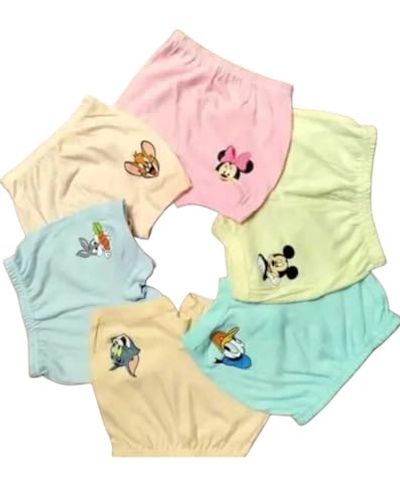
Best-reviewed overall, 4.3★ across 1,124 ratings.
Chicco Baby Bloomers Pack of 2 (Solid Colours)
- ✓ 95% cotton, 5% elastane
- ✓ Pack of 2 bloomers
- ✓ Elastic waistband, breathable fabric
* We earn a small commission — at no extra cost to you.

Top rating for the price, 4.2★ at ₹126.
Mothercare Unisex Baby Cotton Vests Pack of 3
- ✓ 100% organic cotton
- ✓ Pack of 3 vests
- ✓ Sizes 0–12 months
* We earn a small commission — at no extra cost to you.
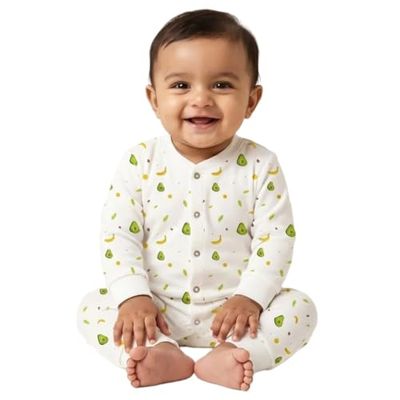

Top of the range, for parents who want the best features.
Baby Moo Organic Romper (Solid Colours)
- ✓ 100% GOTS certified organic cotton
- ✓ Snap buttons (rust-resistant coating)
- ✓ Sizes 6–12 months
* We earn a small commission — at no extra cost to you.
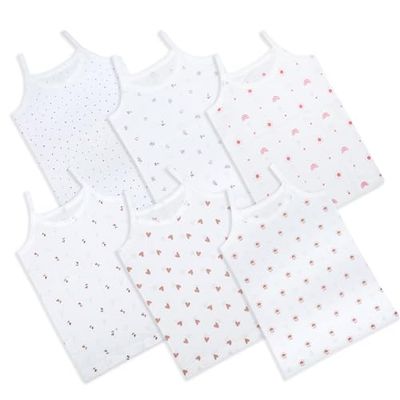
Lowest price that still clears our 3.8★ / 100-review bar.
FirstCry Essentials Baby Cotton Vest Undershirt
- ✓ 100% cotton jersey
- ✓ Pack of 2 vests
- ✓ Soft seams, tagless design
* We earn a small commission — at no extra cost to you.
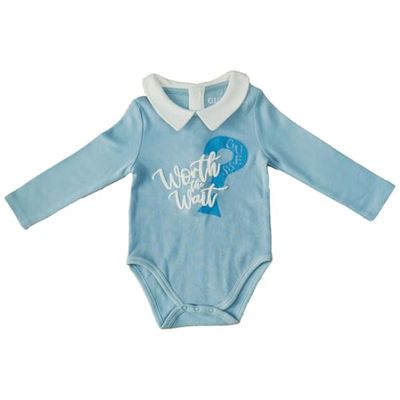
Babyoye Cotton Blend Romper Suit (Unisex)
- ✓ 80% cotton, 20% polyester blend
- ✓ Full-sleeve romper design
- ✓ Snap closures, breathable fabric
* We earn a small commission — at no extra cost to you.
Daily baby tips, exclusive Amazon deals & real parent advice — free forever.
We've included realistic prices from Amazon.in to help you refresh your 6–12 month wardrobe thoughtfully. Start the inspection today; most problems are reversible if caught early.
7-Point Baby Wardrobe Inspection Checklist
- Visible Mould or Fungus (White, Green, or Black Spots)
Look closely at seams, hems, underarms, and fabric folds where moisture settles. White or green fuzz means active mould; black spots often indicate dead mould or permanent staining.
Why this matters: Visible mould on baby clothes indicates moist storage and poses a low but real risk of inhalation exposure for infants, particularly those under 6 months. According to IAP guidelines on environmental safety in nurseries, removing visible fungal growth is non-negotiable before the garment touches your baby's skin again. - Musty or Damp Smell (Without Visible Spots)
Smell the armpits, collar area, and folds. A persistent musty odour signals trapped humidity and dormant mould spores, even if the fabric looks clean.
Why this matters: Smell is often the first warning sign. A 60-minute soak in a solution of 1 part white vinegar to 4 parts water kills dormant spores and neutralises odour—much cheaper than replacing an entire pile of clothes. After soaking, rinse and sun-dry for 3 hours minimum. - Elastic Rot in Bloomers, Vests, and Waistbands
Stretch the elastic with two fingers. If it feels stiff, breaks, or disintegrates into powder, the elastomer has oxidised and lost elasticity.
Why this matters: Rotten elastic no longer holds the garment snugly, creating fit problems and increasing the risk of nappy leaks or shoulder slippage during crawling. This is a safety and comfort issue, not just aesthetics. Babies between 6–12 months move unpredictably, so a loose vest or bloomers become a hazard. - Zipper Rust and Snap-Button Oxidation
Run your thumb along zippers and inspect metal snaps for brown, flaking rust or dull, discoloured finish. Test metal snaps for stiffness or difficulty closing.
Why this matters: Rusted metal flakes off into seams and can irritate tender skin or be ingested if your baby chews on the zipper pull. Oxidised snaps may pinch skin or fail to stay closed, compromising the garment's function. Replace jackets or cardigans with severely corroded metal fittings. - Fabric Brittleness and Loss of Stretch
Pinch a section of fabric and bend it sharply. High-quality cotton and cotton-blend fabrics should still flex and spring back. If fabric cracks, tears easily, or feels papery, the fibres have broken down.
Why this matters: Brittle fabric tears during washing, dressing, or normal play. For a 9–12 month baby who crawls and pulls, a weak garment becomes unwearable within one or two washes. This is a sign of either severe mould damage or storage in very hot, dry conditions after monsoon. - Size and Growth Check
Lay the garment flat and measure the chest width (armpit to armpit) and length from shoulder to hem. Babies grow 2 sizes (roughly 4–6 cm in length and 2–3 cm in chest width) every 4 months between 6–12 months.
Why this matters: A piece that fit at 6 months may already be snug at 8 months. Rather than storing clothes your baby has outgrown, donate or pass them along and use your budget to buy fresh, current sizes. This also frees storage space and reduces the mental load of deciding what fits. - Stain Permanence (Particularly Rust or Mineral Deposits)
Rinse the garment in cool water. Stains caused by rust, mineral deposits, or mould discolouration that don't rinse away are likely permanent—they've bonded with the fabric dye or fibre.
Why this matters: Permanent stains can look unhygienic even if the garment is clean, and they signal deeper chemical or microbial damage. A heavily stained piece isn't worth the space or the effort to restore.
What to Salvage vs. What to Replace
Safe to Keep and Restore:
Garments with musty smell (no visible spots), light surface mould on one small area, minor rust on one snap, or elastic that's stiff but not broken. These respond well to a vinegar soak, 60°C machine wash, and 3+ hours of direct sunlight. Most everyday vests, rompers, and lightweight bodysuits fall into this category—they're low-cost and worth the restoration effort.
Replace Immediately:
Any piece with large or multiple visible mould patches, heavy fabric brittleness, pervasive musty smell (indicating deep moisture penetration), widespread rust, or permanent staining. Also replace anything your baby has outgrown by more than half a size, even if it's in perfect condition—growth won't reverse, and storing undersized pieces wastes space.
Budget Refresh for 6–12 Month Wardrobe (Under ₹500):
If you're replacing 5–7 core pieces (vests, bloomers, simple rompers), budget ₹400–500 on Amazon.in. Buy basics in neutral colours: white or cream vests (₹80–120 per pack of 3), cotton bloomers (₹120–150 per pack of 2), and one or two everyday rompers (₹150–200 each). Prioritise cotton and cotton-blend fabrics; they dry faster, resist mould better, and feel gentler on post-monsoon sensitive skin. Avoid heavily synthetic or polyester blends, which trap moisture and take longer to air-dry.
Prevention for Next Monsoon
Store baby clothes in breathable cotton bags (not plastic), keep desiccant packs (silica gel or bamboo charcoal) inside the storage container, and store in the driest corner of your home—ideally a cupboard with a small 40-watt bulb left on for 2–3 hours daily to drive out moisture. Check every 3 weeks during monsoon season to catch early mould before it spreads.
What Paediatricians Say
IAP (Indian Academy of Pediatrics) recommends that all baby garments be washed and sun-dried before storage to minimise microbial load, and inspected monthly during monsoon season. Early detection of mould or moisture prevents respiratory sensitisation and skin irritation in infants under 12 months. A musty-smelling garment that shows no visible spots may still harbour dormant spore colonies—vinegar soaking and sun-drying are safe, chemical-free methods recommended over bleach for baby fabrics.
- Sun exposure kills 99% of dormant mould spores within 3 hours in direct light.
- Vinegar (5% acidity) is safer than bleach for baby skin and is effective against most household moulds.
Frequently Asked Questions
How long does it take for wet baby clothes to develop mould in monsoon?
Can mould spores be washed out of baby clothes?
Is mould on baby clothes dangerous?
How do I get rid of musty smell in stored baby clothes after monsoon?
What's a realistic budget to replace worn baby clothes after monsoon?
How often should I check stored baby clothes during monsoon?
Daily baby tips, exclusive Amazon deals & real parent advice — free forever.