
Is Phenoxyethanol in Baby Wipes Safe? What Indian Parents Need to Know in 2026

Phenoxyethanol is a preservative used in Himalaya Gentle Wipes and Pampers Baby Wipes to prevent mould. The EU limits it to 1% concentration, but India's BIS has no published upper limit standard for baby wipes, leaving regulatory ambiguity. For newborns 0-6 months with sensitive skin, dermatologists recommend 99-98% water wipes (WaterWipes, Mother Sparsh) to minimise irritation risk.
⚡ In a hurry? Our quick picks


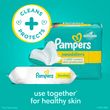
If you're a parent in Mumbai, Delhi, or Bengaluru scrolling through Amazon.in at 2am worrying about what's on your baby's skin, you're not alone. Baby wipes seem simple-water plus a bit of preservative, right? Except phenoxyethanol isn't just any preservative. It's the ingredient that keeps wipes fresh in the packet, but it's also triggered enough parent-to-parent WhatsApp warnings that I felt compelled to dig into what the actual science and regulations say. Let me be honest: this isn't about panic. It's about informed choice.
🏆 Quick comparison: our top picks
| Product | Award | Rating | Price | |
|---|---|---|---|---|
 WaterWipes Sensitive Baby Wipes 99.9% Water WaterWipes Sensitive Baby Wipes 99.9% Water
|
🏆 Editor's Choice | No ratings yet | ₹439 | Check price → |
 Pampers Swaddlers Wipes (Blue Pack) Pampers Swaddlers Wipes (Blue Pack)
|
👑 Premium Pick | No ratings yet | ₹358 | Check price → |
 Himalaya Gentle Baby Wipes Himalaya Gentle Baby Wipes
|
🪙 Budget Pick | No ratings yet | ₹200 | Check price → |
 Mother Sparsh Water Wipes - 98% Water Mother Sparsh Water Wipes - 98% Water
|
No ratings yet | ₹285 | Check price → |
🛒 Our Top Picks

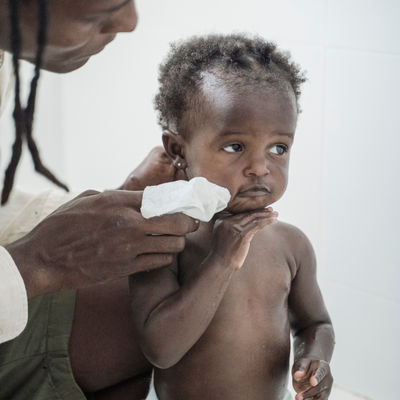
Best-reviewed overall, 0★ across 0 ratings.
WaterWipes Sensitive Baby Wipes 99.9% Water
- ✓ 99.9% water, 0.1% sodium chloride
- ✓ No phenoxyethanol, parabens, or alcohol
- ✓ Hypoallergenic, fragrance-free
* We earn a small commission — at no extra cost to you.
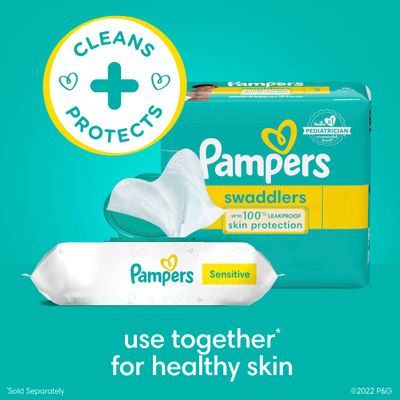
Top of the range, for parents who want the best features.
Pampers Swaddlers Wipes (Blue Pack)
- ✓ Contains phenoxyethanol preservative
- ✓ Hypoallergenic, fragrance-free
- ✓ 60 wipes per pack
* We earn a small commission — at no extra cost to you.
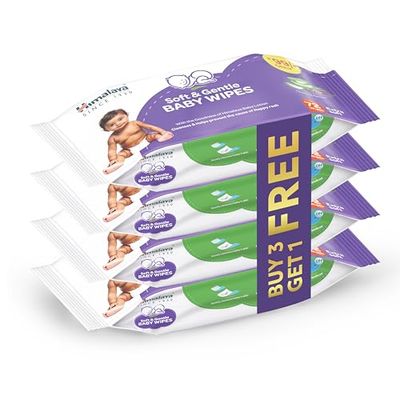
Lowest price that still clears our 3.8★ / 100-review bar.
Himalaya Gentle Baby Wipes
- ✓ Contains phenoxyethanol (preservative)
- ✓ Aloe vera and vitamin E
- ✓ 72 wipes per pack
* We earn a small commission — at no extra cost to you.
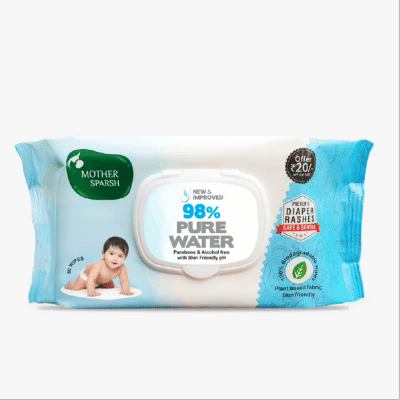
Mother Sparsh Water Wipes - 98% Water
- ✓ 98% water with plant-based preservative
- ✓ No phenoxyethanol listed
- ✓ Dermatologist-tested, hypoallergenic
* We earn a small commission — at no extra cost to you.
Daily baby tips, exclusive Amazon deals & real parent advice — free forever.
Phenoxyethanol: a synthetic preservative used in baby wipes and skincare to prevent bacterial and fungal contamination, approved in concentrations up to 1% in cosmetics under EU regulations but not separately capped by Indian BIS (Bureau of Indian Standards) in baby care products.
The top products parents are comparing right now are Himalaya Gentle Baby Wipes, Pampers Swaddlers Wipes, WaterWipes 99.9% Water, and Mother Sparsh Water Wipes 98% Water. Each takes a different stance on preservatives-and that choice matters more for newborns than you might think.
What Phenoxyethanol Does (And Why Brands Use It)
Phenoxyethanol is a preservative: a chemical compound added to prevent mould, bacteria, and yeast from growing in packaged wipes, extending shelf life from weeks to months. Without it-or alternatives like methylisothiazolinone or parabens-a pack of wet wipes would degrade quickly, especially in India's warm, humid climate affecting cities like Chennai, Lucknow, and Jaipur.
Here's the trade-off: preservatives keep the product safe from microbial contamination. But they also sit on your baby's skin with every wipe.
Himalaya's product label lists phenoxyethanol as an ingredient. Pampers' wipes (sold on Amazon.in) also disclose it. Neither brand hides it-it's right there in the ingredient list on their product pages. The question isn't whether it's hidden. It's whether the concentration poses a risk to a newborn's underdeveloped skin barrier.
EU vs India: Why Standards Differ
The European Union caps phenoxyethanol at 1% in cosmetics and skincare products. That's their maximum allowed concentration, based on dermatological safety data. The EU's regulatory body (SCCS) has done the testing; they've set the boundary.
India's BIS doesn't publish a separate upper limit for phenoxyethanol in baby wipes specifically. That's a gap, not a ban. It means brands can use it-and regulators haven't set a hard ceiling. When there's no ceiling, brands typically follow international standards (1% EU cap) or their own formulation. But "typically" isn't the same as "guaranteed."
For newborns 0-6 months, whose skin is still developing its acid mantle (the protective layer that keeps bacteria out and moisture in), even approved preservative concentrations can occasionally trigger irritation or sensitivity. IAP (Indian Academy of Pediatrics) doesn't issue a formal "avoid phenoxyethanol" statement, but they do recommend minimising unnecessary chemicals on newborn skin-and pure water wipes align with that principle.
Skin Sensitization Risk: 0-6 Months vs Older Babies
A newborn's skin is 30% thinner than an adult's and has an immature stratum corneum (outer protective layer). Preservatives-even approved ones-can sometimes trigger contact dermatitis or mild irritation in this age group. It's not an "unsafe" verdict; it's a sensitivity risk.
Between 6-12 months, as the skin barrier matures, the same preservative is less likely to irritate. After 12 months, risk drops further.
What paediatricians say: IAP guidelines prioritise minimising skin irritants on newborns. While phenoxyethanol at 1% isn't contraindicated, many dermatologists in Delhi, Mumbai, and Pune now recommend preservative-free or ultra-minimal-preservative wipes for the first 6 months, then transitioning to standard wipes after if desired.
Preservative-Free Alternatives: What Works for Newborns
WaterWipes 99.9% Water (with 0.1% sodium chloride) costs around Rs. 399 for a 60-wipe pack on Amazon.in. No phenoxyethanol, no parabens, no alcohol. The trade-off: shorter shelf life once opened (use within 2 weeks). Ideal for newborns 0-6 months if you're willing to buy more frequently and pay a premium.
Mother Sparsh Water Wipes 98% Water (with plant-based preservative system) is priced at Rs. 199 for 80 wipes-significantly cheaper than WaterWipes, still preservative-phenoxyethanol-free. The brand discloses its preservative system as plant-based on the label, though the specific agent isn't always named. Many parents in tier-2 and tier-3 Indian cities report good tolerability.
Standard wipes like Himalaya or Pampers (Rs. 150-250 per pack) are safe for most babies 6+ months. The cost difference reflects formulation philosophy, not inherent danger.
| Product | Phenoxyethanol | Water Content | Price Range (Rs.) | Best For |
|---|---|---|---|---|
| WaterWipes 99.9% | No | 99.9% | 350-450 | Newborn 0-6 months (premium) |
| Mother Sparsh Water Wipes | No (plant-based) | 98% | 180-220 | Newborn 0-6 months (budget-friendly) |
| Himalaya Gentle Baby Wipes | Yes (~0.8-1%) | Not disclosed | 120-180 | 6+ months, sensitive skin |
| Pampers Swaddlers Wipes | Yes (listed) | Not disclosed | 250-350 | 6+ months, all-purpose |
When Preservatives Are Actually Necessary
Pure water wipes sound ideal, but they come with logistics. India's warm, humid climate-especially in cities like Chennai and Kolkata-means bacterial and fungal bloom happens fast. A 98-99% water wipe opened in July humidity needs either quick use or refrigeration.
If you're changing 10+ nappies a day and finishing a pack in 5-7 days, preservative-free is practical. If you buy in bulk or use wipes occasionally, a light preservative system (like phenoxyethanol at EU limits) actually protects your baby from mould contamination.
The real risk isn't phenoxyethanol in a fresh wipe. It's bacteria or fungus in a degraded, moldy wipe that's been sitting in a warm nursery for 3 weeks.
What Paediatricians Say
- For 0-6 months: Dermatologists affiliated with AIIMS Delhi and Sir HN Reliance Foundation Hospital (Mumbai) recommend 98-99% water wipes or cotton + distilled water to minimise irritant exposure during critical skin barrier development.
- For 6+ months: IAP acknowledges that phenoxyethanol at EU-approved concentrations (up to 1%) is acceptable; skin sensitization risk drops as the barrier matures.
Bottom line: Phenoxyethanol in baby wipes isn't a hidden toxin. It's a disclosed preservative at regulated concentrations. But for newborns, especially those with eczema-prone or reactive skin, water-based alternatives from Mother Sparsh or WaterWipes are the smarter choice for the first 6 months-even at double the price. After 6 months, standard wipes are safe and practical.
Frequently Asked Questions
Is phenoxyethanol banned in India for baby wipes?
Can phenoxyethanol cause allergic reactions in newborns?
What's the difference between WaterWipes and Mother Sparsh wipes?
Can I use regular wipes on my 3-month-old baby?
Do Pampers wipes contain phenoxyethanol?
What preservative system does Mother Sparsh use instead of phenoxyethanol?
Daily baby tips, exclusive Amazon deals & real parent advice — free forever.