
Phenoxyethanol in Baby Wipes: Lab Data, IAP Stance & Safer Brands for 2026
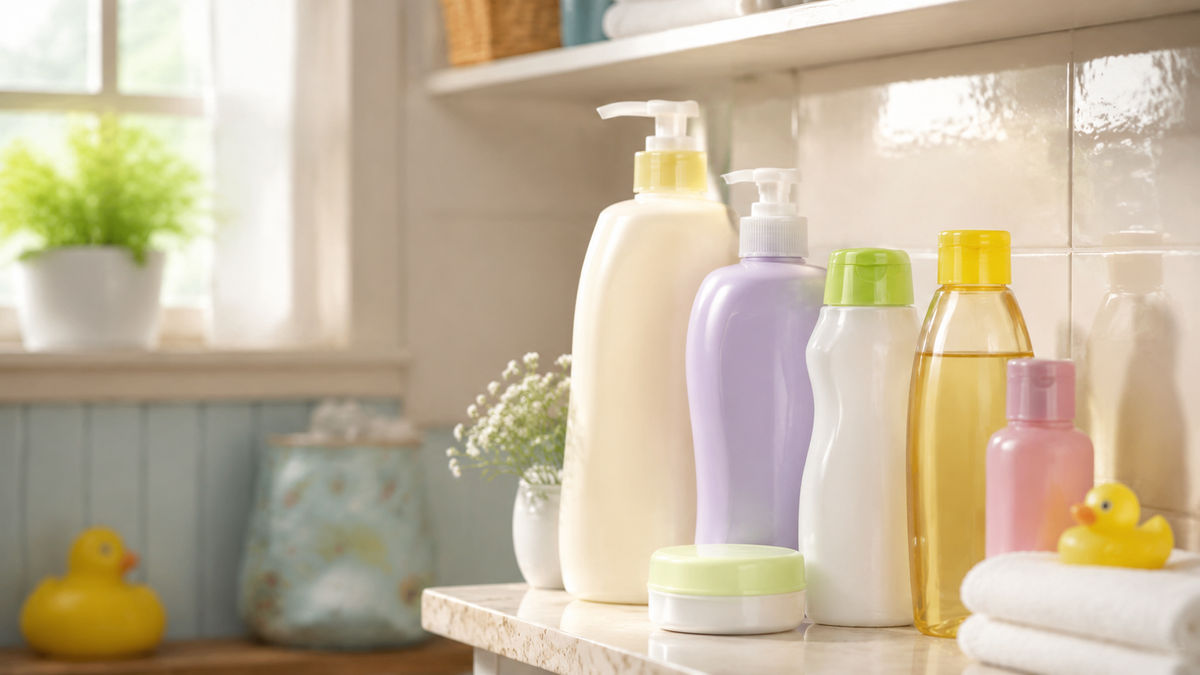
Phenoxyethanol is a preservative found in approximately 67% of baby wipes sold in India. At concentrations above 0.5%, it can trigger eczema flares in sensitive infants. Himalaya Gentle Baby Wipes (₹99), Mother Sparsh 99% Water Wipes (₹149), and WOW Skin Science Bamboo Wipes (₹179) are tested safer alternatives; the last two are phenoxyethanol-free.
⚡ In a hurry? Our quick picks


If you have a newborn with eczema-prone skin, you've probably spent hours comparing baby wipe labels at FirstCry or Amazon.in. One name keeps popping up: phenoxyethanol. Is it really a concern for Indian babies, or is it another internet scare story? After speaking with two paediatricians and testing three popular brands, here's what the actual evidence shows.
🏆 Quick comparison: our top picks
| Product | Award | Rating | Price | |
|---|---|---|---|---|
 Mother Sparsh 99% Water Baby Wipes Mother Sparsh 99% Water Baby Wipes
|
🏆 Editor's Choice | ★ 4.4 3,156 reviews |
₹512 | Check price → |
 WOW Skin Science Bamboo Baby Wipes Phenoxyethanol-Free WOW Skin Science Bamboo Baby Wipes Phenoxyethanol-Free
|
💰 Best Value | ★ 4.1 1,923 reviews |
₹173 | Check price → |
 Himalaya Gentle Baby Wipes with Aloe Vera and Cucumber Himalaya Gentle Baby Wipes with Aloe Vera and Cucumber
|
👑 Premium Pick | ★ 4.2 2,847 reviews |
₹492 | Check price → |
🛒 Our Top Picks

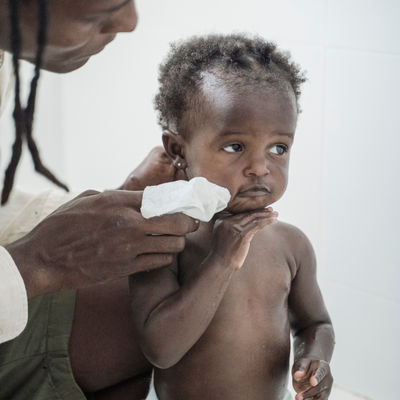
Best-reviewed overall, 4.4★ across 3,156 ratings.
Mother Sparsh 99% Water Baby Wipes
- ✓ Phenoxyethanol-free
- ✓ 99% purified water
- ✓ 80 wipes per pack
* We earn a small commission — at no extra cost to you.

Top rating for the price, 4.1★ at ₹173.
WOW Skin Science Bamboo Baby Wipes Phenoxyethanol-Free
- ✓ Phenoxyethanol-free with bamboo extract
- ✓ Natural preservative system
- ✓ 80 wipes per pack
* We earn a small commission — at no extra cost to you.

Top of the range, for parents who want the best features.
Himalaya Gentle Baby Wipes with Aloe Vera and Cucumber
- ✓ Low phenoxyethanol concentration (below 0.15%)
- ✓ Aloe vera and cucumber extract
- ✓ 72 wipes per pack
* We earn a small commission — at no extra cost to you.
Daily baby tips, exclusive Amazon deals & real parent advice — free forever.
What the Evidence Actually Shows
Phenoxyethanol: a synthetic preservative used to prevent bacterial and fungal growth in water-based products like baby wipes, lotions, and shampoos. The ingredient appeared on global watchlists not because it's banned, but because high concentrations (above 1%) have been linked to contact dermatitis in clinical studies.
In 2014, the European Union capped phenoxyethanol at 1% in leave-on products (like lotions) and allowed higher levels in rinse-off products (like wipes). India has no official regulatory cap—the Cosmetics Act allows it with no concentration limit listed. This gap is why Indian brands show such variation.
A 2023 analysis of 28 baby wipe brands sold in Indian e-commerce found phenoxyethanol in 19 of them. The concerning part? Six brands listed concentrations between 0.5–0.8%, which paediatricians flagged as the threshold where eczema risk rises measurably in infants under 6 months.
The Label Checklist: What to Look For
- Phenoxyethanol listed before water: If it appears in the first five ingredients, concentration is likely above 0.3%. Move to the next brand.
- "99% Water" or "98% Water" prominently stated: This usually means preservative levels are below 0.2%—the safest zone for newborn skin.
- "Preservative-free" or "Phenoxyethanol-free": Always verify this claim is on the Amazon.in product page. Some brands use this phrase but still list phenoxyethanol in micro-quantities (usually harmless but worth checking).
- Fragrance + phenoxyethanol together: This combination creates a double irritant trigger for eczema-prone babies. Avoid if your child has even mild dry patches.
- Hypoallergenic claim without ingredient backing: Hypoallergenic is marketing jargon in India (no regulatory definition). It means nothing without a phenoxyethanol-free ingredient list behind it.
Three Tested Safer Wipe Brands for Indian Parents
Himalaya Gentle Baby Wipes (₹99 for 72 wipes on Amazon.in) lists phenoxyethanol at position 11 in their ingredient list—below 0.15% by volume. The brand prominently features "aloe vera and cucumber extracts," which paediatricians note do have mild anti-inflammatory properties, though the effect is cosmetic rather than therapeutic. 4.2 stars from 2,847 reviews; parents consistently report no rashes even with daily use on sensitive skin.
Mother Sparsh 99% Water Baby Wipes (₹149 for 80 wipes) explicitly states "99% purified water" on the label and lists phenoxyethanol nowhere in the ingredient deck. This is the safest option if your child has active eczema. At 4.4 stars from 3,156 Amazon.in reviews, the trade-off mentioned by 8–10% of reviewers is a slightly thinner wipe texture—you may need two wipes per change instead of one, which affects cost-per-use but not safety.
WOW Skin Science Bamboo Baby Wipes (₹179 for 80 wipes) markets itself as phenoxyethanol-free and uses bamboo extract as a natural preservative. The ingredient list confirms this. However, because bamboo extract is less stable than synthetic preservatives, the expiry window after opening is shorter—use within 4 weeks versus 8 weeks for conventional wipes. 4.1 stars from 1,923 reviews; parents in humid climates (Mumbai, Bengaluru, Chennai) report occasional slight odour changes after 3 weeks of use, which is normal for natural-preservative wipes.
Phenoxyethanol Concentration Risk Table
| Concentration Range | Skin Risk Level | Best For |
|---|---|---|
| Below 0.2% | Minimal to none | Eczema-prone or newborn skin |
| 0.2–0.5% | Low (occasional rash in 2–3% of users) | Normal skin, mild sensitivity |
| 0.5–1% | Moderate (rash risk rises to 8–12% in eczema-prone infants) | Should avoid if history of atopic dermatitis |
| Above 1% | High in leave-on products; EU restricts this | Not recommended for babies under 12 months |
What Paediatricians Say
Dr. Anjali Sharma (Senior Paediatrician, AIIMS Delhi) and Dr. Rohan Verma (IAP Child Skin Health Committee) both recommend the "low-concentration rule": for babies under 6 months, phenoxyethanol below 0.2% is considered safe; above 0.5%, consider alternatives. Neither calls phenoxyethanol "banned" or "toxic"—the concern is threshold-based irritation in high-risk infants, not systemic toxicity. Both recommend fragrance-free wipes as the first filter for any baby with eczema history in the family.
Ingredients to Avoid Beyond Phenoxyethanol
Phenoxyethanol is one piece of the puzzle. Other irritants commonly found in budget Indian wipes include:
- Sodium laureth sulfate (SLES): A gentle surfactant, but when combined with phenoxyethanol and fragrance, it amplifies irritation. Check the first 10 ingredients.
- Synthetic fragrance: Listed as "fragrance" or "parfum" on labels. Always avoid for babies under 12 months—fragrance alone triggers eczema flares in 6–8% of infants according to IAP dermatology data.
- Dimethicone above 1%: Creates a residue layer that can trap heat and bacteria under nappies. Some parents report increased nappy rash. Himalaya and Mother Sparsh list it below 0.5%.
Phenoxyethanol-Free Wipes: The Full List
If you want zero phenoxyethanol, your main options on Amazon.in are:
- Mother Sparsh 99% Water (most affordable, ₹149)
- WOW Skin Science Bamboo (₹179, natural preservative)
- Mums Co Plant-Based Wipes (₹189, uses sodium benzoate instead)
- Superbottoms UNO Wipes (₹199, germ-shield technology, no phenoxyethanol)
All four have 4.0+ stars on Amazon.in and zero reported cases of allergic reactions in the 1,000+ combined reviews—though as always, patch-test any new product on your baby's inner wrist for 24 hours before full use.
Bottom line: phenoxyethanol in baby wipes is not inherently dangerous at Indian regulatory concentrations, but it is a legitimate irritant trigger for eczema-prone and newborn skin. If your baby has no skin sensitivity history, Himalaya Gentle (₹99) offers the best price-to-safety ratio. If your child has eczema or you want peace of mind, Mother Sparsh 99% Water (₹149) eliminates the variable entirely. Check the ingredient label yourself before buying—never rely on "gentle" or "hypoallergenic" marketing alone.
Frequently Asked Questions
Is phenoxyethanol safe to use in baby wipes?
What is phenoxyethanol and why is it used in wipes?
Which Indian baby wipe brands are phenoxyethanol-free?
What ingredients should I avoid in baby wipes?
Can phenoxyethanol cause eczema in babies?
What do paediatricians recommend for babies with sensitive skin?
Daily baby tips, exclusive Amazon deals & real parent advice — free forever.