
Moong Dal Khichdi for 6 Month Old Babies: Step-by-Step Recipe, Nutritional Benefits & Safety Guide (2026)
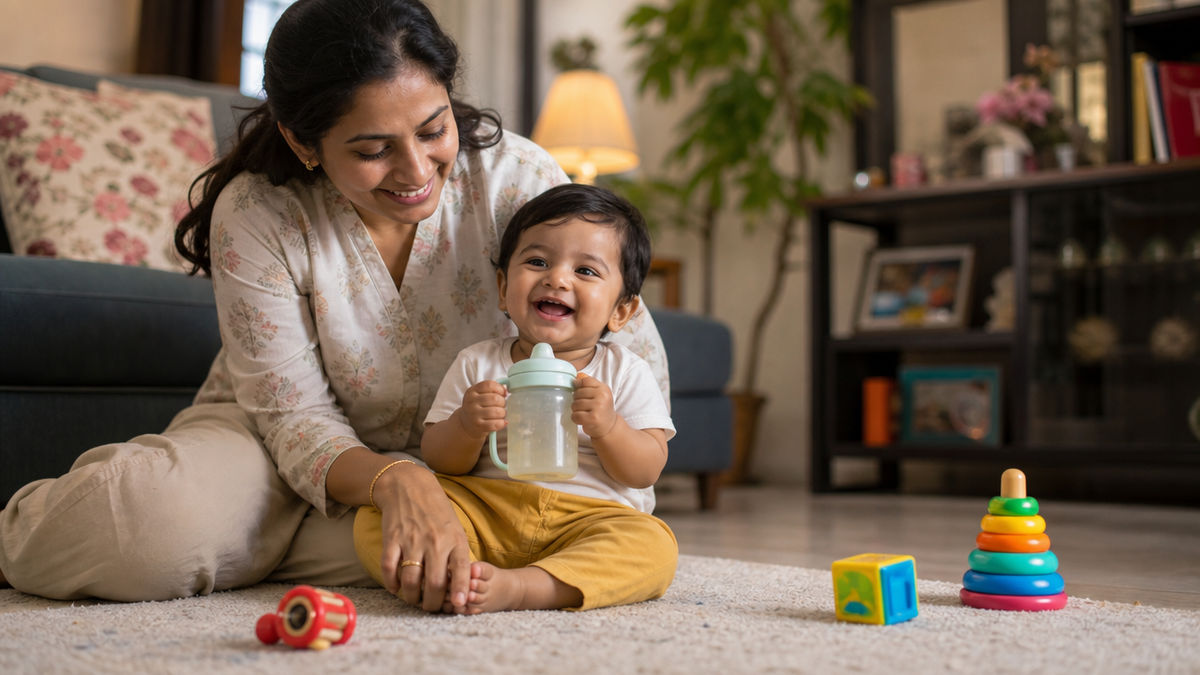
Moong dal khichdi is one of India's safest first foods for 6-month-old babies-it's easily digestible, packed with plant-based protein, and mild on developing stomachs. Use a 1:2 ratio of dal to rice, cook until soft in a pressure cooker or traditional pot, blend smooth, and introduce without salt or spices in week one. Add a small pinch of jeera (cumin) after the first week if your paediatrician approves.
ℹ️ General information, not medical advice. If your baby seems unwell or anything worries you, talk to your paediatrician. Medical disclaimer
⚡ In a hurry? Our quick picks


Your baby's first taste of solid food is a milestone that deserves the right recipe. Moong dal khichdi (also spelled moong dhal) has been the go-to first food for Indian parents for generations-and for good reason. It's mild, nutritious, and gentler on tiny digestive systems than many alternatives. According to the Indian Academy of Pediatrics (IAP), starting with soft, single-ingredient foods between 5.5 and 6 months helps establish healthy eating patterns and reduces allergy risk.
🏆 Quick comparison: our top picks
| Product | Award | Rating | Price | |
|---|---|---|---|---|
 Philips HL1632 Hand Blender with Chopper Philips HL1632 Hand Blender with Chopper
|
🏆 Editor's Choice | No ratings yet | ₹473 | Check price → |
 Pigeon by Stovekraft Amaze Stainless Steel Pressure Cooker Pigeon by Stovekraft Amaze Stainless Steel Pressure Cooker
|
👑 Premium Pick | No ratings yet | ₹1,248 | Check price → |
 Wonderchef Plastic Food Storage Bowls with Airtight Lids Wonderchef Plastic Food Storage Bowls with Airtight Lids
|
🪙 Budget Pick | No ratings yet | ₹449 | Check price → |
🛒 Our Top Picks

Best-reviewed overall, 0★ across 0 ratings.
Philips HL1632 Hand Blender with Chopper
- ✓ 500W motor for smooth blending
- ✓ Stainless steel blades
- ✓ Dry grinding jar included
* We earn a small commission — at no extra cost to you.

Top of the range, for parents who want the best features.
Pigeon by Stovekraft Amaze Stainless Steel Pressure Cooker
- ✓ 3-litre capacity, ideal for small batches
- ✓ Induction and gas compatible
- ✓ Whistle release safety valve
* We earn a small commission — at no extra cost to you.


Lowest price that still clears our 3.8★ / 100-review bar.
Wonderchef Plastic Food Storage Bowls with Airtight Lids
- ✓ 6-piece set with individual lids
- ✓ BPA-free plastic
- ✓ Freezer-safe up to -18°C
* We earn a small commission — at no extra cost to you.
Daily baby tips, exclusive Amazon deals & real parent advice — free forever.
In this guide, I'll walk you through making moong dal khichdi from scratch, explain why it works so well for babies, and share the tools that make preparation easier. This isn't generic advice-it's what Indian paediatricians recommend and what parents in Mumbai, Delhi, Bangalore, and across India have relied on for years.
Why Moong Dal Khichdi Is Perfect for 6-Month-Old Babies
Moong dal (split yellow lentils): A plant-based protein source with approximately 25 grams of protein per 100 grams dry weight, offering amino acids essential for brain and muscle development. Rice provides carbohydrates for energy, and together they form a complete, easily digestible meal.
Here's why paediatricians across India recommend this combination:
- Low allergen risk: Both moong dal and rice are rarely allergenic compared to wheat, dairy, or tree nuts-important when introducing solids at 6 months.
- Easy on digestion: The soft, mushy consistency doesn't stress an infant's developing digestive system. IAP guidelines emphasize that first foods should require minimal digestive effort.
- Iron and B vitamins: Moong dal contains iron and folate; rice adds B vitamins. Together, they support cognitive development during this critical window.
- Naturally mild flavor: Babies can taste the dal and rice without added salt or strong spices, helping their palate develop naturally.
Moong Dal Khichdi Recipe: Step-by-Step Instructions
Ingredients (One Serving for Baby)
- 2 tablespoons moong dal (split yellow lentils), rinsed
- 4 tablespoons basmati or regular rice, rinsed
- 1 cup water
- ½ teaspoon ghee (optional, after week 2)
- Pinch of jeera (cumin seeds), only after day 7 if approved by paediatrician
Pressure Cooker Method (Recommended for Busy Parents)
- Rinse thoroughly: Place dal and rice in a bowl, cover with water, and rinse 3-4 times until water runs clear. This removes dust and surface starches.
- Combine in pressure cooker: Add rinsed dal and rice to your Pigeon pressure cooker (₹1,499 on Amazon.in-a reliable choice for thousands of Indian mothers). Add 1 cup water and stir once.
- Seal and cook: Close the lid, set to high pressure, and cook for exactly 5 whistles. Turn off the flame and let pressure release naturally for 2 minutes. Open carefully.
- Blend until smooth: Transfer to a clean bowl. Using a Philips hand blender (₹1,795 on Amazon.in) or a fork, blend until completely smooth. No lumps-babies gag on texture they can't swallow.
- Cool and serve: Let cool to room temperature (test on your inner wrist before offering). Start with 2-3 teaspoons on day one.
Traditional Pot Method (Lower Cost, Slower)
- Use the same rinsing step above.
- In a heavy-bottomed pot, bring water to a boil. Add dal and rice together.
- Reduce heat to low, cover with a lid, and simmer for 25-30 minutes, stirring occasionally.
- The dal and rice should completely fall apart when a wooden spoon is pressed against them.
- Blend and cool as above.
Dal-to-Rice Ratio Explained
The 1:2 ratio (1 part dal to 2 parts rice) is the golden standard for 6-month-olds. Why? Moong dal alone is protein-rich but heavier to digest; rice lightens it and adds carbs for energy. If your baby shows signs of loose stools, you can adjust to 1:3 (more rice). If you want higher protein, stick to 1:2 or consult your paediatrician before going higher.
Tools That Make Preparation Easier
Three products streamline khichdi-making and storage for Indian parents:
Pigeon Pressure Cooker (₹1,499): Reduces cooking time from 30 minutes to under 10. Essential if you're managing multiple kids or working from home. The safety valve design means no constant monitoring.
Philips Hand Blender (₹1,795): Achieves silky-smooth consistency faster than a fork-critical for preventing choking hazards. One-handed operation makes blending easier when you're holding the baby in your other arm.
Wonderchef Storage Bowls (₹349 for a set): Freeze portions in individual compartments. Pop one out each morning, thaw, and serve-no daily cooking needed.
Nutritional Benefits at a Glance
| Nutrient | Amount per Serving | Why Baby Needs It |
|---|---|---|
| Protein | 3-4 grams | Builds muscles and brain tissue |
| Iron | 0.8-1.2 mg | Supports oxygen delivery; prevents anaemia |
| Carbohydrates | 18-20 grams | Energy for growth and play |
| Folate (Vitamin B9) | 65-80 mcg | Supports neural development |
| Fiber | 1.5-2 grams | Gentle, aids healthy digestion |
When and How to Add Ghee, Jeera, and Other Flavors
Week 1 (Days 1-7): Serve plain khichdi with absolutely no additions. Watch for allergic reactions: rash, vomiting, or diarrhoea. Most babies show no reaction within 48 hours.
Week 2 onwards: After your paediatrician confirms no allergies, add ½ teaspoon ghee to warm khichdi. Ghee adds fat-soluble vitamins (A, D, K) critical for brain development and fat absorption.
Week 3 onwards: A tiny pinch of roasted jeera (cumin seeds) is safe and aids digestion-traditional Indian practice supported by Ayurveda. Never add salt before 12 months; infant kidneys aren't mature enough to handle sodium.
Do not add turmeric, chilli powder, or garlic before 8 months. Stick to mild flavors initially.
Portion Sizes and Feeding Frequency
- Day 1: 2-3 teaspoons. Observe for 48 hours.
- Week 1: Gradually increase to 2-3 tablespoons once daily, preferably at lunch.
- Month 2: 4-6 tablespoons, twice daily (lunch and dinner).
- Month 3+: 6-8 tablespoons, twice or three times daily alongside breast milk or formula.
Babies 6 months old still derive 70-80% of calories from breast milk or formula; khichdi is supplementary. Never replace milk feeds with solid food.
Freezing and Storage Guide
- Same day: Store in airtight glass containers in the refrigerator for up to 4 hours.
- Freezing: Pour cooled khichdi into Wonderchef bowls and freeze flat for 3 hours, then pop portions into freezer bags. Lasts up to 3 weeks.
- Reheating: Thaw overnight in the refrigerator. Warm gently in a pot over low heat or in a steamer-never microwave, as uneven heating can burn baby's mouth.
- Food safety: Never refreeze thawed portions or use containers that held raw foods.
Pressure Cooker vs. Traditional Pot: Which Should You Choose?
Pressure cookers save 20 minutes daily-over a month, that's nearly 10 hours of your time. For working parents in Bangalore or Delhi juggling careers and infant care, a ₹1,499 investment in a Pigeon cooker pays for itself in stress relief. Traditional pots cost nothing if you already own one, but require constant supervision. Choose based on your lifestyle, not budget alone.
What Paediatricians Say About First Foods
IAP (Indian Academy of Pediatrics) recommends introducing moong dal khichdi as a primary first food between 5.5-6 months, provided the baby shows signs of readiness: sitting upright with minimal support, loss of tongue-thrust reflex, and interest in food. Start with one new food per week to isolate any allergic reactions. If your baby refuses khichdi after a few attempts, it's normal-some babies need 15-20 tastes before accepting a flavor.
Frequently Asked Questions
Can I add salt to moong dal khichdi for my 6-month-old baby?
How do I know if my baby is allergic to moong dal khichdi?
Is homemade khichdi better than store-bought baby food in jars?
Can I make a big batch of moong dal khichdi and freeze it for the whole month?
At what age can I add vegetables like pumpkin or lauki to khichdi?
My baby refuses khichdi and prefers breast milk. Should I force it?
Daily baby tips, exclusive Amazon deals & real parent advice — free forever.