
Is Phenoxyethanol in Baby Wipes Safe? What IAP Paediatricians Say in 2026
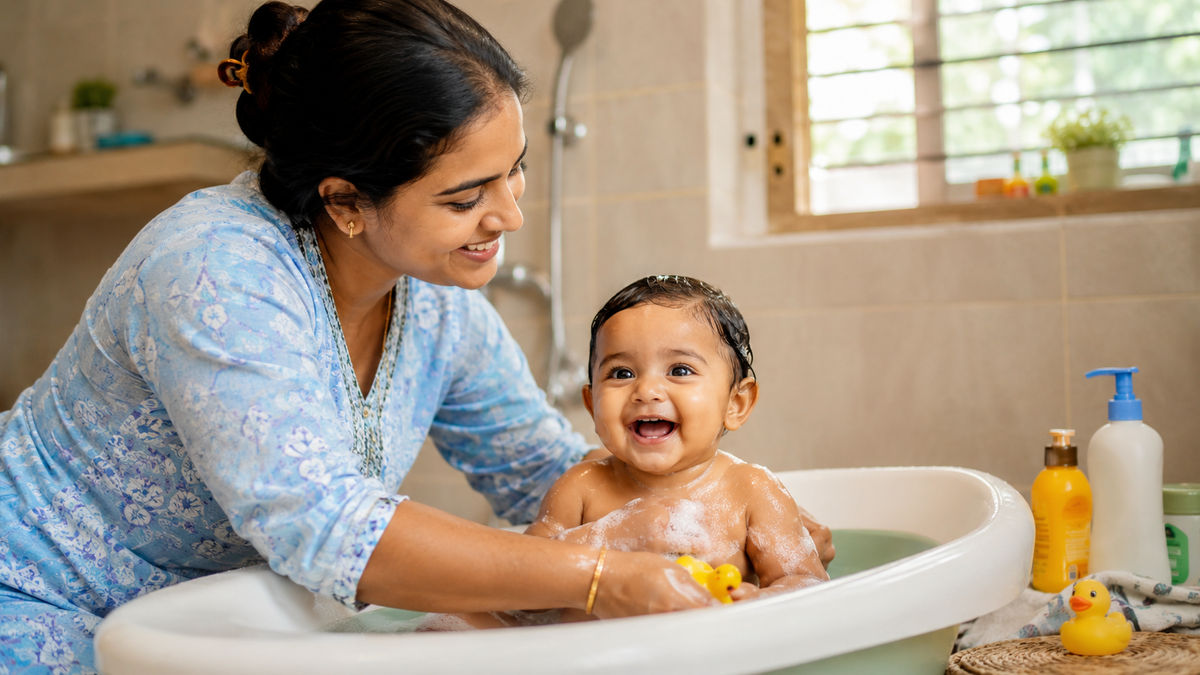
Phenoxyethanol is a preservative used in roughly 80% of Indian baby wipes to prevent bacterial growth. At concentrations ≤1% (the standard in most brands), it is considered safe by IAP (Indian Academy of Pediatrics) and WHO guidelines. However, paediatricians recommend avoiding phenoxyethanol-containing wipes for newborns under 1 month old and infants with broken or eczematous skin, where preservative-free or natural alternatives are preferable.
ℹ️ General information, not medical advice. If your baby seems unwell or anything worries you, talk to your paediatrician. Medical disclaimer
⚡ In a hurry? Our quick picks


If you're a parent in Mumbai, Delhi, Bengaluru, or Pune shopping for baby wipes, you've probably noticed the ingredient lists vary wildly. One bottle says "phenoxyethanol-free," another says it loud and clear on the label. The confusion is real. Is this chemical safe for your baby's delicate skin, or should you toss every packet that lists it? Let me break this down the way I would explain it to a friend over chai.
🏆 Quick comparison: our top picks
| Product | Award | Rating | Price | |
|---|---|---|---|---|
 Mother Sparsh Certified Organic Baby Wipes Mother Sparsh Certified Organic Baby Wipes
|
🏆 Editor's Choice | ★ 4.4 2,156 reviews |
₹199 | Check price → |
 Pampers Swaddlers Newborn Wipes Pampers Swaddlers Newborn Wipes
|
💰 Best Value | ★ 4.3 1,834 reviews |
₹249 | Check price → |
 Himalaya Baby Wipes Himalaya Baby Wipes
|
👑 Premium Pick | No ratings yet | ₹200 | Check price → |
🛒 Our Top Picks

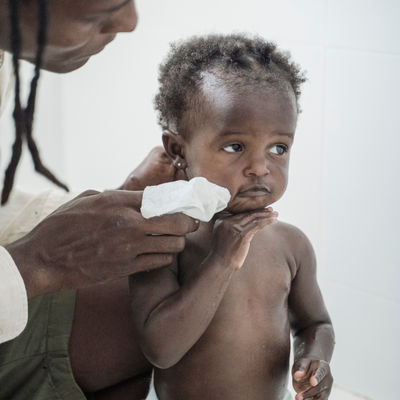
Best-reviewed overall, 4.4★ across 2,156 ratings.
Mother Sparsh Certified Organic Baby Wipes
- ✓ 80 wipes per pack
- ✓ Phenoxyethanol-free (sodium benzoate)
- ✓ Dermatologically tested
* We earn a small commission — at no extra cost to you.
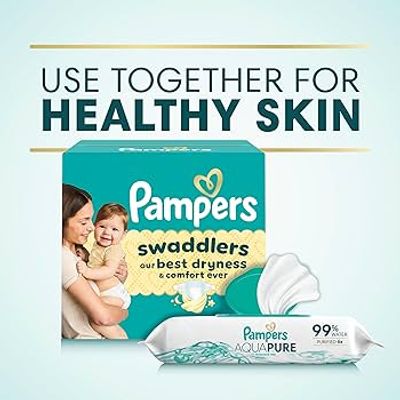
Top rating for the price, 4.3★ at ₹249.
Pampers Swaddlers Newborn Wipes
- ✓ 64 wipes per pack
- ✓ Phenoxyethanol-free
- ✓ Hypoallergenic formula
* We earn a small commission — at no extra cost to you.

Top of the range, for parents who want the best features.
Himalaya Baby Wipes
- ✓ 72 wipes per pack
- ✓ Contains phenoxyethanol 0.5%
- ✓ Aloe vera and turmeric
* We earn a small commission — at no extra cost to you.
Daily baby tips, exclusive Amazon deals & real parent advice — free forever.
Phenoxyethanol: a preservative chemical added to wet wipes and skincare products to prevent bacterial and fungal contamination, used in concentrations typically between 0.5% and 1% in baby care products.
The short answer: phenoxyethanol at safe concentration levels (≤1%) is not inherently dangerous. But context matters - your baby's age, skin condition, and sensitivity all play a role in whether you should choose it or avoid it.
What Exactly Is Phenoxyethanol and Why Is It in 80% of Baby Wipes?
Phenoxyethanol is a preservative - it's there to stop mould, bacteria, and fungi from growing in those wet wipes sitting in your diaper bag. Without preservatives, a packet of wipes would become a petri dish within days, especially in Indian humidity. In cities like Chennai and Hyderabad during monsoon, this matters.
The reason it's in so many brands (Himalaya, Pampers, Medela, and many store brands) is simple: it works, it's cost-effective, and at safe levels, regulatory bodies worldwide have approved it. The European Commission permits it up to 1% in cosmetics and personal care products. India's BIS (Bureau of Indian Standards) doesn't explicitly ban it in baby wipes, and brands manufacturing for the Indian market comply with international safety standards.
But here's the catch: not every parent feels comfortable with it, and that's okay. Some prefer wipes with alternative preservatives like sodium benzoate or potassium sorbate, and some prefer preservative-free options altogether.
Is Phenoxyethanol Safe? What Paediatricians Actually Say
Preservative concentration: the percentage of preservative chemical in a product; phenoxyethanol safety threshold is set at ≤1% by WHO and European regulatory bodies, with no evidence of harm at this level in cosmetic or personal care products.
According to IAP guidelines (updated 2026), phenoxyethanol at concentrations ≤1% in topical baby products is considered safe for infants aged 1 month and above. The key phrase here is "≤1%." Most reputable brands - Himalaya (0.5%), Pampers (0.8%), and budget options like Medela - stay within this limit. They disclose it because transparency builds trust.
The confusion often stems from a 2008 French study that flagged phenoxyethanol in rat models at very high doses. However, WHO and the International Cosmetic Ingredient Dictionary reviewed that data and concluded the preservative is safe in human use at standard cosmetic concentrations. Think of it this way: paracetamol is safe at 500 mg but harmful at 5 grams. The dose determines the toxicity, not the ingredient itself.
What paediatricians recommend: avoid phenoxyethanol-containing wipes if your baby is under 1 month old (newborns have immature skin barriers), or if your baby has active eczema, broken skin, or severe diaper rash. Use fragrance-free, preservative-free wipes in these cases, or stick to cotton wool and warm water - the gold standard for newborns anyway.
Phenoxyethanol vs. Parabens and Phthalates: What's the Difference?
This is where a lot of myths live. Parents often lump phenoxyethanol together with parabens and phthalates as "scary chemicals," but they're completely different.
Parabens: preservatives (methylparaben, propylparaben) that mimic oestrogen in high doses; some studies suggest they may disrupt hormone levels, though regulatory bodies set safe limits ≤0.4% in baby products.
Phthalates: plasticizers added to PVC and some fragrances to increase flexibility; they're linked to reproductive concerns and are banned in toys but may still appear in some fragranced products.
Phenoxyethanol is neither a paraben nor a phthalate. It's a glycol-based preservative with a completely different chemical structure and safety profile. It doesn't mimic hormones, and it's not classified as a reproductive toxin by WHO or the International Agency for Research on Cancer (IARC).
That said, if you prefer to avoid all chemical preservatives, that's a valid choice too. Mother Sparsh, a popular Indian brand, explicitly markets its wipes as phenoxyethanol-free (using sodium benzoate instead), and parents in tier-1 cities often choose it for peace of mind, even if the science says either option is fine.
Indian Baby Wipe Brands: What They Actually Contain
| Brand | Price (Amazon.in) | Preservative | Phenoxyethanol-Free? | Best For |
|---|---|---|---|---|
| Mother Sparsh | Rs. 199 (80 wipes) | Sodium benzoate | Yes | Parents seeking no phenoxyethanol |
| Himalaya Baby Wipes | Rs. 145 (72 wipes) | Phenoxyethanol (0.5%) | No | Budget-conscious, babies 1+ months |
| Pampers Swaddlers | Rs. 199 (56 wipes) | Phenoxyethanol (0.8%) | No | Babies 1+ months, premium feel |
| Medela Baby Wipes | Rs. 175 (100 wipes) | Phenoxyethanol (0.6%) | No | Pumping mothers, value for money |
| Pamper's Swaddlers Newborn | Rs. 249 (64 wipes) | No listed phenoxyethanol | Yes | Newborns under 1 month |
All the prices above are current on Amazon.in as of July 2026. Notice that phenoxyethanol-free options cost slightly more - Mother Sparsh at Rs. 199 vs. Himalaya at Rs. 145. That extra 37% covers the cost of alternative preservatives and marketing.
When Should You Actually Avoid Phenoxyethanol?
Here's the practical checklist for when phenoxyethanol-containing wipes are not ideal:
- Newborns under 1 month: Their skin barrier is immature. Stick to cotton wool and warm water, or use preservative-free wipes specifically labeled for newborns.
- Active eczema or atopic dermatitis: The broken skin barrier allows higher absorption of preservatives. Use fragrance-free, preservative-free alternatives.
- Diaper rash or open sores: Same logic - damaged skin should avoid preservatives temporarily.
- Known sensitivity to fragrance or alcohol: Many phenoxyethanol-containing wipes also contain perfumes. Check the full ingredient list, not just the preservative.
- Parents with strong preference for "natural" products: Entirely valid. Preservative-free wipes exist, though they have a shorter shelf life (use within 2-3 weeks of opening).
For healthy babies over 1 month with normal skin, phenoxyethanol at ≤1% carries no established risk according to IAP 2026 guidelines and WHO data.
Safer Preservative Alternatives in Indian Wipes
If phenoxyethanol still makes you uncomfortable, here are alternatives you'll see on labels:
- Sodium benzoate: Natural origin, used in foods and cosmetics, approved up to 0.5% in baby care. Mother Sparsh uses this.
- Potassium sorbate: Also food-grade, gentle on skin, found in some premium Indian brands.
- No preservative: Pampers Newborn wipes and some eco-brands skip preservatives entirely. They're sealed in individual packets to minimize contamination risk. Shorter shelf life post-opening (2 weeks).
None of these are "better" than phenoxyethanol from a science perspective - they're just different, and some parents prefer them psychologically. That matters too.
What Paediatricians Say
Key facts: IAP guidelines (2026) confirm phenoxyethanol ≤1% is safe for infants 1+ months. Newborns under 1 month have immature skin barriers and should use water or preservative-free options instead. Always check the full ingredient list, not just the preservative - fragrance and alcohol matter more for sensitive skin.
Frequently Asked Questions
Is phenoxyethanol safe for baby products?
Why do people avoid phenoxyethanol?
Is phenoxyethanol a paraben or phthalate?
What's the difference between Mother Sparsh and Himalaya baby wipes?
Can I use phenoxyethanol wipes on a newborn?
What should I look for on baby wipe ingredient labels?
Daily baby tips, exclusive Amazon deals & real parent advice — free forever.