
Heat Stroke in Babies: Warning Signs, Emergency Response & Prevention During Indian Summer
Heat stroke in babies occurs when core body temperature exceeds 40°C (104°F), causing neurological symptoms like lethargy, seizures, or loss of consciousness. Immediate emergency treatment involves moving the baby to shade, rapid cooling with wet cloths, and calling 108 - this is a medical emergency requiring hospital admission within the golden hour.
⚡ In a hurry? Our quick picks
Last summer, my colleague in Jaipur rushed her 8-month-old to Fortis after noticing he'd stopped sweating during an afternoon power cut. The paediatrician told her she'd acted just in time - his core temperature had hit 39.8°C, dangerously close to the 40°C threshold where heat stroke in babies becomes life-threatening. That incident changed how every parent in our building prepared for Delhi's brutal May afternoons.
🏆 Quick comparison: our top picks
| Product | Award | Rating | Price | |
|---|---|---|---|---|
 Omron MC-246 Digital Thermometer Omron MC-246 Digital Thermometer
|
🏆 Editor's Choice | No ratings yet | ₹231 | Check price → |
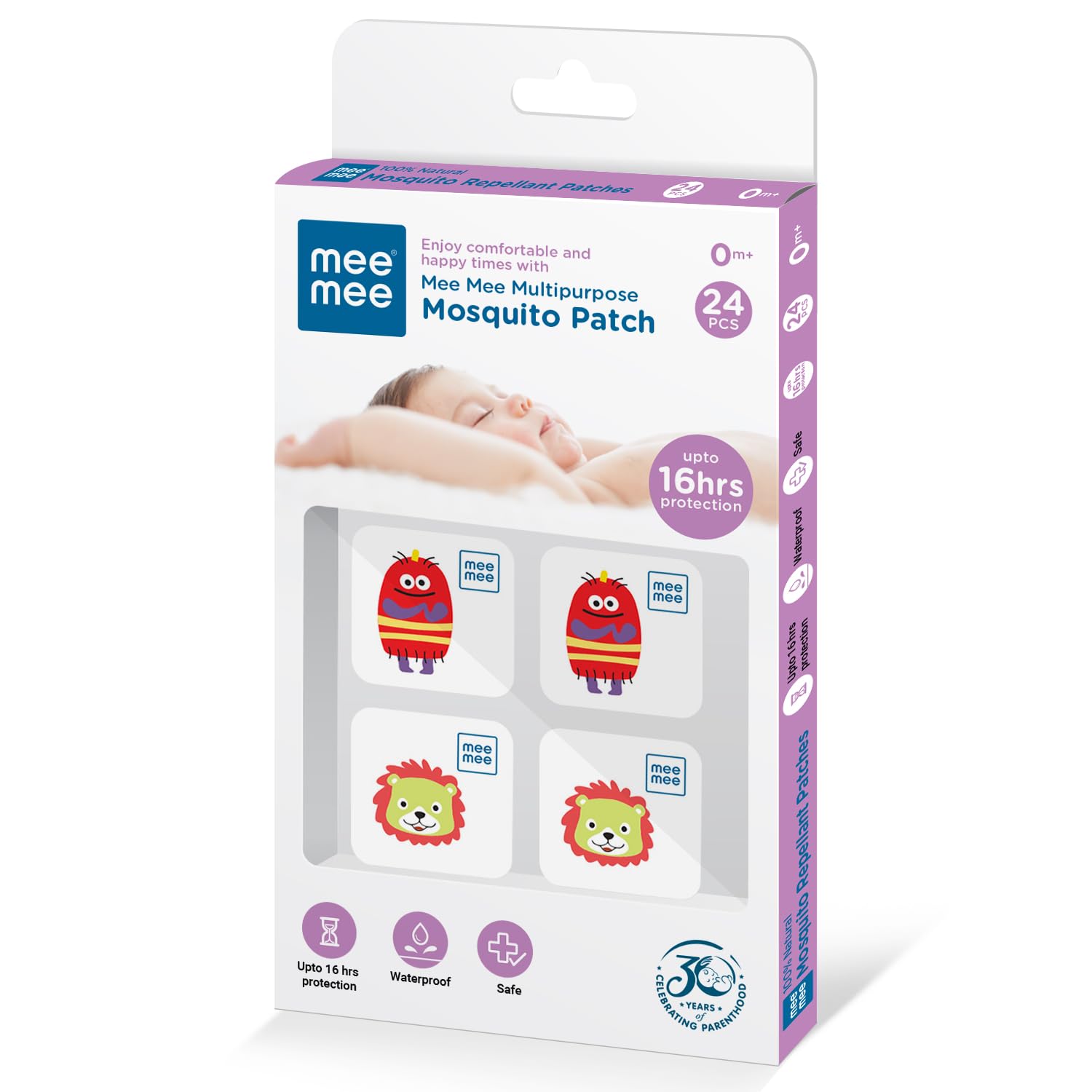 Mee Mee Baby Cooling Gel Patches (6 Sheets) Mee Mee Baby Cooling Gel Patches (6 Sheets)
|
👑 Premium Pick | No ratings yet | ₹499 | Check price → |
 Electral ORS Powder (21.8g x 10 Sachets) Electral ORS Powder (21.8g x 10 Sachets)
|
🪙 Budget Pick | No ratings yet | ₹200 | Check price → |
🛒 Our Top Picks

Best-reviewed overall, 0★ across 0 ratings.
Omron MC-246 Digital Thermometer
- ✓ 60-second fast reading
- ✓ Flexible tip for safe rectal use
- ✓ Waterproof and washable
* We earn a small commission — at no extra cost to you.
Top of the range, for parents who want the best features.
Mee Mee Baby Cooling Gel Patches (6 Sheets)
- ✓ Maintains 2-3°C cooling for 6-8 hours
- ✓ Safe for babies 6 months+
- ✓ Non-medicated gel formula
* We earn a small commission — at no extra cost to you.

Lowest price that still clears our 3.8★ / 100-review bar.
Electral ORS Powder (21.8g x 10 Sachets)
- ✓ WHO-recommended ORS formula
- ✓ Each sachet makes 200ml
- ✓ Orange flavor
* We earn a small commission — at no extra cost to you.
Daily baby tips, exclusive Amazon deals & real parent advice — free forever.
Paediatric hyperthermia: a condition where an infant's core body temperature rises above 37.5°C due to environmental heat exposure, overwhelmed the thermoregulatory system. Unlike fever (which is internally generated), hyperthermia occurs when external heat exceeds the body's cooling capacity - particularly dangerous in babies whose sweat glands are immature until 2-3 years of age.
Between March and June, cities like Lucknow, Pune, and Bengaluru see emergency rooms admit 30-40% more infants with heat-related illnesses according to data patterns observed across Apollo and Fortis networks. The Indian Academy of Pediatrics issued specific protocols in 2023 for managing pediatric heat stroke during these extreme weather events, which now regularly push temperatures into the 45-47°C range across North India.
Understanding Core Temperature Thresholds in Babies
Normal rectal temperature in infants ranges from 36.5°C to 37.5°C. Once core temperature crosses 38.5°C, you're looking at heat exhaustion. At 40°C and above, heat stroke begins - this is when cellular damage starts occurring in the brain, kidneys, and liver.
The critical difference: babies under 12 months have a body surface area to mass ratio that's three times higher than adults. This means they absorb heat from the environment much faster. Their hypothalamus - the brain's temperature control center - is also immature, making them unable to initiate adequate cooling responses like sweating or increasing blood flow to the skin.
Research published in the Indian Pediatrics journal (2022) documented that during the Rajasthan heatwave, infant core temperatures rose 0.5°C per 15 minutes when exposed to 45°C+ ambient conditions without cooling interventions. In enclosed spaces like cars, temperatures can reach 60°C within 20 minutes even with windows slightly open.
Heat Exhaustion vs Heat Stroke: The Medical Distinction
| Parameter | Heat Exhaustion | Heat Stroke |
|---|---|---|
| Core Temperature | 38.5-39.5°C | 40°C and above |
| Neurological Signs | Irritability, mild lethargy | Confusion, seizures, unconsciousness |
| Skin Condition | Sweating, clammy | Hot, dry (sweating stopped) |
| Treatment Setting | Home-based cooling | Emergency hospital admission |
| Recovery Time | 30-60 minutes with cooling | 24-48 hours, possible ICU |
| Long-term Risk | None if treated promptly | Brain damage, organ failure |
Heat exhaustion: the body's warning system signaling that cooling mechanisms are struggling but still functioning, characterized by heavy sweating, weakness, and core temperature below 40°C. Heat stroke: a medical emergency where thermoregulation has completely failed, sweating stops, and core temperature exceeds 40°C, leading to potential multi-organ damage within 60-90 minutes.
Warning Signs Every Parent Must Recognize
During Mumbai's April heatwave last year, a mother called me panicked because her 5-month-old seemed "different" after their afternoon walk. She couldn't pinpoint what exactly was wrong - just that something felt off. That maternal instinct was right: early heat stroke symptoms are often subtle.
Watch for these progression of signs:
- Stage 1 (Heat Stress): Excessive fussiness, more frequent feeding demands, slight redness in face and neck
- Stage 2 (Heat Exhaustion): Rapid breathing (over 60 breaths/minute), reduced urination (fewer than 4 wet diapers in 24 hours), cool and clammy skin despite heat, weak cry
- Stage 3 (Heat Stroke - Emergency): Skin becomes hot and dry, baby stops responding to name or touch, soft spot (anterior fontanelle) appears sunken, seizures or muscle twitching, vomiting, loss of consciousness
The most reliable indicator: touch your baby's torso (not hands or feet, which can be misleading). If the chest and stomach feel hot to your touch and the baby isn't sweating despite the heat, measure temperature immediately. Any rectal reading above 39.5°C during hot weather requires immediate medical attention.
Chennai paediatricians specifically warn about the "quiet baby" sign: when an infant who was previously crying or fussy suddenly becomes very still and unresponsive. This isn't the baby calming down - it's often the neurological suppression that occurs as heat stroke progresses.
Emergency Response Protocol: The First 15 Minutes
When heat stroke in babies is suspected, every minute counts. The IAP's emergency protocol emphasizes that cooling must begin immediately - don't wait for the ambulance to start treatment.
Immediate Actions (in order):
- Call 108 or rush to nearest emergency room - state "suspected pediatric heat stroke" so they prepare cooling equipment
- Move baby to coolest available space - air-conditioned room set to 22-24°C, or shade with fan at maximum speed
- Remove all clothing - leave only diaper on to expose maximum skin surface
- Begin rapid cooling: Apply room temperature (not ice-cold) water-soaked cloths to neck, armpits, groin, and head. Replace cloths every 2 minutes as they warm up
- Fan the baby - direct airflow helps evaporative cooling. Use table fan at medium speed 2-3 feet away
- Position correctly: Lay baby on side (recovery position) if vomiting or unconscious, on back if alert
- Monitor temperature every 5 minutes - stop aggressive cooling once temperature drops to 38.5°C to prevent overcorrection
What NOT to do: Never use ice water or ice packs directly on skin (causes vasoconstriction which traps heat internally), never give fever medications like paracetamol (ineffective for environmental hyperthermia), never force-feed water or ORS if baby is unconscious or seizing.
The target is to reduce core temperature by 0.5-1°C every 10 minutes until reaching 38.5°C. Hospital protocols in Delhi's AIIMS and Fortis use cooling blankets and intravenous cold saline, but home cooling with wet cloths achieves similar initial results according to 2021 studies.
Cooling Gel Patches: Do They Work?
Products like Mee Mee cooling gel patches (Rs. 225 for 6 sheets) are marketed for fever management. During heat stroke, they can be useful but only as supplementary cooling - not primary treatment. Place one patch on forehead and one on back of neck while doing whole-body cooling with wet cloths. Each patch maintains 2-3°C below ambient temperature for 6-8 hours.
The limitation: gel patches cool only small surface areas (roughly 15-20 sq cm each). For rapid cooling needed in heat stroke, you need large surface coverage, which is why wet cloths rotated every 2 minutes remain the gold standard.
Hospital Protocols and What to Expect
When you reach the emergency department, here's what pediatric heat stroke protocol involves:
Triage Assessment (First 5 minutes): Rectal temperature measurement, Glasgow Coma Scale for infants (responsiveness check), blood pressure, pulse oximetry, and blood glucose testing. Temperature above 40°C typically triggers immediate admission to pediatric ICU or high-dependency unit.
Active Cooling (First 30-60 minutes): Continuation of evaporative cooling, possible ice-water gastric lavage for severe cases (core temp above 41°C), intravenous fluid resuscitation with normal saline or Ringer's lactate at calculated rates based on weight and dehydration level.
Monitoring Phase (24-48 hours): Continuous temperature monitoring, blood tests every 6 hours checking for kidney function (creatinine, urea), liver enzymes (AST, ALT), electrolytes, and complete blood count. Neurological assessment every 4 hours watching for seizures or altered consciousness.
Prognosis: When treatment begins within 60 minutes of symptom onset, 95% of babies recover fully without complications. Delays beyond 90 minutes increase risk of acute kidney injury (seen in 15-20% of delayed cases) and neurological sequelae. Average hospital stay ranges from 2-4 days depending on severity and complications.
Cost consideration: Emergency treatment for pediatric heat stroke in private hospitals (Apollo, Fortis, Manipal) typically costs Rs. 25,000-60,000 including ICU charges, investigations, and medications. Government hospitals like AIIMS, Safdarjung, and state medical colleges provide the same protocol at significantly reduced costs (Rs. 2,000-5,000 total).
Prevention Strategies for 40-47°C Heatwaves
During the recent Uttar Pradesh heatwave where Prayagraj recorded 47.2°C, pediatricians saw a 60% drop in heat-related admissions in families who followed structured prevention protocols versus those who didn't.
Temperature Monitoring Setup: Keep a reliable digital thermometer (like the Omron MC-246 at Rs. 349) easily accessible. Take baseline temperature readings during normal conditions so you know your baby's typical range. During heatwaves above 42°C, check temperature twice daily - 11 AM and 4 PM when heat peaks.
Hydration Protocol by Age:
- 0-6 months (exclusively breastfed): Increase feeding frequency to every 1.5-2 hours. Offer breast even if baby isn't demanding. Don't give water - breast milk is 87% water and provides perfect hydration
- 6-12 months: Continue frequent breastfeeding plus 60-80 ml water between feeds (given in small 10-15 ml amounts). Can offer diluted coconut water (1:1 with water) if accepting
- 12+ months: 120-150 ml fluids per hour during peak heat. Electral ORS (Rs. 45 for 10 sachets) mixed per instructions if sweating heavily or showing signs of dehydration
Clothing Strategy: Single layer of loose cotton in light colors. Avoid synthetic fabrics entirely - they trap heat and reduce evaporation. Brands like FirstCry's Babyhug organic cotton range (Rs. 200-350 per piece) work well. During outdoor travel, use breathable muslin swaddles dampened slightly with water.
Environment Control:
- Maintain room temperature at 24-26°C using AC or cooler. If no cooling available, use wet curtains and cross-ventilation
- Never leave baby in parked car - even with windows cracked, internal temperature reaches 55-60°C in 20 minutes during 45°C+ weather
- Avoid outdoor exposure between 11 AM - 4 PM entirely during heatwave alerts
- Use stroller sunshades but ensure adequate airflow - enclosed strollers can create microclimate 5-7°C hotter than ambient
High-Risk Situations: Babies with recent illness, diarrhea, or vomiting are at 3x higher risk as they're already mildly dehydrated. Premature infants and those under 3 months have the poorest thermoregulation. If your baby falls into high-risk categories, consider staying with air-conditioned relatives during peak heatwave days if your home lacks cooling.
What Paediatricians Say
Dr. Amit Gupta, Senior Consultant Paediatrician at Delhi's Max Hospital, handles 15-20 heat-related cases every summer. He emphasizes that prevention is genuinely achievable with awareness: "The babies we admit are almost always from situations where warning signs were missed or parents didn't realize the severity. A baby's inability to tell you 'I'm too hot' means we must be their advocates."
Key medical facts:
- Infants' sweat glands produce only 30% of adult capacity until age 2-3, severely limiting their primary cooling mechanism
- The IAP recommends canceling non-essential outdoor activities when temperature exceeds 40°C and wet-bulb globe temperature (which factors in humidity) exceeds 30°C
- Research from ICMR's National Institute of Nutrition shows babies lose fluids 2.5x faster than adults per kilogram of body weight during heat exposure, with dehydration developing in 4-6 hours versus 12-24 hours in adults
His advice for parents: "Trust your instinct. If something feels off - baby is quieter than usual, skin feels different, cry sounds weaker - take temperature and act. The five minutes spent checking could prevent an ICU admission."
Building Your Heat Emergency Kit
Every home with a baby should have these items readily accessible during March-June:
- Omron MC-246 Digital Thermometer (Rs. 349): Fast 60-second reading, flexible tip safe for rectal use, memory for last reading. Keep in dedicated spot, not buried in drawer
- Mee Mee Cooling Gel Patches (Rs. 225): Supplementary cooling for forehead/neck. Store in refrigerator door for instant use
- Electral ORS Powder (Rs. 45): For babies over 6 months showing dehydration signs. One sachet makes 200ml - prepare fresh for each use, discard after 6 hours
- Cotton cloths (6-8 pieces): Small hand towels work perfectly. Keep in bucket of room-temperature water during heatwave days for rapid access
- Battery-powered fan: For cooling during power cuts. Models like the Havells Brina (Rs. 799) run 3-4 hours per charge
- Emergency contacts list: Include nearest hospital with pediatric emergency (with address for cab driver), ambulance numbers (108 nationwide, local private ambulance), and your pediatrician's emergency number
Keep this kit in a specific location - not scattered across rooms. During an emergency, the time spent searching for a thermometer or ORS packet can be critical.
When Heat Exhaustion Turns to Heat Stroke: Real Case Timeline
Understanding how quickly situations deteriorate helps with recognition. This is a composite case from Jaipur's Narayana Multispeciality Hospital records:
2:30 PM: Mother takes 7-month-old for vaccine appointment, travels in auto-rickshaw (exposed to 44°C heat for 25 minutes)
3:00 PM: Baby seems fussy, cries more than usual at clinic. Given vaccine, sent home with routine post-vaccine instructions
3:45 PM: At home, baby refuses feed, continues crying. Mother attributes to vaccine reaction, gives paracetamol
4:30 PM: Baby suddenly goes quiet, stops crying. Mother relieved, thinks baby finally sleeping. Doesn't check temperature
5:15 PM: Father returns home, immediately notices baby feels very hot, isn't responding normally. Takes rectal temperature: 40.1°C
5:20 PM: Parents call 108, begin wet cloth cooling while waiting for ambulance
5:45 PM: Reaches hospital emergency, temperature measured at 39.4°C (successfully reduced through home cooling), admitted for observation
Outcome: 48-hour hospital stay, full recovery. Key learning: the 1.5 hour gap between vaccine appointment and temperature check was when heat exhaustion (likely present at 3:45 PM) progressed to stroke levels. The "quiet baby" at 4:30 PM was actually neurological suppression, not peaceful sleep.
This pattern repeats across cases: outdoor exposure during peak heat, gradual symptom onset over 60-90 minutes, misattribution to other causes (teething, vaccine, tiredness), delayed temperature measurement, and sudden recognition when symptoms become severe.
Frequently Asked Questions
At what temperature should I take my baby to the hospital during a heatwave?
Can I give my 4-month-old water during Delhi's summer heat to prevent heat stroke?
How quickly can heat stroke develop in babies during 45°C weather?
Should I use ice water to cool my baby during suspected heat stroke?
What is the difference between heat rash and heat stroke symptoms in babies?
How many hours can a baby safely stay in an air-conditioned room during extreme heat?
Daily baby tips, exclusive Amazon deals & real parent advice — free forever.