
Heat Rash vs Diaper Rash in India: How to Tell, Treat & When to Call the Doctor

Heat rash appears in skin folds and sweaty areas (neck, armpits, thigh creases) as tiny raised bumps without a strong odour. Diaper rash occurs only under the diaper and smells of urine or faeces. Heat rash spreads beyond the diaper line; diaper rash stays confined. Both improve with air exposure, but diaper rash needs frequent changes and barrier creams.
⚡ In a hurry? Our quick picks


Most new parents confuse heat rash with diaper rash, especially during India's monsoon months. Both cause red, bumpy skin on a baby's body, but they stem from completely different causes and respond to different treatments. Catching the difference early stops unnecessary cream applications and gets your baby relief faster. This guide walks you through the visual clues, triggers, and treatment steps so you can identify each rash and act with confidence.
🏆 Quick comparison: our top picks
| Product | Award | Price | |
|---|---|---|---|
 Mama Earth Plant-Based Baby Diapers |
👑 Premium Pick | ₹1,099 | Check price → |
 Johnson's Baby Lotion (Original) |
🪙 Budget Pick | ₹170 | Check price → |
 Pampers Swaddlers Diaper Pants |
₹884 | Check price → | |
 Sudocrem Antiseptic Healing Cream |
See on Amazon | Check price → | |
 Sebamed Baby Cream |
₹890 | Check price → | |
 Huggies Little Snugglers Newborn Diaper |
₹794 | Check price → |
🛒 Our Top Picks

The highest-priced option in this guide.
Mama Earth Plant-Based Baby Diapers
- ✓ Plant-based, chlorine-free construction
- ✓ High absorbency with breathable backsheet
- ✓ Hypoallergenic and eco-friendly
* We earn a small commission — at no extra cost to you.


The lowest-priced option in this guide.
Johnson's Baby Lotion (Original)
- ✓ Hypoallergenic and dermatologist-tested
- ✓ Mild formula for daily use on dry skin
- ✓ Not recommended for active diaper or heat rash—use after rash resolves
* We earn a small commission — at no extra cost to you.

Pampers Swaddlers Diaper Pants
- ✓ Breathable layers reduce moisture buildup
- ✓ Wetness indicator for timely changes
- ✓ Hypoallergenic, fragrance-free
* We earn a small commission — at no extra cost to you.

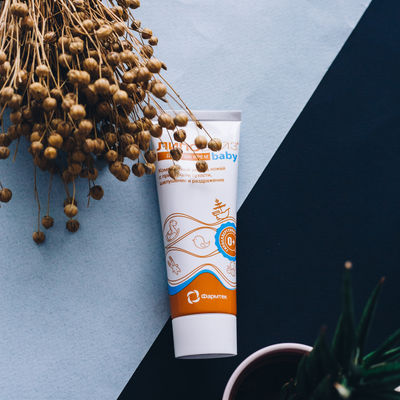
Sudocrem Antiseptic Healing Cream
- ✓ Zinc oxide base for barrier protection
- ✓ Lanolin and benzyl cinnamate for healing
- ✓ Dermatologically tested for sensitive baby skin
* We earn a small commission — at no extra cost to you.
Sebamed Baby Cream
- ✓ pH 5.5 balanced for baby skin
- ✓ Panthenol and allantoin for healing
- ✓ Fragrance-free, dermatologist approved
* We earn a small commission — at no extra cost to you.
Huggies Little Snugglers Newborn Diaper
- ✓ Wetness indicator for change timing
- ✓ Soft, hypoallergenic waistband
- ✓ Wetness lock technology with breathable layers
* We earn a small commission — at no extra cost to you.
Daily baby tips, exclusive Amazon deals & real parent advice — free forever.
Heat rash (also called prickly heat or miliaria): a rash caused by blocked sweat ducts when a baby's skin gets too warm and humid, trapping moisture in the skin. Diaper rash (diaper dermatitis): inflammation triggered by prolonged contact with urine, faeces, moisture, and friction inside the diaper area.
Heat Rash vs Diaper Rash: Location and Appearance
The easiest way to tell these rashes apart is where they show up on your baby's body. Heat rash and diaper rash have completely different territories, and that's your first clue.
Heat rash appears in skin folds and areas prone to sweating: the back of the neck, behind the ears, inside the elbow and knee creases, the armpits, the upper back, and the groin creases (but NOT confined to the diaper area). It often spreads across multiple body zones. The bumps are tiny, raised, and clustered—sometimes so small they feel like goosebumps. The colour ranges from pale pink to bright red depending on severity. Heat rash does not smell.
Diaper rash appears only in the diaper zone: the buttocks, genitals, lower belly, and inner thighs. It stays sharply contained to skin that touches the diaper. The rash looks like red patches or bumps, often with a shiny appearance. Severe diaper rash can blister or weep. The area smells of ammonia (from urine) or has a faecal odour because the rash is triggered by contact with waste.
A key tell: if the rash crosses the diaper line and climbs onto the belly, chest, or armpits, it's almost certainly heat rash. If it stops at the diaper border, it's diaper rash.
What Triggers Each Rash: Humidity, Sweat, and Moisture
Understanding what causes each rash helps you prevent it. Heat rash and diaper rash have distinct triggers, and many Indian parents face both at the same time during monsoon season.
Heat rash is triggered by: warm, humid air (especially above 70% humidity, common in Indian monsoons), overdressing your baby, sleeping under heavy blankets, poor air circulation, and immature sweat-gland regulation (newborns and babies under 3 months struggle to regulate body temperature). It peaks in May–September across most of India and in coastal cities year-round.
Diaper rash is triggered by: infrequent diaper changes, prolonged wetness, friction from a tight diaper, urine and faeces sitting against the skin, sensitivity to diaper material or laundry detergent, and yeast or bacterial overgrowth in the moist diaper environment. It can happen any time but worsens when humidity is high because the diaper area stays damp longer.
Many babies get both at once: summer heat triggers heat rash on the body, and the added moisture and heat under the diaper trigger diaper rash simultaneously. This is why monsoon months in cities like Mumbai, Bangalore, and Kolkata see more rash complaints from parents.
How to Treat Heat Rash and Diaper Rash Differently
Treating heat rash: The primary treatment is air exposure and cooling. Remove excess clothing, dress your baby in a single thin cotton layer. Increase room ventilation—use a fan (not directed at the baby) to improve air circulation. Keep the baby in a cool room (ideally under 28°C). Avoid moisturisers and heavy creams; they trap heat. A lukewarm bath once or twice daily can provide relief. Pat the skin dry immediately and do not rub. Zinc oxide cream (₹120–250 on Amazon.in) can be applied lightly to very irritated areas, but only once the skin is completely dry. Most heat rash resolves in 3–5 days with consistent cooling and airing.
Treating diaper rash: The primary treatment is frequent diaper changes and barrier protection. Change the diaper every 2–3 hours, or immediately after a bowel movement—do not wait for the diaper to feel full. At each change, clean the area gently with warm water and a soft cloth. Pat dry completely; moisture feeds the rash. Apply a zinc oxide or lanolin-based diaper rash cream (₹120–250) in a thin, even layer to the affected area. Popular options include Sudocrem (₹180–220) and Sebamed Baby Cream. Let the area air dry for 5–10 minutes before putting on a fresh diaper. If the rash persists beyond 3 days, worsens, or shows signs of yeast infection (bright red with satellite spots), consult a paediatrician; antifungal treatment may be needed.
Preventive steps for both: Choose breathable diapers—brands like Pampers Swaddlers (₹8–12 per piece), Huggies Little Snugglers (₹9–13 per piece), or Mama Earth Plant-Based Diapers (₹10–14 per piece) offer good airflow. Cotton langots (traditional cloth nappies, ₹200–500 for a pack of 3–5) are an excellent low-cost alternative during monsoon if washed, dried in sun, and changed frequently. Ensure diaper fit is snug but not tight—you should fit one finger under the waistband. Avoid scented diapers and wipes; fragrance irritates sensitive baby skin. Launder cloth nappies with mild detergent and rinse thoroughly to remove residue.
When to See a Doctor
Most heat rash and mild diaper rash resolve at home within a week. However, contact your paediatrician if: the rash spreads rapidly or covers a large area of the body, blistering or open sores appear, the baby has fever or acts unusually fussy, pus or yellow discharge oozes from the rash, satellite red spots appear around the main rash (sign of yeast), the rash does not improve after 5–7 days of home care, or your baby seems in pain during diaper changes. This is general information, not medical advice. A paediatrician can rule out fungal infections, bacterial superinfection, or allergic reactions that need prescription treatment.
What IAP and WHO Guidance Says
• IAP recommends: Keeping babies under 6 months cool and dry as the primary prevention for heat rash in humid climates. Lightweight cotton clothing and frequent nappy changes reduce both heat and diaper rash risk.
• WHO emphasises: Skin-to-skin contact and air exposure as first-line treatments for minor rashes in infants. Medical intervention is warranted only if signs of infection appear.
📚 Sources
The guidance in this article draws on the sources below. It is general information, not medical advice: for any concern about your child's health, talk to your paediatrician.
- Indian Academy of Pediatrics (IAP) – Infant Care Guidelines — Supports preventive care and temperature regulation in Indian climate context
- WHO – Neonatal Care and Skin Health in Infants — Confirms air exposure and cooling as first-line rash management
- American Academy of Pediatrics (AAP) – Diaper Dermatitis — Diaper change frequency and barrier cream application guidelines
Last updated 12 Nov 2026
Frequently Asked Questions
How to tell the difference between heat rash and diaper rash?
Can we use diaper rash cream for heat rash?
Can breast milk cure heat rash?
How do I tell if my baby's rash is heat rash?
How many diaper changes a day prevent rash?
What diaper brands reduce heat rash and diaper rash in India?
Daily baby tips, exclusive Amazon deals & real parent advice — free forever.